
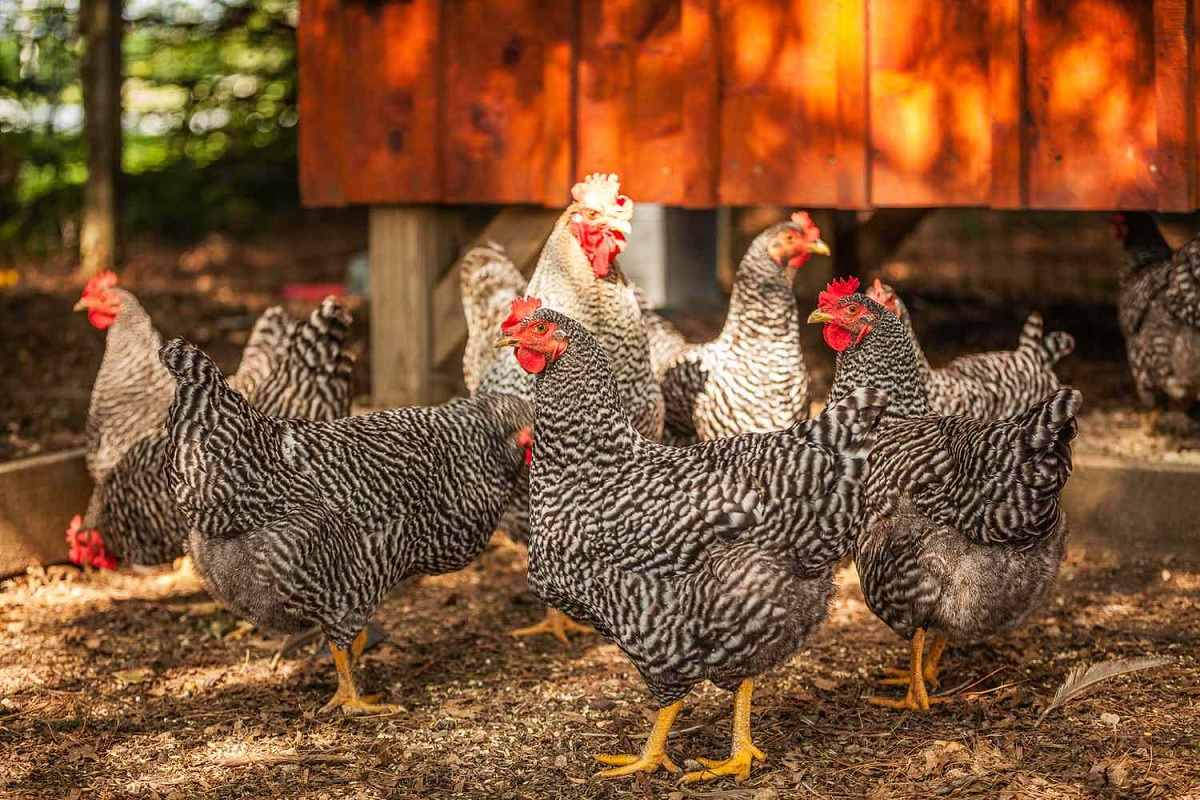
Farm birds play a crucial role in agriculture, offering a steady source of food, income, and natural pest control. Knowing the different types of farm birds helps farmers and homesteaders choose the right species based on their goals, resources, and environment. These birds are raised for various purposes, including meat, eggs, feathers, or simply to maintain balance in the farm ecosystem. Chickens, ducks, turkeys, geese, quails, and guinea fowls are some of the most common types of farm birds found across the world.
Each bird type brings unique benefits—some grow quickly and provide high-quality meat, while others are known for their egg-laying ability or hardiness in extreme weather. Understanding the characteristics and requirements of different types of farm birds allows you to plan more effectively and raise healthy, productive flocks. Whether you run a large-scale farm or a small backyard setup, selecting the right birds can make a meaningful difference.
Common Types of Farm Birds
Farm birds form the backbone of many agricultural systems worldwide. They provide meat, eggs, feathers, and even help with pest control. Knowing the common types of farm birds helps farmers select the right species for their needs, whether for commercial production or small-scale homesteading. Each bird has unique traits, growth rates, and care requirements, making them suitable for different farming goals. This section highlights the most popular farm birds and what makes them valuable in agricultural settings.
Chickens
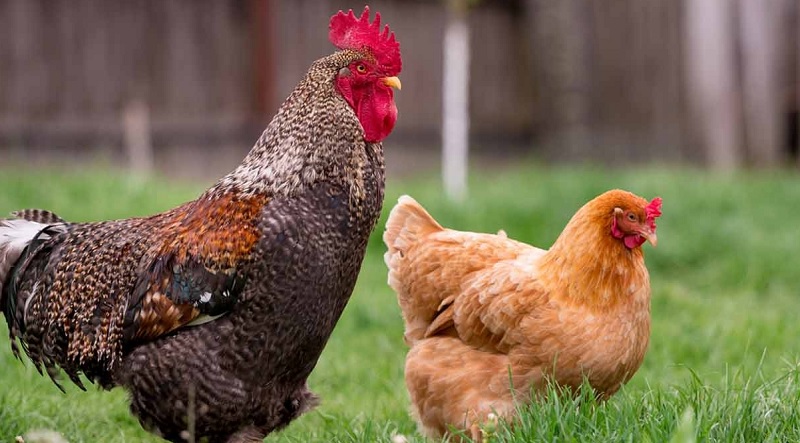
Chickens are the most widely raised farm birds globally due to their versatility and ease of management. They are categorized into broilers, layers, and dual-purpose breeds. Broilers, such as the Cornish Cross, are raised primarily for meat, growing rapidly to market weight within 6 to 8 weeks. Layer breeds like the White Leghorn excel in egg production, laying large quantities of eggs consistently. Dual-purpose breeds such as Plymouth Rock or Sussex provide both meat and eggs, making them ideal for small farms. Chickens adapt well to various climates and are generally low-maintenance, making them a popular choice for beginners and experienced farmers alike.
Ducks
Ducks are valued on farms for their meat and eggs, along with their natural ability to control pests like insects and snails. Pekin and Muscovy ducks are commonly raised for meat production because of their size and flavor. Egg-laying breeds like the Khaki Campbell and Indian Runner are renowned for their prolific egg-laying capabilities. Ducks are hardy birds that tolerate wet conditions well, making them a great addition to farms with ponds or wet pastures. They also have a calmer temperament compared to chickens, which some farmers find easier to manage.
Turkeys
Turkeys are larger birds primarily raised for their meat. The Broad Breasted White is the most popular commercial turkey breed because of its large breast size and fast growth. Turkeys require more space and a longer growing period compared to chickens or ducks but produce a significant amount of meat, making them valuable for meat-focused farms. They also have a unique flavor that appeals to many consumers. Turkeys benefit from outdoor access and are more sensitive to heat and cold, so proper shelter and management are important.

Geese
Geese are hardy farm birds raised for meat, feathers, and sometimes eggs. Breeds like Embden and Toulouse are well-known for their large size and good meat quality. Geese are excellent grazers, often used to manage pasture growth and weeds, which can reduce feed costs. Their strong instincts and loud calls also make them effective natural guards for other farm animals. Geese are well-suited for free-range farming but require access to water sources such as ponds for optimal health.
Quails
Quails are small, fast-growing birds mainly raised for eggs and meat. The Coturnix quail is the most commonly farmed species because of its rapid maturity and consistent egg production. Quails require minimal space and feed, making them perfect for small farms or urban farming setups. Their eggs are considered a delicacy in many cuisines and have growing market demand. Despite their small size, quails need proper shelter and protection from predators.
Guinea Fowls
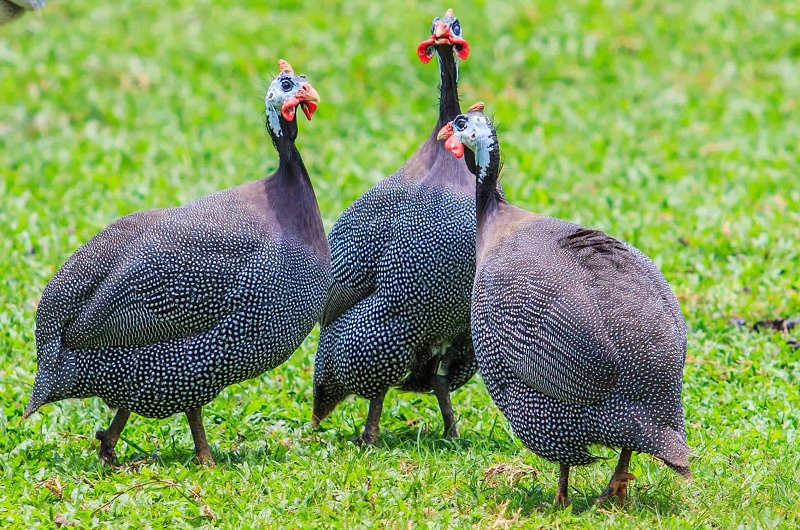
Guinea fowls are hardy birds that thrive in hot and dry climates. They are raised primarily for meat but also contribute to pest control by feeding on ticks, insects, and small snakes. Their lean meat is flavorful and popular in certain regional markets. Guinea fowls are known for their strong immune systems and resistance to many common poultry diseases. They are often free-range birds that require less intensive care, making them suitable for farms looking to reduce chemical pest control methods.
Classification of Farm Birds Based on Their Use
Farm birds can be classified based on the primary purpose they serve in agricultural settings. This classification helps farmers focus on breeds that best meet their production goals, whether that’s meat, eggs, or additional benefits like pest control. Understanding the classification of farm birds based on their use makes managing resources and optimizing productivity much easier.
Meat Birds
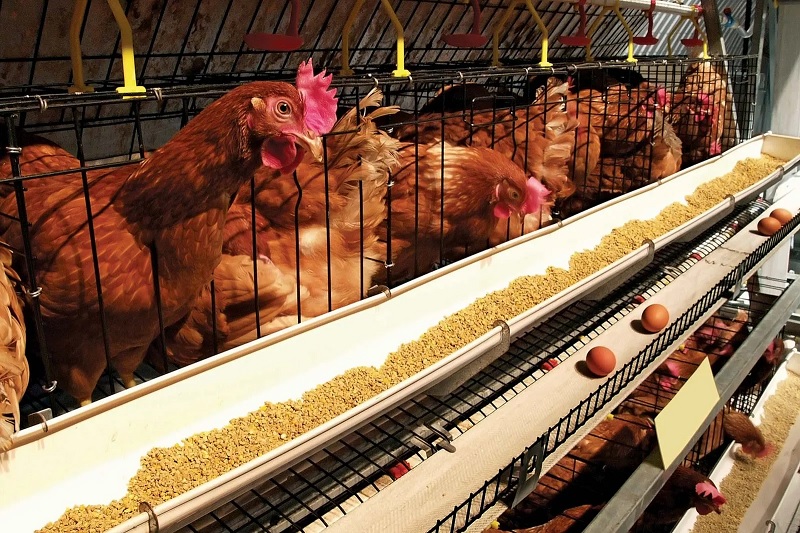
Meat birds, also called broilers, are raised mainly for their rapid growth and high-quality meat. Chickens such as the Cornish Cross and ducks like the Pekin fall into this category. These birds grow quickly, usually reaching market weight within a few weeks, making them ideal for farmers focused on fast returns. Turkeys and geese are also raised for meat but require more space and longer growth periods. Meat birds typically need high-protein diets and carefully managed environments to ensure healthy growth.
Egg-Laying Birds
Egg-laying birds, or layers, are bred specifically to produce large numbers of eggs over an extended period. Chickens such as White Leghorn and Rhode Island Red are popular layers known for their consistent egg production. Ducks like the Khaki Campbell are also excellent egg producers. These birds require balanced nutrition, especially calcium, to maintain shell quality and egg production. Proper lighting and housing conditions further support their laying performance.
Dual-Purpose Birds
Dual-purpose birds offer a balance between meat and egg production, making them a practical choice for small farms or backyard poultry keepers. Breeds such as Plymouth Rock and Sussex chickens provide moderate quantities of both meat and eggs. While they may not be as specialized as pure meat or egg birds, dual-purpose breeds are hardy, easy to manage, and versatile for varied farming goals.
Specialty and Other Uses
Some farm birds serve specialized roles beyond meat and eggs. Guinea fowls, for example, help control pests by feeding on ticks and insects, while geese can act as natural guard animals. Ornamental breeds are kept mainly for their unique appearance rather than production. Understanding these categories allows farmers to diversify their flocks and enhance overall farm sustainability.
Selecting the Best Farm Bird for Your Needs
Choosing the best farm bird depends on your specific goals, resources, and environment. Whether you want to focus on meat production, egg laying, or a combination of both, understanding your needs will guide you toward the right breed and help you achieve the best results.
Define Your Farming Goals
Start by identifying what you want from your farm birds. If your priority is meat, broiler chickens or meat ducks like Pekin are excellent choices due to their fast growth and high yield. For consistent egg production, layers such as White Leghorn chickens or Khaki Campbell ducks provide reliable egg-laying capacity. If you want birds that offer both meat and eggs, dual-purpose breeds like Plymouth Rock or Sussex chickens fit well with smaller farm setups.
Consider Your Environment and Resources
Your local climate and farm size are important factors when selecting birds. Some breeds are better suited to hot, humid environments, while others thrive in cooler regions. For example, hardy guinea fowls perform well in hot climates, while some chicken breeds may need more controlled conditions. Also, assess the space, feed availability, and housing you can provide. Smaller birds like quails require less space and feed, making them ideal for limited areas.
Evaluate Market Demand
Knowing what products are in demand in your area helps ensure your farm’s profitability. Research whether there is a higher demand for eggs, meat, or specialty poultry products like quail eggs or guinea fowl meat. Aligning your bird selection with market needs makes your farming venture more sustainable and rewarding.
FAQs
What Are the Most Common Types of Farm Birds?
The most common types of farm birds include chickens, ducks, turkeys, geese, quails, and guinea fowls. Chickens are the most widely raised due to their versatility in providing both meat and eggs. Ducks are valued for their flavorful meat and eggs, as well as their pest control abilities. Turkeys and geese are larger birds primarily raised for meat, while quails are small birds popular for eggs and meat on a smaller scale. Guinea fowls are hardy birds often used for pest control and meat. Each type has specific care needs and production benefits, so knowing their characteristics helps you choose the right birds for your farm.
How Do You Classify Farm Birds Based on Their Use?
Farm birds are usually classified into three main categories based on their use: meat birds, egg layers, and dual-purpose birds. Meat birds, like broiler chickens and Pekin ducks, are raised mainly for their rapid growth and meat yield. Egg layers, such as White Leghorn chickens and Khaki Campbell ducks, focus on consistent egg production. Dual-purpose birds, like Plymouth Rock chickens, provide a balance of both meat and eggs, making them ideal for small-scale or backyard farms. This classification helps you select breeds that align with your production goals.
Which Farm Birds Are Best Suited for Small-Scale or Backyard Farming?
For small-scale or backyard farming, dual-purpose chickens like Sussex or Plymouth Rock are excellent choices because they offer both meat and eggs. Quails are also popular in small spaces since they require minimal room and feed while producing eggs and meat quickly. Ducks, particularly smaller breeds like Indian Runner, are manageable in backyard settings and provide eggs and meat. These birds are generally hardy and adapt well to varied environments, making them perfect for hobby farmers or those new to poultry keeping.
What Factors Should You Consider When Choosing Farm Birds?
When choosing farm birds, consider your primary purpose (meat, eggs, or both), the climate where you live, available space, and your budget for feed and housing. Some birds handle heat or cold better than others, so matching the breed to your environment is important. Additionally, think about market demand for specific poultry products in your area to ensure profitability. Finally, assess how much time and effort you can dedicate to bird care, as some breeds need more intensive management than others.
Can Farm Birds Help With Pest Control on Your Farm?
Yes, certain farm birds like ducks and guinea fowls naturally help control pests by eating insects, snails, ticks, and other small pests that can damage crops or harm livestock. Ducks are particularly effective in wet or rice-growing areas where they feed on snails and insect larvae. Guinea fowls are known for their strong foraging behavior and ability to reduce tick populations. Incorporating these birds into your farm system can reduce the need for chemical pest control and support a more sustainable, eco-friendly farming approach.
Final Thoughts
Understanding the different types of farm birds is essential for successful poultry farming. Each bird species offers unique advantages, whether for meat, eggs, or other purposes like pest control and ornamental value. Chickens, ducks, turkeys, geese, quails, and guinea fowls all have specific traits that make them suitable for various farming environments and goals.
By learning about their characteristics and needs, you can choose the right birds that match your resources, climate, and market demand. This knowledge not only improves productivity but also supports sustainable farming practices. Whether you’re a beginner or an experienced farmer, selecting the appropriate farm birds sets the foundation for a thriving and profitable poultry operation.