
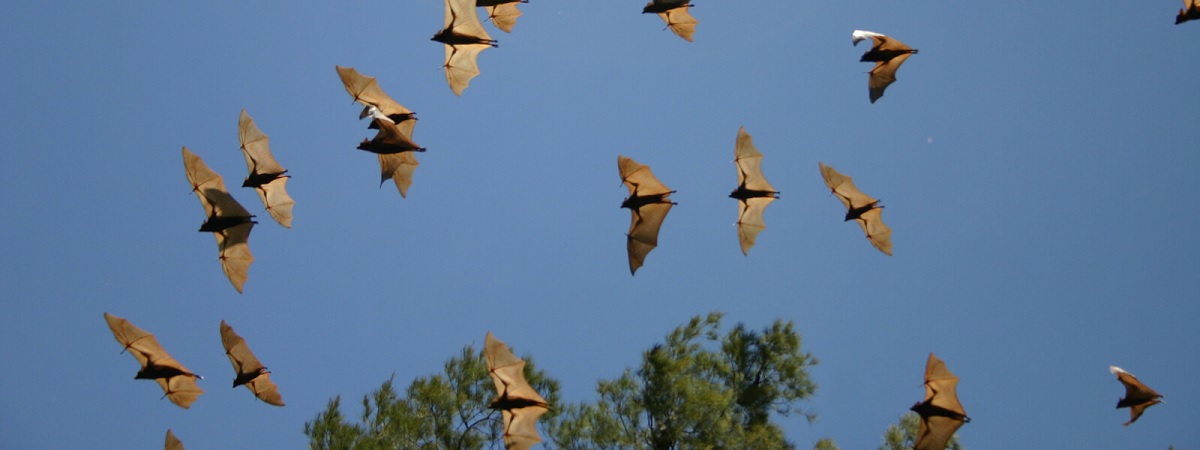
Are bats and birds related is a question that often comes up because both creatures share the ability to fly, but their connection goes beyond just that similarity. At first glance, it might seem like bats and birds belong to the same group since they both navigate the skies with wings. However, their biological and evolutionary backgrounds tell a different story. Bats are mammals, while birds belong to a completely different class known as Aves.
Understanding whether bats and birds are related involves exploring their anatomy, genetics, and evolutionary history. Despite their shared capability for flight, the wings of bats and birds have very distinct structures and origins. This introduction sets the stage for diving deeper into the fascinating differences and similarities between these two flying animals, helping to clarify the real relationship between bats and birds.
Biological Classification of Bats and Birds
Understanding the biological classification of bats and birds helps clarify how these two flying creatures are related—or not. Despite both being able to fly, bats and birds belong to entirely different groups in the animal kingdom. Their classification highlights fundamental differences in their anatomy, evolution, and biology.
Classification of Birds
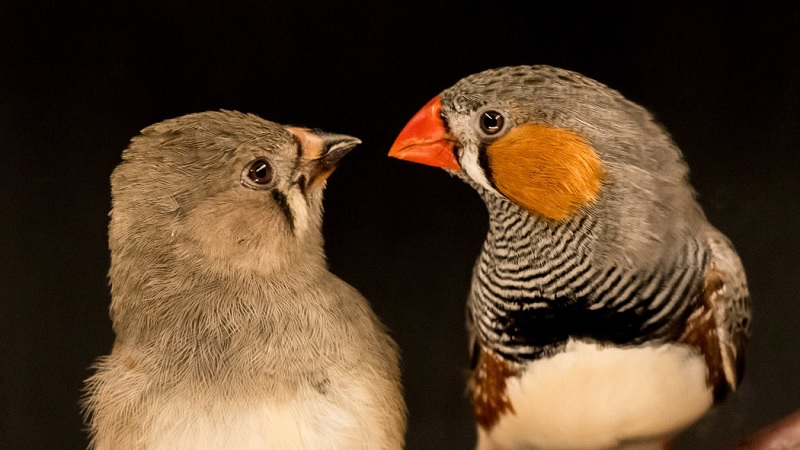
Birds belong to the class Aves, a group distinguished by features such as feathers, beaks without teeth, and the ability to lay hard-shelled eggs. They evolved from theropod dinosaurs during the Mesozoic era, making them the only surviving dinosaurs today. Their skeletons are lightweight and specially adapted for flight, featuring hollow bones and strong chest muscles to power their wings. Within the class Aves, birds are further divided into numerous orders, families, genera, and species.
Some well-known orders include Passeriformes (perching birds like sparrows and crows), Accipitriformes (birds of prey such as hawks and eagles), and Anseriformes (waterfowl like ducks and geese). Birds possess a unique respiratory system with air sacs that enable efficient oxygen exchange, supporting the high energy demands of flight. Additionally, feathers play a vital role not only in flying but also in insulation and communication.
Classification of Bats
Bats, in contrast, belong to the class Mammalia, identifying them as mammals. Specifically, they are classified under the order Chiroptera, which means “hand-wing,” reflecting the distinctive structure of their wings—elongated fingers covered by a thin skin membrane. Unlike birds, bats give birth to live young and nurse them with milk, which are key characteristics of mammals.
They have fur instead of feathers, and their bones are solid rather than hollow. Bats developed the ability to fly independently of birds, making their flight an example of convergent evolution rather than a sign of close relation. The order Chiroptera is mainly divided into two suborders: Megachiroptera (large fruit bats or flying foxes) and Microchiroptera (smaller bats that often rely on echolocation to navigate).
Bats are the only mammals capable of sustained flight, and their wing anatomy is vastly different from birds—the skin membrane stretches across their long fingers, creating flexible wings that allow for agile movement in the air.
Evolutionary Origins
Exploring the evolutionary origins of bats and birds reveals how these two groups, despite both being capable of flight, stem from very different branches of the tree of life. Understanding their shared ancestry and how they diverged over millions of years helps clarify why bats and birds are fundamentally distinct animals.
Common Ancestors of Mammals and Birds
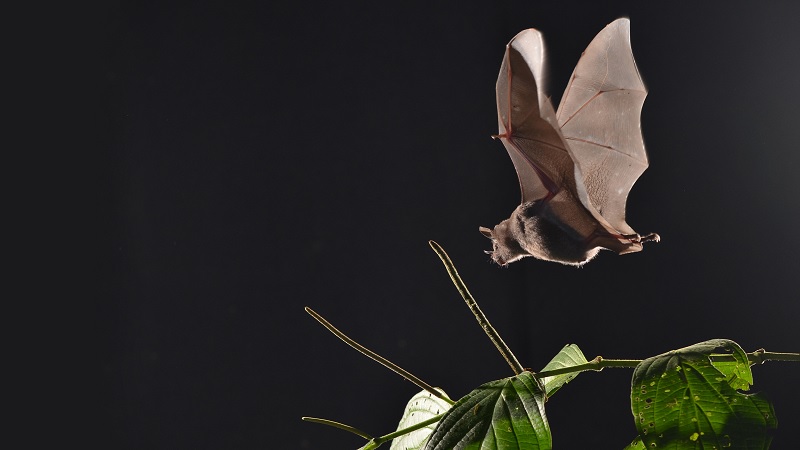
Mammals and birds both belong to the larger group called Amniotes, a classification of vertebrates that lay eggs on land or retain the fertilized egg within the mother. This group first appeared about 310 million years ago during the late Carboniferous period. Amniotes split into two major evolutionary lineages: Synapsids, which gave rise to mammals, and Sauropsids, which include reptiles and birds.
The common ancestor shared by mammals and birds lived hundreds of millions of years ago and likely resembled a small reptile-like creature. This ancestor laid the groundwork for many traits seen in both groups today, such as a backbone, lungs for breathing air, and the amniotic egg adapted for life away from water. However, after this initial split, the two lineages took vastly different evolutionary paths, each adapting uniquely to their environments.
Divergence of Mammals and Birds
The divergence between mammals and birds began in the late Paleozoic and early Mesozoic eras. Mammals evolved from the synapsid lineage, often called “mammal-like reptiles,” which gradually developed key mammalian features such as hair, warm-blooded metabolism, and mammary glands. This group flourished mainly during the Mesozoic era, but true mammals became more diverse and dominant after the extinction of non-avian dinosaurs about 66 million years ago.
Birds, on the other hand, evolved from a group of two-legged dinosaurs known as theropods, specifically during the Jurassic period around 150 million years ago. The first birds, like Archaeopteryx, showed a mix of reptilian and avian features—teeth, clawed wings, and feathers. Over millions of years, birds adapted their anatomy for efficient flight and survival in diverse environments.
Importantly, the ability to fly evolved separately in bats and birds. While birds developed wings from feathered forelimbs, bats evolved wings from elongated fingers with a stretched skin membrane. This is a classic example of convergent evolution, where unrelated species develop similar traits independently due to comparable environmental pressures—in this case, the advantage of flight.
Physical and Anatomical Differences
Bats and birds both captivate us with their ability to fly, but their physical and anatomical features reveal major differences rooted in their distinct evolutionary histories. Examining their wing structures, reproductive systems, and overall physiology highlights how unique each group truly is.
Differences in Wing Structure
The wings of bats and birds serve the same function but are built very differently. Bird wings are modified forelimbs covered with feathers. These feathers provide lift, control, and insulation. Bird bones are lightweight and hollow, reducing weight without sacrificing strength. The wing structure includes a rigid arm and hand skeleton with feathers attached, enabling powerful and efficient flapping flight.
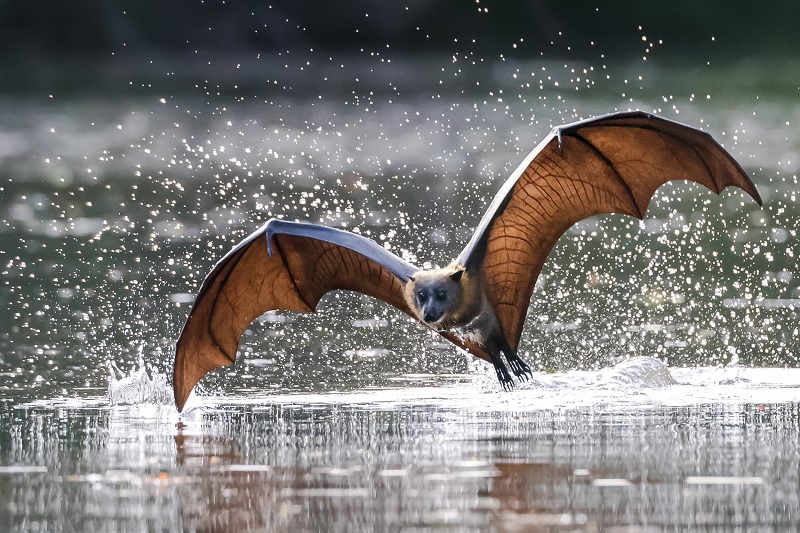
In contrast, bat wings are formed from a thin membrane of skin called the patagium, which stretches between elongated finger bones and connects to the bat’s body and legs. This flexible skin allows bats to maneuver with remarkable agility and precision, especially in tight spaces like caves or dense forests. Unlike birds, bats have solid bones and are covered in fur, not feathers. Their wing fingers act almost like individual control surfaces, giving bats a unique flying style that differs significantly from the smooth, feathered strokes of birds.
Differences in Reproduction and Physiology
Reproductive and physiological differences further separate bats and birds. Bats, as mammals, give birth to live young and nurse their offspring with milk produced by mammary glands. Their reproductive cycle involves internal fertilization and typically longer periods of parental care. Bats also have hair or fur, which provides insulation and helps regulate body temperature.
Birds reproduce by laying hard-shelled eggs externally, usually in nests. After laying eggs, bird parents incubate them using body heat until hatching. Birds have feathers that serve multiple purposes, including flight, temperature regulation, and communication. Their respiratory system is highly specialized, featuring air sacs that allow for continuous airflow through their lungs, optimizing oxygen intake during flight.
Physiologically, bats and birds are both warm-blooded but regulate their body temperatures differently. Bats can enter torpor—a state of reduced metabolic rate—to conserve energy during cold or food-scarce periods, while birds maintain a consistently high metabolism to support their active lifestyles.
Similarities Between Bats and Birds
Though bats and birds belong to entirely different classes of animals, they share several interesting similarities, especially related to their adaptations for flight and certain behaviors. These common traits reveal how nature often finds similar solutions to similar challenges, even in very different species.
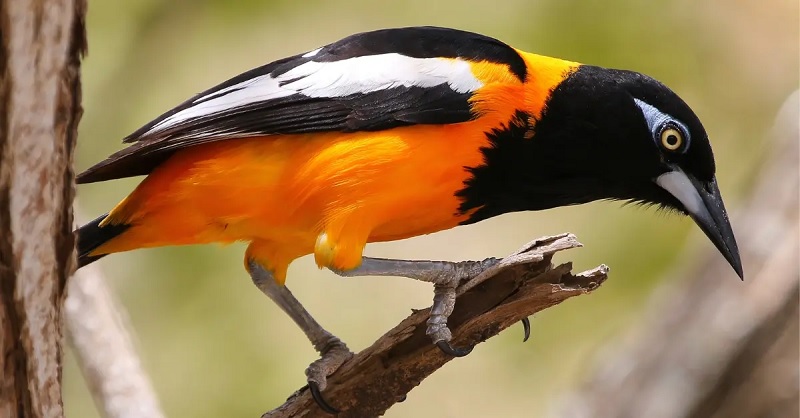
Adaptations for Flight
Both bats and birds have evolved remarkable adaptations that allow them to take to the skies. Flight demands strong muscles, lightweight bodies, and specialized structures, and both groups have developed these traits to thrive in aerial environments.
Birds have feathers, which provide lift and streamline their bodies, while bats use a thin membrane stretched over elongated fingers to form their wings. Despite these structural differences, both wings serve the essential function of enabling powered flight. Both animals also possess strong pectoral muscles that power their wing movements, allowing sustained flight and complex maneuvers.
In addition, bats and birds have efficient respiratory and circulatory systems to support the high energy demands of flying. Birds have a unique system of air sacs that allows continuous airflow through their lungs, optimizing oxygen intake. Similarly, bats maintain a high metabolism and excellent oxygen circulation, crucial for their active flying lifestyle. Both groups maintain warm-blooded metabolisms to support the energy-intensive activity of flight.
Behavioral Similarities
Beyond physical adaptations, bats and birds share certain behavioral traits that aid their survival. Both are often highly social animals. Many species of bats roost in large colonies, just as numerous bird species form flocks. Social living offers advantages like enhanced protection from predators and improved foraging efficiency.
Navigation is another shared behavior. Birds famously migrate long distances, guided by the sun, stars, and Earth’s magnetic field. Bats, too, show impressive navigational skills. While birds primarily rely on visual cues, many bats use echolocation—a form of biological sonar—to navigate and hunt in the dark. This allows them to exploit nocturnal niches that most birds avoid.
Communication plays a key role for both bats and birds. Birds use songs and calls to mark territory, attract mates, and coordinate flock behavior. Bats emit a variety of sounds, including social calls and echolocation clicks, to interact with each other and navigate their environments.
Frequently Asked Questions
Are Bats And Birds Closely Related?
No, bats and birds are not closely related. While both can fly, they come from entirely different evolutionary lineages. Birds belong to the class Aves and evolved from theropod dinosaurs, making them modern-day reptiles. Bats, on the other hand, are mammals in the class Mammalia and evolved from small, insect-eating placental mammals. Their ability to fly is a result of convergent evolution, meaning they developed similar traits independently to adapt to similar environments. So, even though they share the skies, their ancestry is quite different.
Why Do Bats And Birds Look Similar If They’re Not Related?
Bats and birds appear similar because both have wings and can fly, but this is due to functional similarity, not shared ancestry. This phenomenon is called convergent evolution, where unrelated species evolve similar traits to survive in similar ecological roles. Both have lightweight bodies, strong chest muscles, and wings—but bird wings are made of feathers on a rigid skeleton, while bat wings are made of skin stretched over elongated fingers. Their similarities help them achieve the same goal—flight—but their internal structures and evolutionary origins are distinct.
Do Bats Lay Eggs Like Birds?
No, bats do not lay eggs. Unlike birds, which reproduce by laying hard-shelled eggs, bats are mammals and give birth to live young. Female bats carry their developing babies inside their bodies and nurse them after birth using mammary glands. This is one of the defining traits of mammals. Birds, in contrast, incubate their eggs externally, often in nests, and care for their chicks after hatching. So, their reproductive systems are one of the clearest differences between the two.
What Are The Main Differences Between Bat And Bird Wings?
The wings of bats and birds are different in both structure and function. Bird wings are made from modified forelimbs covered with feathers. Their bones are lightweight and often hollow to help with flight. In contrast, bat wings consist of a thin membrane of skin stretched between elongated fingers, reaching down to their legs and sometimes tails. This gives bats more flexible and maneuverable wings compared to birds. While both types of wings allow flight, their designs evolved separately and serve different flying styles.
Can Bats And Birds Understand Each Other Or Interact?
Bats and birds generally do not interact or communicate with each other in meaningful ways. They occupy different ecological niches and often operate at different times—bats are mostly nocturnal, while many birds are active during the day. Their communication methods also differ: birds use songs and calls, often relying on visual and auditory cues, while bats use echolocation to navigate and hunt. While they may share the same habitat, their behaviors and sensory systems are so different that meaningful interaction is unlikely.
Conclusion
While bats and birds both possess the remarkable ability to fly, they are not closely related. Birds are feathered reptiles from the class Aves, evolved from dinosaurs, while bats are mammals in the class Mammalia, evolved from early placental mammals. Their similarities, such as wings and flight, are the result of convergent evolution, not shared ancestry.
From their bone structure and reproduction to their physiology and behavior, bats and birds differ in many fundamental ways. Understanding these differences highlights how nature can shape similar traits in entirely different creatures. So, despite their shared sky-bound lifestyle, bats and birds are distant relatives on the evolutionary tree, each with a unique story of adaptation and survival.