
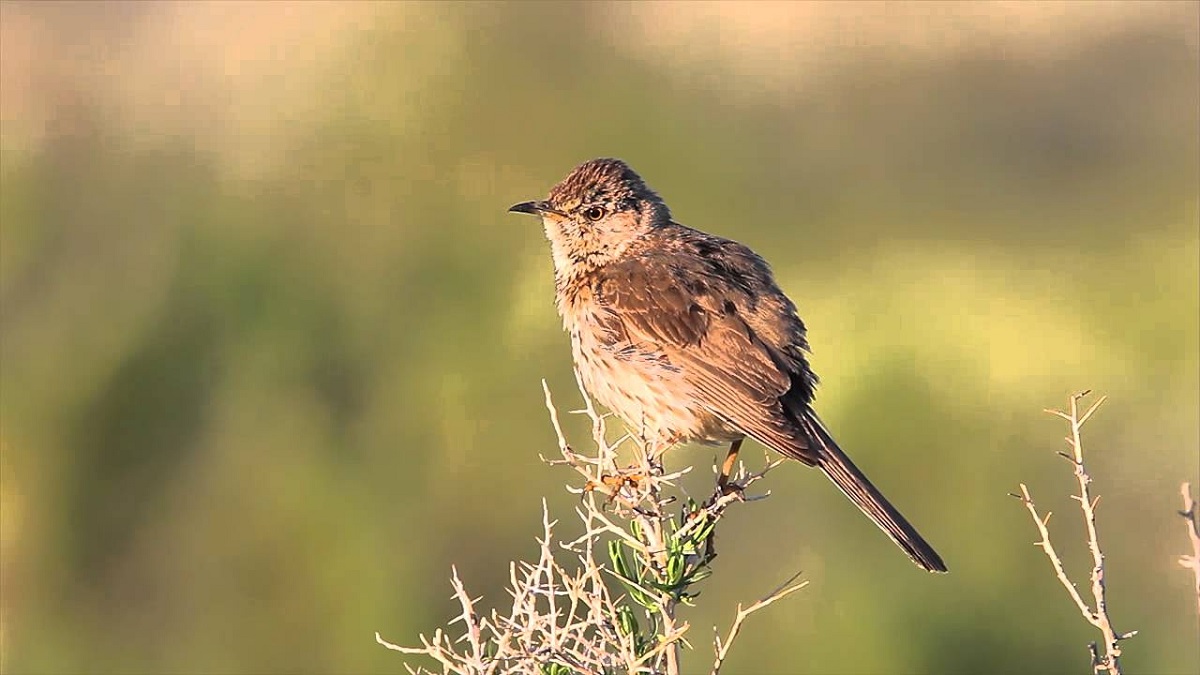
Every year during the Masters Tournament, viewers can’t help but notice the soothing symphony of bird songs that fills the air between shots. It’s a signature part of the broadcast that adds to the serene, almost magical atmosphere of Augusta National. But a growing number of fans have started asking a curious question: are bird noises at Masters real? With the sounds seeming a little too perfect, some suspect they might be artificially added to enhance the ambiance.
The debate has sparked interest among golf fans, audio engineers, and nature enthusiasts alike. While Augusta is home to many native bird species, the timing and clarity of the chirps during broadcasts often feel suspiciously well-placed. This has led to speculation about whether producers are using pre-recorded bird sounds to help craft the idyllic viewing experience we all associate with the Masters. Let’s explore what’s really going on behind those familiar chirps.
The Mystery of Bird Sounds at The Masters
The mystery of bird sounds at The Masters has intrigued golf fans for years. During the tournament, perfectly timed and crystal-clear bird chirps echo through the broadcast, creating an almost surreal sense of calm. While Augusta National is known for its natural beauty, the sounds often seem too flawless to be purely organic. This has led many to wonder: are they real or enhanced for effect? The question continues to spark curiosity every time Masters week rolls around.

Why the Sounds Stand Out
One of the most iconic elements of watching The Masters isn’t just the lush greens or the precision of golf’s top players—it’s the calming background of bird songs that fills the broadcast. These bird noises are so crisp, so well-timed, and so constant that they often steal the attention of even the most seasoned viewers. Unlike other tournaments, where ambient crowd noise, wind, or distant traffic can be heard, The Masters feels like a retreat into nature.
What makes the bird sounds truly stand out is their almost cinematic quality. Each chirp seems perfectly placed, often heard during quiet moments between shots, enhancing the tranquility of the event. The clarity is so striking that some people have described the sounds as “too perfect to be real.” Augusta National Golf Club is indeed rich in natural beauty and wildlife, but the precision and consistency of these bird calls have raised more than a few eyebrows over the years.
Audience Reactions Over the Years
Over time, fans have taken to social media and forums to question the authenticity of these sounds. Every year, someone reignites the debate by asking: Are the bird noises at the Masters real? For some, the question is a light-hearted curiosity. For others, it’s a serious suspicion that The Masters might be using recorded bird calls to maintain a polished image of serenity.
A memorable moment came in 2001 when CBS golf analyst Gary McCord, known for his humor, suggested that the bird sounds might be piped in. That comment sparked years of speculation and even jokes across golf fan communities. Some audio experts have chimed in over the years, noting that a few of the bird calls heard during broadcasts don’t even match species commonly found in Georgia, adding more fuel to the fire.
Despite the questions, there’s no official confirmation that bird sounds are added artificially. Broadcasters remain quiet on the subject, and Augusta National is famously private about the details of its event presentation. Whether real or enhanced, the bird songs at The Masters have become part of the tournament’s signature charm—one that leaves many still wondering, and listening a little more closely every April.
Origins of the Controversy
The origins of the controversy over bird sounds at The Masters began with a casual remark by CBS commentator Gary McCord, who joked that the chirping birds might be fake. That comment sparked years of speculation, especially as viewers noticed bird calls that didn’t match species native to Augusta. Media investigations have pointed out unusual audio patterns, but Augusta National and CBS have never confirmed or denied the use of artificial sounds—leaving fans to wonder what’s truly behind the iconic chirps.
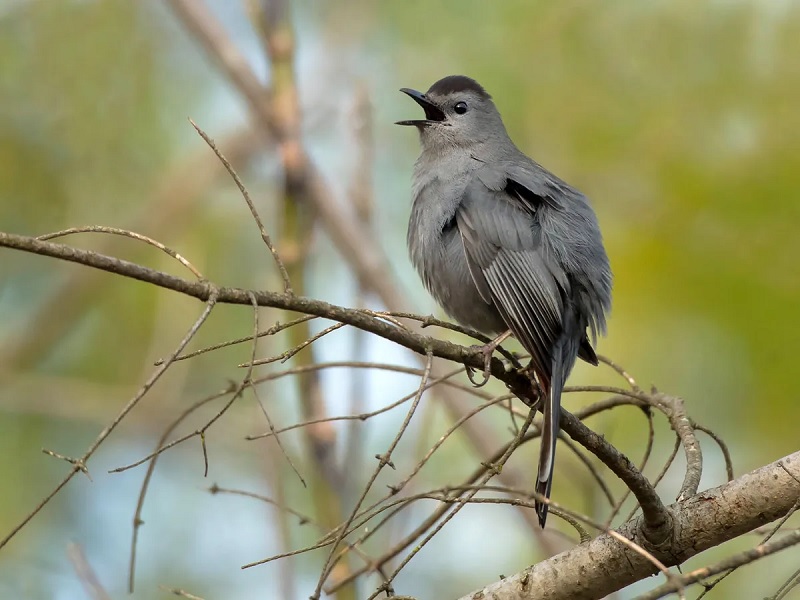
Early Claims of Artificial Bird Sounds
The question surrounding the authenticity of bird sounds at The Masters didn’t emerge overnight—it slowly built momentum over the years as viewers began to notice how unusually perfect the audio seemed. The first real spark came when CBS commentator Gary McCord joked in the early 2000s that the bird sounds might be fake. His light-hearted remark wasn’t just humorous—it resonated with something many viewers had already been wondering. The chirps were so clean, so well-placed during moments of silence, that people started questioning whether the serene soundtrack was too good to be true.
The controversy grew quietly but steadily. Golf fans began comparing bird sounds from The Masters to real bird calls and noticed that some of the species heard during the broadcast weren’t native to the Augusta, Georgia region. This fueled speculation that broadcasters may be inserting pre-recorded bird sounds into the feed to create an enhanced experience for viewers at home. Though no one at the time could confirm anything, the seeds of doubt had been planted.
Media Investigations and Reports
As curiosity grew, so did journalistic interest. Several media outlets began digging deeper into the mystery. Over the years, investigations by nature experts and sports journalists have attempted to uncover the truth behind the iconic bird sounds. Some pointed out specific bird calls, like that of the Kiskadee—a bird native to South America—that were oddly heard during the tournament. This kind of mismatch added weight to claims that the sounds might not be live at all.
In response, CBS and Augusta National have remained notably silent. Neither has officially admitted to using artificial bird sounds, but neither has definitively denied it either. The lack of transparency has only added more intrigue to the controversy. Audio engineers and sound designers have speculated that ambient tracks could be subtly layered into the broadcast to create a continuous, calm atmosphere.
Despite the speculation and partial evidence, there’s still no concrete proof that bird sounds during The Masters are fake. But the combination of suspicious bird calls, media reports, and a decades-long silence from officials continues to stoke debate. Whether genuine or enhanced, the bird songs have become part of the tournament’s identity—one that’s as carefully manicured as Augusta’s fairways and as quietly controversial as it is calming.
Technology and Broadcasting at The Masters
Technology and broadcasting at The Masters are renowned for their precision and polish, creating an almost cinematic viewing experience. CBS, in partnership with Augusta National, uses advanced microphones and careful sound design to capture every detail—including the now-famous bird sounds. While some believe these chirps are enhanced or pre-recorded, neither the network nor the club has confirmed it. What’s certain is that the serene audio adds to the charm and mystique of golf’s most iconic tournament.
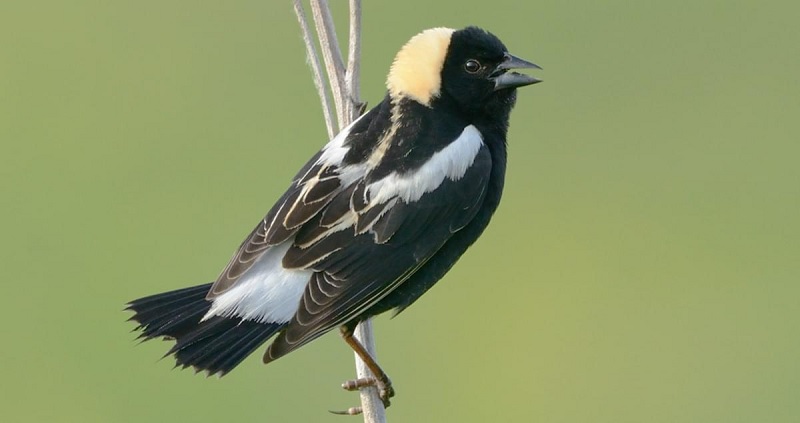
Use of Augmented Sound in Sports Broadcasting
In the world of modern sports broadcasting, enhanced audio isn’t just common—it’s often expected. Broadcasters routinely use augmented sounds to improve the viewer experience, from crowd noise pumped into empty stadiums to microphones that amplify the crack of a bat or the thud of a tackle. These practices aim to bring the audience closer to the action and create an immersive atmosphere that mirrors the energy of being there in person.
Augmented sound has long been used to subtly influence the emotional tone of broadcasts. In golf, where quiet and focus are key, audio enhancements lean more toward calming ambient noises—rustling trees, soft breezes, and yes, bird songs. This makes golf one of the more likely sports where audio can be refined to promote a specific mood. The Masters, with its rich tradition and picturesque setting, is a prime candidate for this level of production care, which is why the soundscape has come under scrutiny.
CBS and Augusta National’s Audio Practices
CBS, the longtime broadcaster of The Masters, is known for its high production values and tight collaboration with Augusta National Golf Club. Together, they have created one of the most polished presentations in all of sports. From sweeping camera angles to hushed commentary, every detail is carefully crafted—including the audio. However, this attention to detail is exactly why so many have raised eyebrows about the authenticity of the bird sounds.
While neither CBS nor Augusta National has officially addressed whether bird sounds are pre-recorded, they have been notably protective of the broadcast’s image and consistency. Technicians use high-quality parabolic microphones placed around the course, which are capable of picking up distant ambient sounds like bird chirps. However, the consistent volume and clarity of those sounds suggest possible mixing or enhancement in post-production or live-feed layering.
Adding to the mystery, some experts have pointed out bird calls in the broadcast that don’t match any species native to Georgia. This has led to speculation that a curated sound library could be used during quieter moments to maintain the tranquil, idyllic setting viewers associate with The Masters.
Expert Opinions and Analysis
Experts have weighed in on the bird sounds at The Masters with intriguing insights. Ornithologists point out that some calls heard during the broadcast don’t match local species, suggesting possible artificial additions.
Meanwhile, audio engineers explain that enhancing ambient sounds is common in sports broadcasting to improve viewer experience. They highlight that natural sounds can be mixed with prerecorded clips for clarity. Together, these perspectives keep the debate alive while acknowledging the role of sound in creating the tournament’s serene atmosphere.
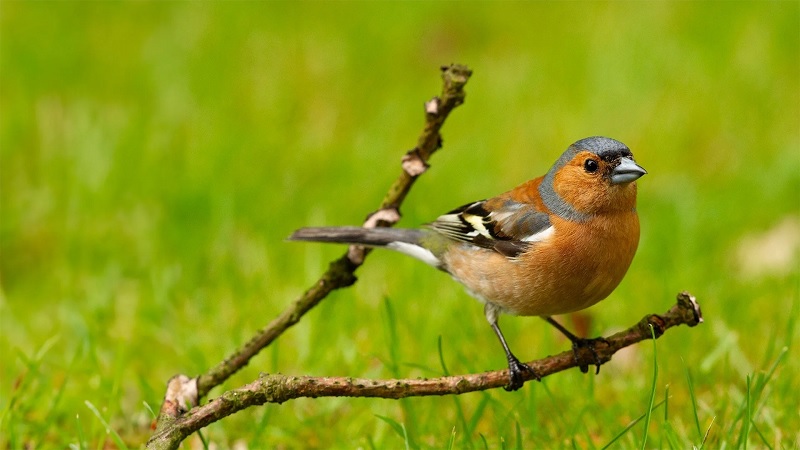
Ornithologists Weigh In
Ornithologists, experts in bird behavior and identification, have played a key role in examining the mystery of the bird sounds at The Masters. Several have analyzed recordings from the tournament and noted inconsistencies with the local bird population of Augusta, Georgia. For instance, some bird calls heard during the broadcast don’t correspond with species native to the area, such as tropical or South American birds that simply wouldn’t be found on the course. This raised eyebrows and fueled speculation that some of the sounds might be artificially added.
However, many ornithologists also acknowledge that Augusta National is a lush, wooded environment that naturally attracts a variety of bird species. The timing of certain bird calls during broadcast pauses could be perfectly natural, especially in springtime when birds are more vocal. Still, the clarity and volume of the bird sounds sometimes seem exaggerated compared to what someone would hear onsite. This balance between natural possibility and odd anomalies has kept the debate alive among bird experts and golf fans alike.
Audio Engineers’ Perspectives
Audio engineers who specialize in sports broadcasting offer another fascinating angle on the controversy. They explain that enhancing ambient sounds is a common practice used to enrich the viewing experience. For an event like The Masters, where the atmosphere is calm and refined, layering in subtle sound effects—like birds chirping—can help maintain a peaceful environment, especially during quieter moments when crowd noise is minimal.
These professionals note that parabolic microphones placed around the course capture natural sounds, but those sounds can be selectively amplified or mixed with prerecorded clips for consistency and clarity. This technique helps avoid awkward silences or background noises that might distract viewers. Some audio experts have even suggested that certain bird calls in the broadcast could come from curated sound libraries, chosen to create the perfect sonic backdrop.
Are the Birds Real or Edited In?
The question of whether the bird sounds at The Masters are real or edited in remains a topic of debate. Many believe the chirps are natural, captured live in Augusta’s rich, springtime environment with sensitive microphones. However, others point to the perfect timing and occasional calls of non-native species as evidence of artificial enhancement. While neither CBS nor Augusta National has confirmed anything, these iconic bird sounds continue to add a serene and memorable layer to the tournament’s atmosphere.
Evidence Supporting Natural Bird Sounds
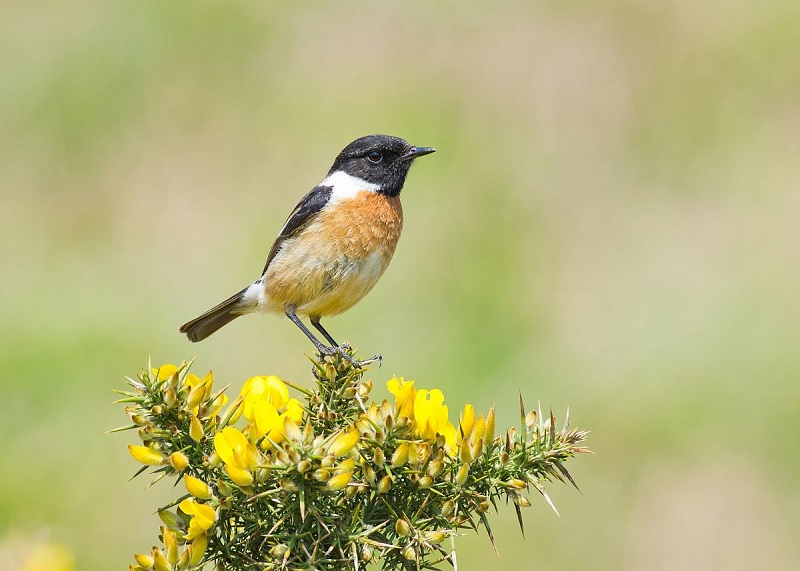
Many viewers and experts believe the bird sounds at The Masters are genuine and captured live on the course. Augusta National Golf Club is renowned for its stunning natural landscape, home to diverse bird species native to the region. The tournament takes place in spring, a season when birds are especially active and vocal, making it plausible that the chirping heard during broadcasts is authentic.
High-quality parabolic microphones positioned strategically around the course pick up subtle ambient noises, including bird calls. Supporters of this view argue that the richness of natural soundscapes at Augusta creates an atmosphere that simply can’t be perfectly replicated with recordings. Additionally, live audio naturally fluctuates in volume and tone, which some attentive listeners have noted in the Masters broadcasts.
Arguments for Artificial Enhancement
On the other hand, several factors have fueled speculation that the bird sounds might be artificially enhanced or even partially prerecorded. Observers point to the uncanny consistency and clarity of the chirps, which often seem perfectly timed to fill quiet moments between shots. Some have identified bird calls during the broadcast that don’t align with species indigenous to Georgia, suggesting that curated sound effects could be in use.
Audio experts confirm that mixing natural sounds with prerecorded clips is common practice in sports broadcasting to ensure an immersive, controlled experience. This technique prevents distracting silences and helps maintain a calm ambiance. Critics argue that such enhancements, while subtle, serve to elevate the broadcast’s production value by smoothing out natural irregularities and crafting a more polished, idyllic soundscape.
The Role of Ambience in The Masters Experience
The ambience at The Masters plays a vital role in creating its unique and immersive viewing experience. Soft bird songs, gentle rustling leaves, and natural sounds provide a calming backdrop that balances the tournament’s intensity. This carefully crafted soundscape enhances viewer engagement and makes the event feel intimate and serene. Over time, these ambient sounds have become an iconic part of The Masters’ tradition and branding, contributing to its prestigious and timeless atmosphere cherished by fans worldwide.
How Sound Enhances Viewing
The ambience at The Masters plays a crucial role in shaping the viewing experience, elevating it beyond just a golf tournament to something more immersive and almost cinematic. Sound is a powerful tool used to create atmosphere, and at The Masters, the gentle bird songs, soft rustling leaves, and subtle environmental noises work together to transport viewers directly onto Augusta National’s pristine grounds.
These natural sounds offer a calming backdrop that contrasts sharply with the tension and excitement of the competition, helping viewers feel relaxed and connected to the serene setting. This careful layering of audio encourages a deeper emotional engagement, making the tournament not just about scores but about the overall experience of the game.
The use of ambient sounds also helps fill quiet moments in play without disrupting the concentration demanded by golf. It keeps the broadcast dynamic and inviting, even during pauses, ensuring viewers remain engaged. In this way, sound serves as a bridge between the action on the course and the audience at home, making the Masters feel like an intimate, shared experience rather than a distant event.
The Tradition and Branding of The Masters
Ambience at The Masters has become part of the tournament’s unique identity and tradition. Over the decades, the combination of lush visuals and signature sounds—especially the iconic bird calls—has been ingrained in the public’s perception of the event. This auditory branding helps distinguish The Masters from other golf tournaments, reinforcing its status as the sport’s most prestigious and revered competition.
Augusta National has meticulously crafted this experience, blending natural beauty with careful presentation to create a timeless atmosphere. The soundscape is as deliberate as the immaculate course maintenance and the tournament’s rituals, from the green jacket ceremony to the ceremonial tee shots. Together, these elements form a cohesive brand that speaks to tradition, excellence, and exclusivity.
Frequently Asked Questions
Are Bird Noises At Masters Real Or Artificial?
You might wonder whether the bird noises you hear during The Masters are real or artificially added. While Augusta National is home to many birds, the sounds you hear on broadcast are sometimes enhanced or mixed with prerecorded clips to create a consistent and calming atmosphere. This blending helps maintain the serene mood during quiet moments, but many of the bird calls are indeed captured live on the course.
Why Do Bird Sounds At Masters Seem So Perfect?
The bird sounds at The Masters often seem too clear and well-timed to be natural. This is because broadcasters use advanced microphones and audio mixing techniques to amplify and sometimes layer bird calls for a balanced and pleasant listening experience. The aim is to avoid distracting silence or unwanted noises, making the tournament feel more immersive and peaceful for viewers.
Has Anyone Confirmed If Bird Noises Are Edited At The Masters?
Neither CBS, the primary broadcaster, nor Augusta National has officially confirmed or denied whether bird sounds are edited or enhanced. They keep production details private, which keeps the mystery alive. However, industry experts and fans alike recognize that subtle audio enhancements are common in sports broadcasting, including at The Masters.
Do Bird Noises At The Masters Match Local Species?
Some bird calls heard during The Masters broadcast don’t perfectly match the species native to Augusta, Georgia. This has led to speculation that prerecorded or curated bird sounds might be used. However, the course is a natural habitat for many birds, so much of the audio is likely authentic, but selectively enhanced or supplemented.
How Does The Use Of Bird Sounds Affect The Viewing Experience?
Bird sounds contribute significantly to the calm and elegant atmosphere The Masters is known for. They fill quiet moments without breaking concentration and help viewers feel connected to the natural beauty of Augusta National. Whether live or enhanced, these sounds create a relaxing environment that enhances your enjoyment of the tournament.
Are Bird Sounds Commonly Enhanced In Sports Broadcasts?
Yes, enhancing ambient sounds like bird chirps, crowd noise, or environmental effects is a common practice in sports broadcasting. This technique improves the overall audio quality and helps maintain an engaging atmosphere. At The Masters, this practice supports the event’s refined image by highlighting the peaceful, nature-filled setting, making your viewing experience more memorable.
Conclusion
The question of whether bird noises at The Masters are real continues to intrigue fans and experts alike. While Augusta National is naturally rich in birdlife, the clarity and perfect timing of the chirps heard during broadcasts suggest some level of audio enhancement or mixing may be involved. Neither CBS nor Augusta National has officially addressed this, leaving the mystery alive.
Regardless of their origin, these bird sounds play a vital role in creating the serene and immersive atmosphere that defines The Masters experience. They help connect viewers to the natural beauty of the course and contribute to the tournament’s unique charm. Whether real or enhanced, the bird noises remain an iconic and cherished part of golf’s most prestigious event.