
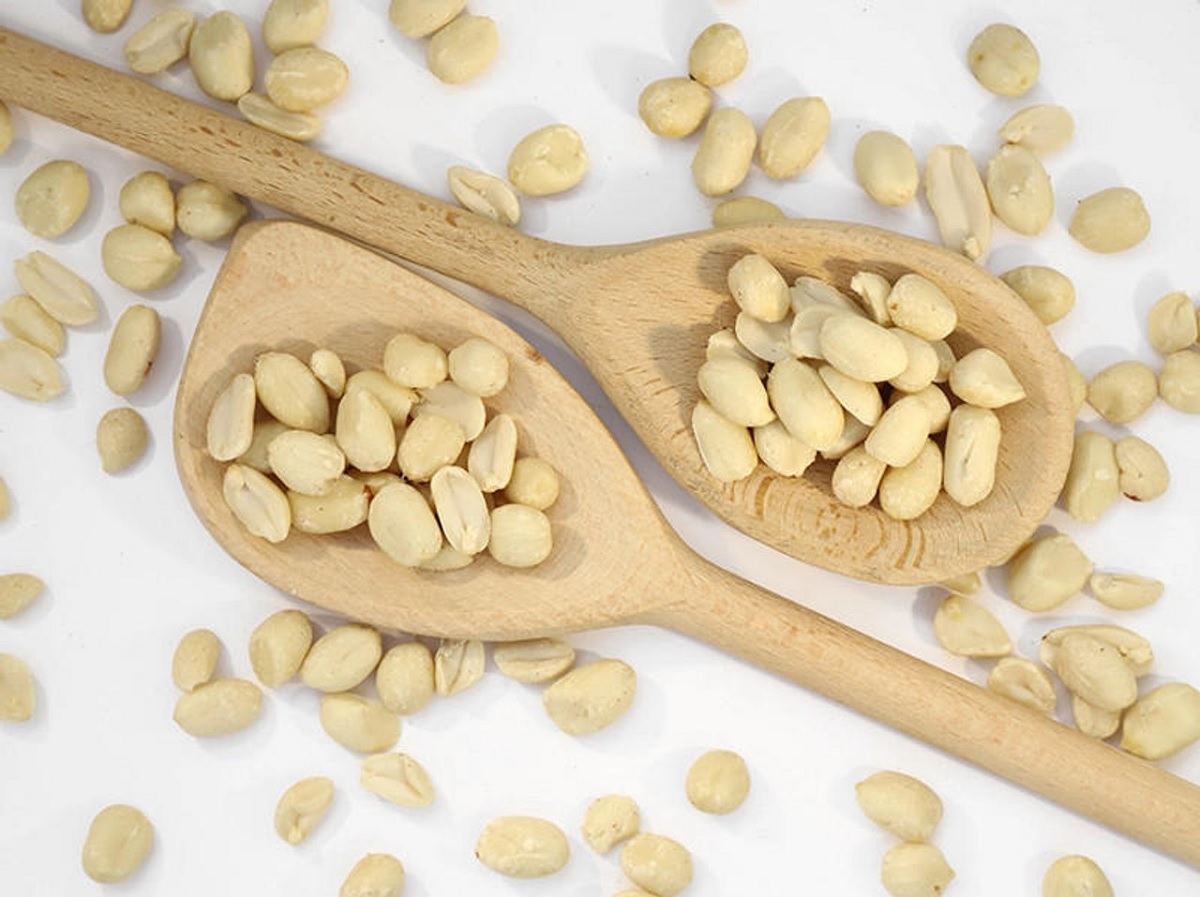
When it comes to sharing snacks with our feathered friends, many people wonder, are bird peanuts safe for humans? Bird peanuts, often sold as a staple in bird feeders, are specially prepared to attract and nourish various bird species. But what about us? Can we safely eat these peanuts, or do they pose any health risks? This question is more common than you might think, especially for those who enjoy the convenience of buying bird peanuts and might be curious if they’re suitable for human consumption.
In this introduction, we’ll explore what makes bird peanuts different from regular peanuts, if they meet food safety standards for humans, and whether it’s advisable to eat them. Understanding the safety of bird peanuts for humans can help avoid any unwanted health issues and clarify whether these treats should stay strictly for the birds or if they have a place in our snack pantry as well.
What Are Bird Peanuts?
Bird peanuts are a popular choice for feeding wild birds, prized for their high protein content and ability to attract a wide variety of species. Unlike the peanuts we typically find in grocery stores for human consumption, bird peanuts are specifically selected and processed to meet the needs of wild birds. They come in different forms, such as whole shelled, unshelled, raw, or roasted, depending on the supplier and the intended bird species. Offering bird peanuts can support birds through seasons when natural food sources are scarce, making them an important supplement in backyard bird feeding.

Types of Peanuts Used for Birds
There are several types of peanuts used as bird feed, each suited for different bird species and feeding preferences. Raw peanuts are peanuts in their natural state without any roasting or additional processing, retaining all the natural oils and nutrients birds need. Shelled peanuts have their outer shells removed, making it easier for smaller birds to access the nut meat inside.
On the other hand, unshelled peanuts keep their hard outer shells intact, which larger birds like jays and woodpeckers can crack open with ease. Some bird peanuts are lightly roasted, which can enhance flavor and extend shelf life, but this type is less common because roasting may reduce some nutrients beneficial to birds. Different bird species tend to prefer different forms of peanuts; larger birds usually enjoy unshelled peanuts, while smaller birds find shelled peanuts more accessible.
How Bird Peanuts Are Processed
The processing of bird peanuts is designed to ensure safety and quality for wild birds through several careful steps. First, raw peanuts are thoroughly cleaned to remove dirt, debris, and any contaminants. Next, the peanuts are sorted by size and quality to maintain consistency and eliminate any damaged or moldy nuts, which could be harmful to birds. After sorting, peanuts may be dried to reduce moisture content, which helps prevent mold growth during storage. In some cases, bird peanuts are lightly roasted to extend their shelf life and reduce the risk of fungal contamination, though this is optional.
Finally, the peanuts are packaged in bird-safe containers or bags that protect them from moisture and pests. The key goal during processing is to maintain the peanuts’ nutritional value while ensuring they remain safe and appealing to birds. Unlike peanuts meant for human consumption, bird peanuts might not be subject to the same strict regulations regarding pesticide residues or aflatoxin levels, but reputable bird feed suppliers work to minimize these risks to protect wild birds’ health.
Are Bird Peanuts Safe for Human Consumption?
Many people who enjoy feeding birds often wonder, are bird peanuts safe for human consumption? While bird peanuts might look similar to the peanuts we eat, there are important differences in how they’re processed and handled. Understanding these differences, along with potential risks, can help you decide whether eating bird peanuts is a safe choice or something best left to the birds.

Nutritional Comparison: Bird Peanuts vs. Regular Peanuts
Nutritionally, bird peanuts and regular peanuts share many similarities. Both types are rich in protein, healthy fats, and essential vitamins and minerals such as vitamin E, magnesium, and niacin. However, bird peanuts are typically raw or only lightly processed to preserve nutrients favored by birds, while regular peanuts for human consumption often undergo roasting, blanching, and additional quality control measures. This processing can affect texture and flavor but also reduces certain natural compounds that might affect digestibility. Despite their nutritional similarities, bird peanuts are not typically intended or tested for human consumption, which leads to some safety concerns.
Potential Risks of Eating Bird Peanuts
Eating bird peanuts comes with potential risks. Since bird peanuts are processed with birds in mind, not humans, they may not meet the same hygiene and safety standards as food-grade peanuts. This means the risk of contamination with molds, bacteria, or aflatoxins—naturally occurring toxins produced by certain fungi—can be higher. These contaminants pose serious health risks, especially with prolonged exposure or consumption of large quantities.
Contamination Concerns
One of the biggest concerns with bird peanuts is contamination. Peanuts used as bird feed might be stored or transported in conditions where moisture or pests can introduce mold or bacteria. While suppliers often clean and sort peanuts to reduce contamination, the standards don’t always align with human food safety regulations. Aflatoxins, in particular, are a major worry since they are carcinogenic and can cause liver damage. Because bird peanuts may not undergo rigorous testing, the chance of aflatoxin presence could be greater compared to peanuts sold for human consumption.
Allergies and Sensitivities
Like regular peanuts, bird peanuts can trigger allergic reactions in sensitive individuals. Peanut allergies range from mild to life-threatening, so anyone with known peanut allergies should avoid bird peanuts altogether. Even without allergies, some people may experience digestive discomfort or sensitivities if eating bird peanuts, especially since these nuts might contain residues or contaminants not typically found in food-grade peanuts.
Regulations and Safety Standards
Regulations for bird peanuts differ significantly from those for peanuts intended for humans. Human food products must adhere to strict safety standards and inspections regarding pesticide residues, aflatoxin levels, and hygiene practices. Bird peanuts, however, are generally regulated under animal feed guidelines, which are less stringent. This means there’s no guarantee bird peanuts meet the rigorous criteria required for safe human consumption. For these reasons, it’s generally advised to avoid eating bird peanuts and stick to products specifically labeled and tested for human consumption.
Differences Between Bird Peanuts and Human-Grade Peanuts
While bird peanuts and human-grade peanuts may appear similar at first glance, there are important differences in their quality, handling, packaging, and storage that set them apart. Understanding these distinctions is key to knowing why bird peanuts are generally not recommended for human consumption, and why human-grade peanuts meet higher safety and quality standards.
Quality and Handling Differences
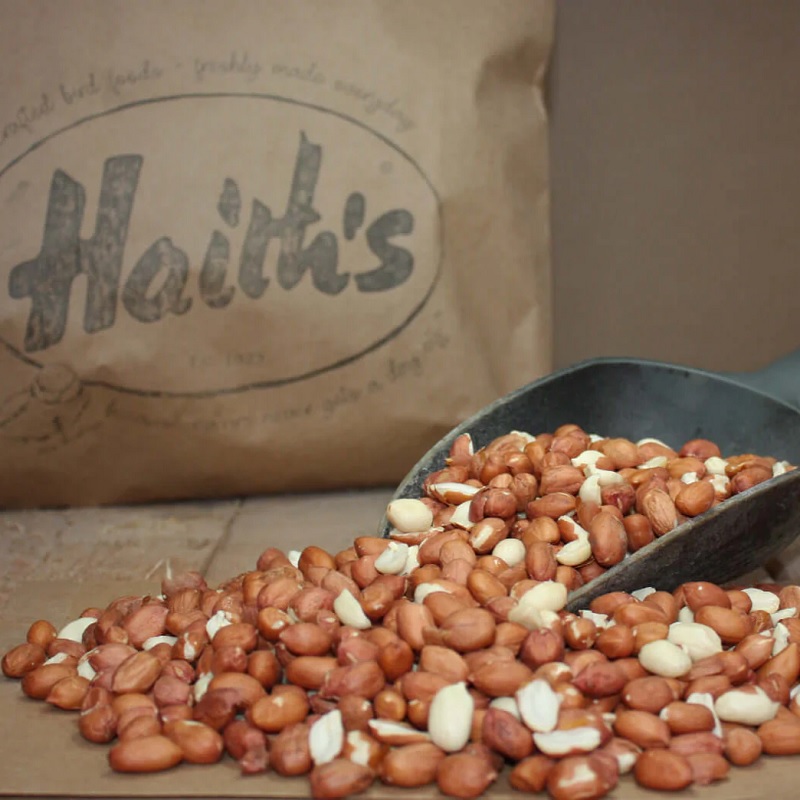
The primary difference between bird peanuts and human-grade peanuts lies in their quality and how they are handled during processing. Human-grade peanuts undergo rigorous inspections and quality control processes to ensure they are safe, clean, and free from contaminants. This includes thorough sorting to remove damaged or moldy peanuts, testing for aflatoxins (toxic compounds produced by certain molds), and adherence to strict hygiene standards during processing. These steps help protect consumers from foodborne illnesses and allergic reactions.
Bird peanuts, on the other hand, are processed with less stringent standards. Since they are intended for wildlife, the regulations governing bird peanuts focus mainly on preventing obvious hazards to birds, but may not fully address human food safety concerns. For instance, bird peanuts might be less carefully sorted, increasing the risk of mold or fungal contamination. Additionally, bird peanuts often retain their shells and may be sold raw or only lightly roasted, which may not eliminate all potential pathogens.
Handling practices also differ. Human-grade peanuts are typically processed in facilities certified for food safety, while bird peanuts may be handled in environments that do not meet the same hygiene criteria. This can increase the chances of contamination with dust, dirt, or microorganisms unsuitable for human consumption.
Packaging and Storage Considerations
Packaging and storage are another area where bird peanuts and human-grade peanuts diverge significantly. Human-grade peanuts are packaged in food-safe materials designed to preserve freshness, prevent contamination, and protect against moisture and pests. The packaging is usually sealed and labeled with nutritional information, expiration dates, and safety certifications, providing transparency and confidence for consumers.
Bird peanuts, however, are often packaged more simply, with less emphasis on long-term freshness or contamination prevention. The bags or containers may be made from less durable materials and might not be airtight, increasing the risk of moisture infiltration and pest exposure. Improper storage can lead to mold growth and spoilage, which poses health risks if consumed.
Because bird peanuts are frequently stored in bulk or in less controlled environments before reaching consumers, their quality can degrade faster than that of human-grade peanuts. This further highlights why bird peanuts are not recommended for human snacking.
Can Humans Eat Bird Peanuts in an Emergency?
In an emergency situation where food options are extremely limited, some people might wonder: can humans eat bird peanuts in an emergency? While bird peanuts are primarily intended for wild birds and not processed under the strict standards required for human food, there may be rare circumstances where consuming them could be considered. However, it’s important to understand the risks involved and take necessary precautions to minimize potential health issues.
Situations When It Might Be Safe
In extreme emergencies, such as natural disasters, survival scenarios, or when no other food sources are available, eating bird peanuts could provide a vital source of protein, fats, and calories. Since bird peanuts are real peanuts and nutritionally similar to human-grade peanuts, they do offer sustenance and energy.
That said, eating bird peanuts should only be a last resort when you are certain no other food is accessible. In these situations, the benefits of obtaining nutrition and energy might outweigh the potential risks of contamination or mild illness. It’s also worth noting that the risk might be lower if the bird peanuts are raw but well-preserved, show no visible signs of mold or damage, and have been stored in dry conditions.
Precautions to Take
If you find yourself in a situation where eating bird peanuts is your only option, there are several important precautions to help reduce health risks. First, inspect the peanuts carefully for any visible mold, discoloration, or unusual smells. Avoid any nuts that look damaged or have a musty odor, as these could contain harmful toxins that may cause illness. Whenever possible, roast or cook the peanuts thoroughly.
Applying heat can help kill some bacteria, molds, and parasites that might be present on raw bird peanuts, making them safer to consume. It’s also important to avoid eating large quantities. Since bird peanuts are not regulated for human consumption, consuming them in excess could increase the risk of aflatoxin exposure or cause digestive discomfort, so moderation is essential.
Additionally, after eating bird peanuts, be sure to stay hydrated and monitor yourself for any signs of illness such as nausea, vomiting, or allergic reactions. If you notice any concerning symptoms, seek medical attention promptly. Lastly, if you have a known peanut allergy or sensitivity, it is crucial to avoid eating bird peanuts entirely to prevent severe allergic reactions.
How to Prepare Bird Peanuts for Human Consumption
While bird peanuts are not specifically processed for humans, there may be situations where you want to prepare them safely for consumption. Proper preparation is essential to reduce potential health risks such as mold contamination or exposure to aflatoxins, which are toxic compounds produced by certain fungi. With careful cleaning and roasting, bird peanuts can be made safer to eat in emergencies or when no other peanuts are available.
Cleaning and Roasting
The first step in preparing bird peanuts for human consumption is thorough cleaning. Begin by sorting through the peanuts and removing any that appear damaged, shriveled, or discolored, as these are more likely to harbor mold or toxins. Rinse the remaining peanuts under cool running water to wash away dirt, dust, and potential surface contaminants. After washing, spread the peanuts out on a clean towel or baking sheet to dry completely before roasting.
Roasting is a critical step that helps improve the safety and flavor of bird peanuts. Preheat your oven to about 325°F (160°C). Spread the cleaned peanuts in a single layer on a baking sheet and roast them for 15 to 20 minutes, stirring occasionally to ensure even cooking. Roasting at this temperature can reduce the presence of harmful bacteria, molds, and parasites that might be present on raw bird peanuts. It also enhances the taste and texture, making the peanuts more palatable. After roasting, allow the peanuts to cool completely before eating or storing them.
Avoiding Mold and Aflatoxins
Mold and aflatoxin contamination are among the biggest concerns when it comes to bird peanuts. Aflatoxins are naturally occurring toxins produced by certain molds, and long-term exposure can lead to serious health problems, including liver damage and cancer. To minimize these risks, it’s important to start with bird peanuts that look fresh and free from visible mold. Always discard any peanuts that have a musty smell, unusual discoloration, or white fuzzy patches.
Proper storage is also vital to prevent mold growth after roasting. Store your prepared peanuts in an airtight container kept in a cool, dry place away from humidity. Avoid storing them for extended periods, as prolonged storage increases the chances of mold development. If you notice any signs of spoilage after storage, discard the peanuts immediately.
Alternatives to Bird Peanuts for Humans
If you’re looking for safe and tasty alternatives to bird peanuts for human consumption, there are plenty of options that offer similar nutritional benefits without the risks. Regular raw or roasted peanuts, specifically labeled for human consumption, are the best choice, as they meet strict safety and quality standards. Other nut options like almonds, cashews, and walnuts provide healthy fats and protein as well.
For those seeking peanut alternatives due to allergies or preferences, seeds such as sunflower or pumpkin seeds can also be nutritious snacks. These alternatives are widely available, thoroughly tested for safety, and come in a variety of flavors and forms, making them a much safer and more enjoyable option than bird peanuts for everyday snacking.
Frequently Asked Questions
Are Bird Peanuts Safe For Humans To Eat?
Bird peanuts are generally not considered safe for humans to eat regularly because they are processed and handled differently from peanuts intended for human consumption. While they are the same type of peanut, bird peanuts may have higher risks of contamination with molds, bacteria, or aflatoxins—harmful toxins produced by fungi. These contaminants can pose serious health risks if consumed. Therefore, it’s best to avoid eating bird peanuts unless in an emergency and after taking proper precautions like roasting and inspecting them carefully.
How Do Bird Peanuts Differ From Regular Peanuts For Humans?
The main difference lies in quality control and safety standards. Regular peanuts meant for humans undergo rigorous cleaning, sorting, and testing to ensure they are free from harmful contaminants and meet food safety regulations. Bird peanuts, however, are processed under animal feed guidelines, which are less strict. This means bird peanuts might contain dirt, mold, or toxins that wouldn’t pass human food safety standards, making them less safe for human consumption.
Can You Eat Bird Peanuts In An Emergency?
In extreme survival situations where no other food is available, you might consider eating bird peanuts. However, you should inspect them thoroughly for mold or damage and roast them well to reduce the risk of bacteria and toxins. Even then, eating bird peanuts should be a last resort because of the potential health risks. Moderation and caution are essential if you must rely on them for nutrition.
What Are The Risks Of Eating Bird Peanuts?
Eating bird peanuts can expose you to several health risks, including aflatoxin poisoning, allergic reactions, and digestive issues. Aflatoxins are toxic compounds produced by certain molds that can cause liver damage and increase cancer risk. Additionally, bird peanuts might harbor bacteria or fungi that can lead to foodborne illnesses. If you have a peanut allergy, consuming bird peanuts can trigger severe allergic reactions.
How Can You Make Bird Peanuts Safer For Human Consumption?
To reduce risks, start by sorting and discarding any peanuts that appear moldy, damaged, or smell off. Wash the peanuts thoroughly, then roast them at a temperature of around 325°F (160°C) for 15 to 20 minutes to kill potential pathogens. Proper roasting can improve safety and flavor. After roasting, store the peanuts in airtight containers in a cool, dry place to prevent mold growth.
Are There Better Alternatives To Bird Peanuts For Snacking?
Yes, there are many safer and more nutritious alternatives to bird peanuts for human snacking. Regular peanuts labeled for human consumption are your best option, as they meet strict safety standards. Other nuts like almonds, cashews, and walnuts also provide healthy fats and protein. If you prefer seeds, sunflower or pumpkin seeds can be great nutritious snacks. These alternatives are widely available, tested for safety, and free from the risks associated with bird peanuts.
Conclusion
While bird peanuts might seem like a convenient snack, they are generally not safe for regular human consumption due to differences in processing, quality control, and safety standards. Bird peanuts can carry risks such as mold contamination, aflatoxins, and bacteria that pose health hazards.
Although they share nutritional similarities with human-grade peanuts, the lack of strict testing makes them unsuitable for everyday eating. In emergency situations, if no other food is available, bird peanuts may be consumed with caution—only after thorough inspection and proper roasting. Ultimately, it’s best to stick with peanuts specifically processed and labeled for human consumption to ensure safety and enjoy their nutritional benefits without worry.