
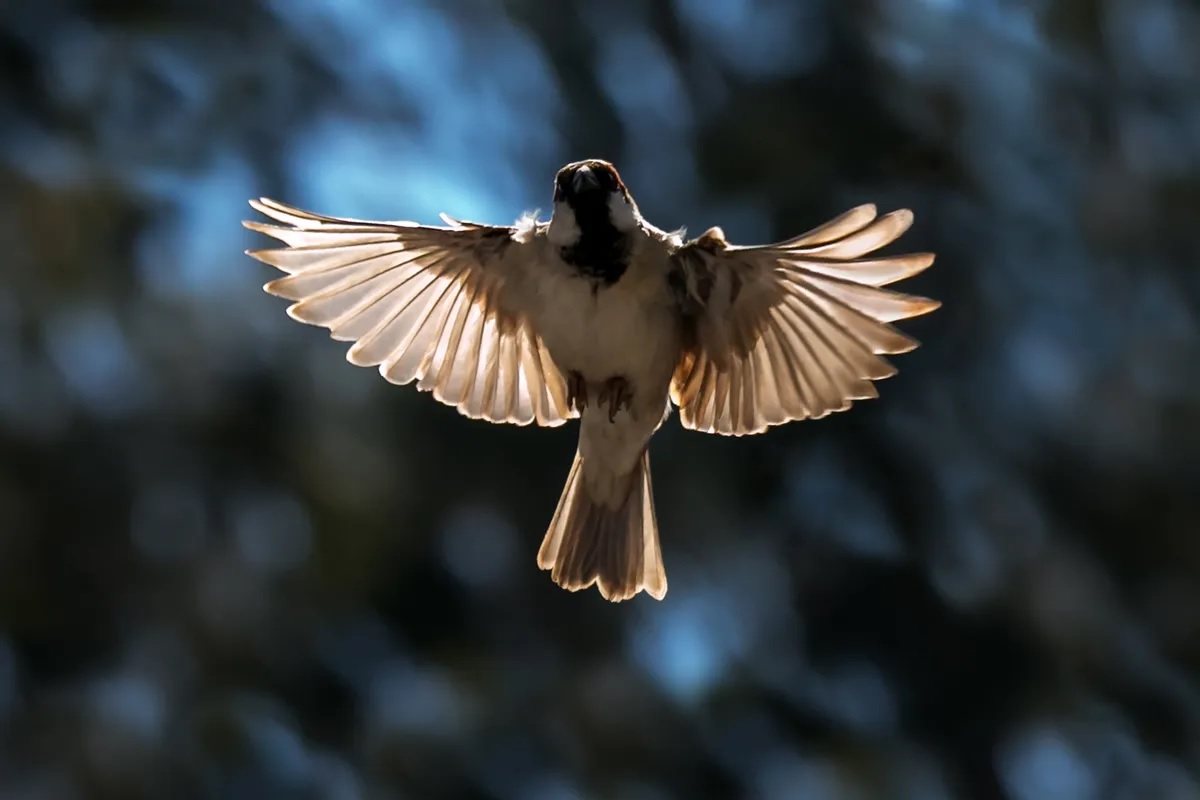
The question “are birds in the house bad luck” has intrigued many people for generations. Throughout history, birds entering homes have been seen in various lights—some cultures believe it’s a sign of good fortune, while others consider it an omen of bad luck. But what’s the real story behind this curious phenomenon? Is it simply superstition, or is there some truth to the idea that birds flying inside your home could bring misfortune?
Understanding the roots of these beliefs, as well as the practical reasons why a bird might end up inside, can help shed light on this common question. Whether you’re someone who believes in omens or just want to know if having a bird in your house could affect your luck, exploring this topic offers an interesting glimpse into how humans interpret the natural world around them. So, let’s dive into the question: are birds in the house bad luck?
Historical and Cultural Beliefs About Birds Indoors
Birds entering a home have captured human imagination for centuries. Across different cultures and historical periods, the presence of birds indoors has been interpreted through various lenses—some seeing it as a mystical sign, others as a practical concern. Understanding these beliefs helps us appreciate the rich tapestry of symbolism and superstition tied to this phenomenon.

Birds in the House in Different Cultures
In many cultures, birds found inside a house have been thought to carry specific messages or portents. For example, in some Western traditions, a bird flying into your home is often viewed as an omen, but interpretations vary. In Irish folklore, a bird inside a house could signify an impending death or bad news, while in parts of England, it might be seen as a symbol of good luck or a visitor bringing news from afar.
Conversely, Native American cultures generally regard birds as powerful spiritual messengers. A bird entering a home might be viewed positively, suggesting protection or guidance from the spirit world. In Chinese culture, birds represent happiness and good fortune, but the context matters—certain birds inside a home could either signify a blessing or a warning, depending on the species and situation.
In African traditions, the interpretation of birds indoors is diverse. Some communities believe that a bird entering the home could be a spirit in disguise or a message from ancestors. The specifics can differ greatly from tribe to tribe, but generally, these encounters are taken seriously and often linked to spiritual or supernatural realms.
Symbolism of Birds in Folklore and Mythology
Birds have long held symbolic importance in folklore and mythology worldwide. They are often seen as bridges between the earthly and the divine, given their ability to fly and move freely between sky and land. This mobility made birds natural symbols of freedom, transition, and communication with higher powers.
In Greek mythology, owls are associated with Athena and wisdom, while ravens are often connected with prophecy and mystery. Similarly, in Norse mythology, Odin’s ravens, Huginn and Muninn, symbolize thought and memory, acting as his eyes and ears across the world.
In many cultures, the type of bird matters greatly. A dove inside a home might symbolize peace and hope, while a crow or raven can be seen as an omen of death or misfortune. Folklore frequently attributes birds with the ability to carry souls or messages between the living and the dead, enhancing the idea that their presence indoors carries a deeper meaning.
These rich layers of symbolism highlight why people historically paid close attention when a bird appeared inside their home. Whether seen as a blessing or a warning, the presence of birds indoors has always stirred a powerful mix of awe, curiosity, and sometimes fear.
Common Superstitions Related to Birds in the Home
Birds appearing inside homes have long been surrounded by superstitions, many of which continue to influence how people interpret these unusual encounters today. These beliefs vary widely, often depending on the bird’s behavior, the circumstances of its arrival, or even the species involved. Let’s explore some of the most common superstitions related to birds found indoors.

Birds Flying Into the House
One of the most frequent scenarios that spark superstition is when a bird suddenly flies into a home through an open window or door. This unexpected event is often seen as an omen. In many cultures, a bird entering the house is believed to be a message or a warning. For instance, in parts of Europe, it’s said that a bird flying inside predicts a death or bad news for the household. The sudden intrusion is thought to break the boundary between the outside world and the personal space, signaling that something significant is about to happen.
On the other hand, some traditions view this event more positively. In some Native American cultures, a bird’s arrival inside the home can be interpreted as a sign of spiritual guidance or protection. It may be seen as a messenger from ancestors or a symbol of good fortune, depending on the bird and context.
Birds Dying Inside the Home
A particularly unsettling superstition revolves around a bird dying inside the house. This occurrence has often been linked with misfortune. Many believe that if a bird dies indoors, it foretells a forthcoming death or illness within the household. This belief is prevalent in several cultures, including English and Celtic folklore, where a dead bird inside the home is considered a serious bad omen.
Some superstitions extend to how the bird died and where it is found in the house. For example, if a bird dies near the front door or in a frequently used room, it may be seen as a stronger warning of imminent trouble. However, others believe that a bird’s death indoors might also represent the end of a cycle, with a hopeful outlook toward new beginnings.
Specific Birds and Their Associated Meanings
Beyond general beliefs, specific birds carry their own set of superstitions that influence how people interpret their presence indoors. Blackbirds and crows, for example, are often associated with death, mystery, and the supernatural. Their appearance inside a home is frequently linked with bad luck or warnings of impending death, which can evoke fear and unease. In contrast, doves are universally seen as symbols of peace and love. A dove inside the home is generally considered a positive omen, representing harmony, blessings, and a sense of calm.
Sparrows have a different set of associations; they are sometimes believed to bring news or messages. In certain cultures, a sparrow found indoors is seen as a sign of upcoming visitors or changes, often interpreted as a prompt to prepare for new developments in life. Owls, on the other hand, hold a dual symbolism. While traditionally linked to wisdom and knowledge, in some cultures they are also connected to death or misfortune. An owl inside the house can be a frightening omen, stirring feelings of anxiety due to its association with the unknown or the supernatural.
These superstitions highlight how the symbolic meanings assigned to birds shape our reactions when they unexpectedly enter our living spaces. While some people see these birds as warnings or harbingers of bad news, others interpret their presence as signs of hope, protection, or spiritual messages. This wide range of interpretations reflects the deep-rooted human fascination with birds and their symbolic connection to the unseen world.
Scientific and Practical Perspectives
While superstitions and cultural beliefs about birds entering homes have long fascinated people, it’s equally important to understand the scientific and practical reasons behind this behavior. Looking at birds from a biological and environmental standpoint can help demystify their presence indoors and shed light on what it really means when a bird ends up inside your living space.

Why Birds Might Enter Homes
Birds entering homes usually happen for a few practical reasons rather than mystical ones. One common reason is that birds may accidentally fly inside while searching for food or shelter. Open windows and doors, especially during warmer months, provide easy entry points for curious or disoriented birds. Sometimes, birds may be attracted by indoor plants, insects, or even the reflection of light on glass surfaces, mistaking it for open sky.
In some cases, birds might enter homes because their natural habitats are being disturbed. Urbanization and deforestation reduce the availability of safe nesting sites, leading birds to seek refuge wherever they can find it — including inside human homes. Young birds that are learning to fly may also accidentally find themselves indoors.
Another reason could be the presence of nesting materials or food sources near the home. For example, if you have bird feeders or gardens that attract insects, birds might come closer to your home and inadvertently wander inside.
Health and Safety Considerations
Although a bird flying into your house might seem harmless, there are important health and safety considerations to keep in mind. Birds can carry parasites, mites, and diseases such as histoplasmosis, which is linked to bird droppings. Having a bird inside your living space increases the risk of exposure to these health hazards.
Additionally, birds inside the home can cause damage. They may peck at furniture, curtains, or walls, and their droppings can be corrosive or stain surfaces. If a bird becomes trapped, it can become stressed and disoriented, potentially injuring itself or causing further mess.
From a safety perspective, it’s crucial to handle the situation calmly and carefully. Trying to catch or chase the bird aggressively can cause panic and injury to both the bird and the residents. Instead, the best approach is usually to open windows and doors to provide an escape route, allowing the bird to find its way out safely.
Understanding the practical reasons behind birds entering homes and the potential health and safety concerns can help reduce fear or superstition. It also encourages respectful and humane treatment of these unexpected visitors, balancing caution with compassion.
Psychological and Emotional Interpretations
Beyond the cultural and scientific explanations, the presence of birds inside a home often stirs deep psychological and emotional responses. Humans have long sought meaning in the natural world, and birds—graceful, free creatures—frequently become symbols through which we process our feelings, fears, and hopes. Understanding these interpretations helps explain why so many people feel strongly about birds appearing indoors.
Birds as Omens or Messages
Psychologically, birds entering a home are often perceived as omens or messages from the universe, spirits, or the subconscious mind. This interpretation taps into our natural tendency to find patterns and meaning in random events, a phenomenon known as apophenia. When a bird unexpectedly appears inside, it can trigger reflection on one’s current life situation, prompting thoughts about change, warning, or hope.
For some, birds are seen as messengers between the physical world and the spiritual realm. This belief can provide comfort during times of uncertainty or grief, suggesting that the bird carries a message from a loved one or a guiding spirit. Even for those who don’t hold spiritual beliefs, a bird’s presence indoors may symbolize new beginnings, freedom, or a call to pay attention to something important in their lives.
Personal Experiences and Anecdotes
Many people share powerful personal stories about birds appearing in their homes during significant moments. These anecdotes often involve feelings of awe, reassurance, or even fear. For instance, someone might recall a bird flying in during a difficult time, which they later interpreted as a sign of hope or protection. Others remember birds showing up just before big life changes, such as moving, starting a new job, or coping with loss, reinforcing the idea that these creatures can act as symbolic guides.
Such personal experiences highlight the emotional impact birds can have beyond their physical presence. They often become part of family lore or individual memory, passed down as meaningful moments that helped make sense of life’s unpredictability. This emotional connection can strengthen beliefs in birds as more than just animals—they become carriers of personal significance.
How to Handle Birds Entering Your Home
Having a bird suddenly fly into your home can be startling, and it’s natural to want to get it out as quickly and safely as possible. Whether it’s a small sparrow or a larger bird like a pigeon, handling the situation calmly and humanely is important for both your safety and the bird’s well-being. Here’s a practical guide on how to manage these unexpected visitors.
Humane Ways to Remove Birds
The first step when a bird enters your home is to remain calm. Sudden movements or loud noises can scare the bird, causing it to panic and potentially injure itself or damage your property. Instead, try to gently guide the bird toward an exit by opening windows and doors wide to create a clear escape path.
If possible, turn off any fans or bright indoor lights that might confuse the bird. Drawing curtains or blinds away from the exit can help the bird focus on the natural light outside. Avoid chasing or grabbing the bird directly, as this can cause stress and harm. If the bird perches somewhere, like on a curtain rod or shelf, give it space and time to find its way out.
In cases where the bird is trapped in a hard-to-reach area, such as inside a ceiling or attic, it might be necessary to call a professional wildlife handler or pest control service to safely remove the bird without injury.
Preventative Measures
After safely removing the bird, it’s wise to take steps to prevent future incidents. Start by checking your home for easy access points such as open windows, broken screens, or gaps around doors and vents. Repairing or installing screens can be an effective way to keep birds and other wildlife out while still allowing fresh air inside.
If you enjoy feeding birds or have bird feeders near your home, consider their placement carefully. Feeders placed too close to open windows or doors might inadvertently attract birds too near your living space. Additionally, keeping indoor plants healthy and pest-free reduces the chances of birds entering to hunt insects.
Birds are also attracted to shiny or reflective surfaces, mistaking reflections for open sky. Using window decals or films that break up reflections can discourage birds from flying into windows in the first place.
By taking these humane and practical steps, you can reduce the chances of birds entering your home unexpectedly while ensuring their safety and your peace of mind.
Frequently Asked Questions
Are Birds In The House Really Considered Bad Luck?
The belief that birds inside a house bring bad luck is a common superstition rooted in various cultural traditions. However, from a practical standpoint, a bird entering your home is usually just a chance event — often accidental or due to the bird seeking shelter. Whether it’s bad luck depends largely on your personal beliefs and cultural background. Some people see it as a warning or omen, while others view it as a neutral or even positive sign. Ultimately, there’s no scientific evidence proving that birds indoors cause misfortune.
What Does It Mean When A Bird Flies Into Your Home?
When a bird flies into your home, many interpret it as a message or omen. Traditionally, some cultures believe it could signal change, a warning, or the arrival of news. Psychologically, such an event might prompt you to reflect on your current life circumstances or feelings. From a practical side, it’s often simply a bird accidentally entering through an open window or door, attracted by light or food. So, the meaning depends on your perspective — whether spiritual or scientific.
Are Certain Birds More Likely To Be Considered Bad Luck Indoors?
Yes, specific birds tend to carry particular superstitions. For example, crows and ravens are often linked to death or bad omens, making their presence indoors unsettling to some. Owls are similarly associated with mystery and misfortune in many cultures. Conversely, birds like doves are generally viewed as symbols of peace and good fortune. The superstition depends on the bird species, your cultural context, and your personal beliefs.
Can Birds In The House Cause Health Problems?
Birds inside your home can pose health risks if not handled properly. They can carry parasites, mites, and diseases that are transmissible to humans, especially through droppings or feathers. Histoplasmosis, a respiratory disease linked to bird droppings, is one example. Therefore, while the presence of a bird isn’t inherently unlucky, it’s wise to safely and promptly remove the bird to avoid potential health hazards.
How Should You Safely Remove A Bird From Your Home?
If a bird gets inside your house, it’s best to stay calm and avoid chasing it. Open all windows and doors to provide an easy escape route. Turn off indoor lights and close curtains away from the exit to help the bird focus on the natural light outside. If the bird is trapped in a hard-to-reach spot, you might need professional help. Handling the bird humanely ensures it doesn’t get injured and reduces stress for both you and the bird.
How Can You Prevent Birds From Entering Your Home In The Future?
To prevent birds from flying into your home, regularly inspect for open windows, damaged screens, or gaps around doors and vents, and repair them promptly. Avoid placing bird feeders too close to open windows or doors, as these can attract birds nearby. Using window decals or films can help reduce reflections that confuse birds into thinking there’s open sky. Taking these simple preventative steps keeps both your home and local birds safe.
Conclusion
The question “are birds in the house bad luck” blends a mix of cultural beliefs, superstitions, and practical realities. While many traditions view birds indoors as omens—sometimes of misfortune, sometimes of hope—there’s no scientific evidence to prove that their presence brings bad luck. Often, birds enter homes simply by accident or in search of shelter, without any deeper meaning.
Understanding both the symbolic interpretations and the practical reasons behind these visits can help you respond calmly and humanely. Whether you see a bird indoors as a warning or a blessing, it’s important to focus on safe removal and prevention to protect your home and the bird alike. Ultimately, how you interpret a bird inside your house depends largely on your perspective and beliefs.