

Are Butterfly Wings And Bird Wings Homologous Or Analogous Structures? This question often sparks curiosity because both butterflies and birds use their wings to fly, yet these wings look very different and come from vastly different creatures. Understanding whether their wings share a common origin or simply evolved separately to serve a similar purpose helps us learn more about how nature adapts and evolves.
Homologous structures arise from a shared ancestor and usually have similar underlying anatomy, even if their functions differ. Analogous structures, on the other hand, develop independently in species facing similar environmental challenges, leading to similar functions but different origins. Exploring the wings of butterflies and birds reveals fascinating insights into evolution, biology, and adaptation. This introduction sets the stage to uncover whether these wings are truly related or just clever examples of nature’s convergent solutions.
Understanding Homologous and Analogous Structures
When studying the natural world, one fascinating aspect is how different organisms develop similar features. These similarities can either arise from shared ancestry or from adapting to similar environments independently. To better grasp this, it’s essential to understand the concepts of homologous and analogous structures.

Definition of Homologous Structures
Homologous structures are physical features in different species that originate from a common ancestor, even though they might serve different functions today. These structures share a similar underlying anatomy and developmental pattern. For example, the forelimbs of humans, cats, whales, and bats all have the same basic bone structure but are adapted for different tasks such as grasping, walking, swimming, or flying.
The key point about homologous structures is that their similarity is due to inheritance from a common ancestor, not necessarily because they perform the same function. This means that even if the outward appearance and purpose of the structures differ, their origin and internal organization reveal a shared evolutionary history.
Understanding homologous structures helps scientists trace evolutionary relationships among species. It provides evidence that seemingly diverse creatures are connected through common descent. The variations in these structures demonstrate how evolution can modify anatomy over time to meet the needs of different environments and lifestyles.
Definition of Analogous Structures
Analogous structures, by contrast, are features that serve similar functions in different species but do not share a common ancestral origin. These structures develop independently as a result of convergent evolution, where unrelated species face similar environmental pressures and evolve comparable adaptations to solve similar problems.
A classic example of analogous structures is the wings of birds and insects. Both enable flight, but their internal anatomy and evolutionary origins are entirely different. Bird wings are modified forelimbs with bones, muscles, and feathers, while butterfly wings are made of membranes covered in scales without any bones.
The resemblance between analogous structures is functional rather than structural or developmental. They illustrate how nature can come up with similar solutions to challenges like flying, swimming, or running in different groups of organisms. This concept highlights the power of natural selection in shaping species independently but in parallel ways.
Anatomy and Evolution of Butterfly Wings
Butterfly wings are among nature’s most delicate and captivating structures. Their vibrant colors and intricate patterns not only create beauty but also serve essential roles in survival. To truly appreciate butterfly wings, it helps to explore their detailed anatomy and evolutionary background.
Structure of Butterfly Wings
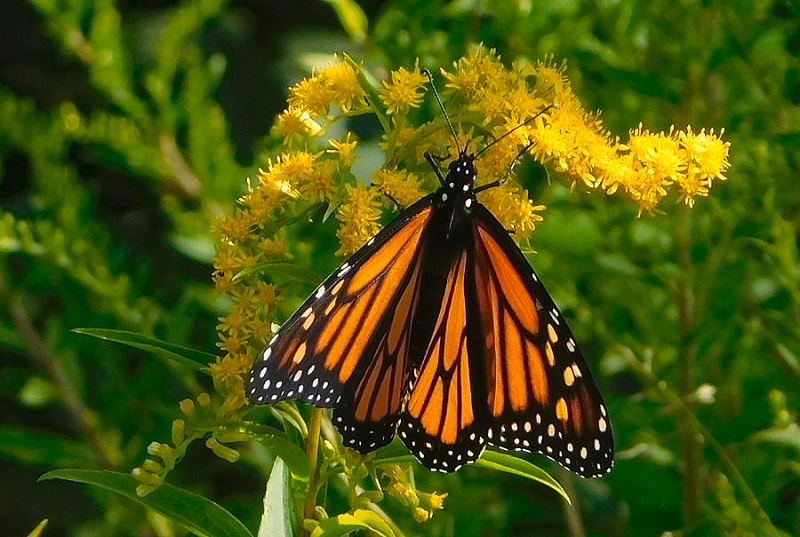
Butterfly wings consist primarily of thin membranes supported by a network of veins. These veins provide strength and flexibility, allowing butterflies to flutter gracefully while maintaining control during flight. The wings are covered with tiny scales, which overlap like shingles on a roof. These scales give butterflies their vivid colors and patterns by reflecting and refracting light, often creating iridescent effects.
The wings are divided into two pairs: the forewings and hindwings. Each wing is attached to the thorax, where muscles control their movement. Despite their fragile appearance, butterfly wings are surprisingly lightweight and strong enough for rapid and agile flight. The intricate pattern of veins and scales varies between species, helping in camouflage, mating displays, or warning predators.
Evolutionary Origin of Butterfly Wings
The evolutionary origin of butterfly wings traces back hundreds of millions of years, linked to the broader development of insects. Wings first appeared in early insects as outgrowths of the exoskeleton, likely to help with gliding or jumping. Over time, natural selection refined these structures into fully functional wings capable of powered flight.
Butterflies belong to the order Lepidoptera, which also includes moths. The ancestors of modern butterflies evolved wings that were covered with scales, a unique feature distinguishing them from many other insects. This adaptation not only enhanced flight but also introduced new functions such as thermoregulation and visual signaling through colorful patterns.
The evolution of butterfly wings also reflects the shift from simple wing membranes to complex organs adapted to ecological niches. For example, some butterfly species have evolved wing patterns that mimic toxic or unpalatable species, deterring predators. Others use wing colors to attract mates or blend into their environment, showcasing how evolution has shaped wings beyond just flight.
Anatomy and Evolution of Bird Wings
Bird wings are remarkable adaptations that enable flight, allowing birds to explore diverse environments and perform complex aerial maneuvers. To understand how bird wings function so effectively, it’s important to look closely at their anatomy and the evolutionary journey that shaped them.

Structure of Bird Wings
Bird wings are modified forelimbs made up of bones, muscles, feathers, and connective tissues, all working together to create lift and thrust. The wing’s skeleton resembles a human arm, with a humerus, radius, and ulna, but these bones are lightweight and often hollow to reduce weight without sacrificing strength.
Feathers are a key component of bird wings. They come in various types, including flight feathers on the wing edges that provide lift and control. These feathers are arranged in overlapping layers, allowing smooth airflow and efficient movement. The wing’s shape can vary widely among bird species, depending on their flight style — from the broad, rounded wings of owls designed for silent flight to the long, narrow wings of albatrosses built for soaring over oceans.
Muscles attached to the wing bones control the up-and-down and forward-backward movements essential for flapping and gliding. Tendons and ligaments stabilize the structure, ensuring precision during flight. This complex combination of anatomy makes bird wings powerful, flexible, and highly specialized.
Evolutionary Origin of Bird Wings
Bird wings evolved from the forelimbs of theropod dinosaurs, a group that includes the famous Tyrannosaurus rex and Velociraptor. Over millions of years, these ancestors gradually developed feathers and other adaptations for flight. Fossil evidence shows transitional species like Archaeopteryx, which possessed both dinosaur-like traits and primitive wings, illustrating the evolutionary bridge between non-flying dinosaurs and modern birds.
The development of feathers likely began for purposes other than flight, such as insulation or display. Eventually, natural selection favored feathers that improved gliding and powered flight. This evolutionary process led to the sophisticated wing anatomy seen in birds today.
Bird wings represent a classic example of homologous structures because they share a common evolutionary origin with the forelimbs of other vertebrates, including mammals. Despite the differences in function—wings for flying versus arms for grasping—the underlying bone structure is fundamentally the same, highlighting their shared ancestry.
Comparison Between Butterfly Wings and Bird Wings
Butterfly wings and bird wings are two of nature’s most iconic examples of flight adaptations. While both serve the crucial function of enabling these creatures to fly, their origins and structures differ significantly. Exploring their similarities and differences provides insight into the fascinating diversity of evolutionary solutions.

Similarities in Function
At first glance, butterfly wings and bird wings share the obvious similarity of enabling flight. Both types of wings allow their owners to lift off, navigate through the air, and move from one place to another efficiently. Flight supports essential activities such as finding food, escaping predators, and seeking mates.
In addition to basic flight, both wings contribute to balance and maneuverability. Butterflies use their broad, lightweight wings to flutter delicately among flowers, while birds rely on their powerful wing muscles and feathers to soar, dive, and glide with precision. Both wings also play roles in communication — butterfly wing patterns can warn predators or attract mates, and bird wings are often used in visual displays or territorial behaviors.
Despite differences in scale and technique, butterfly and bird wings fulfill similar ecological and biological purposes, proving how flight has evolved as a vital survival strategy in vastly different organisms.
Differences in Origin and Structure
Although butterfly and bird wings share the function of flight, they are fundamentally different in their origins and anatomy. Bird wings are homologous structures, meaning they evolved from a common ancestor with forelimbs adapted for flight. Their wings consist of bones, muscles, and feathers, with a complex skeletal system that resembles a modified arm.
Butterfly wings, however, are analogous structures, meaning they evolved independently and do not share a common evolutionary origin with bird wings. Instead, butterfly wings are made of thin membranes supported by veins and covered in tiny scales. They lack bones and muscles within the wings themselves; the wing movement is controlled by muscles in the thorax. This difference highlights how similar environmental challenges—like the need to fly—can lead to very different anatomical solutions in unrelated species.
Structurally, bird wings are built for power and endurance with strong muscles and lightweight bones, while butterfly wings emphasize agility and lightness, allowing for delicate, fluttering flight. The colors and patterns of butterfly wings come from scales that reflect light, whereas bird wings display colors through pigments in feathers.
Are Butterfly Wings and Bird Wings Homologous?
Are butterfly wings and bird wings homologous? The answer is no. Although both serve the same essential function of enabling flight, their evolutionary origins and structures are fundamentally different. Bird wings are homologous structures because they evolved from the forelimbs of a common vertebrate ancestor and share similar bone anatomy despite their adaptations for flying.
In contrast, butterfly wings are analogous structures that evolved independently in insects, consisting of thin membranes covered with scales and supported by veins, without any bones. This means butterfly wings and bird wings do not share a common ancestral origin but rather represent separate evolutionary solutions to the challenge of flight. Understanding this distinction helps clarify how nature can develop similar functions through very different biological pathways, highlighting the diversity of life’s adaptations.
Are Butterfly Wings and Bird Wings Analogous?
Butterfly wings and bird wings are considered analogous structures because they perform the same function—flight—but evolved independently in very different groups of animals. While bird wings developed from the forelimbs of vertebrate ancestors, complete with bones, muscles, and feathers, butterfly wings originated as extensions of the insect exoskeleton, made of thin membranes covered in scales and supported by veins.
Despite these structural differences, both wings enable their owners to fly, demonstrating convergent evolution, where unrelated species develop similar traits to adapt to comparable environmental challenges. This analogy highlights how nature can find multiple solutions to achieve the same goal, such as efficient movement through the air. Recognizing butterfly and bird wings as analogous emphasizes the diversity of evolutionary pathways leading to the incredible variety of flying creatures we see today.
Importance of Distinguishing Homology and Analogy
Distinguishing between homology and analogy is crucial for understanding evolutionary relationships among organisms. Homologous structures indicate a shared ancestry, revealing how species are connected through common descent, even if their functions have changed over time. In contrast, analogous structures arise from convergent evolution, where unrelated species develop similar traits independently to adapt to similar environments or challenges.
Recognizing whether a trait is homologous or analogous helps scientists accurately reconstruct evolutionary trees and avoid misleading conclusions about species’ relatedness. This distinction also deepens our understanding of how diverse life forms evolve different strategies to survive and thrive. By carefully identifying homology and analogy, researchers can better appreciate both the unity and diversity of life on Earth, shedding light on the processes that drive adaptation and innovation in nature.
Frequently Asked Questions
Are Butterfly Wings And Bird Wings Homologous Structures?
No, butterfly wings and bird wings are not homologous structures. Homologous structures come from a common ancestor and share similar anatomy even if their functions differ. Bird wings evolved from the forelimbs of vertebrate ancestors and contain bones, muscles, and feathers. Butterfly wings, on the other hand, developed independently in insects and consist of thin membranes covered with scales, without any bones. Because their origins and structures are different, they are not homologous.
Are Butterfly Wings And Bird Wings Analogous Structures?
Yes, butterfly wings and bird wings are considered analogous structures. Both serve the same function—flight—but evolved independently in very different groups of animals. This is an example of convergent evolution, where unrelated species develop similar traits to adapt to similar environmental needs. Despite their different structures and origins, both wings help these creatures fly efficiently.
How Do Butterfly Wings Differ Structurally From Bird Wings?
Butterfly wings are made of thin, flexible membranes supported by a network of veins and covered with tiny scales that create colorful patterns. They lack bones and muscles within the wings themselves. Bird wings, in contrast, are modified forelimbs with bones, muscles, and feathers arranged to provide strength and control during flight. This fundamental difference in structure reflects their distinct evolutionary origins.
Why Is It Important To Know Whether Wings Are Homologous Or Analogous?
Understanding whether wings are homologous or analogous helps you grasp the evolutionary relationships between species. Homologous structures indicate common ancestry and shared evolutionary history, while analogous structures show how different species can evolve similar features independently. This distinction is key for studying evolution accurately and appreciating how nature finds different solutions to similar challenges.
Can Homologous Structures Have Different Functions?
Yes, homologous structures can perform different functions even though they share a common evolutionary origin. For example, the forelimbs of humans, whales, and birds have similar bone structures but serve very different purposes—grasping, swimming, and flying, respectively. This shows how evolution can modify the same basic anatomical framework to meet various needs.
Conclusion
Butterfly wings and bird wings serve the common purpose of flight but are fundamentally different in their origins and structures. They are analogous structures, having evolved independently through convergent evolution rather than from a shared ancestor. Bird wings are homologous to other vertebrate forelimbs, featuring bones, muscles, and feathers, while butterfly wings are delicate membranes supported by veins and covered in scales, unique to insects.
Understanding this distinction between homology and analogy not only clarifies evolutionary relationships but also highlights nature’s incredible ability to develop diverse adaptations for similar functions. Recognizing these differences enriches your appreciation of how life evolves, showcasing the many paths evolution can take to solve the challenge of flight.