

Are chickens considered animals or birds? This question might seem simple at first, but it opens up an interesting discussion about how we classify living creatures. Chickens are commonly seen on farms and in backyards, and most people recognize them as birds. However, since birds themselves fall under the larger category of animals, the question can have more than one answer depending on perspective. Understanding where chickens fit in the animal kingdom helps clarify this.
Chickens share many characteristics typical of birds, such as feathers, beaks, and laying eggs. At the same time, they are also animals because birds are a subgroup within the animal kingdom. This introduction aims to explore the classification of chickens, explaining why they are both animals and birds, and shedding light on the scientific reasoning behind it. By the end, the distinction will be clearer, helping anyone curious about the topic get a better grasp of where chickens belong in nature.
Defining Animals
Understanding what animals are is fundamental to answering many questions about the natural world, including where creatures like chickens fit in. Before diving deeper, it’s important to clearly define what an animal is and explore the various categories that make up the animal kingdom.
What is an Animal?
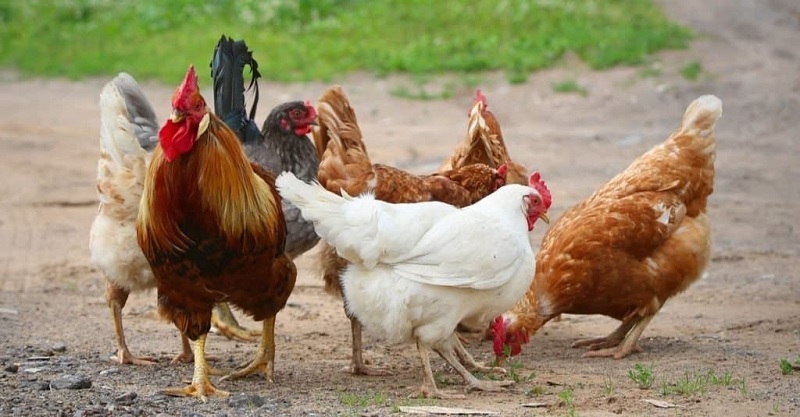
An animal is a living organism that belongs to the biological kingdom Animalia. Unlike plants or fungi, animals are multicellular organisms that primarily consume organic material for energy. One of the defining features of animals is their ability to move voluntarily at some stage of their life cycle. They also have specialized sensory organs that help them interact with their environment, respond to stimuli, and often exhibit complex behaviors.
Animals have cells without rigid cell walls, which distinguishes them from plants and fungi. Instead, their cells are flexible and organized into tissues and organs that perform different functions. Animals also reproduce sexually in most cases, although some can reproduce asexually. Their development usually includes a blastula stage, a unique early embryonic phase.
Categories of Animals
The animal kingdom is incredibly diverse, ranging from simple creatures like sponges to complex mammals. Animals are broadly classified based on characteristics such as body structure, movement, and developmental processes.
One of the main divisions is between invertebrates and vertebrates. Invertebrates, such as insects, mollusks, and worms, lack a backbone. They make up the majority of animal species on Earth. Vertebrates, on the other hand, have an internal skeleton with a backbone and include groups like fish, amphibians, reptiles, birds, and mammals.
Within vertebrates, animals are further classified by their unique traits. Birds, for example, are characterized by feathers, beaks, and laying hard-shelled eggs. Mammals are distinguished by their ability to produce milk and having hair or fur.
Understanding Birds
Birds are one of the most fascinating groups within the animal kingdom. They are easily recognizable and widely loved for their beauty, songs, and unique behaviors. To fully appreciate where chickens fit in, it’s helpful to understand what defines birds and what common traits they share.
Characteristics of Birds
Birds belong to the class Aves, a distinct group within the vertebrates. One of the most obvious characteristics of birds is their feathers. Feathers are unique to birds and serve multiple purposes, including flight, insulation, and display. Feathers help birds regulate their body temperature and protect them from the elements.
Another defining feature of birds is their lightweight skeleton. Many bones in a bird’s body are hollow, which reduces weight and makes flight easier. Birds also have strong chest muscles attached to a keeled sternum, enabling powerful wing movements needed for flying.
Birds breathe through lungs connected to air sacs that provide a highly efficient respiratory system. This adaptation supports the high energy demands of flight. Their beaks, which replace teeth, vary widely in shape and size depending on their diet and lifestyle, ranging from sharp and hooked to long and slender.
Common Bird Traits
Most birds share several traits beyond feathers and flight adaptations. They are warm-blooded animals, meaning they maintain a constant body temperature regardless of the environment. This characteristic allows birds to survive in a variety of climates.
Birds reproduce by laying eggs with hard shells, typically in nests they build using various materials like twigs, leaves, or mud. Parental care is common among birds; many species protect and feed their young until they are ready to survive independently.
Birds also have keen senses, especially vision. Their eyesight is often sharper than that of humans, helping them spot prey, navigate long distances, or recognize mates. Their hearing and balance are well-developed, aiding in communication and flight coordination.
Classification of Chickens
Chickens are among the most familiar birds worldwide, but understanding their classification helps clarify exactly where they fit in the natural world. Their biological grouping, physical features, and behaviors all contribute to how they are categorized within the animal kingdom.
Biological Classification of Chickens
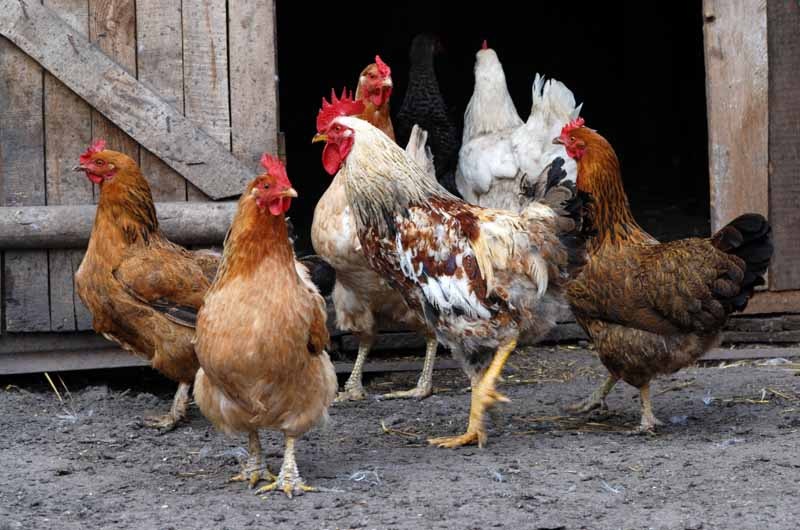
Chickens belong to the species Gallus gallus domesticus, which is a domesticated subspecies of the wild red junglefowl (Gallus gallus). They are part of the class Aves, confirming their status as birds. More specifically, chickens fall under the order Galliformes, a group known for ground-feeding birds such as turkeys, quails, and pheasants.
Within the animal kingdom, chickens are vertebrates due to their backbone and internal skeleton. They belong to the phylum Chordata, which includes all animals with a notochord at some stage in their development. This biological classification places chickens firmly as animals and birds, highlighting their evolutionary relationships with other species.
Physical Characteristics of Chickens
Chickens exhibit classic bird features that define their physical identity. Their bodies are covered in feathers, which serve for insulation and display. Their wings, while relatively short compared to other birds, contain the structure needed for limited flight or fluttering to escape danger.
A chicken’s beak is strong and curved, ideal for pecking food, which includes grains, insects, and small animals. They have clawed feet with strong toes, adapted for scratching the ground in search of food. Their skeleton is lightweight yet sturdy enough to support their body during short bursts of flight or running.
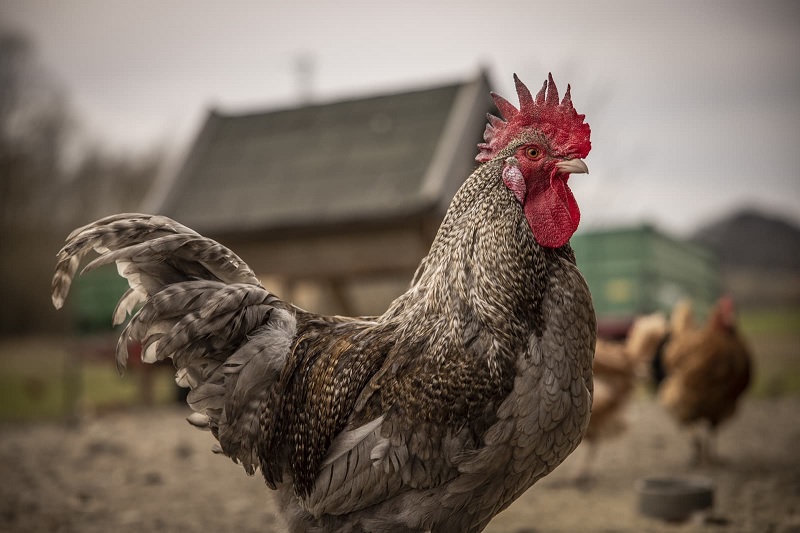
Chickens also have a unique comb and wattles on their heads, fleshy red features that play roles in thermoregulation and social signaling within flocks. These physical traits distinguish chickens from other birds but remain consistent with overall bird anatomy.
Behavioral Traits of Chickens
Chickens display behaviors typical of many birds, such as social living in flocks, communication through a variety of vocalizations, and nesting to lay eggs. They establish a pecking order, a social hierarchy that dictates access to food and mates within the group.
Their feeding behavior involves scratching and pecking the ground to uncover seeds and insects. Chickens also engage in dust bathing, which helps them remove parasites and maintain feather health.
During breeding seasons, roosters (male chickens) exhibit territorial and protective behaviors to guard hens and their nests. Hens show maternal instincts by incubating eggs and caring for chicks after they hatch.
Are Chickens Animals or Birds?
The question, are chickens considered animals or birds? often sparks curiosity, especially for those exploring how living creatures are categorized. The answer lies in understanding the broader biological classifications and the specific traits chickens exhibit. Chickens fit into both categories, but each term highlights a different aspect of their identity.
Chickens as Animals
At the most fundamental level, chickens are animals. The kingdom Animalia includes all multicellular organisms that consume organic material, breathe oxygen, can move, and reproduce sexually. Chickens meet all these criteria. They are living organisms with complex body systems, including a nervous system, circulatory system, and muscles that enable movement.
Animals are classified broadly into vertebrates and invertebrates, and chickens belong to the vertebrate group because they have a backbone. This classification confirms chickens as part of the vast and diverse animal kingdom that includes everything from fish and reptiles to mammals and birds. So, when viewed from this broader perspective, chickens are unquestionably animals.
Chickens as Birds
More specifically, chickens belong to the class Aves, which means they are birds. Birds share distinctive characteristics that set them apart from other animals, such as feathers, beaks, laying hard-shelled eggs, and having wings. Chickens display all these traits.
Feathers provide insulation and help regulate body temperature. Their beaks are adapted for pecking and eating grains and insects. While chickens are not strong fliers, their wings allow them to make short flights or flutter to escape predators. Their reproductive process involves laying eggs, which is a hallmark of birds.
By recognizing these features, it’s clear that chickens fit neatly into the bird category, making them both animals and birds at the same time.
Scientific Consensus on Chickens
Scientists classify living organisms using a hierarchical system that places chickens in the animal kingdom and the bird class. The scientific consensus is clear: chickens are animals by the broadest definition and birds more specifically.
This dual classification reflects the nested structure of biological taxonomy, where “bird” is a subgroup within the larger “animal” category. This means all birds, including chickens, are animals, but not all animals are birds.
Importance of Classifying Chickens
Classifying chickens correctly is more than just a scientific exercise—it has practical implications that affect farming, pet care, legal regulations, and environmental management. Understanding their classification helps people make informed decisions about how to care for, protect, and utilize chickens effectively.
Implications for Farming and Pet Care
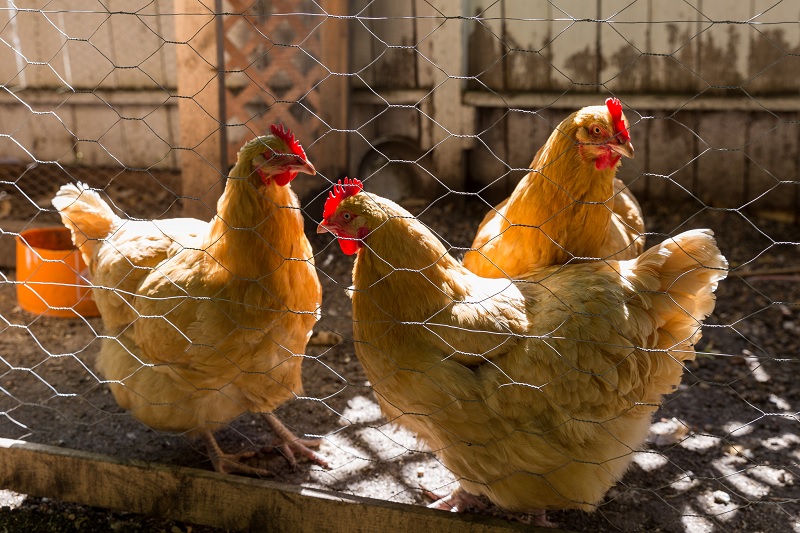
Knowing that chickens are both animals and birds influences how they are raised and cared for on farms and in home settings. As birds, chickens require specific conditions such as proper shelter, nesting areas, and diets that meet their nutritional needs. Their bird characteristics, like the need for perches and dust baths, guide caretakers in creating environments that promote their health and wellbeing.
Farmers also benefit from proper classification because it helps in managing breeding programs and disease prevention. Since chickens share traits with other birds, veterinarians apply knowledge from avian medicine to treat illnesses and maintain flock health. Recognizing chickens as animals with unique behavioral traits ensures they receive appropriate care and humane treatment, whether raised for eggs, meat, or as pets.
Legal and Environmental Considerations
The classification of chickens plays a significant role in legal contexts as well. Laws regulating animal welfare, farming practices, and food safety often depend on how animals are categorized. For example, animal protection laws usually cover chickens under the broader definition of animals, ensuring they receive legal safeguards against cruelty and neglect.
Environmental policies also consider chickens’ impact on ecosystems. Since chickens are birds, they interact with local wildlife and habitats in specific ways. Proper classification helps guide regulations on free-range farming, preventing potential negative effects such as overgrazing or the spread of diseases to wild bird populations.
Additionally, conservation efforts for wild relatives of chickens, like the red junglefowl, depend on understanding their biological classification. This knowledge supports biodiversity preservation and helps maintain ecological balance.
Frequently Asked Questions
Are Chickens Considered Animals Or Birds?
Yes, chickens are both animals and birds. They belong to the kingdom Animalia, which includes all animals, and more specifically, to the class Aves, which covers all birds. This means every bird is an animal, but not every animal is a bird. Chickens have feathers, beaks, and lay eggs—key features of birds—while also sharing broader animal characteristics like movement and sensory organs. So when you ask whether chickens are animals or birds, the answer is they are both, with “bird” being a more specific category within the larger group of animals.
What Characteristics Make Chickens Birds?
Chickens have several traits that classify them as birds. They have feathers covering their bodies, wings (even though they don’t fly far), beaks instead of teeth, and they lay hard-shelled eggs. Chickens are warm-blooded and have lightweight skeletons with hollow bones, all typical bird characteristics. These features clearly distinguish them from mammals, reptiles, or other animals, confirming their place in the bird category.
Why Is It Important To Know That Chickens Are Birds?
Understanding that chickens are birds helps you provide proper care, especially if you raise them as pets or on farms. Birds have specific needs, like access to perches, dust baths for feather maintenance, and diets suited for avian digestion. Knowing chickens are birds also guides veterinarians in diagnosing and treating diseases. Furthermore, recognizing their classification ensures they are protected under animal welfare laws and helps farmers follow environmental guidelines relevant to birds.
Can Chickens Fly Like Other Birds?
Chickens have wings and can perform short bursts of flight, such as fluttering up to escape danger or roosting on low perches. However, they are not strong fliers compared to many wild birds. Their body structure, muscle arrangement, and wing size limit sustained flight. So while they are birds by definition, their flying abilities are much more limited than species like pigeons or hawks.
How Does Scientific Classification Help Understand Chickens?
Scientific classification places chickens within a clear framework, showing their relationships with other animals. By categorizing chickens as Gallus gallus domesticus in the bird class, scientists and farmers understand their biology, behavior, and evolution. This classification helps in breeding, disease control, and conservation efforts. It also explains why chickens share traits with both wild birds and other domesticated animals, giving you a better picture of their role in nature and human society.
Conclusion
Chickens are both animals and birds, fitting into the broad kingdom Animalia while belonging specifically to the class Aves. This dual classification highlights their unique features, such as feathers, beaks, and egg-laying, which clearly define them as birds. At the same time, they share fundamental characteristics with all animals, including movement, sensory systems, and reproduction.
Understanding this helps clarify common questions about their identity and guides proper care, farming practices, and legal protections. Recognizing chickens as birds within the animal kingdom provides a complete picture of their place in nature, showing that the question are chickens considered animals or birds? is best answered by acknowledging both categories as accurate and important for different contexts.