
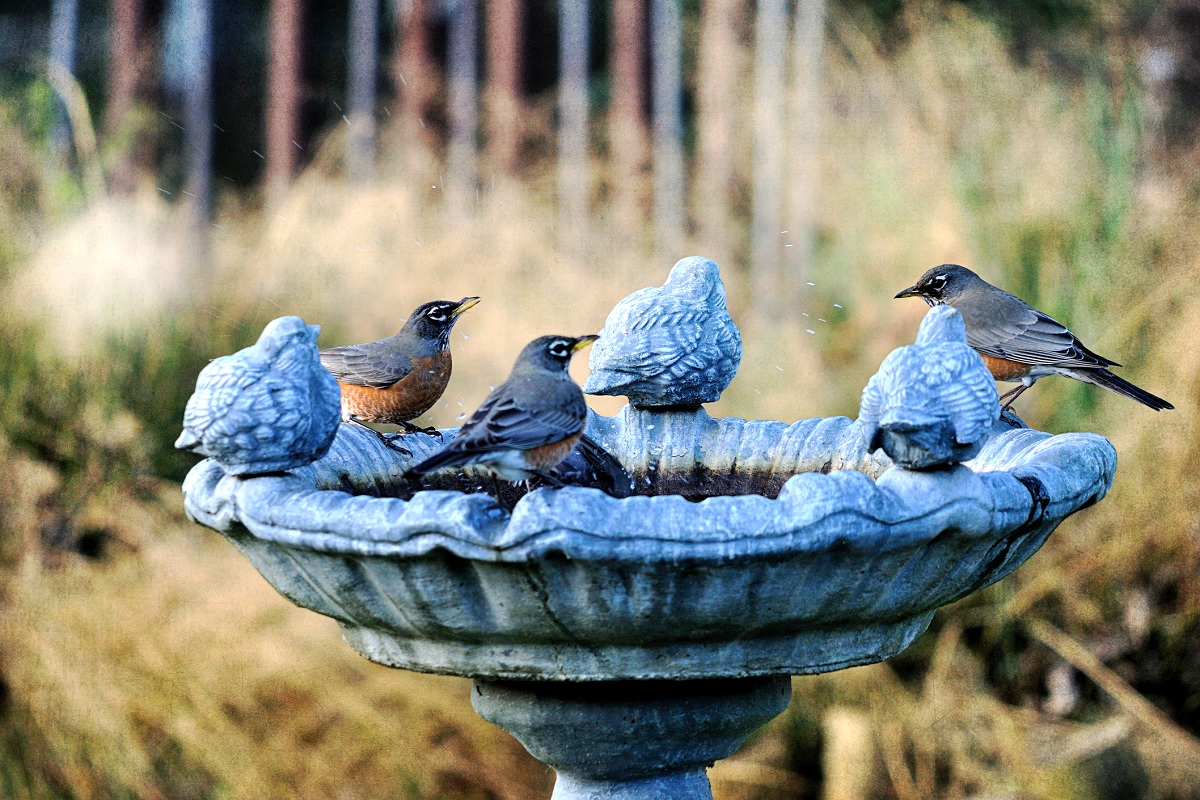
Are copper bird baths safe? This is a common question among bird lovers and gardeners who want to add a stylish and functional feature to their outdoor spaces. Copper bird baths are popular because of their elegant appearance and natural ability to resist corrosion, which helps them last for many years. However, concerns sometimes arise about whether the copper material might harm the birds or affect the water quality.
Understanding the safety of copper bird baths is important if you want to create a welcoming environment for your feathered friends. In this introduction, we’ll explore the facts about copper bird baths, including how copper interacts with water, its effects on birds, and any precautions you might need to consider. By the end, you’ll have a clearer idea of whether copper bird baths are a safe and attractive choice for your garden.
What Are Copper Bird Baths?
Copper bird baths are decorative and functional outdoor fixtures designed to provide birds with a clean, safe place to drink and bathe. Made primarily from copper, these bird baths are cherished for their durability, natural resistance to rust, and unique aesthetic appeal. Over time, copper develops a beautiful patina—a greenish-blue layer that forms naturally due to oxidation—which adds character and charm to any garden setting. Unlike plastic or concrete bird baths, copper versions tend to be lighter and easier to move, making them a popular choice among gardeners who want both style and practicality.
Types of Copper Bird Baths
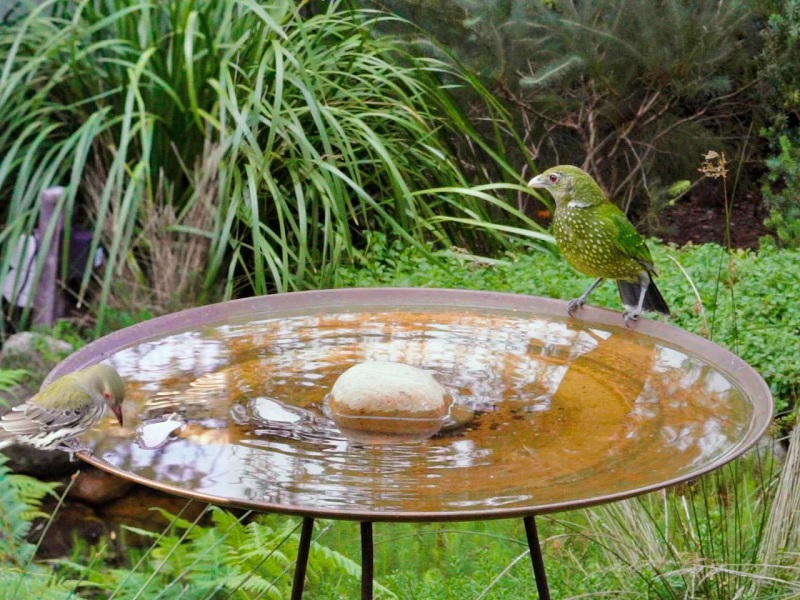
Copper bird baths come in a variety of styles and designs, each catering to different tastes and garden themes. One popular option is the freestanding copper bird bath. These standalone units feature a copper basin mounted on a pedestal or a decorative base. Often, the pedestal includes intricate designs, making the bird bath a striking focal point in any garden setting.
Another common style is the wall-mounted copper bird bath, which is perfect for smaller garden spaces or patios. These bird baths are attached directly to a wall or fence, saving space while still providing birds with a reliable water source. Their compact design makes them an excellent choice for urban gardens or areas where floor space is limited.
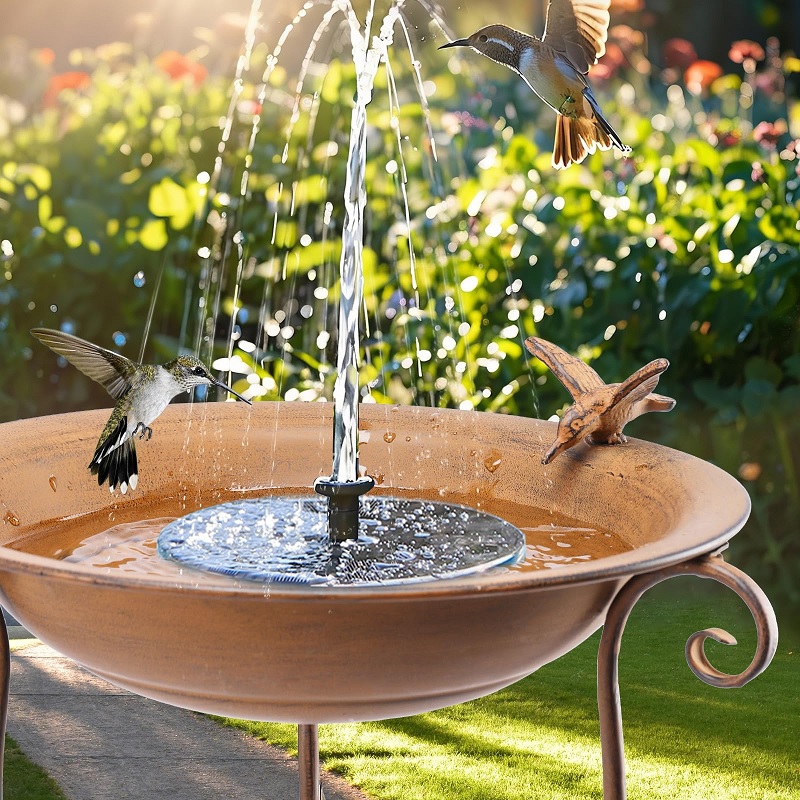
Some copper bird baths also include a fountain feature, known as copper bird bath fountains. These have water gently circulating or trickling, which attracts more birds and helps keep the water fresh. The movement also discourages mosquitoes from breeding, adding an extra layer of practicality.
Common Uses in Gardens
Copper bird baths serve several important functions in garden spaces beyond their obvious appeal to birds. First and foremost, they provide a safe and clean water source for local wildlife. Birds rely on water not only for drinking but also for bathing, which helps keep their feathers in good condition and reduces parasites.
In addition to supporting bird health, copper bird baths enhance garden aesthetics. The warm tones of copper blend beautifully with greenery and flowers, creating an inviting and peaceful environment. As the copper ages and develops its patina, the bath becomes even more visually interesting, adding a timeless, rustic charm.
Gardeners also appreciate that copper bird baths require minimal maintenance compared to other materials. Their resistance to rust means they can withstand the elements without deteriorating quickly, making them a long-lasting investment for any outdoor space.
Benefits of Copper Bird Baths
Choosing the right bird bath for your garden can make a big difference not only for the birds but also for the overall look and maintenance of your outdoor space. Copper bird baths offer a range of unique benefits that make them a popular choice among gardeners and bird enthusiasts alike. From their natural antimicrobial properties to their long-lasting durability and striking aesthetic appeal, copper bird baths provide much more than just a place for birds to bathe.
Natural Antimicrobial Properties
One of the standout benefits of copper bird baths is their natural antimicrobial qualities. Copper is known to inhibit the growth of harmful bacteria, algae, and fungi. This means that water in a copper bird bath is less likely to become contaminated quickly, keeping it cleaner and safer for birds. Unlike plastic or concrete bird baths, which can become breeding grounds for bacteria and algae if not cleaned regularly, copper’s inherent properties help maintain a healthier environment. This reduces the need for constant cleaning and helps ensure that birds have access to fresh, safe water at all times.
Durability and Weather Resistance
Copper is incredibly durable and resistant to weather conditions, making copper bird baths a long-lasting investment for any garden. Unlike materials that may crack, chip, or rust over time, copper can withstand rain, sun, snow, and frost without losing its structural integrity. Over time, copper develops a natural patina—a greenish layer caused by oxidation—which actually protects the metal underneath from further corrosion.
This patina adds a unique character to the bird bath while ensuring it continues to perform well season after season. Whether you live in a dry, hot climate or an area with harsh winters, a copper bird bath will hold up beautifully with minimal maintenance.
Aesthetic Appeal
Copper bird baths are also highly valued for their timeless beauty. The warm, reddish tones of polished copper complement almost any garden style, from rustic and traditional to modern and minimalist. As the copper ages and develops its natural patina, it gains a distinct, weathered look that adds charm and elegance to outdoor spaces.
The reflective surface of copper can catch sunlight beautifully, creating subtle glimmers that attract birds and draw the eye. Moreover, copper can be crafted into various artistic designs, making each bird bath not only functional but also a decorative piece. This blend of beauty and utility makes copper bird baths a favorite among gardeners who want to enhance their garden’s atmosphere while supporting local wildlife.
Safety Concerns Regarding Copper Bird Baths
While copper bird baths are admired for their beauty and durability, some bird enthusiasts may wonder about potential safety concerns. Questions often arise around whether copper can be harmful to birds or the environment. Understanding these concerns is important to ensure your copper bird bath remains a safe and welcoming spot for wildlife.
Potential Toxicity to Birds
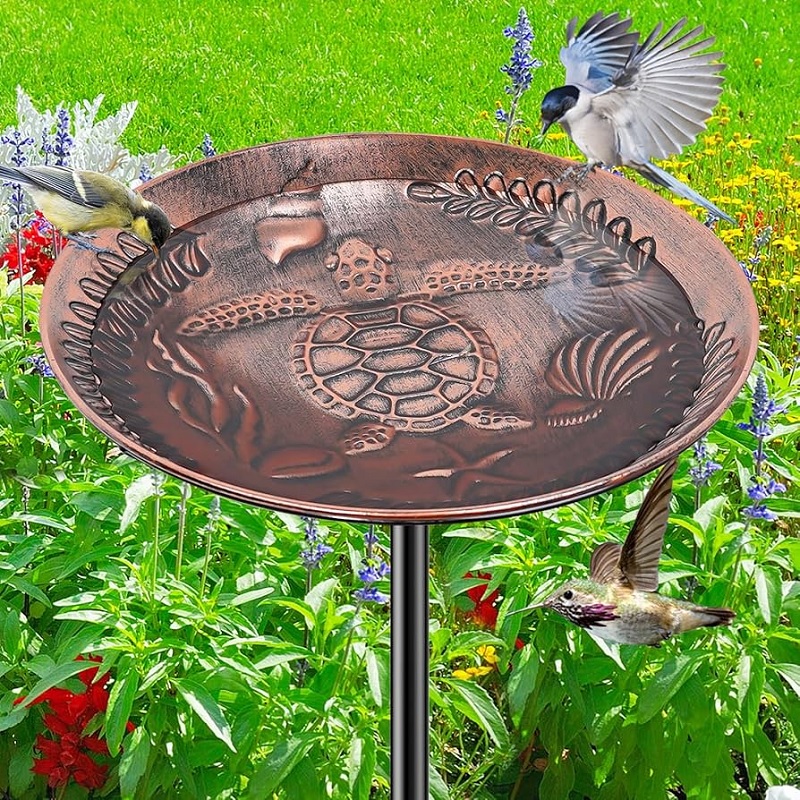
One common worry is whether copper itself poses a toxicity risk to birds. Copper is an essential trace mineral that birds need in small amounts for normal physiological functions, so it is naturally present in the environment and their diets. However, excessive exposure to copper can potentially be harmful. The good news is that solid copper bird baths typically do not release enough copper ions into the water to reach toxic levels for birds.
Unlike copper pipes or supplements where direct ingestion is a factor, birds mainly come into contact with copper through water, and the amount leached from a well-maintained bird bath is minimal. Regular cleaning and water changes further reduce any risk.
Copper Poisoning Symptoms in Birds
Although copper poisoning is rare from copper bird baths, it’s helpful to recognize symptoms in case of accidental exposure from other sources. Signs of copper toxicity in birds can include weakness, loss of appetite, vomiting, diarrhea, and in severe cases, liver damage or sudden death. If you observe these symptoms in birds visiting your garden, it’s important to investigate potential sources of copper or other toxins and consult a veterinarian or wildlife expert. With proper care and maintenance of a copper bird bath, the risk of poisoning is very low.
Environmental Impact
Another safety consideration is the broader environmental impact of using copper bird baths. Copper is a naturally occurring element in soil and water, but excessive copper can disrupt ecosystems, particularly aquatic ones, by harming fish and invertebrates. However, the amount of copper released from a bird bath into the surrounding environment is negligible compared to industrial sources or pesticide use. When responsibly used and maintained, copper bird baths do not contribute significantly to environmental copper levels.
Impact on Water Quality
Copper’s antimicrobial properties help keep water cleaner by limiting algae and bacterial growth. Yet, some may wonder if copper affects the overall water quality for birds. The trace amounts of copper ions present in the water are generally beneficial rather than harmful. Still, it’s essential to change the water regularly and clean the bird bath to prevent stagnation, which can create a breeding ground for pathogens or mosquitoes. Ensuring fresh water also minimizes any buildup of copper residues.
How to Ensure Copper Bird Baths Are Safe
Copper bird baths combine beauty and functionality, but like any garden feature, they require proper care to remain safe for the birds that visit. By following a few simple steps, you can ensure your copper bird bath provides a healthy, welcoming environment for wildlife while maintaining its stunning appearance.
Proper Maintenance and Cleaning
Regular maintenance is key to keeping your copper bird bath safe. Standing water can quickly become a breeding ground for bacteria, algae, and mosquitoes, which can be harmful to birds. To prevent this, it’s important to change the water frequently—ideally every one to two days. In addition, clean the bird bath thoroughly at least once a week. Use a gentle scrub brush and a mixture of mild soap and water or a diluted vinegar solution to remove any buildup or debris. Avoid harsh chemicals or cleaners, as these can leave harmful residues. Proper cleaning helps reduce the risk of disease and ensures the water remains fresh and inviting for birds.
Using Liners or Protective Coatings
If you have concerns about copper exposure, especially in areas with very acidic rain or water, consider using liners or protective coatings inside the basin of your bird bath. Liners made from food-grade silicone or other bird-safe materials can create a barrier between the water and the copper surface, preventing excessive copper leaching. Protective coatings, like clear sealants specifically designed for copper, can also help minimize oxidation and copper ion release without compromising the bird bath’s natural beauty. Just be sure that any liner or coating used is non-toxic and safe for wildlife to avoid introducing new hazards.
Monitoring Bird Health
Paying attention to the birds that visit your copper bird bath is another important safety measure. Watch for any signs of unusual behavior or health problems, such as lethargy, difficulty flying, or visible illness, which could indicate exposure to contaminants or illness. While copper poisoning from bird baths is rare, being vigilant allows you to take quick action if problems arise. If you notice sick birds, clean the bird bath immediately and consider consulting a wildlife expert for advice. Additionally, providing fresh water and a safe environment supports the overall health of your local bird population.
Alternatives to Copper Bird Baths
While copper bird baths are popular for their durability and aesthetic appeal, they may not be the perfect choice for every garden or budget. If you’re considering other options, there are several alternative materials available that offer different benefits and challenges. Understanding these alternatives can help you choose a bird bath that fits your needs while keeping your feathered visitors safe and comfortable.
Other Safe Materials for Bird Baths
Several materials are commonly used to make bird baths that are considered safe and effective. Ceramic bird baths often come in vibrant colors and artistic designs, making them a decorative choice for many gardens. These baths are usually glazed, which helps protect the surface from weather damage; however, they can be fragile and prone to cracking in freezing temperatures. Concrete bird baths are known for their sturdiness.
They are heavy and stable, making them difficult to tip over, and they provide good insulation against temperature changes. On the downside, concrete can be porous, which means it requires regular cleaning to avoid algae buildup. Stone bird baths, made from natural stone, blend beautifully with garden landscapes and offer excellent durability and weather resistance. Their main drawbacks are that they tend to be expensive and very heavy, limiting portability.
Plastic bird baths are lightweight and affordable, making them easy to move and clean. However, they often don’t last as long as other materials and sometimes lack the aesthetic appeal of more natural options. Lastly, glass bird baths, usually made from tempered glass, provide a sleek and modern look and are easy to clean, but they are typically smaller in size and can be fragile compared to other materials.
Pros and Cons Compared to Copper
Each alternative material comes with its own advantages and drawbacks when compared to copper bird baths. In terms of durability, copper excels due to its natural weather resistance and the protective patina it develops over time. Concrete and stone are also very durable but are heavier and less portable. Ceramic and glass, while beautiful, can be fragile, and plastic tends to wear out faster than the other materials.
Regarding maintenance, copper stands out because of its natural antimicrobial properties that help resist algae and bacteria growth, reducing how often it needs to be cleaned. Other materials like concrete and ceramic often require more frequent upkeep to prevent algae and moss buildup. When it comes to aesthetic appeal, copper offers a warm, elegant look that ages gracefully, developing character over time.
Stone and ceramic bird baths can also be visually appealing but may not age as nicely as copper. Plastic is practical but less attractive, whereas glass offers a modern and sleek aesthetic but is more delicate. Finally, cost is an important factor. Copper bird baths tend to have a higher upfront cost but are a long-term investment thanks to their longevity. Plastic is the most affordable option, while stone and ceramic can be pricey and may demand additional care to maintain their appearance and durability.
Expert Opinions and Research Findings
Expert opinions and research findings generally support the safe use of copper bird baths when properly maintained. Studies highlight copper’s natural antimicrobial properties, which help reduce harmful bacteria and algae growth, making it a healthier option for birds compared to some other materials. Wildlife experts agree that copper does not pose a significant toxicity risk to birds under normal conditions, as the metal releases only minimal amounts of copper ions into the water.
However, they emphasize the importance of regular cleaning and fresh water to minimize any potential risks. Overall, research suggests that copper bird baths provide a durable, safe, and attractive environment for birds, combining both functionality and aesthetic value in garden settings.
Frequently Asked Questions
Are Copper Bird Baths Safe For Birds To Use?
Yes, copper bird baths are generally safe for birds when properly maintained. Copper is a natural material that releases only trace amounts of copper ions into the water, which are typically not harmful to birds. In fact, copper is an essential trace mineral for many animals, including birds, but only in very small amounts. To keep your copper bird bath safe, regularly change the water and clean the basin to prevent any buildup of harmful substances.
Can Copper Bird Baths Cause Copper Poisoning In Birds?
Copper poisoning from bird baths is extremely rare. The solid copper in bird baths doesn’t leach significant amounts of copper into the water under normal conditions. Poisoning usually occurs only if birds ingest large amounts of copper, which is unlikely through water alone. However, maintaining clean water and checking your bird bath regularly ensures that any risks remain minimal.
How Do I Maintain A Copper Bird Bath To Ensure Safety?
To ensure your copper bird bath remains safe, you should clean it at least once a week using mild soap and water or a vinegar solution. Avoid harsh chemicals that could harm birds. Change the water every couple of days to keep it fresh and prevent algae or bacteria growth. Regular cleaning reduces any potential buildup of copper ions and keeps the water inviting and healthy for birds.
Does Copper Affect The Water Quality In Bird Baths?
Copper actually helps improve water quality in bird baths because of its natural antimicrobial properties. It inhibits the growth of algae, bacteria, and fungi, which can otherwise make the water unsafe for birds. However, water should still be refreshed regularly to prevent stagnation and maintain a healthy environment for wildlife.
Are There Any Environmental Concerns With Using Copper Bird Baths?
When used responsibly, copper bird baths have minimal environmental impact. Copper is a naturally occurring element, and the small amount released from a bird bath is negligible compared to industrial sources. Proper maintenance helps ensure no excess copper contaminates surrounding soil or water. Therefore, copper bird baths are considered environmentally safe for garden use.
Should I Use A Liner Or Protective Coating In My Copper Bird Bath?
Using a liner or protective coating can be a good idea if you’re concerned about copper leaching, especially in areas with acidic rain or highly acidic water. Liners made from bird-safe materials or clear sealants designed for copper can reduce direct contact between water and copper, minimizing copper ion release. Just ensure any product you use is non-toxic and safe for wildlife.
Conclusion
Copper bird baths are generally safe for birds when properly cared for. Their natural antimicrobial properties help keep the water cleaner, while copper’s durability ensures a long-lasting garden feature. Although concerns about copper toxicity exist, the risk is minimal when the bird bath is regularly cleaned and refreshed with fresh water. By maintaining your copper bird bath and monitoring the health of visiting birds, you can provide a safe and attractive water source that supports local wildlife.
Overall, copper bird baths offer a beautiful and functional option for bird lovers who want to enhance their outdoor spaces without compromising on safety. With simple upkeep, you can enjoy the benefits of copper while keeping your feathered friends happy and healthy.