
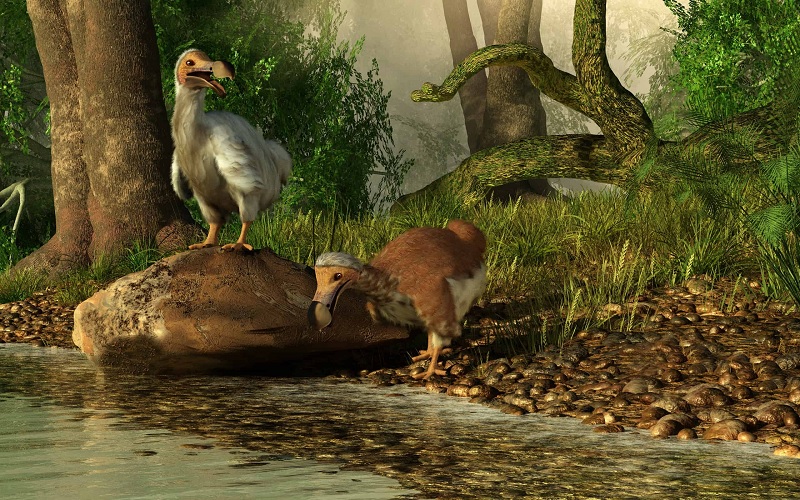
Many people have wondered at some point: are dodo birds alive today? The dodo, a flightless bird native to Mauritius, has become one of the most well-known examples of extinction caused by human activity. Its image often pops up in conversations about lost species, but the truth behind its current status is less known. While the dodo has been extinct for centuries, curiosity about its fate hasn’t faded. This question keeps appearing in classrooms, documentaries, and even casual conversations.
Some stories and internet claims spark confusion, suggesting there might still be living dodos somewhere hidden away. So, are dodo birds alive today? The answer might surprise you, especially with recent advances in science, including de-extinction research and genetic studies. Understanding the real story behind the dodo’s disappearance—and whether there’s any chance of seeing it again—means digging into both history and modern science. Let’s explore the facts behind this iconic bird and its mysterious legacy.
What Was the Dodo Bird?
The dodo bird is one of the most iconic symbols of extinction, yet many people know little about its actual biology and history. This now-extinct bird once roamed the island of Mauritius, thriving in isolation until humans and invasive species arrived. Despite its fame, much of what is popularly believed about the dodo has been distorted by myth and exaggeration. To better understand the bird behind the legend, let’s explore its scientific roots, physical features, and the natural environment it once called home.
Scientific Classification
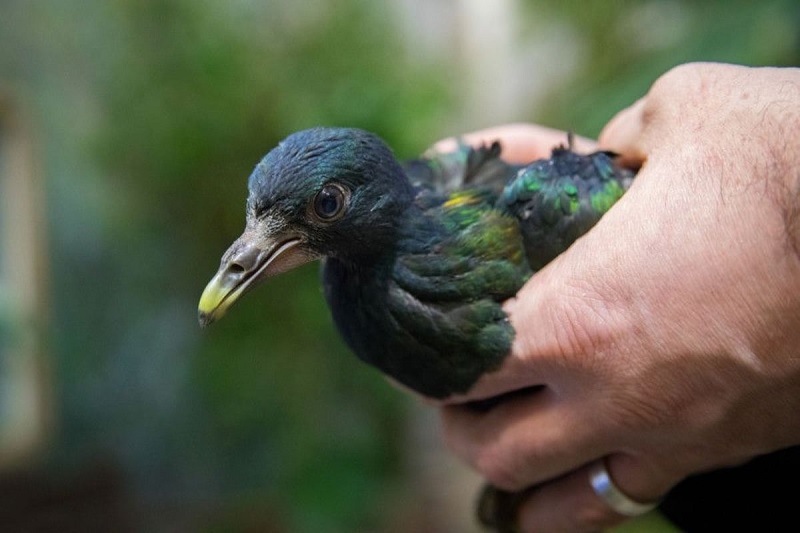
The dodo bird, known scientifically as Raphus cucullatus, was part of the pigeon and dove family, Columbidae. Though it was flightless and large, it shared many traits with its flying relatives. The dodo was most closely related to the Nicobar pigeon, and its evolutionary path is believed to have diverged when a common ancestor colonized Mauritius. Over time, the lack of natural predators and the island’s unique ecosystem shaped the bird into the ground-dwelling species we know from records and fossils.
Physical Characteristics
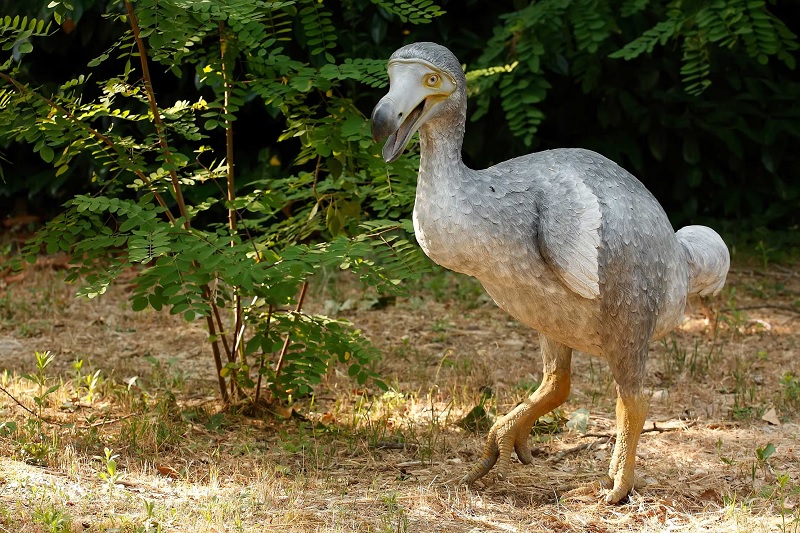
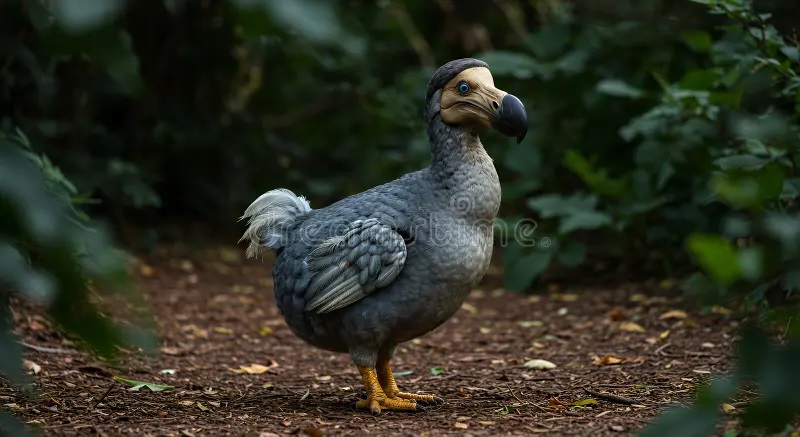
Contrary to the cartoonish image often portrayed, the dodo wasn’t clumsy or unintelligent. It stood about 3 feet tall and weighed between 15 to 20 pounds, although estimates vary. The bird had grayish-brown feathers, a tufted tail, stout yellow legs, and a large, hooked beak that curved downward. Its wings were small and useless for flight, but its legs were strong, likely giving it decent running ability. Despite popular belief, it wasn’t excessively fat—many depictions were based on captive birds that had been overfed or inaccurately drawn from secondhand accounts.
Natural Habitat
The dodo was native to Mauritius, a remote island in the Indian Ocean, east of Madagascar. The island was rich in forests, fresh water, and fruiting plants, creating an ideal environment for a ground-dwelling bird. Without land predators, the dodo adapted to a peaceful, low-threat lifestyle.
It foraged on fallen fruits, seeds, roots, and possibly small land animals. Nests were likely built on the ground, which became a vulnerability after humans and animals such as rats, pigs, and monkeys were introduced to the island in the 1600s. These invaders, along with habitat destruction and hunting, led to the bird’s rapid decline.
Extinction of the Dodo
The extinction of the dodo is one of the most famous and tragic examples of how quickly human influence can wipe out a species. Once abundant on the island of Mauritius, the dodo vanished less than a century after it was first discovered by humans. Its story is more than just a cautionary tale—it’s a look into how fragile isolated ecosystems can be when suddenly exposed to outside threats. Understanding when and how the dodo disappeared helps highlight the impact of environmental disruption and human interference.
Timeline of Extinction
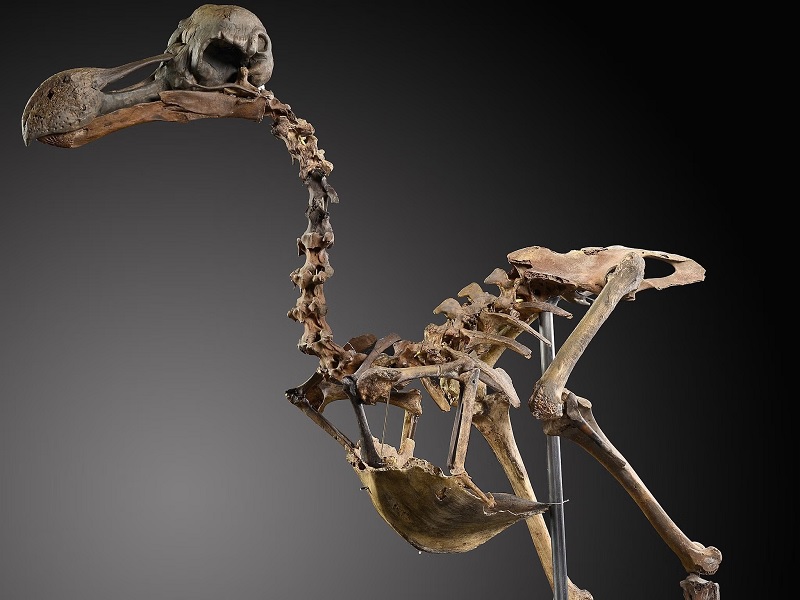
The first recorded sighting of the dodo by Dutch sailors was in 1598. Within just a few decades, the bird’s population began to decline rapidly. By the late 1600s, reports of dodo sightings became increasingly rare. The last widely accepted sighting occurred in 1662. Though there were unconfirmed claims afterward, most scientists agree the dodo was extinct by the late 17th century—less than 70 years after humans first arrived on the island.
Causes of Extinction
Several factors contributed to the rapid extinction of the dodo, but the root cause was its inability to adapt to sudden environmental changes. Being flightless and unfamiliar with predators, the dodo had no defenses against new threats. Its nesting habits made eggs and chicks easy targets.
In addition, the bird’s diet and behavior were finely tuned to the specific conditions of Mauritius. When those conditions changed—especially with the introduction of non-native species—the dodo couldn’t keep up. Loss of habitat and increased competition for food further pushed it toward extinction.
Human Involvement
Humans played a direct and indirect role in the extinction of the dodo. Sailors and settlers hunted the bird for food, although it’s unclear how regularly it was eaten due to reported toughness and poor flavor. More significantly, humans brought with them invasive species such as rats, pigs, and monkeys. These animals raided dodo nests, eating eggs and reducing the bird’s ability to reproduce. Humans also began clearing forests, shrinking the dodo’s natural habitat. All of these changes happened so quickly that the dodo had no chance to adapt or relocate.
Are Dodo Birds Alive Today?
The question “Are dodo birds alive today?” continues to spark curiosity around the world. This extinct bird, once native to Mauritius, has become a symbol of lost species and human impact on nature. While the dodo is widely accepted as extinct, occasional rumors, myths, and speculative science keep the question alive. To understand the truth, it’s important to look at the scientific evidence, the origin of common misconceptions, and the stories that still circulate about possible sightings.
Scientific Consensus
According to scientists and conservation experts, the dodo is undeniably extinct. The last widely accepted sighting occurred in 1662, and since then, there has been no verified evidence of the bird’s existence. Extensive research, including fossil studies and historical records, supports the conclusion that the species vanished in the 17th century. Modern genetic studies have been able to analyze dodo DNA from preserved remains, but no living populations have ever been found, nor is there any serious scientific claim that one exists today in the wild or captivity.
Rumors and Misconceptions
Despite the scientific consensus, myths surrounding the dodo’s survival persist. Some of this confusion comes from inaccurate representations in media and pop culture, where the dodo is often shown as a goofy or misunderstood creature rather than a real animal that once thrived in a specific ecosystem.
There are also misleading claims online suggesting that small populations may still exist in remote regions, though none have been supported by credible evidence. The interest in de-extinction and cloning technology has also blurred the line between science fiction and possibility, leading some to believe the dodo might be revived or already brought back.
Documented Sightings and Myths
Over the centuries, there have been scattered reports of dodo-like birds spotted in various parts of the world. However, none of these claims have stood up to scrutiny. Most so-called sightings have turned out to be misidentified birds or complete fabrications.
The most persistent myths often come from poorly translated historical accounts or exaggerated sailor tales from the 1600s. Even in modern times, some internet hoaxes and viral posts have claimed photographic proof or secret populations, but these are almost always debunked quickly.
Dodo Bird in Modern Science
While the dodo has been extinct for centuries, its story is far from over. Modern science has found new ways to explore the life and biology of this iconic bird. From breakthroughs in DNA research to bold ideas about de-extinction and cloning, the dodo continues to play a role in cutting-edge scientific discussions. The question is no longer just about are dodo birds alive today, but whether science might one day bring them back—or whether it should.
DNA and Genetic Research
In recent years, scientists have successfully extracted and studied DNA from dodo remains, including bones and preserved tissues. These samples have allowed researchers to better understand the bird’s genetic makeup and its relationship to modern species like pigeons and doves. In 2022, scientists even managed to sequence a nearly complete dodo genome. This has opened doors to studying the dodo’s biology in much more detail than ever before, offering insights into its evolution, physiology, and reasons for extinction.
De-Extinction Possibilities
With advancements in genetic engineering, the idea of de-extinction—bringing extinct species back to life—has gained attention. The dodo is often mentioned alongside other candidates like the woolly mammoth and the passenger pigeon. Using the genetic data collected, scientists could, in theory, edit the DNA of a closely related living species (such as the Nicobar pigeon) to recreate something similar to the dodo. Companies and researchers have already begun early-stage experiments toward this goal, though the process is complex and faces many scientific hurdles.
Cloning and Ethical Considerations
Cloning the dodo presents major challenges. Unlike recently extinct animals, the dodo has no preserved cells suitable for cloning, which means scientists would have to rely on synthetic biology rather than traditional cloning methods. Beyond the technical barriers, there are serious ethical questions to consider. Should extinct animals be brought back at all? What kind of environment would they live in? Would they have a place in today’s ecosystems, or would they just be biological curiosities? Critics argue that resources might be better spent protecting endangered species that are still alive today, rather than reviving ones that are long gone.
Legacy of the Dodo
Though extinct for more than 350 years, the dodo bird continues to leave a lasting mark on both culture and science. Its story resonates far beyond the shores of Mauritius, where it once lived, serving as a powerful symbol of lost species and human impact on the environment. The legacy of the dodo is not just a tale of extinction—it’s a reminder of what happens when ecosystems are disrupted and species aren’t protected. In today’s world, its influence is seen in everything from popular media to global conservation efforts.
Cultural Impact
The dodo has become a symbol recognized across the globe. It appears in books, cartoons, films, and even video games—often portrayed as a quirky, clumsy, or unlucky creature. Perhaps most famously, Lewis Carroll featured the dodo in Alice’s Adventures in Wonderland, where it symbolized absurdity and whimsy. Over time, the phrase “dead as a dodo” has entered common language as a way to describe something that’s truly gone forever.
This cultural presence has helped keep the memory of the dodo alive, even among people who know little about its real biology or history. In many ways, the bird has become a mascot for extinction itself—an image that stirs curiosity, sympathy, and reflection. Its popularity also helps draw attention to larger environmental issues, making it more than just a footnote in natural history.
Conservation Lessons Learned
The extinction of the dodo was one of the first major wake-up calls in human history about the fragility of wildlife. When sailors arrived in Mauritius in the late 1500s, they brought with them hunting practices and invasive species that devastated the island’s ecosystem. Within just a few decades, the dodo was gone. It wasn’t until later that people realized the scale of what had been lost.
This event has since become a foundational case study in conservation biology. It taught scientists and policymakers how quickly species can disappear when their environments are altered by human activity. The story of the dodo has inspired international conservation efforts, including stricter protections for endangered animals and the preservation of habitats.
Frequently Asked Questions
Are Dodo Birds Alive Today?
No, dodo birds are not alive today. The species, Raphus cucullatus, went extinct in the late 1600s, shortly after humans arrived on the island of Mauritius. The last widely accepted sighting was in 1662. Since then, there have been no verified reports of living dodos. Although the idea of dodos still existing is sometimes spread online or in pop culture, there is no scientific evidence to support these claims.
Could Scientists Bring The Dodo Bird Back To Life?
Scientists are exploring the possibility of de-extinction using advanced genetic engineering, but bringing the dodo back is not currently possible. Researchers have successfully sequenced much of the dodo’s DNA, and some believe that gene editing, combined with a closely related species like the Nicobar pigeon, could be a starting point. However, this process is complex, expensive, and still in early stages. Even if it’s technically achievable in the future, ethical and ecological concerns remain.
Why Do People Think Dodo Birds Might Still Exist?
The belief that dodo birds might still exist often comes from myths, rumors, and misinterpreted stories. Occasionally, unverified sightings or online hoaxes claim the dodo has been found in remote areas, but these are always debunked. Pop culture also plays a big role—cartoons, books, and films sometimes depict the dodo as if it never went extinct, which can confuse people unfamiliar with the true history.
What Caused The Extinction Of The Dodo Bird?
The dodo became extinct mainly due to human activity. When European sailors arrived in Mauritius, they hunted the dodo and introduced invasive animals like rats, pigs, and monkeys that ate the dodo’s eggs. The bird had no natural predators before that and couldn’t defend itself or adapt quickly. Habitat destruction also played a role. These factors combined led to the rapid decline and eventual extinction of the species in just a few decades.
Is There Any Chance Dodo Birds Are Hiding Somewhere?
There is no realistic chance that dodo birds are hiding somewhere. They were native only to Mauritius, and the island has been thoroughly explored and studied. Unlike large forests or remote regions where unknown animals might still exist, Mauritius is relatively small and developed. With no verified sightings for over 350 years, the scientific consensus is clear: the dodo is extinct.
Conclusion
The question “Are dodo birds alive today?” continues to spark curiosity, but the clear answer is no. The dodo has been extinct since the 1600s, a result of human interference and introduced predators on the island of Mauritius. Despite myths and occasional rumors, there is no scientific evidence that dodos still exist today.
However, advancements in genetic research and de-extinction technology have opened the door to future possibilities, though they remain speculative. The legacy of the dodo serves as a powerful reminder of the impact humans can have on nature. While the bird itself may be gone, its story continues to educate and inspire efforts to protect today’s endangered species before it’s too late.