
Are mockingjays real birds? This question often pops up among fans of The Hunger Games series, where mockingjays play a significant symbolic role. In reality, mockingjays are not actual bird species you can find in nature. They are fictional creatures created by author Suzanne Collins, inspired by a blend of real birds like the mockingbird and the jay. The mockingjay represents a unique hybrid in the story’s universe, symbolizing rebellion and hope.
While the bird itself isn’t real, it draws from characteristics of real birds, such as the mockingbird’s ability to mimic sounds and the intelligence of jays. So, if you’re wondering whether mockingjays exist outside of the books and movies, the answer is no—they are a product of imagination. However, their design and concept are deeply rooted in the behaviors and traits of real birds, making them feel familiar and believable to readers and viewers alike.
What Are Mockingjays?
Mockingjays are fictional birds that have captured the imagination of readers and fans around the world, thanks largely to their prominent role in The Hunger Games series. But what exactly are mockingjays, and where did this concept come from? Let’s dive deeper into their origins and cultural significance.
Origin of the Mockingjay Concept
Mockingjays are not real birds; they are a fictional hybrid species created by Suzanne Collins for her dystopian series The Hunger Games. The idea of the mockingjay originated from a blend of two real birds: the mockingbird and the jay. In the story’s universe, mockingjays came about as an unintended result of a failed government experiment. The Capitol tried to use genetically engineered birds called “jabberjays” as spies, designed to mimic and repeat conversations. However, when the rebels discovered this, they released female mockingbirds, which mated with the jabberjays, producing the mockingjays.
These birds, unlike the jabberjays, could survive in the wild and were not controllable by the Capitol. Symbolically, mockingjays represent unintended consequences, resistance, and survival—themes that resonate strongly throughout the series.
Role in Popular Culture (The Hunger Games)
In The Hunger Games, mockingjays quickly become more than just birds—they evolve into powerful symbols of hope and rebellion. The protagonist, Katniss Everdeen, is often associated with the mockingjay, especially through the iconic mockingjay pin she wears. This pin becomes a symbol for the resistance against the oppressive Capitol regime.
Mockingjays are portrayed as intelligent, resilient, and adaptable creatures, mirroring Katniss’s own qualities. Their songs, a blend of different bird calls, symbolize communication and unity in a divided world. The mockingjay’s image spreads throughout Panem as a rallying emblem, inspiring the oppressed districts to fight for freedom.
Beyond the books and movies, mockingjays have found a place in popular culture. They appear in fan art, merchandise, and discussions about symbolism in literature. Their fictional nature hasn’t stopped them from becoming a real icon of courage and rebellion in storytelling.
Biological Classification of Mockingjays
Although mockingjays are fictional birds, it’s interesting to explore how they might be classified biologically if they existed in the real world. Understanding their classification also helps us appreciate how closely their characteristics align with real birds and how they were inspired by nature.
Comparison to Real Bird Species
Mockingjays are often described as a hybrid between two distinct types of birds: the mockingbird and the jay. Mockingbirds belong to the family Mimidae, known for their remarkable ability to mimic sounds and calls from their environment. Jays, on the other hand, are part of the Corvidae family, which includes intelligent birds like crows and ravens. Both birds are native to North America and share traits such as high intelligence and complex vocalizations.
If mockingjays were real, biologically, they might fit somewhere between these two families, combining the vocal mimicry of the mockingbird with the social behavior and striking coloration typical of jays. Their ability to mimic sounds, including human speech, and their adaptability to various environments reflect traits observed in both these groups.
Are Mockingjays Based on Any Real Birds?
The creation of the mockingjay is inspired by real bird species, but it is important to note that no actual bird fits the exact description. The jabberjay, a genetically engineered bird in The Hunger Games series, was designed as a mimic and spy, much like the real-life mockingbird’s mimicry skills. However, jabberjays were entirely fictional.
The mockingjay, born from the mating of jabberjays and mockingbirds, symbolizes a hybrid with traits drawn from both parents. This fictional bird combines the intelligence, mimicry, and adaptability seen in mockingbirds and jays but adds an imaginative twist that makes it unique to the story.
While the mockingjay itself does not exist in nature, it reflects how real birds have inspired its design. The blend of familiar traits gives it a sense of realism, allowing fans to connect emotionally and symbolically with the bird despite its fictional status.
Characteristics of Mockingjays in Fiction
Mockingjays are much more than just fictional birds in The Hunger Games universe—they carry rich characteristics that make them memorable and meaningful. From their distinct appearance and behavior to their deep symbolic significance, mockingjays play a crucial role in the story’s narrative and themes.

Appearance and Behavior
In fiction, mockingjays are described as medium-sized birds with the vibrant plumage and striking features of jays combined with the sleekness and grace of mockingbirds. Their feathers typically have shades of gray and blue with subtle patterns that help them blend into their surroundings, making them both beautiful and elusive. Unlike ordinary birds, mockingjays have the unique ability to mimic a wide variety of sounds, including human speech and other bird calls, which makes them exceptional communicators within the story.
Behaviorally, mockingjays are intelligent, adaptable, and resilient. They thrive in environments where other species might struggle to survive, a trait that parallels the survival and resistance themes present throughout The Hunger Games. Their capacity to mimic sounds is not just a quirk; it becomes a vital tool for communication, warning, and storytelling within the series. This clever behavior reflects their resourcefulness, making them a natural symbol of hope and resistance.
Symbolism and Meaning
Mockingjays carry powerful symbolism in The Hunger Games, serving as an emblem of rebellion, survival, and hope. The Capitol, the oppressive government in the story, originally engineered jabberjays to spy on the rebels, but when the jabberjays mated with wild mockingbirds, the resulting mockingjays became a symbol the Capitol could not control.
For the districts fighting against tyranny, the mockingjay represents unintended consequences of oppression and the spirit of resistance that can’t be crushed. Katniss Everdeen, the series’ protagonist, is often linked with the mockingjay, especially through the iconic pin she wears. This connection transforms the bird into a rallying symbol that unites and inspires those who seek freedom.
On a deeper level, the mockingjay’s ability to mimic diverse sounds symbolizes communication and unity among diverse groups. It suggests that even in a fractured society, voices can come together to create change. The bird’s resilience in the wild also mirrors the characters’ struggles and the overarching theme of hope against overwhelming odds.
Real Birds Similar to Mockingjays
While mockingjays themselves are fictional creations from The Hunger Games, they are inspired by and share traits with several real bird species. Understanding these real birds helps to appreciate how the concept of mockingjays blends imagination with nature. Let’s explore some of the closest real-world counterparts.
Northern Mockingbird
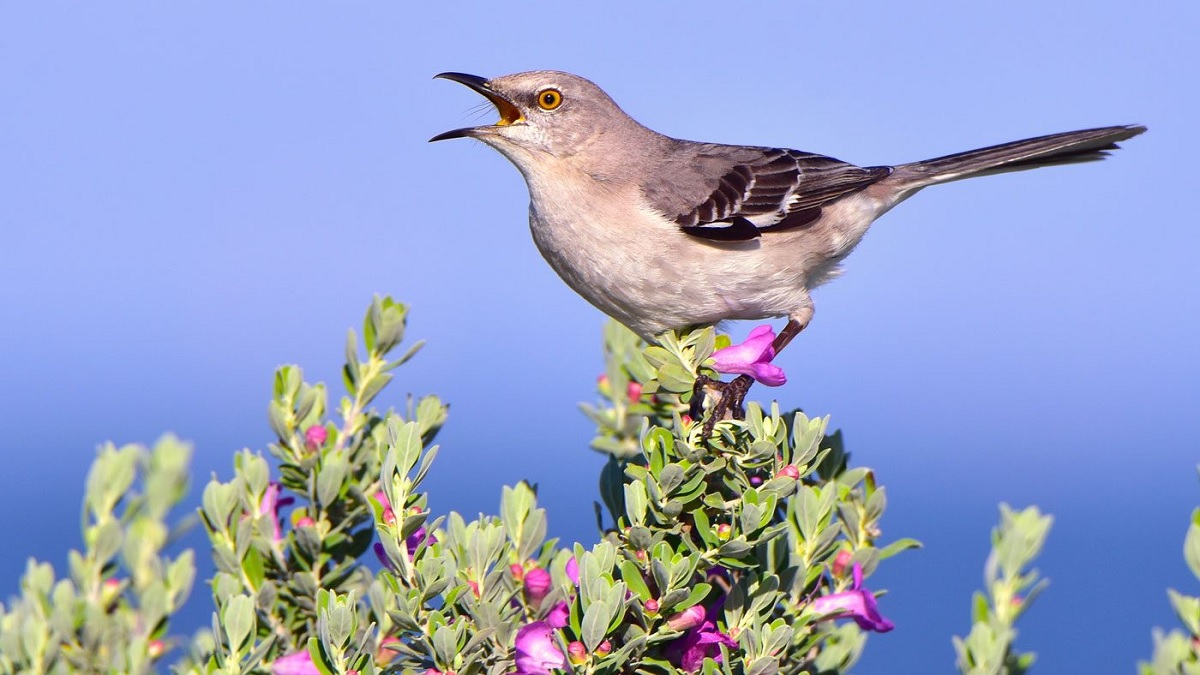
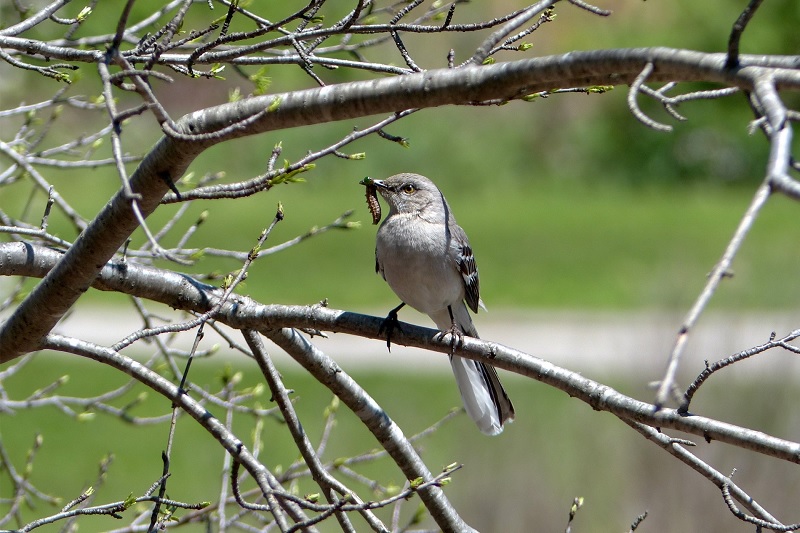
The Northern Mockingbird (Mimus polyglottos) is perhaps the most famous real bird that inspired the mockingjay’s vocal abilities. Known for its impressive skill in mimicking the songs and calls of other birds, as well as environmental sounds like car alarms and human voices, the Northern Mockingbird is a master of vocal mimicry. Found across much of North America, it is medium-sized with grayish feathers and white wing patches that flash in flight.
These birds are highly territorial and intelligent, using their vocal talents to communicate and defend their territory. Their adaptability and ability to thrive in diverse environments align closely with the fictional mockingjay’s characteristics of resilience and communication. The Northern Mockingbird’s real-world presence helped bring credibility to the concept of a bird with extraordinary mimicry skills.
Jay Species
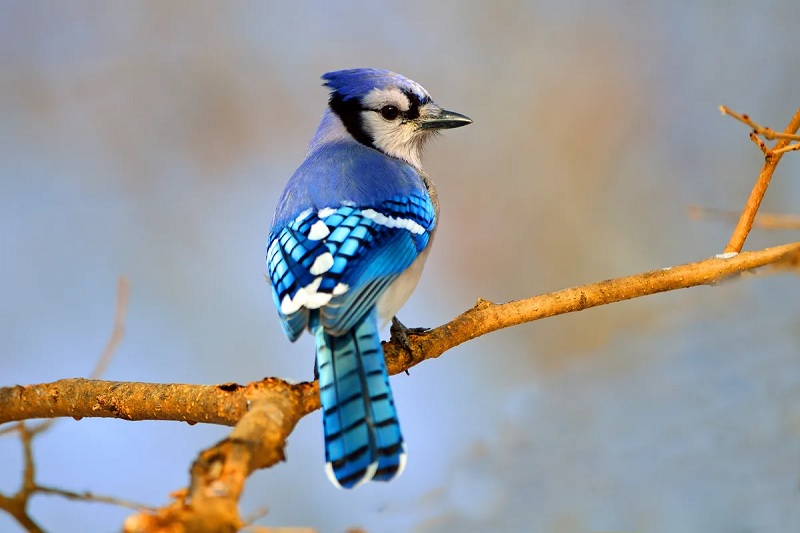
Jays are part of the Corvidae family, a group known for their intelligence and complex social behaviors. Species like the Blue Jay (Cyanocitta cristata) are colorful, loud, and curious birds found mainly in North America. Jays are known for their striking blue plumage, sharp calls, and resourcefulness.
Their bold behavior and striking appearance likely influenced the mockingjay’s design in fiction. Jays are also known for their adaptability and ability to thrive in varied habitats, from forests to urban areas. Their social nature and vocal range make them excellent candidates as a basis for the fictional hybrid bird, combining the vocal skills of mockingbirds with the boldness and intelligence of jays.
Hybrid or Mythical Birds in Nature
While mockingjays are fictional hybrids, nature does occasionally present real hybrids or birds with mythical reputations. For example, hybridization between closely related bird species can sometimes occur in the wild, creating unique offspring with combined traits. However, these natural hybrids rarely possess the kind of extraordinary mimicry or symbolic significance attributed to the mockingjay.
Mythical or legendary birds—like the phoenix or griffin—exist purely in folklore, symbolizing rebirth or strength, much like the mockingjay symbolizes hope and resistance. The mockingjay can be seen as a modern mythic bird, inspired by real avian biology but elevated to a symbolic status through storytelling.
Why Mockingjays Are Not Real Birds
Mockingjays have fascinated readers and viewers for years, but despite their vivid portrayal in The Hunger Games, they remain purely fictional. Understanding why mockingjays are not real birds involves exploring both the scientific and creative aspects behind their existence—or lack thereof.
Genetic Impossibility
At the heart of why mockingjays cannot exist in the real world is the issue of genetics. In The Hunger Games universe, mockingjays are described as the offspring of jabberjays and mockingbirds. Jabberjays themselves are genetically engineered birds created by the Capitol, designed to spy by mimicking human voices and repeating conversations.
In reality, such a hybrid is genetically improbable, if not impossible. Jabberjays do not exist outside of the fictional world, and the concept of genetically engineering birds to spy through mimicry pushes the boundaries of current science. Even if jabberjays did exist, successful hybridization with mockingbirds would face significant biological barriers, such as differences in chromosomes and reproductive compatibility.
Furthermore, the ability of these fictional birds to mimic complex human speech with perfect accuracy is beyond the capability of any known bird species. While some real birds, like parrots and mockingbirds, can imitate sounds, their vocalizations remain limited compared to human language.
Fictional Creation by Suzanne Collins
Mockingjays owe their existence to the creative imagination of Suzanne Collins, the author of The Hunger Games trilogy. Collins designed the mockingjay as a powerful symbol of unintended consequences and resistance—a bird born from the Capitol’s own failed experiment, representing rebellion and hope.
The mockingjay was crafted to serve as a narrative tool rather than a biologically accurate species. Its traits—vocal mimicry, resilience, and symbolic importance—were designed to enrich the story’s themes and emotional impact. By blending familiar traits from real birds with imaginative elements, Collins created a believable yet fictional creature that resonates deeply with readers.
The bird’s symbolic role is central to its appeal, making it a metaphor for survival and defiance rather than a species grounded in scientific reality. The mockingjay’s story reflects the power of fiction to create meaningful symbols that inspire and captivate audiences.
Frequently Asked Questions
Are Mockingjays Real Birds Found In Nature?
No, mockingjays are not real birds found in nature. They are fictional creatures created by Suzanne Collins for The Hunger Games series. While inspired by real birds like mockingbirds and jays, mockingjays themselves do not exist outside the books and movies.
What Real Birds Inspired The Mockingjay?
The mockingjay is inspired primarily by two real bird species: the Northern Mockingbird and various species of jays. Mockingbirds are known for their ability to mimic sounds, while jays are intelligent and colorful birds. The fictional mockingjay combines traits from both, blending mimicry and boldness.
Why Can’t Mockingjays Exist In Reality?
Mockingjays cannot exist in reality mainly due to genetic and biological reasons. The story describes them as hybrids of jabberjays and mockingbirds, but jabberjays are genetically engineered and don’t exist in the real world. Hybridization between such different birds is also biologically improbable.
What Role Do Mockingjays Play In The Hunger Games?
In The Hunger Games, mockingjays symbolize rebellion, hope, and survival. They originated as an unintended consequence of the Capitol’s experiments and became a rallying emblem for the districts fighting oppression. The protagonist, Katniss Everdeen, is closely associated with the mockingjay symbol.
Are There Any Birds That Can Mimic Human Speech Like Mockingjays?
While mockingjays are fictional, some real birds can mimic human speech to a degree. Parrots and some species of mynah birds can imitate words and sounds. Mockingbirds can mimic other bird calls and noises but do not perfectly replicate human speech like the fictional jabberjays or mockingjays.
How Did Suzanne Collins Come Up With The Idea Of The Mockingjay?
Suzanne Collins created the mockingjay as a fictional hybrid to represent unintended consequences and resistance. She drew inspiration from real birds like mockingbirds and jays, combining their characteristics into a unique symbol that carries deep meaning within her story’s dystopian world.
Can You Find Mockingjay Merchandise Or Symbols In Real Life?
Yes, while mockingjays are fictional, their symbol has become popular in real life thanks to The Hunger Games franchise. You can find mockingjay-themed jewelry, pins, clothing, and artwork, all celebrating the bird’s role as a symbol of hope and rebellion.
Conclusion
mockingjays are not real birds but fascinating fictional creations inspired by real species like mockingbirds and jays. Designed by Suzanne Collins for The Hunger Games, mockingjays symbolize resilience, hope, and rebellion, making them powerful icons within the story’s world. While their remarkable ability to mimic sounds and their hybrid origin spark curiosity, these traits remain firmly in the realm of fiction due to biological and genetic impossibilities.
Despite not existing in nature, mockingjays have captured the imagination of readers and fans worldwide, proving how storytelling can bring mythical creatures to life in meaningful ways. So, if you’ve ever wondered, “Are mockingjays real birds?” the answer is no—but their symbolic impact is very real.