
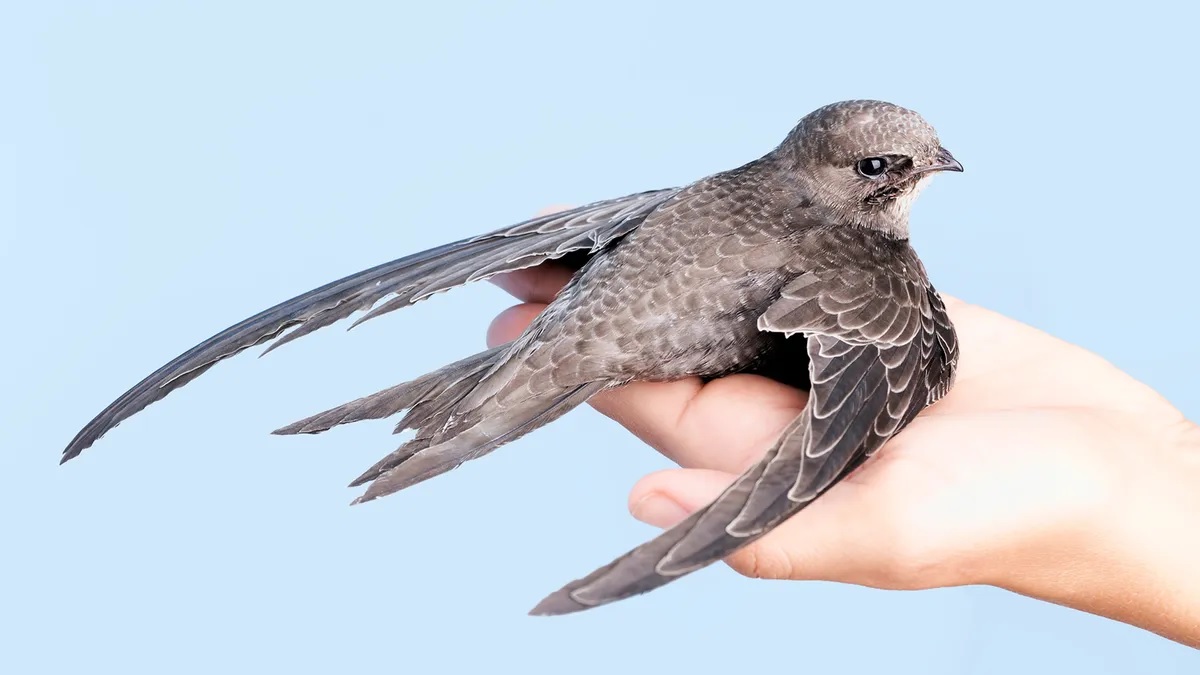
Are there any birds that give live birth? This question sparks curiosity because, unlike mammals, birds are widely known for laying eggs rather than giving birth to live young. The idea of a bird giving live birth challenges what we typically understand about avian reproduction. Birds belong to a group of animals called oviparous species, meaning they reproduce by laying eggs that hatch outside the mother’s body. This is a well-established fact supported by centuries of biological research and observation.
However, the curiosity remains: could there be any exceptions to this rule? Exploring this question helps us dive deeper into the fascinating world of bird biology and reproductive strategies. While many animals have evolved diverse methods of reproduction, the bird world sticks to the egg-laying tradition. In this introduction, we’ll investigate whether any birds truly give live birth or if this remains solely a characteristic of other animal groups.
Overview of Bird Reproduction
Bird reproduction is a fascinating process that plays a crucial role in the survival and continuation of countless species around the world. Understanding how birds reproduce offers insight into their biology, behavior, and evolution. Unlike mammals that give live birth, birds have a unique reproductive system centered around egg laying, which has remained consistent through millions of years of evolution. This section explores the typical bird reproductive process and highlights the critical stages of egg laying and incubation.
Typical Bird Reproductive Process
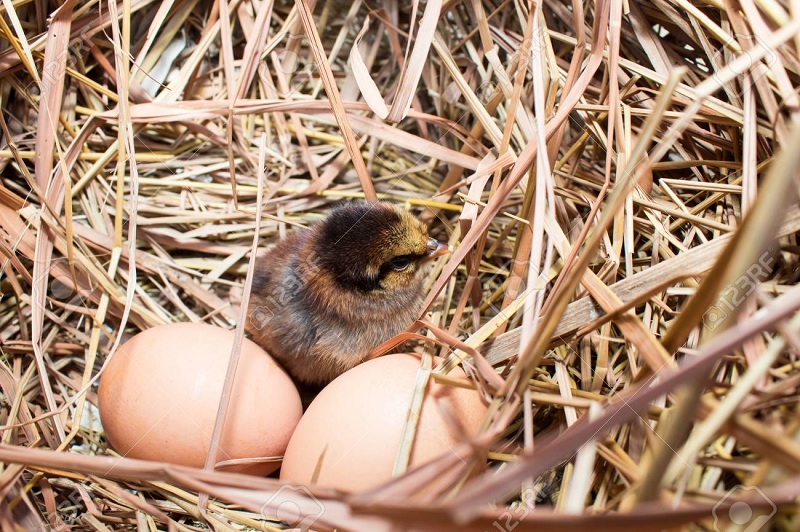
The reproductive process in birds begins with mating, where male and female birds come together to fertilize eggs internally. Unlike some animals that give live birth, birds are oviparous, meaning they lay eggs that develop and hatch outside the mother’s body. Once fertilization occurs, the female’s body starts developing eggs, which consist of a yolk, albumen (egg white), and protective shell.
After the egg is fully formed inside the female, it is laid in a nest constructed to protect it from predators and environmental factors. The location and construction of the nest vary widely among bird species, from simple scrapes on the ground to elaborate woven structures in trees. The number of eggs laid per clutch (a set of eggs laid at one time) also varies depending on the species, ranging from a single egg to over a dozen.
Egg Laying and Incubation
Egg laying is just the first part of the reproductive journey. Once the eggs are laid, incubation begins—a crucial phase where the parent bird (or sometimes both parents) keeps the eggs warm until they hatch. The warmth is essential because it activates the embryo’s development inside the egg. Birds use their bodies to provide the necessary heat, often sitting on the eggs for extended periods.
Incubation periods differ by species but generally last from about 10 days to over a month. During this time, parent birds may take turns incubating the eggs, allowing one to forage for food while the other keeps the eggs warm. This shared responsibility ensures the survival of the developing embryos.
Once the incubation period is over, the chicks hatch and emerge from their eggs. At this point, the parents continue to care for their young, feeding and protecting them until they are ready to survive on their own. This entire process—from fertilization to hatching—is a testament to the intricate and well-adapted reproductive strategies birds have developed to thrive in diverse environments.
Live Birth in the Animal Kingdom
Live birth is a reproductive strategy that many animals use to bring new life into the world, and it contrasts sharply with egg laying. This method is especially common in mammals and some other animal groups but is generally absent in birds. To better understand why birds don’t give live birth, it’s important to explore what live birth means and which animals commonly use this reproductive strategy.
Definition of Live Birth
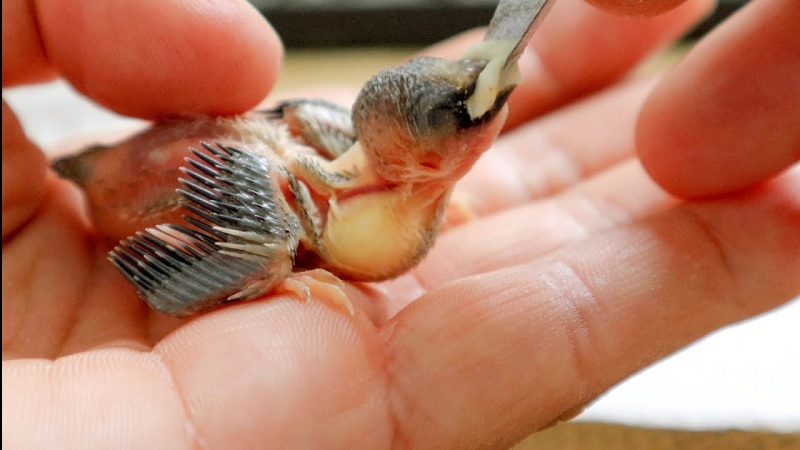
Live birth, scientifically known as viviparity, refers to the process where an animal gives birth to fully formed, living offspring instead of laying eggs that hatch externally. In this method, the developing embryo grows inside the mother’s body, receiving nourishment directly from her, often through a placenta or similar structure. This internal development offers protection and a steady supply of nutrients, increasing the chances of survival for the newborn.
Unlike oviparous animals, which lay eggs that incubate outside the mother’s body, viviparous animals carry their young internally until they are ready to survive independently. This strategy requires more energy and resources from the mother but offers advantages such as protection from environmental hazards and predators during the early developmental stages.
Examples of Live-Bearing Animals (Non-Birds)
Live birth is widespread in the animal kingdom, especially among mammals. Humans, dogs, cats, elephants, and whales are well-known examples of mammals that give birth to live young. These animals invest significant time and care into gestation and nurturing their offspring, often resulting in a higher survival rate.
Beyond mammals, live birth also occurs in some reptiles and fish. Certain species of snakes, such as boas and vipers, are viviparous, giving birth to live young rather than laying eggs. Similarly, some sharks and rays practice live birth, nourishing their embryos internally until birth.
Interestingly, while live birth is common in these groups, it remains virtually nonexistent in birds. Birds have evolved different reproductive strategies centered on egg laying and incubation, which suit their anatomy and lifestyle. Their lightweight skeletal structure and metabolic needs make egg laying a more efficient method for reproduction.
Are There Any Birds That Give Live Birth?
The question, are there any birds that give live birth?, is intriguing because it challenges common perceptions about how animals reproduce. While live birth is common in many animal groups, especially mammals, the reproductive strategies of birds are quite different. Let’s explore what science says about this topic and why birds have evolved to lay eggs instead of giving birth to live young.

Scientific Consensus on Birds and Live Birth
The scientific consensus is clear: no known bird species gives live birth. Birds belong to a group called oviparous animals, meaning they reproduce by laying eggs that develop and hatch outside the mother’s body. Despite the incredible diversity among bird species, all share this fundamental reproductive trait.
Extensive research in ornithology and animal biology confirms that birds have internal fertilization, but the embryo develops inside a hard-shelled egg, which the mother lays and then incubates until hatching. There are no documented cases of birds carrying developing embryos internally to term and giving birth to live young. This reproductive method has been observed consistently in both wild and captive birds around the world.
Evolutionary Reasons for Egg Laying in Birds
The evolutionary reasons behind egg laying in birds are deeply tied to their physiology and lifestyle. Birds have lightweight skeletons and high metabolic rates optimized for flight. Carrying developing young internally to full term, as mammals do, would increase body weight significantly, making flight more difficult and energetically costly.
Egg laying offers a way to protect and nourish the developing embryo outside the mother’s body, allowing the female bird to maintain mobility and flight efficiency during reproduction. The eggshell acts as a sturdy protective barrier that safeguards the developing chick while allowing necessary gas exchange.
Moreover, the energy demands of pregnancy in mammals are high because the developing young rely on the mother for nourishment until birth. Birds avoid this by investing energy in producing nutrient-rich eggs, then incubating them externally. This reproductive strategy has been successful for millions of years, enabling birds to thrive in diverse habitats, from dense forests to open skies.
Exceptional Cases or Misconceptions
The question of whether birds can give live birth sometimes leads to confusion, partly because of rare biological occurrences and misunderstandings. While the scientific consensus is clear that birds do not give live birth, there are exceptional cases and misconceptions that can make the topic seem less straightforward. Let’s explore these unusual situations to clarify why they do not actually prove live birth in birds.
Cases of Egg Retention in Birds
One phenomenon that can cause confusion is egg retention, where a bird temporarily holds an egg inside its reproductive tract longer than usual before laying it. This can happen due to stress, illness, or environmental factors. During egg retention, the egg remains inside the bird’s body, which might give the mistaken impression that the bird is “giving live birth.”
In some extreme cases, the egg may even begin to hatch inside the bird’s body, a condition known as internal pipping. This can lead to a chick emerging while still partially inside the mother, but it is not true live birth. Instead, it is an abnormal event where the egg hatches prematurely but is still laid afterward or the chick may die if trapped inside.
Egg retention and internal pipping are rare and often harmful to the bird, not typical or evolutionary adaptations. These situations do not mean birds have evolved viviparity or live birth like mammals or some reptiles.
Misinterpreted Observations
Another source of confusion comes from misinterpreted observations, folklore, or myths. In some cultures, stories and anecdotes may suggest that certain birds give live birth, but these claims usually stem from misunderstanding natural processes or observing rare complications like egg retention.
Additionally, some people confuse birds that carry their young for long periods after hatching or exhibit unusual nesting behaviors as evidence of live birth. However, no matter how attentive the parents are, the chicks always hatch from eggs laid earlier.
Scientifically, no evidence supports the existence of live birth in birds. The anatomical and physiological structures of birds are specifically designed for egg production and laying, not for carrying live embryos internally until birth. Therefore, any claim of live birth in birds generally arises from either misinterpretation or rare pathological cases.
Frequently Asked Questions
Why Don’t Birds Give Live Birth Like Mammals?
Birds don’t give live birth primarily because of their evolutionary adaptations for flight. Carrying developing young internally until birth would add significant weight, making flying inefficient or impossible. Instead, birds have evolved to lay eggs with protective shells, allowing the embryo to develop outside the mother’s body while keeping the bird lightweight and agile.
Can Birds Retain Eggs Inside Their Bodies Longer Than Normal?
Yes, birds can sometimes retain eggs inside their bodies for longer periods, a condition called egg retention. This happens due to stress, illness, or environmental factors. However, this is not live birth. The egg is eventually laid, sometimes even hatching prematurely inside the bird’s body, but the chick is still born from the egg, not directly from the mother.
Are There Any Exceptions In The Animal Kingdom Where Animals Similar To Birds Give Live Birth?
While birds themselves don’t give live birth, some reptiles closely related to birds, like certain snakes and lizards, do exhibit live birth. These animals have evolved viviparity independently. However, birds have remained oviparous throughout their evolution and show no exceptions to this rule.
How Does Egg Laying Benefit Birds Compared To Live Birth?
Egg laying benefits birds by allowing the female to remain light and agile, which is essential for flight. The protective eggshell safeguards the developing embryo while the parent incubates it externally. This method also allows birds to invest energy in producing nutrient-rich eggs rather than carrying the growing embryo internally, which would be more demanding.
What Happens During Internal Pipping In Birds?
Internal pipping occurs when a chick starts to hatch while still inside the egg within the mother’s body, usually due to egg retention. This is a rare and often dangerous situation that is not the same as live birth. The chick may partially emerge inside the bird but is generally laid shortly after or may not survive if trapped.
Could Any Future Evolution Lead Birds To Give Live Birth?
It’s highly unlikely that birds will evolve live birth in the future. Their entire anatomy, including lightweight bones and high metabolism designed for flight, is optimized for egg laying. Evolution favors traits that improve survival and reproductive success, and for birds, laying eggs remains the most effective strategy.
How Can I Tell The Difference Between Live Birth And Egg Laying In Birds?
The key difference is that in live birth, the young develop fully inside the mother and are born as live offspring, whereas in egg laying, embryos develop inside eggs outside the mother’s body. If you observe birds, you’ll notice they build nests and incubate eggs until hatching, rather than giving birth to live chicks directly from their bodies.
Conclusion
The question are there any birds that give live birth is answered clearly by science: no birds give live birth. Birds have evolved to reproduce exclusively through egg laying, a strategy perfectly suited to their physiology and lifestyle. While rare cases like egg retention may cause confusion, they do not represent true live birth. The lightweight structure and need for flight make carrying developing young internally impractical for birds.
Instead, egg laying allows them to protect and nurture their offspring efficiently outside the body. Understanding these reproductive differences highlights the fascinating diversity in the animal kingdom and reminds us how evolution shapes life in unique ways. So, when it comes to birds, eggs will always be the starting point of new life.