
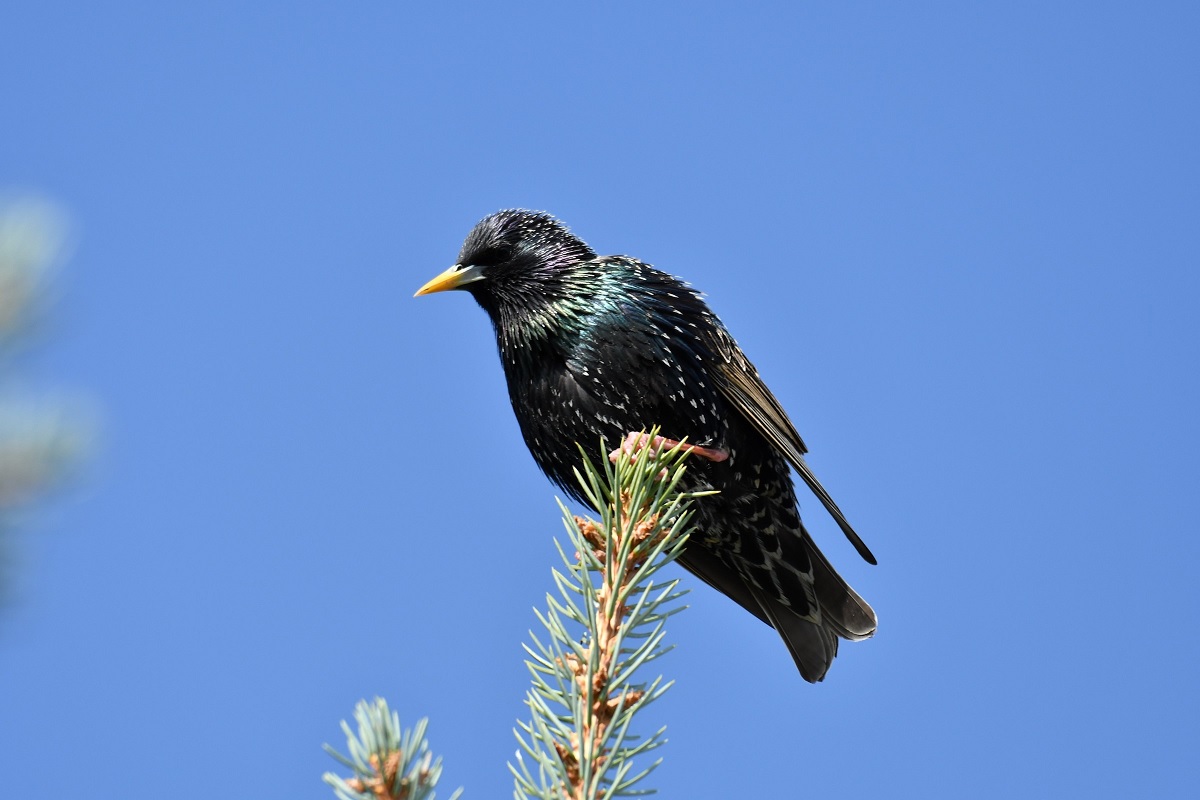
Are there black cardinals birds? This question often pops up among bird enthusiasts and curious nature lovers alike. Cardinals are widely recognized for their vibrant red plumage, especially the males, which makes the idea of a black cardinal seem unusual or even mythical. In reality, while true black cardinals do not exist as a separate species, variations in color can occur due to genetic mutations or other factors.
These rare variations may lead to darker feathers, sometimes appearing almost black. Exploring the science behind these color differences helps clarify what people are actually seeing when they spot these unique birds. Understanding whether black cardinals are a natural phenomenon or simply a mix-up with other birds can deepen our appreciation for nature’s complexity. This introduction aims to clear up the mystery around black cardinals and explain what’s really behind their intriguing appearance.
Understanding Cardinal Birds
Cardinals are among the most recognizable and beloved birds in North America, known for their striking appearance and lively songs. To truly appreciate these birds, it helps to understand their common species, physical traits, and where they are typically found.
Common Species of Cardinals
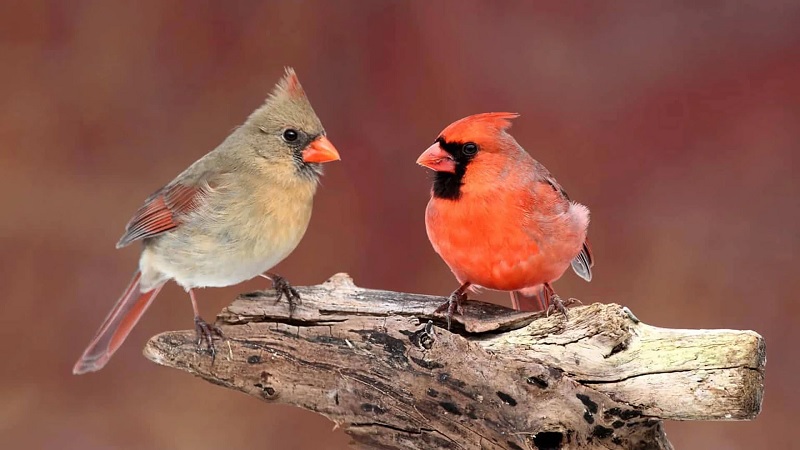
The term “cardinal” primarily refers to birds in the genus Cardinalis. The most well-known species is the Northern Cardinal (Cardinalis cardinalis), famous for its brilliant red males and more muted females. Another notable species is the Pyrrhuloxia (Cardinalis sinuatus), sometimes called the desert cardinal, which has a more subtle coloration with gray and red tones.
Additionally, the Vermilion Cardinal (Cardinalis phoeniceus) is native to parts of South America and features a bright red plumage similar to the Northern Cardinal but with some distinct differences in shape and song. These species share common traits but vary enough to be easily distinguished by experienced bird watchers.
Physical Characteristics and Color Variations
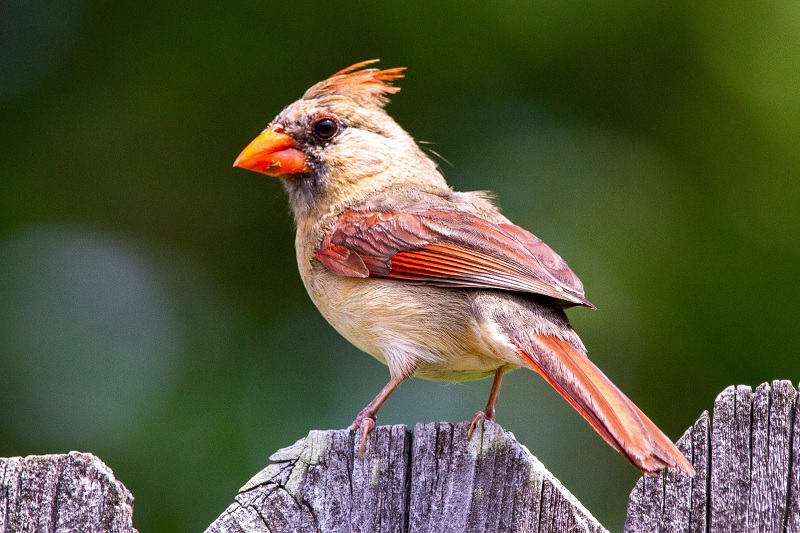
Northern Cardinals are instantly recognizable due to their vibrant red plumage in males, while females display a softer, reddish-brown color with tinges of red on their wings and crest. Both sexes have a distinctive crest on their heads and a sharp, cone-shaped beak perfect for cracking seeds. While red is the signature color, there are interesting variations within cardinal populations.
Sometimes, rare genetic mutations like leucism or melanism can cause unusual coloring. Leucism can make parts of the bird appear pale or white, while melanism results in darker, almost black feathers. These variations are uncommon and often lead to speculation about “black cardinals,” but true all-black cardinals are not a recognized separate species.
Geographic Distribution
Cardinals are primarily found across the eastern and central United States, extending into Mexico and parts of Central America. The Northern Cardinal’s range stretches from southern Canada down to northern Argentina, adapting to various habitats such as woodlands, gardens, and wetlands. Pyrrhuloxia are typically found in arid and desert regions, mainly in the southwestern United States and northern Mexico.
Vermilion Cardinals inhabit tropical and subtropical forests in northern South America. These birds are quite adaptable, thriving in suburban areas where feeders and shrubs provide ample food and shelter. Their widespread distribution and adaptability contribute to their popularity among bird watchers and gardeners alike.
Are There Black Cardinals?
The idea of a black cardinal sparks curiosity and wonder among bird enthusiasts. Cardinals are famously known for their vibrant red color, especially the males, so the concept of a black cardinal can seem surprising or even mysterious. To understand whether black cardinals truly exist, it’s important to explore what people mean when they talk about black cardinals and the science behind unusual bird colorations like melanism.
What People Mean by “Black Cardinal”
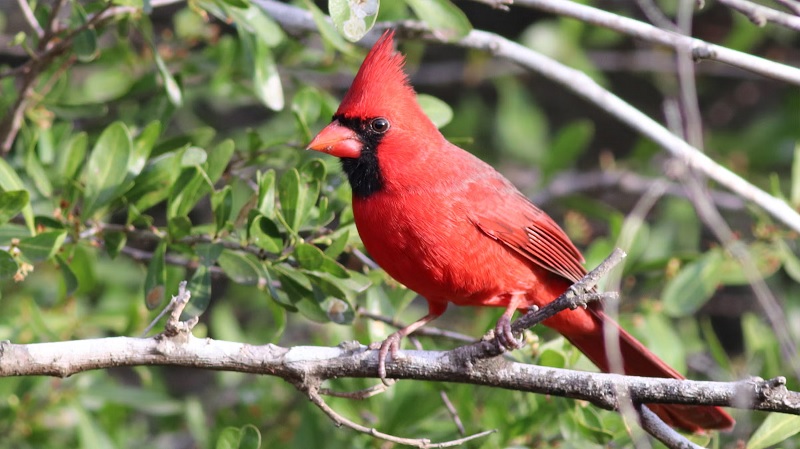
When someone mentions a “black cardinal,” they might be referring to a few different things. Sometimes, people mistake other black or dark-colored birds, such as the Common Grackle or a dark morph of another species, for a cardinal.
Other times, they may be talking about cardinals with unusually dark feathers that look almost black. These dark cardinals aren’t a separate species but are variations within the typical cardinal population. These rare variations often lead to the misconception that there is a distinct black cardinal species when, in reality, these birds still belong to the same species but have different pigmentation.
Melanism in Birds
Definition and Causes
Melanism is a genetic condition that causes an excess of black or dark pigmentation in the feathers, skin, or fur of an animal. It is essentially the opposite of albinism. In birds, melanism results from the overproduction of melanin, the pigment responsible for dark colors. This condition can occur in various bird species and is usually inherited through specific genetic traits. Melanism doesn’t affect the bird’s health but simply changes its appearance.
Melanistic Cardinals – Rare but Possible
Although melanism is relatively uncommon in cardinals, it can occur, leading to individuals that appear significantly darker than the typical bright red male or reddish-brown female. These melanistic cardinals may look nearly black or very dark brown, causing confusion for observers.
Such birds are not a separate species but rare genetic variations within the Northern Cardinal population. Because these melanistic cardinals are so unusual, they attract a lot of attention when spotted, contributing to the myth of “black cardinals.” While fascinating, these dark-colored cardinals are exceptions rather than the rule and remain a rare sight in the wild.
Birds Commonly Mistaken for Black Cardinals
The notion of a black cardinal often leads birdwatchers and nature lovers to misidentify other birds that share similar dark plumage. Since true black cardinals are extremely rare due to genetic factors like melanism, many sightings of “black cardinals” are actually other bird species or cardinals in particular stages of their life cycle. Understanding these common mix-ups can help clarify what people are really seeing when they think they’ve spotted a black cardinal.
Phainopepla
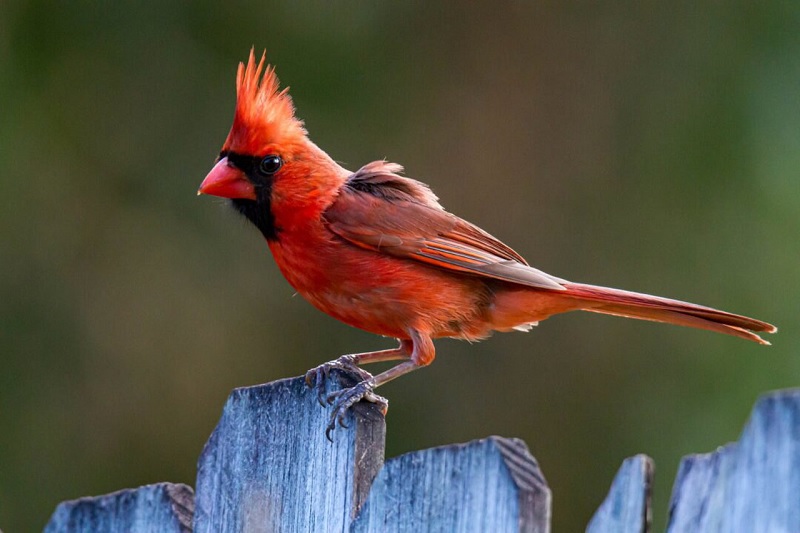
One bird frequently mistaken for a black cardinal is the Phainopepla (Phainopepla nitens). This sleek bird is entirely black with a glossy sheen and is found in the southwestern United States and parts of Mexico. The Phainopepla also sports a distinct crest, somewhat reminiscent of the cardinal’s iconic crest, which can add to the confusion.
However, unlike cardinals, Phainopeplas belong to the silky-flycatcher family and have a different body shape and behavior. Their striking black color and crest are the primary reasons they are often misidentified as black cardinals by casual observers.
Dark Variants of Other Species
Some bird species have dark or black morphs that can resemble a black cardinal from a distance. For instance, the Common Grackle (Quiscalus quiscula) is a large blackbird with iridescent feathers that can look similar to a black cardinal in low light or at a glance. Similarly, some members of the blackbird family, like the Brewer’s Blackbird or the Rusty Blackbird, share the dark coloring and robust beak shape that can cause confusion. These birds don’t have the cardinal’s distinctive crest but may be mistaken for one when seen briefly or in poor viewing conditions.
Juvenile or Molting Cardinals
Juvenile cardinals and cardinals going through a molting phase can also be mistaken for black cardinals. Young cardinals often have duller, browner feathers with patches of darker coloration before they develop the bright red plumage of mature males. During molting, cardinals shed old feathers and grow new ones, sometimes resulting in uneven coloring or dark patches. This transitional look can sometimes appear darker or muted, leading observers to think they are seeing a black cardinal when it’s just a normal part of the bird’s development.
Scientific Observations and Recorded Sightings
The mystery surrounding black cardinals has intrigued birdwatchers and scientists alike. While most people associate cardinals with their bright red feathers, rare instances of unusually dark or blackish cardinals have been documented. These cases, though scarce, provide valuable insights into the genetic variations within cardinal populations. Scientific observations and expert analyses help separate myth from reality and deepen our understanding of these fascinating birds.
Documented Cases of Black Cardinals
There have been a handful of documented sightings of cardinals exhibiting unusually dark plumage, often described as “black” or “melanistic.” These sightings are typically reported by bird enthusiasts or photographers who capture images of Northern Cardinals with strikingly dark feathers. Most of these cases are attributed to melanism, a genetic mutation causing an overproduction of melanin, resulting in feathers that appear black or very dark brown instead of the usual bright red.
One well-known documented instance occurred in various parts of the United States where melanistic cardinals were photographed and recorded by local bird watchers. These birds are not a separate species but rare variants of the Northern Cardinal, showing how diverse the species can be. While these occurrences are not common, they are scientifically credible and prove that black-feathered cardinals can exist under specific genetic conditions.
Expert Opinions and Studies
Ornithologists and geneticists have studied melanism and other pigmentation anomalies in birds extensively. Experts agree that melanism is a natural but rare genetic variation affecting various bird species, including cardinals. According to studies, melanism does not confer any significant advantage or disadvantage to the birds in terms of survival, but it is an inherited trait passed down through generations.
Experts also note that while melanistic cardinals are fascinating, they are not well documented enough to be considered a separate population or subspecies. Instead, these birds represent the natural variability within the species. Some researchers suggest that environmental factors might influence the expression of melanism, but more studies are needed to confirm this.
FAQs
Are There Truly Black Cardinals Birds?
You might wonder if black cardinals are a real, separate species. In reality, there are no distinct black cardinals as a separate species. What people often call “black cardinals” are usually Northern Cardinals exhibiting a rare genetic condition called melanism, which causes their feathers to appear very dark or black. These birds are still the same species but show an unusual coloration due to this genetic variation.
What Causes Some Cardinals To Appear Black?
The dark appearance of some cardinals is caused by melanism, a genetic mutation that increases melanin production in feathers. Melanin is the pigment responsible for darker colors, so when it’s overproduced, it can make a cardinal’s feathers look black or very dark brown. This condition is rare but natural and can occur in various bird species, not just cardinals.
Can You Differentiate Between A Black Cardinal And Other Dark Birds?
Yes, it can be tricky because some black or dark birds share similar features, like a crest or size. Birds like the Phainopepla, Common Grackle, or juvenile cardinals are often mistaken for black cardinals. To differentiate, look closely at the bird’s shape, beak type, behavior, and location. Cardinals have a distinctive crest and a strong, cone-shaped beak, which helps tell them apart.
Are Melanistic Cardinals Common In The Wild?
Melanistic cardinals are very rare in the wild. Most Northern Cardinals display the classic bright red coloration, especially males, or muted reddish-brown in females. The dark or black variants appear only occasionally due to genetics, making sightings unusual and exciting but not something you’ll commonly encounter during birdwatching.
Does Melanism Affect A Cardinal’s Behavior Or Survival?
Melanism primarily affects the bird’s appearance and does not significantly impact its behavior or survival. Scientists believe melanistic cardinals behave just like any other cardinals, feeding, nesting, and singing normally. There is no clear evidence that melanism offers either an advantage or disadvantage in terms of camouflage or mating.
How Can You Spot A Black Cardinal In Your Backyard?
If you want to spot a black cardinal, start by watching areas where Northern Cardinals are common, such as woodlands, gardens, and bird feeders. Keep an eye out for birds with the characteristic crest and beak shape but unusually dark feathers. Since melanistic cardinals are rare, patience is key. Using binoculars or a camera with zoom can help you get a better look at their unique coloration when you do spot one.
Conclusion
While black cardinals are not a separate species, rare instances of melanism can cause some Northern Cardinals to display unusually dark or blackish feathers. These melanistic cardinals are fascinating genetic variations within the species, adding to the natural diversity found in bird populations. Many sightings of “black cardinals” are often misidentifications of other dark birds or cardinals in juvenile or molting phases.
Understanding the science behind melanism and recognizing common look-alikes helps clear up the mystery surrounding black cardinals. Though rare, these dark-feathered cardinals remind us how nature can surprise us with its variety and complexity, making bird watching an ever-engaging experience.