
If you’ve ever found yourself gazing out at your Arizona backyard and wondering, are there cardinal birds in Arizona? — you’re not alone. Cardinals, with their bright red plumage and distinctive crest, are some of the most recognized and admired birds in North America. While they’re commonly associated with the eastern and southeastern United States, many people are surprised to learn that these striking birds can also be spotted in parts of the Southwest.
Arizona, known for its diverse wildlife and varying ecosystems, actually provides a habitat suitable for certain species of cardinals. But their presence isn’t as widespread or as common as in other states. In this article, we’ll explore whether cardinal birds live in Arizona, where you might find them, and what conditions attract them. So, if you’re a bird lover or simply curious about the local wildlife, let’s take a closer look at the answer to the question: are there cardinal birds in Arizona?
Overview of Cardinals in North America
Cardinals are some of the most iconic birds in North America, admired for their vivid colors, melodic songs, and striking appearance. When people think of cardinals, they typically picture the Northern Cardinal — the bright red bird often featured on holiday cards and backyard feeders. But there’s more to the cardinal family than meets the eye. Found in a wide range of habitats across the continent, these birds play an important role in many ecosystems. Understanding the types of cardinals commonly found and where they prefer to live helps birdwatchers and nature lovers appreciate their beauty and significance even more.
Cardinal Species Commonly Found
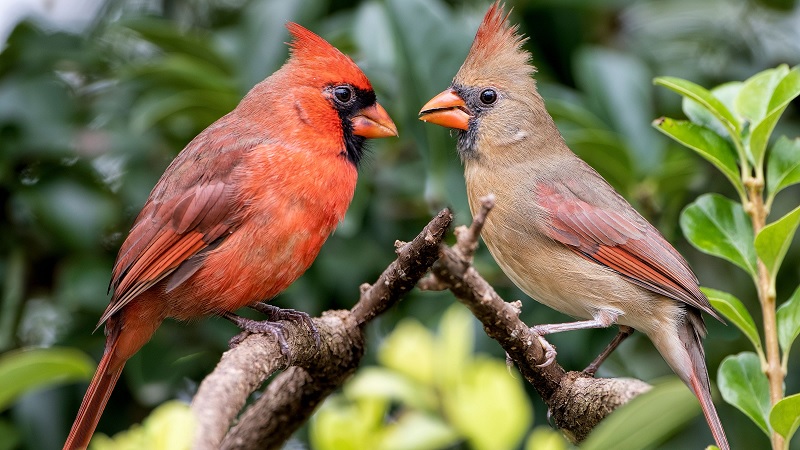
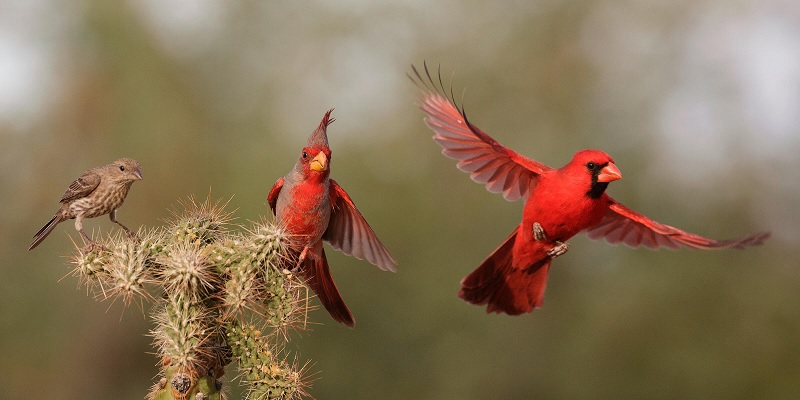
The most well-known species is the Northern Cardinal (Cardinalis cardinalis), which boasts brilliant red plumage in males and warm, tawny tones in females. It’s widespread across the eastern and central United States and even stretches into parts of Mexico and Central America. The Northern Cardinal is a permanent resident in many areas, meaning it doesn’t typically migrate, making it a familiar sight year-round.
Another notable member of the cardinal family is the Pyrrhuloxia (Cardinalis sinuatus), often referred to as the “desert cardinal.” This species is found primarily in the arid regions of the southwestern United States and northern Mexico. Unlike the Northern Cardinal, the Pyrrhuloxia has a more muted, grayish body with red accents and a distinct, curved beak. Though they share similarities, these two species are uniquely adapted to their environments.
General Habitat Preferences
Cardinals are adaptable birds that thrive in a variety of environments. The Northern Cardinal favors woodlands, gardens, shrublands, and suburban backyards, where dense foliage offers protection and nesting sites. They’re particularly drawn to areas with thick vegetation and a steady food supply, including seeds, berries, and insects.
On the other hand, the Pyrrhuloxia is more at home in desert scrublands and mesquite thickets. It has adapted to hotter, drier climates and is well-suited to survive in arid regions with sparse vegetation. Despite these differences, both species prefer areas where they can find low shrubs and brush to hide from predators and build nests.
Presence of Cardinals in Arizona
Arizona’s diverse landscapes — from desert valleys to mountainous forests — provide a home to a wide variety of bird species, including certain types of cardinals. While many associate cardinals with the eastern United States, Arizona is home to its own unique member of the cardinal family, and sightings of these vibrant birds are not as rare as some might think. Whether you’re an avid birder or a curious observer, understanding the presence of cardinals in Arizona adds another layer of appreciation to the state’s rich wildlife scene.

Geographic Distribution in Arizona
In Arizona, the Pyrrhuloxia (Cardinalis sinuatus), commonly known as the desert cardinal, is the primary species you’ll encounter. This bird is native to the southern and southeastern parts of the state, especially in desert areas near Tucson, Sierra Vista, and along the San Pedro River. The Northern Cardinal, while not as common, can also be found in riparian woodlands and areas around Phoenix and southeastern Arizona, particularly where water and thick vegetation are present. These regions offer the dense shrubs and low trees both species prefer for nesting and cover.
Seasonal vs. Year-Round Sightings
One of the advantages of birdwatching in Arizona is the year-round presence of cardinals. Both the Pyrrhuloxia and, to a lesser extent, the Northern Cardinal are non-migratory. This means they remain in Arizona throughout all seasons, including the hot summer months and the cooler winters. However, they may become more visible during breeding season in spring, when their calls are more frequent and they are actively searching for mates or defending territory.
Because they don’t migrate, spotting these birds can become a regular treat for residents and visitors who know where and when to look. Providing food, water, and native vegetation in your yard can also encourage these birds to make regular visits.
Urban vs. Rural Habitats
Cardinals in Arizona are found in both rural and urban environments, though each species has its own preferences. The Pyrrhuloxia is well-adapted to rural desert areas, thriving in open spaces with scattered brush and cacti. Conversely, the Northern Cardinal is more likely to be spotted in urban or suburban settings, especially where people maintain gardens, parks, and green spaces with thick plant cover.
Urban developments near rivers or irrigation channels can be particularly attractive to cardinals, offering them both food sources and nesting sites. Whether you’re in a quiet desert town or a busy Phoenix neighborhood, with a bit of patience and attention, you just might catch a flash of red or hear the familiar whistle of a cardinal.
Northern Cardinal: Arizona’s Resident Cardinal
Among the many birds that grace Arizona’s landscapes, the Northern Cardinal stands out as one of the most recognizable and cherished species. With its vivid coloration and clear, melodic song, this bird is not only a favorite among birdwatchers but also a symbol of beauty in nature. Although often associated with the eastern United States, Northern Cardinals have established a presence in parts of Arizona, especially where the environment provides the cover and resources they need to thrive.
Identification and Physical Features
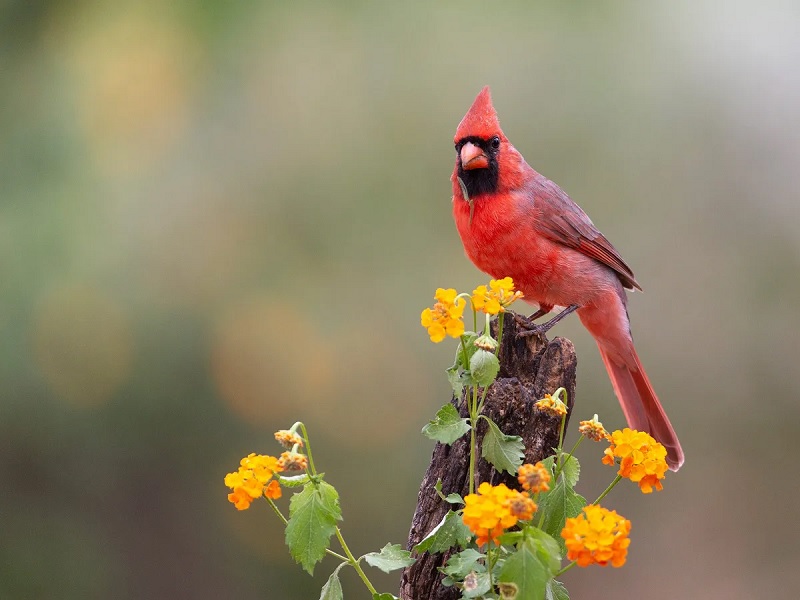
The Northern Cardinal is easy to identify, even for beginner birdwatchers. Measuring about 8 to 9 inches in length, it has a distinctive crest on its head, a thick orange-red beak, and a long tail. The body is compact but full, giving it a sturdy appearance. Its vibrant coloring and clean silhouette make it easy to spot among branches and foliage.
These cardinals are typically found in wooded areas, thickets, and riparian zones, especially in southeastern Arizona. They prefer areas with dense vegetation for nesting and are often seen flitting between shrubs and low trees in search of seeds, insects, and berries.
Male vs. Female Characteristics
One of the most striking features of the Northern Cardinal is the stark difference in appearance between males and females. The male Northern Cardinal is bright crimson red from head to tail, with a black mask around the face that extends to the throat. His vivid color is not only eye-catching but also plays a role in attracting mates and defending territory.
In contrast, the female is more understated, featuring soft tan or light brown plumage with reddish tinges on the wings, tail, and crest. She also has a black facial mask, though it tends to be less prominent than the male’s. Despite her muted tones, the female is just as elegant and plays a critical role in nesting and raising young.
Vocalizations and Songs
Northern Cardinals are known for their clear, whistling songs, which can often be heard before the bird is seen. Both males and females sing — a unique trait among songbirds — although the male’s song is typically louder and more frequent, especially during breeding season.
Their calls often sound like a series of cheerful whistles, trills, and “what-cheer” notes, varying slightly by region. These vocalizations are used to mark territory, attract mates, and communicate with partners, making them a constant presence in the soundscape of Arizona’s greener regions.
Best Places to Spot Cardinals in Arizona
If you’re hoping to catch a glimpse of a cardinal in Arizona, you’re in luck — the state offers several excellent locations where these beautiful birds can be seen, especially in the southern and southeastern regions. Whether you’re planning a day of hiking or simply setting up a feeder in your backyard, there are plenty of opportunities to enjoy Arizona’s resident cardinals in their natural habitats.
Southern Arizona Hotspots
Southern Arizona is a prime location for spotting both the Northern Cardinal and the Pyrrhuloxia, often referred to as the desert cardinal. The region’s riparian zones and desert thickets provide the dense cover and food sources these birds prefer.
Some of the best places include areas near Tucson, Sierra Vista, and the San Pedro River Valley. The lush vegetation along the San Pedro River offers perfect nesting and foraging spots, especially during the spring and early summer months. Other reliable locations include Patagonia, Madera Canyon, and Sabino Canyon, all known for their rich birdlife and well-maintained trails.
Popular Parks and Wildlife Areas
Several parks and wildlife refuges in Arizona offer excellent chances to see cardinals up close. The Buenos Aires National Wildlife Refuge near the Mexico border is one such place, with a mix of desert grasslands and riparian corridors ideal for Pyrrhuloxia sightings.
Closer to Tucson, Saguaro National Park and Catalina State Park provide well-marked trails through areas where cardinals are commonly heard and occasionally seen. For Northern Cardinal sightings, Ramsey Canyon Preserve near Sierra Vista is a standout spot. Known for its cooler climate and dense, bird-friendly habitat, it attracts a wide variety of species, including cardinals.
Backyard Birdwatching Tips
You don’t have to travel far to see a cardinal — sometimes the best viewing spot is your own backyard. Cardinals are non-migratory birds, meaning they tend to remain in the same area year-round if the habitat meets their needs. Creating a welcoming environment in your yard can significantly increase your chances of attracting these vibrant birds.
Start by offering food they love. Cardinals are especially fond of black oil sunflower seeds and safflower seeds, which can be placed in hopper or tray-style feeders that provide them with easy access. Position your feeders near shrubs or trees to make them feel more secure.
Water is just as important as food. Providing a birdbath or a shallow water source, especially during Arizona’s dry months, gives cardinals a place to drink and bathe. Keep the water fresh and clean to encourage frequent visits.
In terms of landscaping, plant native shrubs and dense vegetation to create natural shelter and nesting sites. Cardinals prefer areas where they can stay hidden from predators and harsh weather, so thick foliage is ideal.
Lastly, avoid using chemical pesticides in your garden. Cardinals rely on insects for part of their diet, especially during nesting season when they feed their young. Reducing harmful chemicals supports a healthier ecosystem for all backyard birds.
The best times to spot cardinals are during the early morning and late afternoon hours when they are most active. With a little patience and the right setup, your backyard can become a peaceful haven where these beautiful birds make regular appearances.
Tips for Attracting Cardinals in Arizona
If you’re hoping to bring the beauty of cardinals into your Arizona backyard, the right setup can make all the difference. With a little planning, you can create a welcoming environment that encourages these stunning birds to visit — and even stay. From food to shelter to native plants, here are some effective tips for attracting cardinals in Arizona’s unique climate.
Ideal Feeders and Food Types
Cardinals prefer feeders that offer them easy access and a sense of security. Platform feeders, hopper feeders, and tray feeders are ideal because they provide a stable surface for these medium-sized birds to perch comfortably. Avoid tube feeders with small perches, as cardinals often find them difficult to use.
When it comes to food, black oil sunflower seeds are a cardinal favorite due to their high oil content and thin shells. Safflower seeds are another excellent option — not only do cardinals love them, but they also tend to deter less desirable birds like grackles or starlings. You can also occasionally offer crushed peanuts, cracked corn, and dried fruit for variety. Keep feeders clean and stocked, especially during the early morning and late afternoon, when cardinals are most active.
Providing Water and Shelter
In Arizona’s dry climate, a reliable water source is essential for attracting cardinals. A birdbath with a shallow basin is ideal, and adding a small fountain or dripper can help keep the water fresh and catch a cardinal’s attention. Make sure the birdbath is placed in a shaded area and cleaned regularly to prevent algae and mosquito buildup.
Shelter is just as important. Cardinals prefer dense shrubs and low trees that offer both cover and nesting space. Provide layers of vegetation — tall grasses, thick bushes, and small trees — to create a safe environment where they can rest, hide from predators, and raise their young. Avoid over-pruning, as dense foliage is key to making cardinals feel secure.
Native Plants That Attract Cardinals
Planting native Arizona vegetation not only enhances your landscape but also supports local wildlife, including cardinals. These birds rely on natural sources of food and shelter, and native plants offer both in a sustainable, low-maintenance way. One excellent choice is desert hackberry, a hardy shrub that produces small berries cardinals love to eat. Its dense branches also provide protective cover, making it a great dual-purpose plant.
Another great addition is chuparosa or desert honeysuckle. These flowering plants attract a variety of insects, which are an important protein source for cardinals, especially during nesting season. Their bright blooms also bring color to your yard and appeal to other pollinators like hummingbirds and bees.
For additional fruit and shelter, consider planting wolfberry or elderberry. These shrubs not only produce edible berries that cardinals enjoy but also offer thick foliage for nesting and hiding from predators.
By incorporating these native plants into your yard, you’ll create a welcoming environment that supports cardinals year-round — all while maintaining a landscape that’s well-suited to Arizona’s unique climate.
Conservation Status and Local Impact
Cardinals are some of the most admired birds in North America, and their presence in Arizona adds color and song to the state’s diverse habitats. While they are not considered endangered, it’s still important to understand their conservation status and the role they play in local ecosystems. By learning about the threats they face and how communities can support them, we can help ensure that cardinals continue to thrive in Arizona for generations to come.
Threats to Cardinal Populations
Overall, the Northern Cardinal and Pyrrhuloxia are listed as species of Least Concern by the IUCN, meaning their global populations are currently stable. However, localized threats still exist. Urban development, habitat fragmentation, and the widespread use of pesticides pose serious challenges, especially in growing Arizona communities.
As native shrubs and riparian areas are cleared for construction or agriculture, cardinals lose vital nesting grounds and food sources. Additionally, outdoor domestic cats, collisions with windows, and exposure to lawn chemicals can also negatively impact their numbers. While these birds are adaptable, ongoing changes in land use and climate could gradually reduce the spaces where they can successfully breed and forage.
Role in Arizona’s Ecosystem
Cardinals are not only beautiful but also ecologically important. They help control insect populations, especially during breeding season when they feed bugs to their young. By eating fruits and berries, they also contribute to seed dispersal, which helps native plants regenerate and maintain a healthy balance in desert and riparian ecosystems.
In areas like southern Arizona, where the Pyrrhuloxia and Northern Cardinal coexist with other desert wildlife, their role in supporting native plant growth is especially valuable. Their presence is a sign of a balanced and biodiverse habitat, making them an important species to monitor as the environment changes.
Citizen Science and Birdwatching Groups
Local communities can play a key role in tracking and protecting Arizona’s cardinal populations. Citizen science programs, like those run by the Cornell Lab of Ornithology (eBird) or the Audubon Society, encourage birdwatchers to report sightings. This data helps researchers understand bird population trends and identify conservation priorities.
Arizona is also home to several active birdwatching groups and nature centers, such as Tucson Audubon Society and Verde Valley Birding & Nature Festival, that organize events, walks, and conservation projects. By participating in these programs, residents not only enjoy birding but also contribute valuable information that supports long-term efforts to preserve Arizona’s unique birdlife — including the beloved cardinal.
Frequently Asked Questions
Where In Arizona Can You See Cardinals?
You can spot cardinals mostly in southern and southeastern Arizona, including areas around Tucson, Sierra Vista, and along riparian corridors like the San Pedro River. These birds favor environments with thick shrubs, trees, and access to water. Popular spots for cardinal sightings include Saguaro National Park, Ramsey Canyon Preserve, and Buenos Aires National Wildlife Refuge. Urban and suburban areas with bird feeders and native plants can also attract cardinals to your backyard.
What Do Cardinals Eat In Arizona?
In Arizona, cardinals primarily eat seeds, fruits, and insects. Black oil sunflower seeds and safflower seeds are favorites and are often provided at backyard feeders. Cardinals also feed on berries from native plants like desert hackberry, wolfberry, and elderberry. During breeding season, they eat more insects to provide protein for their young. Offering a variety of food sources will increase your chances of attracting these vibrant birds.
How Can I Attract Cardinals To My Arizona Backyard?
To attract cardinals, provide food like black oil sunflower seeds or safflower seeds in a platform or hopper feeder. Make sure to supply fresh water in a shallow birdbath, especially during dry months. Planting native shrubs and dense vegetation will create safe nesting and hiding spots. Avoid pesticides to keep their insect food sources healthy. Early mornings and late afternoons are the best times to see cardinals visiting your yard.
Are Cardinals In Arizona Threatened Or Endangered?
Cardinals in Arizona are not currently considered threatened or endangered. Both the Northern Cardinal and Pyrrhuloxia have stable populations and are listed as species of Least Concern. However, habitat loss due to urban development and pesticide use can impact local populations. Supporting bird-friendly practices like planting native vegetation and reducing chemical use can help maintain healthy cardinal populations in Arizona.
Conclusion
Yes, cardinal birds are definitely present in Arizona. While the Northern Cardinal is less common compared to the eastern U.S., it still thrives in parts of southeastern Arizona where water and dense vegetation are available. More prominently, the Pyrrhuloxia, or desert cardinal, is well adapted to Arizona’s arid environments and can be spotted throughout southern desert regions.
Both species are non-migratory, allowing bird lovers to enjoy their vibrant colors and distinctive songs year-round. Whether you’re exploring natural parks or simply observing from your backyard, Arizona offers plenty of opportunities to appreciate these beautiful birds. With the right habitat and a little patience, cardinals can become a memorable part of your Arizona birdwatching experience.