
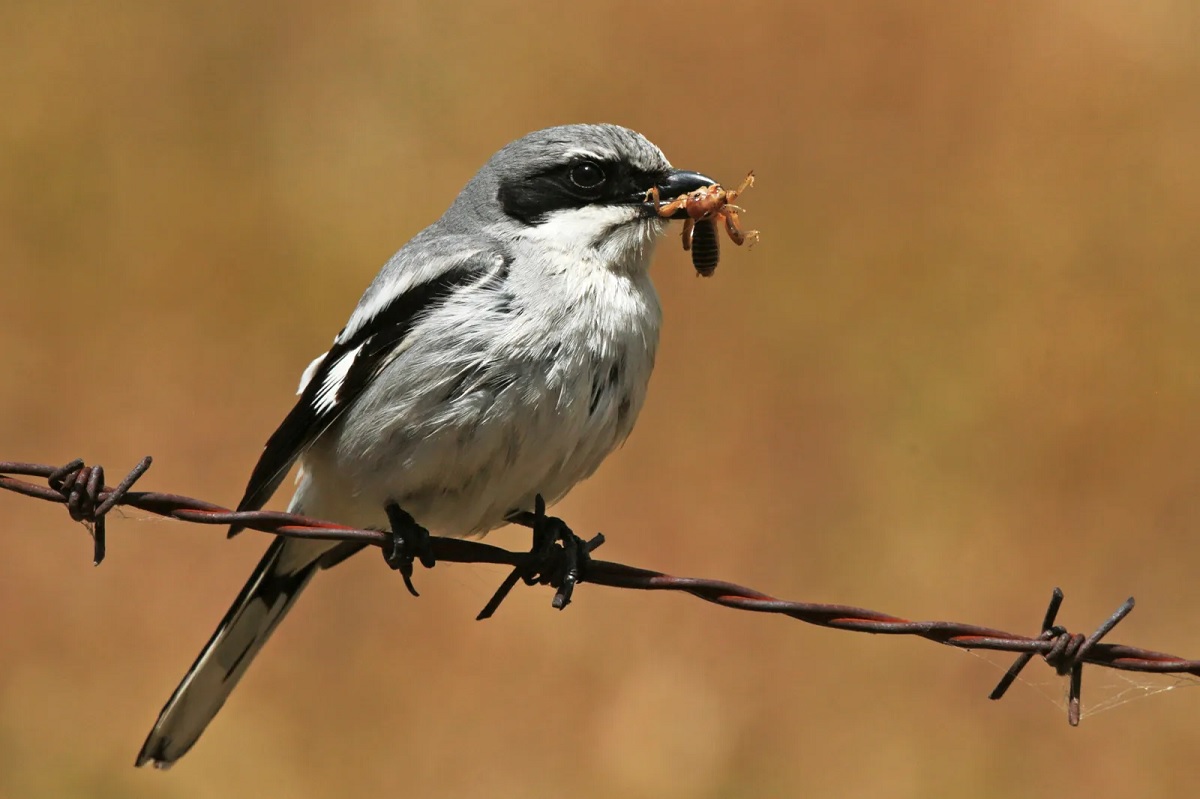
Have you ever heard the haunting tale of the thorn bird — a mythical creature that sings its most beautiful song only once, as it dies impaled on a thorn? It’s a story that has captured imaginations for generations, popularized by Colleen McCullough’s novel The Thorn Birds. But it leaves us wondering: are there really thorn birds? The legend suggests a powerful metaphor for self-sacrifice and beauty through suffering, yet it also prompts a deeper look at whether such a bird ever truly existed.
In this piece, we explore the roots of the legend, examine whether any bird in nature remotely fits the description, and uncover the symbolism that keeps the myth alive today. By asking “are there really thorn birds,” we’re not just questioning a creature’s existence—we’re also diving into the human fascination with tragedy, art, and myth. Let’s discover the truth behind the song that never dies.
The Legend of the Thorn Bird
The legend of the thorn bird tells of a mythical creature that sings the most beautiful song in the world only once—while impaling itself on a thorn. Though no real bird behaves this way, the story endures as a powerful symbol of sacrifice, beauty, and tragic purpose. Popularized by Colleen McCullough’s novel The Thorn Birds and its miniseries adaptation, the myth continues to captivate hearts with its haunting portrayal of love and loss.
Origins of the Myth
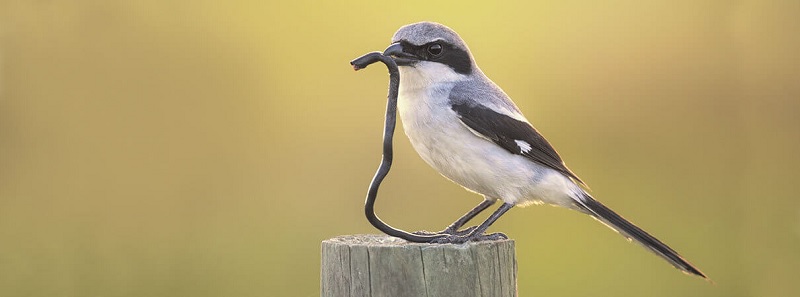
The story of the thorn bird is as poetic as it is tragic. According to legend, there exists a rare bird that sings only once in its life — and that song is the most beautiful melody in the world. From the moment it leaves the nest, the thorn bird searches relentlessly for a thorn tree. Once it finds the perfect thorn, it impales itself upon it, singing a heart-wrenching, transcendent song as it dies.
There’s no scientific evidence that such a bird has ever existed, making it more myth than reality. Yet the allegory resonates deeply, often seen as a metaphor for sacrifice, passion, and the idea that true beauty often comes from suffering. It’s a legend that has endured through time, passed on in whispers, literature, and art, despite having no firm roots in any one culture.
Popularization Through Literature and Media
Colleen McCullough’s Novel
The legend of the thorn bird might have remained obscure if not for Australian author Colleen McCullough, who brought it into the global spotlight with her 1977 best-selling novel The Thorn Birds. Set in the Australian outback, the novel follows the forbidden love between Meggie Cleary and Father Ralph de Bricassart. The thorn bird metaphor is woven throughout the story, reflecting the characters’ internal struggles, unfulfilled desires, and painful sacrifices.
McCullough’s use of the myth served not just as a narrative device but also as a thematic foundation. It captured the imagination of millions, aligning perfectly with the emotional intensity and romantic tragedy of her characters’ lives. For many readers, the phrase “thorn bird” became synonymous with longing and the beauty of unattainable love.
The Miniseries Adaptation
In 1983, The Thorn Birds was adapted into a television miniseries, further cementing the legend in popular culture. Starring Richard Chamberlain and Rachel Ward, the miniseries reached a vast audience and became one of the most-watched programs in U.S. television history. Its sweeping cinematography, dramatic performances, and faithful portrayal of McCullough’s story brought the thorn bird legend to life in vivid detail.
The success of the miniseries helped to perpetuate the myth, introducing it to new generations who might never have encountered the tale otherwise. Though the thorn bird may not exist in nature, its symbolic power continues to inspire through storytelling, evoking the timeless beauty of sacrifice and the haunting allure of love that can never fully be.
Scientific Perspective
From a scientific perspective, the legendary thorn bird is purely symbolic and has no basis in reality. While actual “thornbirds” exist in South America, they do not impale themselves or sing a final, beautiful song. This myth is a metaphor rather than a natural phenomenon. Ornithologists confirm that bird songs serve biological functions like mating or territory defense, not emotional expression. The thorn bird legend reflects human storytelling, not scientific truth.
Thorn Birds in Nature – Do They Exist?
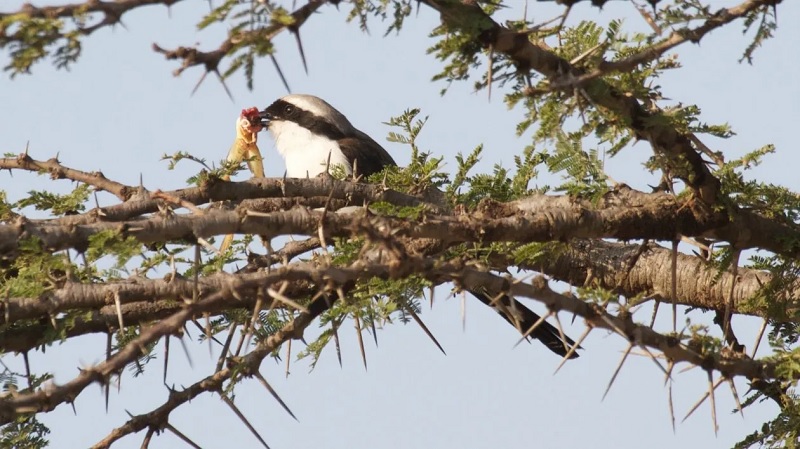
From a scientific standpoint, the thorn bird as described in the legend does not exist. No known bird impales itself on a thorn to produce a final, beautiful song. Ornithologists have never documented such behavior, and no species displays a life-ending ritual tied to song. The myth, while emotionally compelling, is entirely symbolic.
However, there are real birds known as “thornbirds” — members of the genus Phacellodomus, found primarily in South America. These birds are part of the ovenbird family and are known for their elaborate, thorny nests made from sticks and twigs. While their name may sound evocative of the legend, these thornbirds lead relatively typical bird lives. They do not sacrifice themselves or sing only once in their lifetime. Their songs are practical — used for communication, territory, or mating — not for mythic self-expression.
The confusion often arises from the poetic name and the human tendency to romanticize nature. But science offers a clear answer: the legendary thorn bird is a metaphor, not a biological fact.
Misconceptions and Metaphors in Ornithology
Bird behavior often inspires stories, and throughout history, people have attached deep meaning to the habits of birds. For example, the nightingale’s mournful song is often seen as a symbol of unspoken sorrow or lost love. Similarly, the phoenix represents death and rebirth. The thorn bird legend fits neatly into this tradition, using avian behavior as a canvas for human emotions and existential themes.
Yet, these interpretations often lead to misconceptions. People sometimes project human emotions onto animals, creating stories that reflect more about ourselves than the creatures they describe. While metaphorical storytelling is powerful, it’s essential to separate poetic truth from scientific fact. Birds do not willingly sacrifice themselves for the sake of beauty or art — such concepts are uniquely human.
Ornithologists work hard to understand birds as they truly are — creatures with instincts, intelligence, and behaviors shaped by evolution. Their songs, while sometimes stunningly beautiful to our ears, serve specific biological functions like attracting mates or warning of predators. The notion of a bird singing a single, perfect song in the moment of death is touching, but purely fictional.
Symbolism and Cultural Impact
The thorn bird legend carries deep symbolic weight, often representing sacrifice, passion, and the pursuit of beauty through suffering. Though fictional, it has left a lasting mark on poetry, art, and religion, where it serves as a metaphor for selfless devotion or artistic creation born from pain. From romantic tragedy to spiritual sacrifice, the thorn bird resonates across cultures, reminding us of the emotional power behind stories that reflect our deepest struggles and aspirations.
The Thorn Bird as a Symbol of Sacrifice
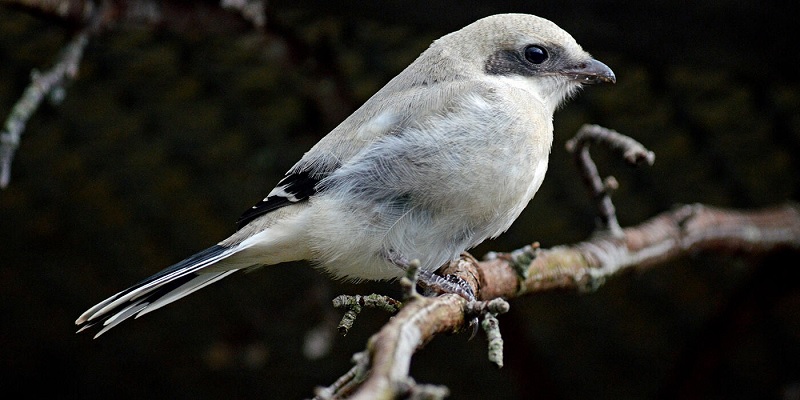
At the heart of the thorn bird legend lies a powerful symbol: ultimate sacrifice in the pursuit of beauty or purpose. The idea that a creature would endure pain — even death — to sing a single, perfect song resonates deeply with the human experience. It reflects the notion that our greatest achievements often come at great personal cost. This symbolism has been interpreted in many ways, from romantic longing and unfulfilled love to the personal price paid for art, truth, or faith.
In literature and storytelling, the thorn bird often represents characters who give everything for something greater than themselves — a passion, a cause, or an ideal. Its song, sung only once and at the moment of death, suggests that beauty is fleeting and sometimes born from suffering. The legend evokes both inspiration and melancholy, touching on the universal themes of sacrifice, destiny, and the human desire to create something meaningful, even if it comes with pain.
Use in Poetry, Art, and Religion
The cultural impact of the thorn bird myth extends far beyond folklore. In poetry, the image of the bird dying for its song has been used to express themes of loss, longing, and artistic devotion. Poets often draw upon this symbol to explore the tension between pain and beauty — how deep emotional experiences can inspire profound creative expression. The thorn bird’s song becomes a metaphor for art born of heartbreak, truth forged through struggle.
In visual art, the thorn bird has appeared in paintings, illustrations, and symbolic imagery, often depicted mid-song with a thorn piercing its chest — a dramatic representation of transcendence through suffering. These artworks capture the emotional weight of the legend, offering a visual interpretation of the metaphor that continues to move viewers across cultures.
Religion, too, has embraced the thorn bird symbol, particularly within Christian interpretations. The bird’s sacrifice has been likened to Christ’s crucifixion — the idea of dying for a higher calling or divine love. It speaks to themes of redemption, martyrdom, and the spiritual belief that pain can lead to grace or salvation.
Frequently Asked Questions
What Is the Legend of the Thorn Bird?
The legend of the thorn bird tells of a mythical creature that searches its entire life for the perfect thorn. When it finally finds one, it impales itself and sings a single, heartbreaking song — the most beautiful song ever heard — before dying. This story is a metaphor for self-sacrifice, the pursuit of purpose, and the idea that true beauty often comes with suffering. While poetic, it is not based on any scientific fact.
Are There Really Thorn Birds in Nature?
Yes, there are birds called “thornbirds,” but they are not the same as the mythical thorn bird. Real thornbirds belong to the genus Phacellodomus and are found in South America. These birds build intricate, thorny nests but do not impale themselves or sing a final song. The similarity in name often causes confusion, but the real thornbirds behave like typical birds and are not related to the legend.
Is the Thorn Bird Based on a Real Species?
No, the mythical thorn bird is not based on any real bird species. It is a symbolic creation, used in literature and storytelling to represent sacrifice and passion. While some real birds, like nightingales or larks, are known for their beautiful songs, none follow the tragic pattern described in the thorn bird legend. The story is purely metaphorical, not zoological.
What Does the Thorn Bird Symbolize?
The thorn bird symbolizes sacrifice, artistic expression, and the pain often associated with achieving something truly meaningful. It is often used in literature and art to represent individuals who give everything — sometimes even their lives — for love, truth, or purpose. The thorn bird’s final, perfect song serves as a metaphor for moments of brilliance born from deep struggle or emotional cost.
How Did The Thorn Bird Legend Become Popular?
The legend became widely known after the publication of Colleen McCullough’s novel The Thorn Birds in 1977. The book used the myth as a powerful symbol throughout its storyline, reflecting themes of forbidden love and sacrifice. The legend reached even more people when the novel was adapted into a highly successful television miniseries in 1983, making the story and its symbolism a part of pop culture.
What Role Does the Thorn Bird Play in Literature and Media?
In literature and media, the thorn bird often serves as a metaphorical device. It represents characters who pursue something beautiful or meaningful, even at great personal cost. This symbolism has been used to explore themes of love, loss, ambition, and artistic sacrifice. Whether in novels, poetry, or television, the thorn bird evokes powerful emotional imagery that connects deeply with readers and viewers.
Is There Any Religious Meaning Behind the Thorn Bird?
Yes, some interpretations of the thorn bird legend carry religious meaning, especially within Christianity. The bird’s self-sacrifice has been compared to the crucifixion of Jesus Christ, symbolizing martyrdom, redemption, and spiritual suffering. In this context, the thorn bird becomes a representation of divine love and the belief that true salvation often comes through pain and sacrifice.
Why Do People Still Believe in the Thorn Bird Myth?
People are drawn to the thorn bird myth because it speaks to universal emotions — love, loss, purpose, and sacrifice. While most understand it’s not a real bird, the story resonates on a symbolic level. Its emotional power makes it a lasting metaphor in art, literature, and personal reflection. The legend continues to endure because it reflects the beauty and tragedy of the human experience.
Conclusion
The question “Are there really thorn birds?” reveals a fascinating blend of myth, symbolism, and natural reality. While the legendary bird that sings its final, beautiful song while impaled on a thorn does not exist in nature, the story remains a powerful metaphor for sacrifice, passion, and the bittersweet pursuit of meaning. Real thornbirds are actual birds with thorny nests, but they don’t share the tragic fate of the myth.
Popularized by literature and media, the thorn bird continues to captivate hearts worldwide, reminding us of the profound emotions behind human storytelling. Ultimately, the thorn bird’s true existence lies not in biology, but in its enduring role as a symbol of beauty born from struggle and the complex nature of human desire.