
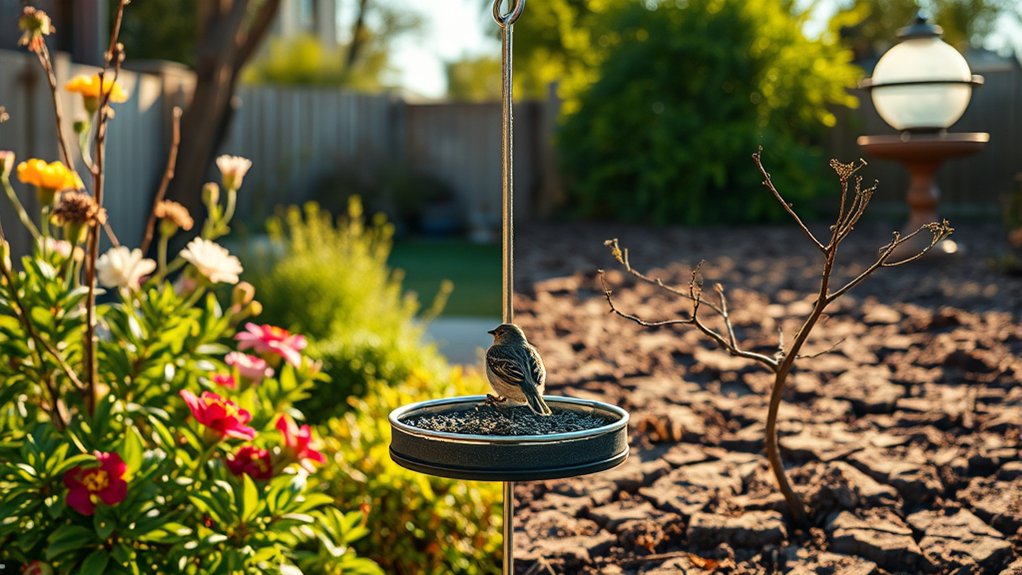
You’re noticing fewer familiar birds in your backyard because global warming is shifting habitats and migration patterns faster than ever. Specialist and long-distance migratory birds, sensitive to temperature changes and food availability, are disappearing while new species move in.
Changing insect cycles and urban development further strain local bird populations. By understanding these shifts and how you can help through citizen science or habitat support, you’ll discover ways to protect and enjoy backyard birds despite the warming climate.
Why Backyard Birds Are Disappearing: Impact of Global Warming
Although backyard birds bring joy and life to your outdoor spaces, many species are disappearing due to global warming. Climate change has shifted the ranges of hundreds of bird species, forcing many American birds to move their winter habitats an average of 40 miles north since the 1960s.
Backyard birds are vanishing as climate change pushes their winter homes 40 miles north since the 1960s.
This shift disrupts your local bird populations by altering food availability and breeding patterns. As January temperatures rise by 5 degrees Fahrenheit across North America, specialist birds, those adapted to specific habitats, decline by nearly 5%.
Urban development combined with climate change further damages backyard habitats, making it harder for these birds to survive.
Understanding how climate change affects bird species in your backyard is essential if you want to help preserve the vibrant diversity of American birds you enjoy watching.
Which Birds Are Most Vulnerable to Rising Temperatures
You’ll notice that certain birds, like the Golden-crowned Kinglet and the American Dipper, are really struggling as rising temperatures shrink their habitats.
Habitat loss tends to hit specialist species the hardest, especially those living in dry regions where food and breeding conditions change quickly.
Vulnerable Species Identification
When rising temperatures alter habitats, certain bird species become especially vulnerable. You’ll notice that global warming hits some birds harder than others, especially those with specific habitat needs.
Here are four key vulnerable species or groups to watch for:
- Golden-crowned Kinglets face risks of extinction as warming reduces their food and breeding success.
- Specialist birds, especially long-distance migrants, suffer population declines due to more hot days.
- Over 177 North American bird species have shifted their winter ranges north by about 40 miles since the 1960s, showing vulnerability to temperature changes.
- In Oregon, many vulnerable species may lose over half their current range if temperatures keep rising.
Habitat Loss Effects
As temperatures rise, many bird species in Oregon face losing over half of their current range, forcing them to find new habitats.
Vulnerable birds, especially nesting and wintering species, struggle the most with habitat loss caused by climate change.
For example, the Golden-crowned Kinglet suffers as rising temperatures reduce its food sources and disrupt reproduction.
These changes push birds to shift their ranges northward, sometimes by as much as 40 miles since the 1960s.
If climate change continues unchecked, local populations could decline sharply or even vanish.
To protect the birds you enjoy watching, urgent action to limit warming to 1.5 degrees is essential.
Without it, many vulnerable birds may face severe habitat loss, threatening their survival in your backyard.
Temperature Impact Trends
Although rising temperatures impact many bird species, long-distance migrant specialists suffer the most, with their abundance dropping by 5.2% and species richness by 3.2%. If warming continues, specialist birds could see a 7% to 16% decline in abundance by century’s end.
In North America, especially the western U.S., drier habitats worsen this trend.
Here’s what you need to know about temperature impact trends on American Breeding Bird populations:
- North American January temperatures rose 5°F over 40 years, stressing birds.
- A one-standard-deviation increase in hot days causes a 4.9% abundance decline in specialists.
- Birds in dry western areas face a 7.0% drop in abundance.
- Specialist Breeding Birds sensitive to temperature changes show a 2.9% richness decline.
Understanding these trends helps you spot vulnerable species in your backyard.
Why Specialist and Migratory Birds Are Disappearing From Yards
You’re probably seeing fewer specialist birds in your yard lately. That’s because these birds rely on very specific habitats, and those habitats are getting smaller as temperatures go up.
On top of that, migratory birds are mixing things up. They’re changing their usual routes and nesting times, so they’re not dropping by your yard as often as before.
All these changes—along with habitat loss and the warming climate—are making your backyard less inviting for a lot of bird species.
It’s a bit sad, but understanding why it’s happening is the first step to helping them.
Specialist Birds Decline
When temperatures climb and habitats shift, specialist birds struggle to adapt, causing their numbers to fall noticeably. You’ve probably seen fewer of these birds in your backyard, and climate change is a big reason why. Here’s what’s happening:
- Specialist birds have declined by 4.9% due to rising temperatures and habitat changes.
- Long-distance migratory specialists face an even steeper 5.2% drop in abundance.
- Species richness in typical birdwatching areas has decreased by 1.7%.
- Birds in drier zones might see declines of 7% to 16% by century’s end if warming continues.
Unlike generalist species, specialist birds can’t easily adjust to new conditions, so their decline is more pronounced.
You’re witnessing firsthand the impact of climate change on these unique birds.
Migratory Patterns Alter
Specialist birds are disappearing from your yard not just because their numbers are falling, but also because their migratory patterns are shifting. Since the 1960s, many species have moved their routes roughly 40 miles northward in response to climate change.
This shift means some migratory birds no longer pass through or settle in your area during traditional seasons. For example, red-winged blackbirds now nest earlier, altering the timing you might expect to see them.
Citizen science projects like the Christmas Bird Count confirm these trends, showing declines in long-distance migrants and specialists, with populations dropping around 5%.
As climate change reshapes habitats and seasons, your backyard may host fewer familiar migratory visitors, challenging your bird-watching experience and emphasizing the importance of tracking these changes through community science.
Habitat Temperature Effects
Although rising temperatures might seem subtle day-to-day, they’ve a significant impact on the birds you spot in your yard. National Wildlife reports that specialist and migratory birds, like the Sandhill Cranes, are disappearing from many backyards due to habitat temperature shifts.
As a bird watcher, you may notice fewer sightings because specialist birds decline 7%-16% by century’s end due to warming. Each hot day spike reduces overall bird abundance by 2.5%.
Migratory species face up to a 5.2% drop from habitat heat increases. Western areas see a sharper 7% decline in birds from rising temperatures.
These changes make it harder for birds to find suitable nesting and feeding spots, leading to fewer visits to your backyard.
What Birdwatchers Are Seeing: New Species in Local Areas
As global warming shifts habitats, you’re likely to notice new bird species appearing in your local area. The Lab of Ornithology reports that the winter range for many birds has moved north by about 40 miles since the 1960s. This shift happened as average temperatures rose by several degrees Fahrenheit.
Species like the red-bellied woodpecker and Carolina wren, once rare, are now common in places they weren’t found years ago. Citizen science data confirms these changes, with some birds nesting earlier and adapting to shorter winters.
Check this quick snapshot of new arrivals:
| Species | Typical Locality Before | Current Locality | Notable Change |
|---|---|---|---|
| Red-bellied Woodpecker | Southern U.S. | Northern U.S. | Increased sightings |
| Carolina Wren | Southeastern U.S. | Mid-Atlantic States | More winter presence |
| Northern Cardinal | Southern States | Northern Regions | Expanded range northward |
| Tufted Titmouse | Southern areas | Northern suburbs | Earlier nesting observed |
How Climate Change Affects Food Availability for Backyard Birds
You might notice that as temperatures rise, insects show up at different times and plants bloom earlier or later than usual.
This can throw off when food is available for your backyard birds. Because of this shift, birds might’ve a harder time finding seeds and other important nourishment throughout the seasons.
Knowing about these changes can help you better support the birds that depend on your garden for their food.
Altered Insect Populations
When rising temperatures shift insect life cycles, you’ll notice fewer caterpillars and other insects available for backyard birds during their breeding seasons. This change in insect population dynamics disrupts food web interactions critical for bird survival.
You can observe these effects in several ways:
- Insects emerge earlier, before birds begin nesting, causing a mismatch in breeding season timing.
- Warmer winters lead to uneven insect population growth. Some thrive, others dwindle, reducing food diversity.
- Altered precipitation affects insect survival rates, sometimes causing scarcity during key feeding periods.
- Specialist birds that depend on specific insects decline as their food sources become unreliable.
Understanding these shifts helps you see how global warming reshapes the delicate balance supporting backyard bird populations.
Shifts In Plant Phenology
Insect populations don’t just shift on their own; they closely depend on plants, which are also responding to climate change. Rising temperatures have caused plants to flower and fruit earlier, a key plant adaptation strategy.
But this shift often leads to phenological mismatches, where birds’ breeding cycles no longer align with peak food availability. You might notice red-winged blackbirds nesting earlier, yet their feeding habits struggle to keep pace with these changes.
When plants mature before chicks hatch, food shortages can occur, reducing fledgling survival.
Furthermore, altered plant communities affect insect diversity, further disrupting your favorite insect-eating birds’ diets.
Understanding these shifts helps you appreciate how climate change complicates food webs in your backyard, highlighting the delicate balance between plant phenology and bird feeding habits.
Impact On Seed Availability
Although rising temperatures have prompted plants to flower earlier, this shift can disrupt the timing of seed production. This leaves many backyard birds struggling to find food during critical nesting and migration periods.
Changes in precipitation and extreme heat further reduce seed availability, threatening birds relying on these resources.
To tackle this, you can adopt seed scarcity solutions and adjust feeding strategies. Here’s how you can help:
- Plant native plants that produce seeds birds naturally eat.
- Offer supplemental feeders with a variety of seeds to cover different species’ needs.
- Monitor local bird activity to adjust feeding timing with seasonal changes.
- Reduce pesticide use to protect the plants and insects birds depend on.
How Habitat and Human Changes Linked to Climate Affect Backyard Birds
As human activities reshape landscapes through suburban development and regrown woodlands, you might notice how certain bird species, like eastern bluebirds, have adapted to these new habitats and even thrive in your backyard. Many bird enthusiasts now incorporate heated bird baths to help birds access water during colder months, which supports their survival.
Human-driven landscape changes enable species like eastern bluebirds to adapt and flourish in suburban and regrown woodland areas.
By engaging in habitat restoration and urban gardening using native plants, you can support these shifts and provide essential resources for local birds. Such efforts help offset habitat loss and changing food availability caused by climate-linked changes.
Planting native species not only attracts more birds but also encourages natural behaviors like nesting and feeding. When you create a bird-friendly backyard, you contribute to a small but meaningful refuge amidst changing environments.
This helps bird populations adjust and thrive despite ongoing climate challenges. Plus, this active role enhances your bird-watching experience while supporting ecosystem resilience.
Adding features like weather-resistant bird baths can further attract and sustain local bird populations by providing reliable water sources year-round.
How Climate-Driven Migration Changes Impact Backyard Bird Watching
Changes in habitat and human activity certainly shape which birds visit your backyard, but shifting migration patterns due to climate change are altering the mix even more.
As species like red-winged blackbirds and eastern bluebirds change their timing or range, your birdwatching experience evolves.
Here’s what you should know:
- Birds winter farther north, so you may spot species previously rare in your area, like the red-bellied woodpecker.
- Shorter winters mean birds rely more on consistent food sources. Bird feeder innovations can help meet these needs.
- Incorporating native plantings supports both resident and migrating birds by providing natural habitat and food.
- Urban birding grows in popularity as more species adapt to city environments influenced by climate shifts.
How You Can Help Track Climate Change With Citizen Science
You can play an important role in tracking climate change by joining citizen science projects focused on birds. Using birdwatching techniques, you contribute valuable data collection on bird populations, migratory shifts, and breeding patterns.
Platforms like eBird and events such as the Christmas Bird Count rely on your observations to analyze climate impacts.
| Project Name | How You Help |
|---|---|
| Christmas Bird Count | Count species, note seasonal changes |
| eBird | Report sightings year-round |
| Great Backyard Bird Count | Monitor local bird trends |
Your citizen engagement not only aids researchers but also raises awareness about climate change effects on wildlife. By participating, you become an essential part of a global effort to understand and respond to environmental shifts affecting birds.
What Birdwatchers Can Do to Support Birds Facing Climate Change
Though climate change poses serious challenges for bird populations, birdwatchers can take meaningful steps to support these vulnerable species.
You can make a significant difference by focusing on your backyard environment:
Focusing on your backyard environment empowers you to support and protect local bird populations effectively.
- Optimize bird feeder placement to provide safe, accessible food, especially during extreme weather.
- Prioritize native plants selection to offer natural food and shelter that adapt to local climate shifts.
- Maintain clean, reliable water sources to help birds stay hydrated through changing seasons.
- Get involved in local conservation efforts and advocate for policies that reduce carbon emissions.
- Using a water wiggler in bird baths can keep water fresh and unfrozen, providing essential hydration year-round.
How Reducing Warming Can Help Restore Backyard Bird Diversity
When we reduce global warming to 1.5 degrees Celsius, we give backyard birds a better chance to thrive by preserving their habitats and food sources.
You can support bird diversity conservation by advocating for climate action strategies like reforestation and renewable energy adoption.
These efforts restore nesting and foraging areas essential for many species facing habitat loss due to rising temperatures.
Engaging in citizen engagement initiatives, such as the Great Backyard Bird Count, helps track bird population changes and underscores the urgency of protecting avian diversity.
By staying involved and pushing for adaptive conservation strategies, you contribute directly to restoring backyard bird diversity, ensuring your local birdwatching experience thrives despite climate challenges.
Your actions matter for both birds and the ecosystems they depend on.
Frequently Asked Questions
How Does Global Warming Affect the Lifespan of Backyard Birds?
Global warming causes lifespan variations in backyard birds by challenging their climate adaptation and survival strategies.
You’ll notice some birds struggle to adjust to rising temperatures, which affects their food sources and breeding cycles.
If they can’t adapt quickly, their survival rates drop. You might see shifts in nesting times or range, but extreme weather can overwhelm even the hardiest species.
Are Bird Feeders Effective for All Bird Species During Climate Change?
You might be surprised that eastern bluebirds and Carolina wrens show increased survival rates with bird feeder effectiveness during climate change.
However, bird feeders aren’t a one-size-fits-all climate adaptation strategy.
Because species-specific preferences vary, some birds rely more on natural habitats than feeders.
What Role Do Backyard Plants Play in Supporting Birds Amid Warming?
You play a key role by planting native plants that provide essential food and shelter for birds.
Native plant benefits include supporting pollinators, which in turn feed insect-eating birds.
Making seasonal plant adjustments guarantees food availability throughout the year, even as temperatures shift.
Can Urban Heat Islands Worsen the Impact of Global Warming on Birds?
Urban heat islands act like ovens baking city streets, and yes, they worsen global warming’s impact on birds.
You’ll notice urban biodiversity shrinking as heat stress forces birds to flee or struggle to survive.
Habitat fragmentation becomes more severe, breaking up essential spaces where birds nest and feed.
This means you’re likely to see fewer species or altered behaviors in your backyard, making it harder for urban birds to thrive.
How Do Changes in Weather Patterns Influence Bird Breeding Seasons?
You’ll notice that changes in weather patterns directly affect breeding timing by causing birds to nest earlier than usual.
Migration shifts occur as birds adjust their travel schedules to match new temperature cues.
However, these altered patterns can lead to habitat loss because ecosystems may not support birds when they arrive or breed.
This mismatch can disrupt food availability and nesting success, making it harder for bird populations to thrive over time.
Conclusion
As global warming gently reshapes our backyards, you might notice familiar bird visitors becoming rarer guests. While some species quietly adapt or move on, your watchful eye plays an essential role in understanding these subtle shifts.
By joining citizen science efforts and making small, thoughtful changes, you’re not just observing. You’re nurturing a hopeful future where backyard birds can once again thrive in harmony with the changing world.