
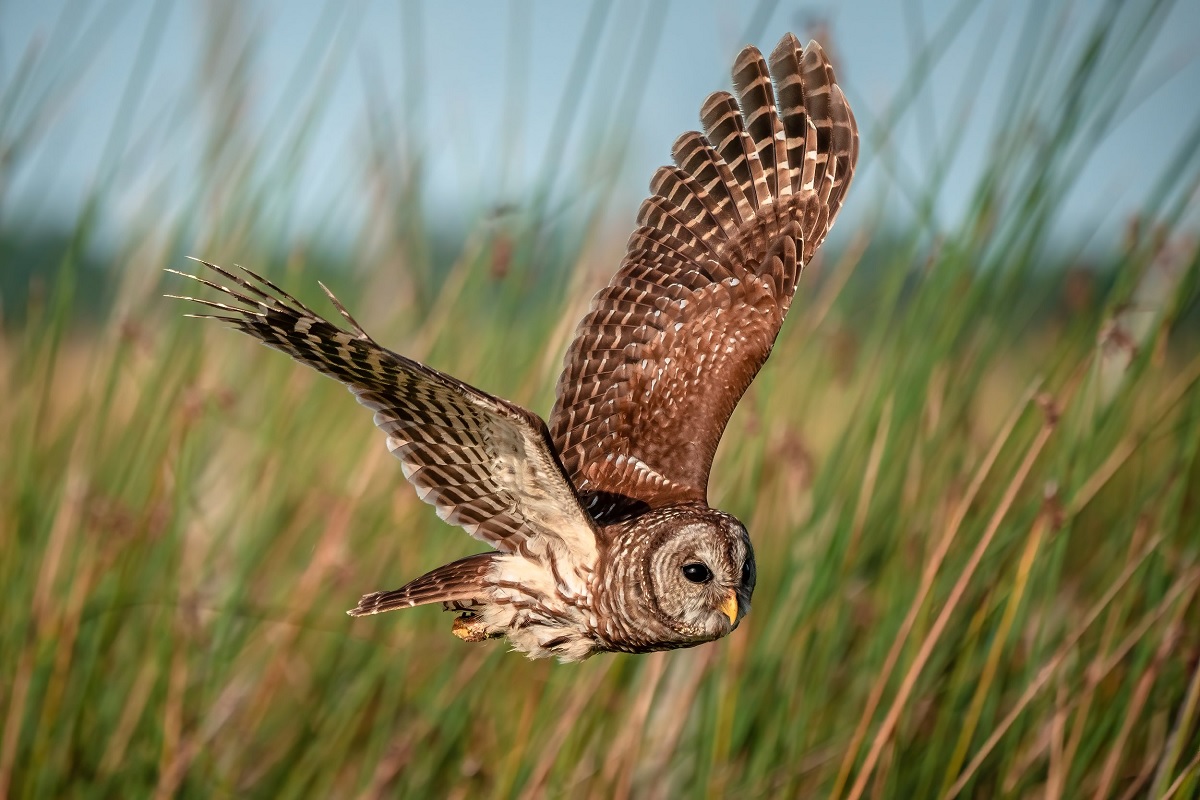
Barred owl feather identification can be a fascinating and rewarding experience for bird enthusiasts, nature lovers, and wildlife observers alike. These feathers are known for their soft texture and unique patterning—marked with alternating brown and white bars—that make them stand out among other owl species. Often found scattered near wooded habitats, especially in North America, barred owl feathers offer clues about the bird’s presence, behavior, and even the health of the surrounding ecosystem.
Recognizing the subtle differences in feather types, such as flight, tail, or contour feathers, can deepen your understanding of these mysterious nocturnal birds. Whether you’re exploring a forest trail, cleaning out a nesting box, or simply curious about a feather you stumbled upon, learning the details of barred owl feather identification connects you more closely to the wild world around you. It’s a small but meaningful way to appreciate the quiet, hidden lives of these magnificent owls.
Introduction to Barred Owl Feather Identification
Barred owl feather identification offers a unique glimpse into the lives of these secretive, nocturnal birds. Recognized by their soft texture and distinct brown-and-white horizontal bars, these feathers often appear in wooded areas where barred owls live. Identifying them helps birdwatchers and nature enthusiasts understand owl behavior, habitats, and molting patterns. While fascinating, it’s important to observe feathers responsibly, as laws protect native bird species. Learning to identify feathers enhances your connection with the natural world while respecting its boundaries.
Importance of Identifying Owl Feathers
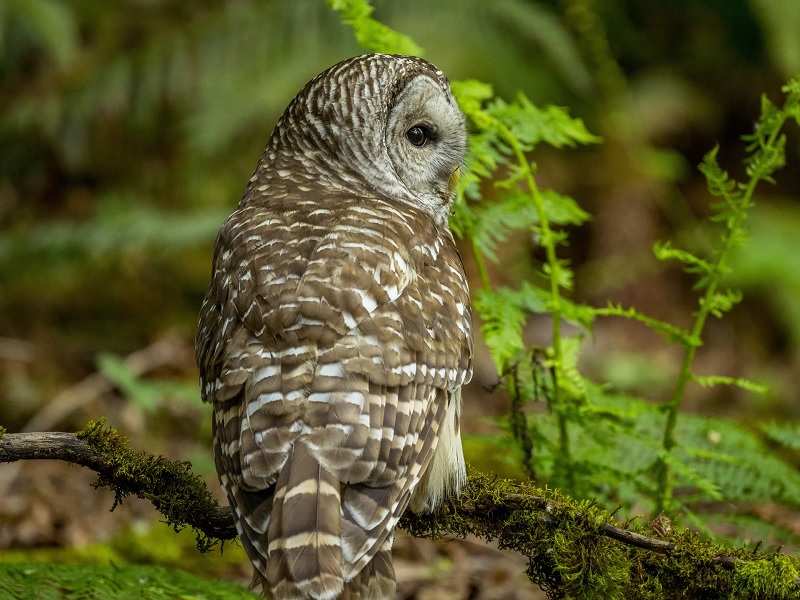
Barred owl feather identification is more than just a hobby for bird lovers—it’s a skill that connects you to the subtle details of nature. These feathers, with their soft texture and distinctive horizontal brown and white bars, are clues that can reveal the presence and habits of one of North America’s most recognized owls. By identifying barred owl feathers, you gain insights into their habitat use, molting patterns, and even their role in local ecosystems.
Understanding how to recognize barred owl feathers can also help distinguish them from those of other raptors, such as hawks or other owl species like the great horned owl. Each type of feather—be it a primary flight feather, tail feather, or contour feather—has unique markings and characteristics. This kind of knowledge is especially helpful for wildlife researchers, birdwatchers, or anyone interested in tracking bird populations and movement.
Recognizing feathers in the wild can also lead to valuable observations about owl behavior. For instance, finding multiple feathers in one place may suggest a recent molt or a predation event. It’s these subtle signs that often tell a deeper story, helping you piece together the quiet world of nocturnal birds.
Legal and Ethical Considerations
While finding a feather can be exciting, it’s crucial to understand the legal and ethical boundaries that come with it. In the United States, barred owls, like all native migratory birds, are protected under the Migratory Bird Treaty Act (MBTA). This means it is illegal to collect, keep, or sell their feathers without a special permit—even if the feather is found on the ground.
The law is designed to protect bird populations from overcollection and ensure that wildlife remains undisturbed in its natural environment. Ethical birders and nature enthusiasts should take only photographs or notes and leave feathers where they are. Handling feathers minimally and reporting any unusual finds to local wildlife authorities can support conservation efforts.
Barred owl feather identification can still be enjoyed responsibly. Using field guides, digital resources, or connecting with birding communities allows you to learn and share observations without breaking the law. Appreciating feathers in place fosters a deeper respect for the species and the ecosystems they inhabit. In the end, the goal is not just to identify, but to protect and understand these remarkable birds through mindful observation.
Physical Characteristics of Barred Owl Feathers
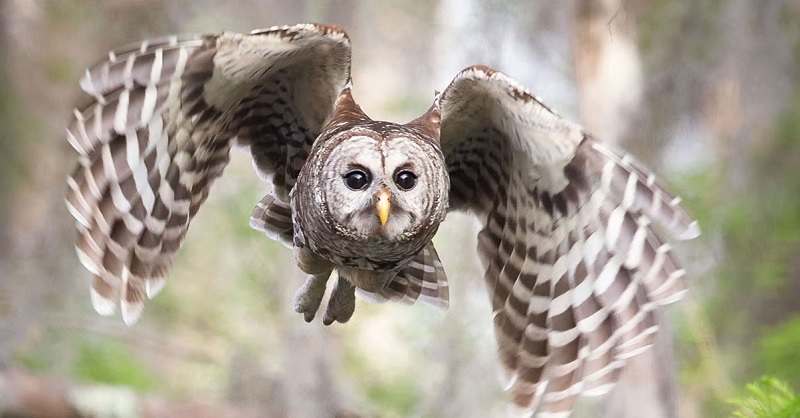
Barred owl feathers are easily recognized by their soft texture and striking brown-and-white horizontal bars. These feathers are broad and rounded, designed to support the owl’s silent flight through dense forests. Flight feathers are long and tapered, while body feathers are smaller and softer. A unique fringed edge on the feathers reduces noise during flight, giving the owl a stealthy advantage. Their structure and coloration make them both functional and beautifully adapted for camouflage and hunting.
Color and Pattern
One of the most defining features of barred owl feathers is their distinct coloration and patterning. These feathers showcase a beautiful mix of brown and white, arranged in horizontal bars across the length of the feather. This pattern helps camouflage the owl against the bark of trees in its woodland habitat.
The alternating light and dark bars are especially noticeable on the wings and tail feathers, which are often the easiest to identify in the wild. Unlike streaked or mottled patterns seen in some other owls, the barred owl’s plumage is marked with clean, horizontal bands, giving the bird its name. Even smaller body feathers carry a muted version of this bar pattern, which contributes to the bird’s overall cryptic appearance.
Size and Shape
Barred owl feathers vary in size depending on their location on the bird’s body, but they are generally large and broad—well-suited for silent flight. Primary flight feathers can reach over a foot in length, with a tapered end and a strong central shaft, while tail feathers are slightly shorter and more rounded.
The contour feathers, which cover the body and give the bird its smooth outline, are smaller and more flexible. Compared to hawk feathers, barred owl feathers are generally broader and softer, designed to minimize noise as the owl glides through the air. This unique design makes them stand out in both shape and function from other birds of prey.
Texture and Structure
The texture of barred owl feathers is exceptionally soft and velvety. This is not by accident—it’s a critical adaptation for silent flight. Unlike other birds, owls have fringed edges on their flight feathers that reduce air turbulence, allowing them to fly without making a sound.
This feature is particularly helpful for a nocturnal predator that relies on stealth to capture prey. The feather’s central shaft, or rachis, is lightweight but sturdy, providing structure without adding bulk. The barbs of the feathers are less tightly hooked together compared to other birds, which contributes to their softness but also makes them more delicate.
Types of Barred Owl Feathers
Understanding the different types of barred owl feathers can give you a deeper appreciation for how these birds function in their natural habitat. Each type of feather plays a specific role in flight, insulation, camouflage, and overall survival. From the powerful wing feathers to the soft body plumage, every feather is perfectly adapted to serve the owl’s needs.
Wing Feathers
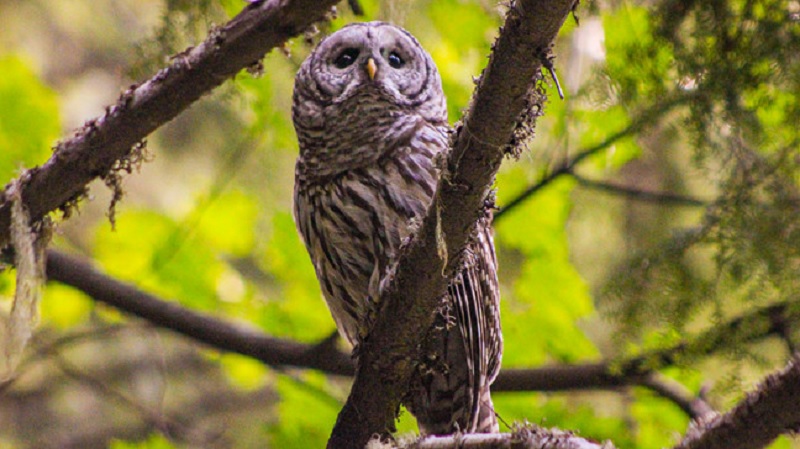
Barred owl wing feathers are long, broad, and specially designed for silent flight. These include the primary and secondary feathers, which are located on the outer and inner parts of the wing, respectively. The primaries are responsible for generating lift and speed, while the secondaries help with steering and balance.
What makes these feathers unique is their soft, velvety surface and fringed edges. This fringe breaks up the air as it flows over the wing, reducing sound and allowing the owl to fly almost silently. The barred pattern is usually bold and defined on wing feathers, making them among the easiest to identify.
Tail Feathers
Tail feathers, or rectrices, are another important group when it comes to barred owl feather identification. These feathers are slightly shorter than the wing feathers but still broad and rounded. The tail acts as a rudder, helping the owl steer while flying and maintain balance when perching.
Just like the wing feathers, the tail feathers also display the characteristic brown-and-white horizontal barring. In some cases, tail feathers may show wear or damage, which is natural and often a sign of regular use. During molting, these feathers are replaced, and finding a naturally shed tail feather is a common experience for birders.
Body Feathers
The body feathers of a barred owl are smaller and softer than wing or tail feathers. These include contour feathers that give shape to the body, and down feathers that provide insulation. Contour feathers still carry the barred pattern, but it may appear more blended or subtle. These feathers play a key role in keeping the owl warm, dry, and camouflaged. Their softness also contributes to the owl’s silent flight, reducing any noise that might come from wind passing over the body. Though less dramatic in appearance, body feathers are just as essential to the barred owl’s survival.
How to Differentiate Barred Owl Feathers from Similar Species
Barred owl feather identification can be tricky, especially when other owl species have somewhat similar feather patterns and colors. However, careful observation of specific features can help distinguish barred owl feathers from those of other common species like the great horned owl and the barn owl. Paying attention to size, texture, patterns, and even shape will lead to more accurate identification in the field or during your nature studies.
Comparison with Great Horned Owl Feathers
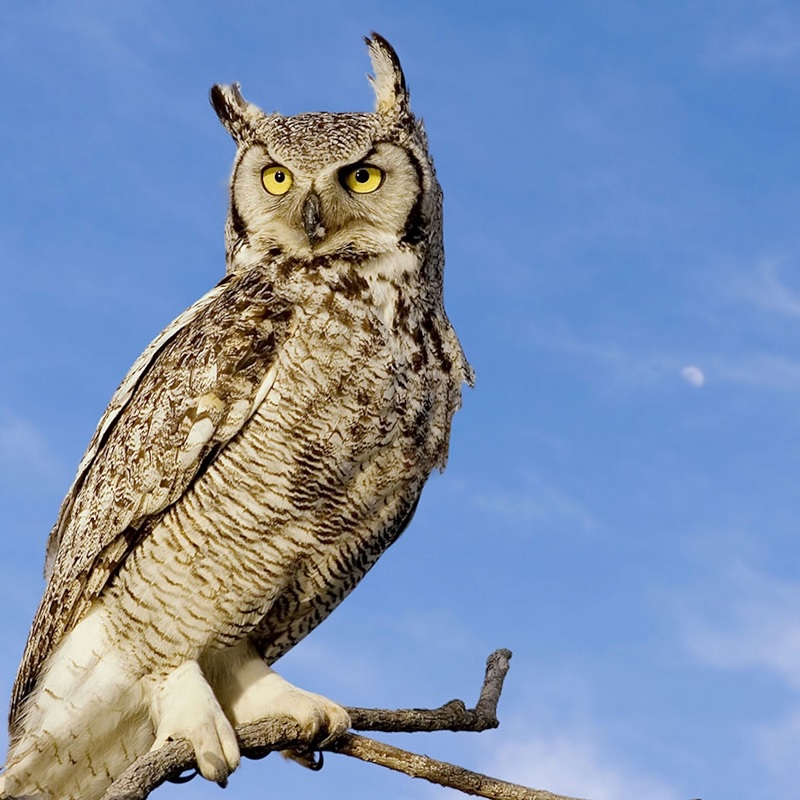
At first glance, barred owl and great horned owl feathers can look quite similar due to their brown and cream coloring. However, great horned owl feathers are generally larger, bulkier, and more heavily marked with blotches and streaks instead of the clean, horizontal bars seen in barred owl feathers.
Great horned owls often have a mottled or zigzag pattern, especially on their wing and tail feathers. Their feathers also tend to be darker and less refined in pattern compared to the barred owl’s more evenly spaced barring. Additionally, great horned owl feathers may appear more rigid, as the bird is larger and built for powerful, strong flight.
Comparison with Barn Owl Feathers
Barn owl feathers are quite different from those of barred owls, making them easier to tell apart. While barred owls have strong brown-and-white horizontal barring, barn owl feathers are generally much lighter—featuring soft tans, creams, and whites with small speckling or minimal patterning.
Barn owl feathers tend to be finer and silkier in texture, and their flight feathers often appear more delicate and semi-translucent. Unlike the barred owl, barn owls lack strong contrast or bold striping. Their feathers reflect their open-country habitat, helping them blend into grasslands and barns, rather than the forest environments preferred by barred owls.
Key Identifying Features
To confidently identify a barred owl feather, focus on a few key characteristics: horizontal brown-and-white barring, a soft texture, and broad, rounded shape. The bars are usually even in width and spacing, giving the feather a tidy, banded look. Barred owl feathers are also notably soft, with a velvety surface that helps reduce flight noise. When compared side-by-side with feathers from other species, the clean, muted tones and uniform bar pattern stand out as reliable markers.
Common Locations to Find Barred Owl Feathers
Barred owl feathers can be a rare but exciting find for birdwatchers and nature enthusiasts. Knowing where and when to look increases your chances of spotting one. These feathers are often naturally shed during molting and can be discovered in areas where barred owls commonly live and hunt. By understanding their habitat preferences and seasonal molting patterns, you can improve your feather-finding skills while appreciating the natural rhythms of this elusive forest dweller.
Habitat and Range
Barred owls are native to North America and are most commonly found in mature forests with dense tree cover, especially near water sources such as swamps, rivers, or lakes. They prefer large deciduous or mixed woodlands, where their barred plumage blends in with tree bark and dense foliage. Feathers are often discovered near nesting sites, roosting spots, or common hunting grounds. Look around the base of large trees, in the leaf litter, or along trails that cut through wooded areas.
In terms of geographic range, barred owls are widespread across the eastern and central United States, parts of southern Canada, and have even expanded into the Pacific Northwest. In these regions, forests with minimal human disturbance are the best places to search. You’re more likely to find feathers early in the morning after nighttime activity or near tree cavities where the owls may nest or roost during the day.
Seasonal Molting Periods
Understanding when barred owls molt can also help in locating their feathers. Like most birds, barred owls go through an annual molt, typically during the summer months—usually from late spring to early fall. During this period, they shed and replace old or damaged feathers to maintain effective insulation and flight ability. Molting often occurs gradually to ensure the bird can still fly and hunt during the process.
Because molting is a natural and regular part of their life cycle, discarded feathers may be found beneath perches or near nesting and roosting areas during this time. Keep in mind, though, that molting feathers may be worn or broken, and their condition can vary.
Tools and Tips for Feather Identification
Identifying feathers, especially those of barred owls, requires a combination of observation skills and the right resources. Having the proper tools and knowing useful tips can make feather identification more accurate and enjoyable. From traditional field guides to modern technology, a variety of approaches help bird enthusiasts and researchers alike recognize and document feathers effectively.
Using Field Guides
Field guides remain one of the most reliable tools for feather identification. These books provide detailed illustrations and descriptions of feathers from many bird species, including barred owls. Look for guides specifically dedicated to raptors or owls, as they tend to offer more precise comparisons of feather patterns, sizes, and shapes.
Field guides often include information on molting cycles and habitat, which helps contextualize feather findings. When using a field guide, compare the feather’s size, color pattern, and texture against the images and descriptions. Over time, regularly consulting these guides sharpens your ability to quickly and accurately identify feathers in the wild.
Photographing and Documenting Feathers
Taking clear photographs of feathers is essential for later study and verification. Capture images from multiple angles—both the front and back—to reveal key patterns and structural details. Including a scale, such as a ruler or coin, in the photo helps record the feather’s size accurately.
Note the location, date, and habitat where the feather was found, as this contextual information is invaluable for identification. Maintaining a digital or physical logbook with photos and observations allows you to track patterns in your finds and compare them over time. Good documentation also makes it easier to share your discoveries with other birders or experts for feedback.
Consulting Online Databases and Experts
The internet offers a wealth of resources for feather identification. Online databases, like the U.S. Fish and Wildlife Service’s feather atlas or bird identification websites, provide extensive photo libraries and identification keys. These tools allow you to compare your feather against verified samples quickly.
Additionally, many birding communities and forums offer platforms where you can upload photos and ask for help from experienced ornithologists and birders. Consulting experts through social media groups or local bird clubs can provide insights that are not always available in books or online resources. Combining these tools with your own observations ensures a well-rounded and accurate approach to barred owl feather identification.
Frequently Asked Questions
What Are The Key Features To Identify A Barred Owl Feather?
You can identify a barred owl feather by its distinctive pattern of horizontal brown and white bars. These feathers are broad and soft, designed for silent flight. Look for evenly spaced, clean barring on the wing or tail feathers. The texture feels velvety due to fringed edges that help muffle sound. Recognizing these traits helps you distinguish barred owl feathers from other similar birds.
Where Am I Most Likely To Find Barred Owl Feathers?
You’re most likely to find barred owl feathers in mature forests, especially near water sources like rivers or swamps. These owls prefer dense woodlands where their barred pattern blends perfectly with tree bark. Feathers often appear near nesting or roosting sites, or along forest trails. Seasonal molting in late spring to early fall increases the chances of finding naturally shed feathers during that period.
How Can I Tell Barred Owl Feathers Apart From Great Horned Owl Feathers?
Barred owl feathers have clean, horizontal bars that are evenly spaced, whereas great horned owl feathers tend to be darker and more mottled or streaked. Great horned owl feathers are also larger and heavier due to the bird’s size. Barred owl feathers feel softer and show more uniform patterning, making them easier to identify if you pay attention to these details.
Is It Legal To Collect Barred Owl Feathers If I Find Them?
No, it’s generally illegal to collect or keep barred owl feathers without a permit because they are protected under the Migratory Bird Treaty Act. Handling or possessing feathers without authorization can lead to fines. The best approach is to observe and photograph feathers where you find them, respecting wildlife laws and promoting conservation.
What Tools Can Help Me Identify Barred Owl Feathers More Accurately?
Using a good field guide focused on raptors or owls is essential for accurate identification. Photographing feathers with a size reference and noting location and date helps in detailed study. Online feather databases and birding communities are excellent resources for comparison and expert advice. Combining these tools improves your confidence and accuracy when identifying barred owl feathers.
Conclusion
Barred owl feather identification opens a window into the secretive world of these fascinating birds. By learning to recognize their distinctive barred patterns, soft textures, and feather types, you deepen your connection to nature and enhance your birdwatching skills. Remember that understanding their habitat, molting periods, and legal protections is just as important as spotting the feathers themselves.
Using field guides, documenting your finds, and consulting experts will make your identification efforts more accurate and enjoyable. Ultimately, respecting wildlife laws and observing feathers responsibly ensures that barred owls continue to thrive in their natural environment. Identifying barred owl feathers is not only about discovery but also about fostering appreciation and care for the wild creatures that share our forests.