
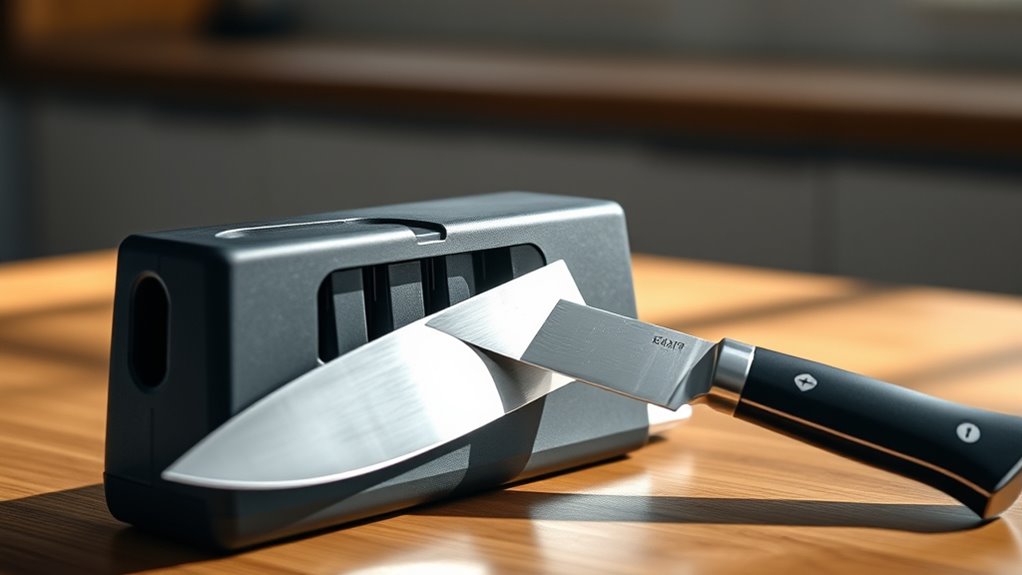
Keeping your knives sharp can be a real hassle. You want them to slice smoothly without struggling or risking damage, but finding an affordable sharpener that actually works? That’s easier said than done. You’re not alone—many people struggle to keep their blades in top shape without spending a fortune or juggling complicated tools.
Whether you’re a seasoned chef or just someone who likes to prep meals efficiently, having a reliable sharpener is key. It needs to be simple, effective, and safe to use. Luckily, there are options out there that strike the perfect balance between price and performance.
If you want the best affordable knife sharpener for 2026, Smith’s PP1 Pocket Pal stands out. It’s compact, durable, and versatile, featuring carbide, ceramic, and diamond surfaces that handle straight, serrated, and gut hook blades. Its fold-out design keeps it safe and portable, making sharpening easy for all skill levels.
Plus, it balances price with lasting performance and safety features. Explore more to find what makes it a top pick for your needs.
Smith’s PP1 Pocket Pal Knife Sharpener Compact

- HANDHELD KNIFE SHARPENER – Smith’s “Pocket Pal” Knife...
- 2 STAGE – The pull-through coarse carbide slot provides a quick...
- DIAMOND ROD – This sharpener includes a fold-out, tapered round...
- PORTABLE – Smith’s portable multi-tool knife sharpener...
- VERSATILE – The carbide and ceramic stones are reversible...
Smith’s PP1 Pocket Pal Knife Sharpener Compact is designed to keep your knives sharp no matter where you are. It tackles dull blades quickly, restoring sharpness with carbide blades made for straight edges. This tool also polishes your blade using fine ceramic stones, making it razor sharp and ready for action.
The sharpener includes a fold-out diamond-coated rod perfect for serrations, gut hooks, and small hooks. This feature ensures precision sharpening in hard-to-reach areas, enhancing your knife’s performance during outdoor activities. Its compact size and lightweight design make it easy to carry without adding bulk.
Maintenance is simple thanks to replaceable and reversible sharpening components, extending the tool’s lifespan. The added lanyard hole lets you attach it securely to your gear, so it’s always within reach. While its plastic build may not match metal’s robustness, it balances durability with portability.
This sharpener is ideal for hunters, fishermen, hikers, and campers who need a reliable way to maintain their knives in the field. It requires manual use, so it’s best suited for those comfortable with traditional sharpening methods.
Best for: Outdoor enthusiasts who need a compact, versatile sharpener to keep their knives ready during hunting, fishing, or camping trips.
What We Like:
- Compact and lightweight with easy attachment via lanyard hole
- Multiple sharpening surfaces for straight edges and serrations
- Replaceable and reversible parts for long-lasting use
Specification:
| Specification Title | Detailed Description |
|---|---|
| Dimensions | Approximately 3.5 inches in length |
| Weight | About 1 ounce |
| Sharpening Surfaces | Carbide blades, ceramic stones, diamond-coated rod |
| Material | Durable plastic construction |
| Sharpening Types | Straight edges, serrations, gut hooks, small hooks |
| Portability Features | Lanyard hole for easy attachment |
Factors to Consider When Choosing an Affordable Knife Sharpener
When choosing an affordable knife sharpener, you’ll want to take into account the type of sharpener and whether it fits your blade’s compatibility range. Think about its size and portability, especially if you need something easy to carry or store.
Also, check for consistent sharpening angles and durable materials to guarantee it lasts and works well.
Sharpener Types Overview
Choosing the right knife sharpener depends on several key factors that affect how easily and effectively you can maintain your blades. Manual sharpeners use abrasive surfaces like carbide, ceramic, or diamond, giving you control but requiring more effort.
Electric sharpeners automate the process with motorized grinding wheels, delivering quick and consistent results—great if you want speed and convenience. Many sharpeners come with preset angles, ensuring uniform edge sharpening without needing advanced skills.
Keep in mind, the type you pick influences portability, ease of use, and sharpening precision. Whether you choose manual or electric, consider how much control and convenience you want.
Each type offers unique benefits, so understanding these will help you find the best affordable knife sharpener that fits your needs perfectly.
Blade Compatibility Range
A essential factor to contemplate in an affordable knife sharpener is its compatibility with the blades you use most. Make sure it handles the blade types you own, such as straight, serrated, or gut hooks. Also, check if it can sharpen different blade materials like high-carbon steel and stainless steel effectively.
Look for adjustable or preset angles to fit various blade sizes and shapes, ensuring precise sharpening. Consider whether the sharpener offers multiple sharpening elements—carbide, ceramic, or diamond rods—to suit different blade needs.
Finally, verify the design accommodates the blade length and thickness you typically work with, so you don’t damage your knives or struggle to sharpen them properly. Choosing a sharpener that fits your blade range guarantees better results and longer knife life.
Portability And Size
How often do you need a sharpener that travels as well as your knife? Choosing a compact and lightweight sharpener makes all the difference when you’re on the move. Smaller sharpeners fit easily into your pocket, backpack, or toolkit, so you won’t be weighed down.
Look for models with fold-out or retractable parts to protect the sharpening surfaces during transport. The overall size and weight directly impact how convenient it is to carry without adding bulk. A well-designed, portable sharpener ensures you can quickly access it when needed, whether outdoors or in emergencies.
If you want a sharpener that’s easy to store and ready whenever you are, prioritize portability and size in your affordable knife sharpener choice.
Sharpening Angle Consistency
When you carry a sharpener on the go, you’ll want one that not only fits your gear but also keeps your knife’s edge in top shape. Consistent sharpening angles are key to maintaining your blade’s original edge geometry, ensuring longer-lasting sharpness. Choosing a sharpener with preset angles helps you achieve uniform results every time, reducing the risk of uneven or damaged edges.
Handheld sharpeners with fixed-angle guides offer more reliable control than freehand methods, making it easier to maintain the correct angle. Keeping a consistent angle during sharpening prevents excessive material removal and wear, protecting your blade’s lifespan. Prioritizing sharpening angle consistency lets you enjoy a razor-sharp edge without compromising your knife’s durability.
Durability And Materials
Because you’ll rely on your knife sharpener for regular maintenance, its durability and materials play an essential role in its performance and lifespan. Look for sharpeners made from high-quality plastics, metals, or ceramics that can withstand frequent use and environmental exposure. Materials like carbide, ceramic, and diamond-coated abrasives ensure effective sharpening and long-lasting results.
The construction quality directly impacts resistance to wear, chipping, and breakage over time. Affordable sharpeners with reversible and replaceable components help you extend their lifespan by allowing worn parts to be swapped out easily. If you need a portable option, choose lightweight, impact-resistant materials to prevent damage during outdoor or rugged use.
Prioritizing durability and materials will save you money and hassle in the long run.
Maintenance And Replacement
Why should you pay close attention to maintaining and replacing parts on your knife sharpener? Regularly cleaning the sharpening stones and blades prevents debris buildup that can reduce performance. You’ll notice when stones or parts wear out by a drop in effectiveness or visible damage.
Many affordable sharpeners come with reversible or replaceable components, which helps extend their lifespan and keep your sharpening consistent. Proper storage and careful handling also protect these parts, so you won’t have to replace them as often.
Don’t forget to check the manufacturer’s guidelines for replacement intervals; following these helps maintain peak sharpening efficiency and ensures your tool works safely every time you use it. Staying on top of maintenance saves you money and frustration in the long run.
Safety Features Included
Although affordability is important, you shouldn’t overlook safety features when choosing a knife sharpener. Look for models with finger guards or protective covers to prevent accidental cuts during sharpening. Non-slip bases or grips keep the sharpener securely in place, reducing the risk of slips that could cause injury.
Some sharpeners offer locking mechanisms to stabilize sharpening elements and avoid unexpected movements. Compact designs with fold-out or retractable components also minimize injury risks when the sharpener’s not in use. Additionally, clear instructions and safety warnings make operation safer for everyone, regardless of skill level.
Prioritizing these safety features ensures you sharpen your knives effectively without compromising your well-being.
Price Versus Performance
When choosing an affordable knife sharpener, you’ll want to balance price with performance to get the most value for your money. Look for models that offer both coarse and fine sharpening options, as they provide versatile blade maintenance without driving up costs. Cheaper sharpeners might save you upfront but can wear out quickly, ending up more expensive long-term.
Features like preset sharpening angles and multiple surfaces improve performance without adding price. Pay attention to customer reviews—a low-cost sharpener with high ratings usually means reliable functionality. Ultimately, choose a sharpener that consistently delivers sharp edges suited to your needs and won’t require frequent replacement.
This balance ensures you invest wisely in a tool that performs well and lasts.
Frequently Asked Questions
Can Knife Sharpeners Damage Ceramic Blades?
Yes, knife sharpeners can damage ceramic blades if you’re not careful. Ceramic is much harder and more brittle than steel, so using a sharpener designed for metal knives might cause chips or cracks.
You should use a sharpener specifically made for ceramic knives or rely on professional sharpening services. If you try to sharpen ceramic blades with inappropriate tools, you risk ruining their edge or even breaking the blade entirely.
How Often Should I Sharpen My Knives?
You don’t need to sharpen your knives after every heroic battle with a stubborn tomato, but about every 6 to 12 months works well for most home cooks. If you notice your blades struggling like a tired runner, it’s time.
Frequent honing keeps edges aligned, but sharpening actually grinds metal away, so don’t overdo it. Pay attention to your knife’s performance, and it’ll thank you with smooth, precise cuts every time.
Is It Safe to Sharpen Serrated Knives With This Sharpener?
No, you shouldn’t use this sharpener on serrated knives. Serrated blades need a specialized sharpener or a tapered rod to maintain their unique edges without damaging the teeth.
Using a regular sharpener can ruin the serrations, making your knife less effective. Instead, focus on tools designed for serrated edges to keep them sharp and functional.
Always match your sharpener to the knife type for the best results.
Can This Sharpener Be Used Outdoors?
You can definitely take this sharpener on your outdoor adventures—it’s designed to handle the rugged whispers of nature. Its compact size and durable build mean you won’t be tethered to your kitchen counter. Whether you’re camping under starlit skies or prepping a picnic in the park, it’s ready to keep your blades keen.
Just make sure to keep it dry and clean, so it performs smoothly no matter where you are.
What Maintenance Does the Sharpener Require?
You’ll want to keep your sharpener clean by wiping it down after each use to prevent metal shavings buildup. Avoid using water unless the manufacturer says it’s safe; if you do, dry it thoroughly to prevent rust.
Periodically check the sharpening surfaces for wear and replace them if needed. Storing it in a dry place helps maintain its efficiency. With just a bit of care, your sharpener will stay effective and last longer.
Conclusion
Choosing the best affordable knife sharpener is like finding the perfect dance partner—it has to match your style and needs seamlessly. Smith’s PP1 Pocket Pal Knife Sharpener Compact offers a balanced blend of portability, durability, and performance without breaking the bank.
By considering factors like sharpener type, blade compatibility, and safety features, you’ll keep your knives razor-sharp and ready for any task. With this knowledge, you’ll sharpen confidently and efficiently every time.