
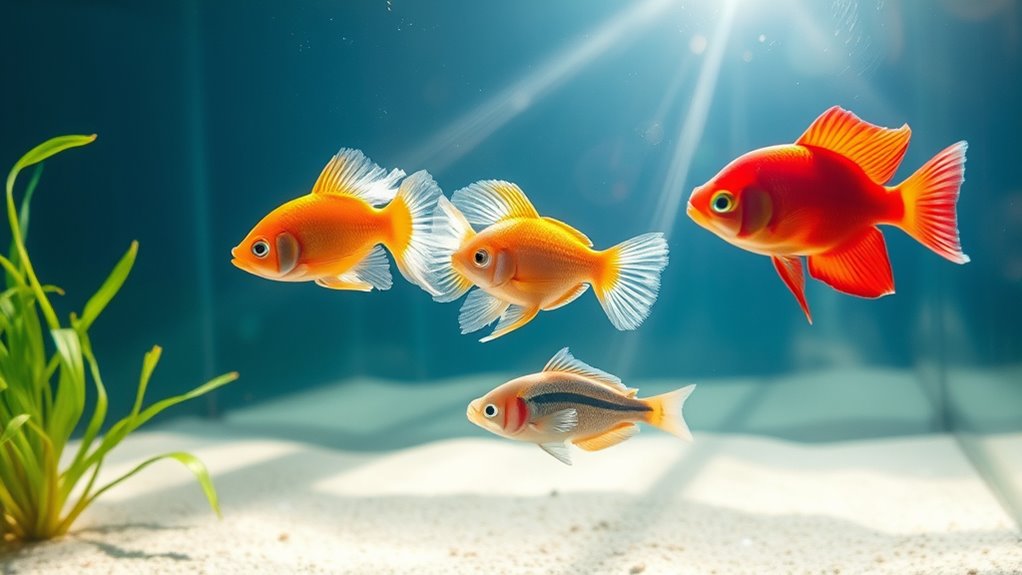
Finding the perfect feeder fish can feel like a never-ending challenge. You want species that are healthy, easy to care for, and that fit well within your pond or aquarium ecosystem. If you’ve struggled to find reliable options that won’t require constant replacement or cause stress to your aquatic environment, you’re not alone. Many hobbyists face this exact dilemma, trying to balance quality, reproduction, and adaptability.
For 2026, consider Toledo Goldfish Comet Feeder 50, Toledo Goldfish Rosie Red Minnows (750 Count), and 20 Live Mosquito Fish with Hornwort. You’ll get appropriately sized options that suit ponds, tanks, and ecosystems, plus strong reproduction traits to reduce reorders.
These pick from reputable farms with transparent health standards and habitat versatility. They balance natural diets with stress-free feeding and ongoing maintenance.
If you keep exploring, you’ll uncover how each fits your setup and goals.
| Image | Name | Editor's Rating | Price |
|---|---|---|---|
|
Toledo Goldfish Comet Feeder Goldfish: L...
|
|
|

|
Toledo Goldfish Rosie Red Minnows - Vers...
|
|
|
|
Kool Tools 20 Live Mosquito Fish (Koi Po...
|
|
Toledo Goldfish Comet Feeder 50 Live Goldfish
- Comet Feeder Goldfish: Add timeless beauty to your aquatic space...
- Family-Owned Fish Farm: Toledo Goldfish is committed to providing...
- Born and Raised in the USA: Choose quality. Our Comet Feeder...
- Diverse Coloration: These goldfish, while commonly orange or red,...
- Omnivorous Diet: Comet Feeder Goldfish are omnivores with a...
Introducing the Toledo Goldfish Comet Feeder 50 Live Goldfish, a practical solution for aquarists and pond owners seeking a natural, ready-made live food source. These vibrant fish bring life and color to your aquatic environment while providing a reliable feeding option for other species.
Each goldfish measures between 2 and 2.5 inches, making them ideal for ponds, tanks, and aquariums. Raised on a family farm in the USA, they are cared for with attention to quality and health. This background ensures you receive healthy fish that adapt quickly to varied diets.
The natural diet flexibility of these goldfish supports their growth and vitality across all life stages. They thrive on both dried and live foods, making maintenance straightforward for hobbyists with some aquatic experience. Proper care and handling are essential to keep these live feeders healthy and effective.
Their wide range of colors, including orange, red, black, white, and patterned varieties, adds visual interest and diversity to your aquatic setup. However, as live fish, they require quarantine and monitoring to prevent disease and compatibility issues with other tank inhabitants.
Since their introduction in 2018, these goldfish have been a dependable choice for natural feeding solutions. They help maintain a balanced ecosystem by providing a live food source while enhancing the overall aesthetic of ponds or aquariums.
Best for: Pond and aquarium enthusiasts looking for a healthy, colorful live feeder fish to support natural feeding and ecosystem balance.
What We Like:
- Convenient packs of 50 meet typical stocking needs
- Family farm-raised in the USA ensures quality and care
- Variety of colors to enhance aquatic environments
- Adaptable to multiple aquatic habitats and diets
- Supports natural feeding habits for healthier ecosystems
Specification:
| Specification Title | Detailed Description |
|---|---|
| Fish Size | 2 to 2.5 inches |
| Quantity | Pack of 50 live goldfish |
| Origin | Family farm-raised in the USA |
| Color Variations | Orange, red, black, white, black-and-white patterns |
| Suitable Habitats | Ponds, tanks, aquariums |
| Diet | Live and dried foods |
| Availability Since | 2018 |
Toledo Goldfish Rosie Red Minnows (750 Count)
- Diverse Feeder Fish: Rosie Red Minnows, a pink variety of fathead...
- Omnivorous Appetite: These minnows, ranging from 0.5 to 3 inches...
- High Reproduction Rate: Rosie Red Minnows are fractional...
- Born and Raised in the USA: Choose quality. Our Rosie Red Minnows...
- Family-Owned Fish Farm: Toledo Goldfish is committed to providing...
Looking for a reliable live feeder fish to keep your aquatic pets healthy and well-fed? Toledo Goldfish Rosie Red Minnows (750 Count) are an excellent choice. These vibrant pink fathead minnows thrive in stocked ponds and larger tanks, providing a consistent, nutritious food source.
Their ability to reproduce prolifically during warmer months means you’ll have a steady supply without constant repurchasing. This reduces the hassle of sourcing feeder fish and supports natural pond population growth. Measuring between 0.5 and 3 inches, their size suits a variety of aquatic setups from aquariums to outdoor ponds.
Rosie Red Minnows are omnivorous, feeding on zooplankton, phytoplankton, and small foods, which makes maintaining them simple. They are fractional spawners, boosting pond populations particularly in spring and summer when temperatures reach about 65°F. This natural reproduction helps sustain your ecosystem with minimal intervention.
Raised on a USA family farm, these minnows come with a promise of quality and health. Their hardy nature and adaptability make them easy to care for, ensuring your aquatic pets receive fresh, high-quality nutrition. Keep in mind that the larger quantity suits those with substantial pond or tank needs.
Best for: Aquarists and pond keepers seeking a prolific, nutritious feeder fish to maintain healthy populations in larger aquatic environments.
What We Like:
- Prolific breeders for steady population replenishment
- Versatile size fits various tank and pond setups
- Raised on a family farm in the USA, ensuring quality
- Omnivorous diet simplifies maintenance
- Supports natural pond ecosystem balance
Specification:
| Specification Title | Detailed Description |
|---|---|
| Species | Toledo Goldfish Rosie Red Minnows |
| Quantity | 750 Count |
| Size Range | 0.5 to 3 inches |
| Diet | Omnivorous (zooplankton, phytoplankton, small foods) |
| Spawning Behavior | Fractional spawner, prolific in spring and summer |
| Ideal Temperature Range | Around 65°F for optimal spawning and health |
| Origin | USA, family farm raised |
20 Live Mosquito Fish (Koi Pond) Aquarium Feeder Fish with Hornwort Plant
Discover a natural way to control mosquitoes and enhance your pond or aquarium environment. These 20 live mosquito fish come with a bundle of Hornwort plants, creating an eco-friendly solution to reduce mosquito larvae without harmful chemicals.
The mosquito fish are hardy and adaptable, thriving in ponds, fountains, rain barrels, and aquariums. They actively feed on mosquito larvae, helping to keep your water features clear and enjoyable. The included Hornwort adds valuable plant cover and oxygenates the water, supporting both fish health and overall water quality.
Maintenance is straightforward but important. These fish require proper acclimation and ongoing care, including regular feeding beyond initial setup. They do best when housed in suitable water conditions with enough space to maintain a healthy population.
This combination offers a balanced ecosystem, reducing pests naturally while enhancing the aesthetic and biological function of your water environment. Many users have observed noticeable improvements in mosquito control when using this product as directed.
While effectiveness can vary depending on environmental factors and available mosquito larvae, this setup provides a sustainable and chemical-free approach to pest management.
Best for: pond owners and aquarium hobbyists seeking a natural, low-maintenance method to reduce mosquito larvae while adding live fish and aquatic plants for cover and oxygenation.
What We Like:
- Natural mosquito larvae control without chemicals
- Hornwort plant adds oxygen and shelter
- Hardy fish adaptable to various water environments
- Supports a balanced aquatic ecosystem
- Low-maintenance with proper care and acclimation
Specification:
| Specification | Description |
|---|---|
| Fish Type | Live Mosquito Fish |
| Quantity | 20 fish |
| Plant Included | Hornwort |
| Suitable Environments | Ponds, fountains, rain barrels, aquariums |
| Care Requirements | Regular feeding, proper acclimation |
| Water Conditions | Compatible with a range of freshwater setups |
| Purpose | Natural mosquito larvae control and oxygenation |
Factors to Consider When Choosing Feeder Fish
When you choose feeder fish, you’ll weigh size compatibility, nutrition needs, and the fish’s habitat to match your setup. Consider health and origin to avoid disease, and think about reproduction and lifespan to plan for ongoing supply.
Size Compatibility Considerations
Size compatibility is essential to prevent injuries and guarantee natural feeding behavior. You’ll pick feeder fish size that matches your tank inhabitants to avoid accidental ingestion or injuries. For juveniles or small species, choose smaller options like Rosie Red Minnows, about 0.5 to 3 inches, so they aren’t overwhelming.
When you have adult or larger pets, consider Goldfish Comet Feeders at 2 to 2.5 inches to prevent choking hazards. Always factor growth potential so the feeder doesn’t outgrow the environment or threaten other life. And align feeder size with your predator fish’s mouth diameter to promote effortless, stress‑free feeding and reduce refusals.
Diet and Nutrition Needs
To keep feeder fish healthy and thriving, you’ll want a balanced diet that includes dried, live, or frozen options. A varied, omnivorous menu provides essential proteins, fats, and vitamins for necessary health across life stages. Proper nutrition supports growth, coloration, and reproductive health, so tailor meals to match each species’ preferences and needs.
Be mindful that overfeeding or an imbalanced diet can degrade water quality and trigger health problems, making consistent portion control crucial. By understanding the dietary tendencies of your specific feeder fish, you’ll guarantee they receive adequate nutrients for longevity and vitality.
Keep a simple rotation of high-quality dried, supplemented with appropriate live or frozen items, and monitor both fish condition and tank cleanliness to maintain overall well-being.
Habitat and Environment Fit
Choosing feeder fish that fit your setup starts with matching their habitat needs to your tank, pond, or outdoor space. You should pick species compatible with the size and conditions of your existing aquatic habitat to keep them healthy and stress-free. Check the water temperature and pH, and choose fish that thrive within those parameters.
Confirm the habitat offers adequate space and hiding spots to reduce stress and promote natural behaviors. Select species suited for your water type—freshwater ponds, tanks, or aquariums—to prevent health issues. Finally, verify that the feeder fish’s dietary and environmental needs align with your setup for long-term sustainability.
In short, harmony between environment and species supports growth, reduces disease risk, and simplifies maintenance.
Health and Origin Assurance
Ensuring health and origin alignment matters once you’ve matched feeder fish to your setup. You should seek fish born and raised on reputable farms with health certifications to reduce disease spread. Fish from family-owned farms often undergo stricter quality control and more personalized care, which can boost reliability.
Verifying health standards and origin lowers the risk of parasites or illnesses entering your tank or pond. When origin is clear and traceable, you gain transparency and confidence in breeding practices and overall quality. Proper documentation of origin provides assurance that the fish are suitable for all life stages and compatible with other aquatic species.
Prioritize certifications, provenance notes, and consistent health records to support safer, healthier introductions.
Reproduction and Lifespan
Reproduction and lifespan shape how you plan with feeder fish. Lifespan varies by species, from about 1 to 5 years, depending on environment and care. Reproduction rates differ—some species, like minnows, can spawn several times each year, while others reproduce less frequently.
Many feeder fish are prolific breeders, often producing hundreds of offspring in a single spawning event, making them a sustainable food source. Reproductive maturity typically occurs within the first few months of life, enabling rapid population growth if unchecked.
Understanding the reproductive cycle and lifespan helps you manage populations and maintain a healthy, balanced aquatic environment. Use this knowledge to forecast needs, avoid overcrowding, and align stocking with your tank’s capacity and filtration.
Practical Stocking Tips
When stocking feeder fish, start by matching their size and temperament to your current tank residents to prevent stress or aggression. First, consider size and compatibility with your existing species to minimize conflicts. Next, verify the feeder fish are healthy and sourced from reputable farms to lower disease risk.
Align their dietary needs and behavior with your tank or pond environment so they survive and stay healthy. Choose an appropriate quantity based on your system’s size to avoid overstocking and maintain stable water quality. Regularly monitor water parameters and temperature to support both feeder fish and the overall ecosystem.
Frequently Asked Questions
Are Feeder Fish Safe for All Tropical Freshwater Tanks?
No, feeder fish aren’t safe for all tropical freshwater tanks. They can introduce parasites, diseases, or unstable water quality if not quarantined and properly sourced. If you choose them, watch for stress signs, nitrates, and compatibility with your tank’s inhabitants.
Quarantine new feeders for at least two weeks, treat them as a temporary, not a permanent, food source, and maintain strict filtration and regular water tests to protect your established community. Consider alternative foods like high-quality pellets or frozen options.
How Long Do These Feeder Fish Typically Live?
Life spans vary, but most feeder fish live about 2 to 4 years, with goldfish sometimes reaching up to 10 if well cared for. As the old adage says, “you reap what you sow.” You’ll boost longevity by providing clean water, steady temps, and varied diets.
Avoid overfeeding and sudden changes. Choose reputable sources, quarantine new arrivals, and monitor health daily. With proper care, those little feeders become reliable, longer-lasting additions to your tank.
Do Feeder Fish Contain Medications or Dyes?
No, feeder fish themselves usually don’t contain medications or dyes. They’re typically plain, live fish raised for sale, though some ornamental or dye-enhanced fish exist, which you should avoid for a healthy tank.
Always buy from reputable suppliers, ask about treatment histories, and inspect for odd coloring or residue. If you’re unsure, choose trusted brands and quarantine new arrivals to prevent introducing meds or dyes into your ecosystem.
Can Feeder Fish Help Control Mosquito Populations Indoors?
Yes, feeder fish can help reduce indoor mosquito larvae, but their effectiveness is limited. About 70% of mosquito larvae survive in untreated water, yet introducing small fish like guppies can eat many larvae daily.
You should still remove standing water and use screens or larvicides where appropriate. Relying solely on feeders won’t eliminate mosquitoes, but they’re a helpful supplementary tactic when combined with proper sanitation and other control methods.
What Is the Best Way to Acclimate Feeder Fish?
The best way to acclimate feeder fish is to float the bag in your tank for 15 minutes, then slowly mix in small amounts of tank water every 5 minutes for about 30–45 minutes before releasing them.
Keep the water conditions steady, avoid direct sunlight, and minimize stress by gently netting them rather than pouring.
Once inside, monitor closely for the first hour, then daily for a few days.
Conclusion
Feeder fish can simplify your tank care, but pick wisely and monitor your whole setup. Consider lifespan, temperament, and compatibility with residents, then tailor your choice to your pond or aquarium size.
Remember: variety isn’t just for flavor—diversity keeps your tank balanced. Metaphor moment: choosing feeder fish is like steering a tiny ship—steady hands, clear course, calm seas ahead.
In conclusion, selecting the right feeder fish is essential for a healthy and thriving aquatic environment. Always prioritize the best feeder fish to ensure your tank remains balanced and vibrant.