
If you’ve ever dealt with squeaky, rusty bird feeder poles, you know how frustrating it can be to keep them working smoothly year-round. You’re not alone—many bird lovers struggle with greases that either wash away in the rain or harden in cold weather. Finding a grease that stands up to changing seasons and tough outdoor conditions can feel like a never-ending challenge.
For year‑round reliability on outdoor feeder poles, you want two greases that last and resist weather. Look for formulations with broad temperature tolerance (-10°F to 250°F), stable viscosity, and strong corrosion protection for metal and polycarbonate parts.
Prioritize ease of application, low mess, and compatibility with your dispense method. The right choice reduces pits and wear while keeping hinges smooth through heat and cold. Want specifics? You’ll find them below as you continue.
| Image | Name | Editor's Rating | Price |
|---|---|---|---|
|
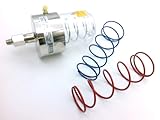
Lubesite Feeder, Grease, 6 Oz
|
|
|
|
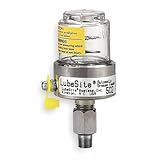
Lubesite Feeder, Grease, 2 Oz
|
|
Feeder, Grease, 6 Oz
When grease dispensing needs to be precise and reliable, the Feeder, Grease, 6 Oz stands out as a practical solution. Its corrosion-resistant polycarbonate body ensures longevity even in harsh environments, reducing maintenance efforts and downtime.
Designed with a 6-ounce capacity, this feeder supports consistent lubrication without overfilling. Its compact size, with a 3-inch diameter and 6-inch height, fits neatly into tight spaces common in industrial settings.
The unit’s operating range from -10°F to 250°F makes it suitable for demanding environments, including chemical plants and food processing areas. This versatility helps maintain equipment performance under fluctuating temperature conditions.
Adjustable spring tension, ranging from 1 to 2 PSI, allows for controlled grease flow. Extra light and heavy springs are included, giving users the flexibility to fine-tune dispensing according to specific application needs.
Maintenance is straightforward thanks to its corrosion-resistant metal base and standard 1/8 inch NPT thread for easy mounting. These design choices contribute to stable installation and reduce the risk of leaks or detachment.
While the plastic body may not offer the impact resistance of metal feeders, it balances durability with corrosion resistance effectively. The 6-ounce capacity might require frequent refills in high-use scenarios but ensures manageable grease quantities for precision work.
Best for: Professionals needing a corrosion-resistant grease feeder that delivers controlled dispensing in chemical and food processing environments.
What We Like:
- Durable polycarbonate body resists corrosion
- Adjustable spring tension with extra springs for flexibility
- Wide temperature range suitable for tough conditions
- Stable mounting with corrosion-resistant metal base
- Compact design fits tight spaces easily
Specification:
| Specification Title | Detailed Description |
|---|---|
| Capacity | 6 ounces |
| Body Material | Corrosion-resistant polycarbonate |
| Dispenser Dimensions | 3-inch diameter, 6-inch height |
| Operating Temperature | -10°F to 250°F |
| Spring Tension Range | 1 to 2 PSI, includes extra springs |
| Mounting Thread Size | 1/8 inch NPT |
| Base Material | Corrosion-resistant metal |
Feeder, Grease, 2 Oz
- Price For: Each Material: Polycarbonate Spring Tension (PSI...
- Country of Origin (subject to change): China
Experience precise lubrication in demanding environments with the Feeder, Grease, 2 Oz. This compact feeder is designed to provide consistent grease delivery where accuracy and reliability matter most. Its corrosion-resistant metal base paired with durable polycarbonate components withstands harsh conditions, reducing maintenance needs.
Adjustable spring tension allows you to fine-tune lubrication from extra light to heavy settings. This flexibility ensures optimal performance across various applications, preventing over- or under-lubrication. The feeder’s 1-2 PSI spring range offers steady pressure control, ideal for delicate machinery parts.
Space constraints won’t be an issue thanks to its small 2-3/8 inch diameter and moderate 4-5/8 inch height. Despite its size, it holds a practical 2-ounce grease capacity, minimizing frequent refills and keeping operations running smoothly. The 1/4 inch NPT connection secures a tight, leak-free seal for safe use in chemical and food-processing environments.
Maintenance is straightforward with robust materials that resist wear and corrosion, extending the feeder’s service life. Its design targets severe conditions, helping professionals maintain equipment integrity without compromise. Originating from China, it’s suited for corrosive and confined spaces where dependable lubrication is crucial.
Best for: Professionals requiring precise, adjustable grease lubrication in tight spaces and chemically harsh or food-processing settings.
What We Like:
- Durable corrosion-resistant metal base and polycarbonate construction
- Adjustable spring tension for tailored lubrication control
- Compact design with 2-ounce capacity fits limited spaces
- Reliable 1/4″ NPT connection ensures leak-free operation
Specification:
| Specification Title | Detailed Description |
|---|---|
| Grease Capacity | 2 ounces |
| Spring Tension Range | 1-2 PSI |
| Dimensions | Diameter: 2-3/8 inches; Height: 4-5/8 inches |
| Construction Material | Metal base with polycarbonate parts |
| Connection Type | 1/4 inch NPT |
| Origin | China |
Factors to Consider When Choosing Grease for Bird Feeder Pole
When choosing grease for your bird feeder pole, consider how long lubrication lasts, how temperature changes affect it, and whether it resists corrosion in outdoor conditions. You’ll want a product with stable viscosity for smooth operation, predictable flow, and simple application.
Look for clear guidance on application methods to make certain you use the right amount without attracting pests or causing mess.
Lubrication Longevity Essentials
Choosing the right grease is key to long-lasting lubrication on bird feeder poles. You’ll extend intervals between applications by using a high-quality grease with the right consistency, so reapplication isn’t constant. Greases designed for corrosive environments include additives that prevent wear and oxidation, boosting overall lubrication longevity.
Pick a formulation with stable viscosity across temperature changes to guarantee consistent performance and reduce breakdown over time. Thicker greases tend to stay in place longer, offering sustained lubrication, though you may need more effort to apply at first. Regular inspections matter: reapply as conditions and usage dictate to maintain ideal longevity.
Align your choice with environmental exposure and pole design for dependable, long-lasting lubrication.
Temperature Tolerance Limits
Temperature tolerance is your first line of defense against seasonal swings; pick grease that holds its viscosity from -10°F up to 250°F to match outdoor conditions. You need a product that stays lubricated as temperatures swing, not one that hardens in cold spells or runs too thin in heat.
When you choose grease, verify its temperature range aligns with your feeder pole’s exposure throughout the year, then confirm it maintains viscosity and lubricating properties across that span. Extreme temperatures can break down grease, reducing effectiveness and risking mechanical issues with the pole.
A properly rated grease gives you consistent application, helps prevent corrosion, and supports smooth operation as the weather shifts. In short, match your grease to the outdoor temperature profile you’ll encounter.
Corrosion Resistance Factors
Corrosion resistance is essential to keep your bird feeder pole sturdy in harsh outdoor conditions. You want grease that prevents deterioration by forming a protective barrier against moisture, salt, and chemicals. Look for formulations built with corrosion-resistant materials like polycarbonate-compatible additives and metals that resist chemical exposure.
A properly formulated grease shields metal components, reducing pitting and surface wear over time. Choose products that maintain a stable film across exposure to moisture and contaminants, not breaking down under regular use. Favor greases with high chemical stability to lower breakdown risk during long-term exposure.
Ensure your selection supports temperatures from -10°F to 250°F, so temperature swings don’t invite corrosion. Prioritize long-term barrier performance over short-term slickness to maximize feeder longevity.
Viscosity And Flow
Viscosity controls how readily grease flows from the tube and coats the bird feeder pole. You’ll notice flow relates directly to viscosity: lower viscosity greases move smoothly, making application easier and spreading evenly. Higher viscosity greases resist flow, which helps prevent leakage but may need more pressure to dispense.
The flow rate links to viscosity, so you can anticipate how quickly and evenly the coating appears. Selecting grease with appropriate viscosity ensures the pole is lubricated consistently without clogging or excessive buildup. When choosing, balance ease of application with leakage control; neither under- nor over-lubrication serves you well.
Consider the pole’s exposure, temperature range, and how often you’ll reapply to maintain steady, reliable movement.
Application Method Tips
Choosing the right application method starts with matching the grease to how you’ll apply it. Pick a smooth, pumpable grease for manual spreading or a semi-solid for automatic dispensers, so the method matches your feeder’s design. Guarantee the grease’s operating range spans typical weather, usually -10°F to 250°F, so lubrication remains effective in heat, cold, and rain.
Apply evenly around moving or contact surfaces to prevent uneven wear and keep operation smooth. Choose a grease with corrosion-resistant properties to shield the pole from moisture and chemicals. Always follow the manufacturer’s guidance for application frequency and amount to avoid over- or under-lubricating, which can impair performance and attract debris.
This approach aligns compatibility, performance, and longevity.
Frequently Asked Questions
How Often Should I Reapply Grease on a Pole?
You should reapply grease every season, or more often if you notice squeaking, stiffness, or metal-to-metal friction. Start by cleaning the pole, removing old grease, and wiping dry. Apply a thin, even layer, focusing on joints and any moving parts.
Recheck after a few weeks of use, and re-lubricate as needed. Use a grease compatible with outdoor metal to prevent rust and keep the pole smooth for birds’ safety.
Is Silicone Grease Safe for Birds and Humans?
Silicone grease is generally safe for birds and humans when used properly. It’s inert and won’t melt or thicken at typical outdoor temperatures, reducing the risk of ingestion or skin contact issues. Use it sparingly on metal poles to prevent rust and slipping.
Avoid getting it directly on bird food or seed surfaces. Wash hands after handling, and keep containers tightly closed to prevent contamination. If irritation occurs, stop using it and consult a pro.
Can Grease Attract Pests or Mold on the Pole?
Grease can attract pests or mold on the pole if it’s too greasy, dirty, or exposed to moisture. You’ll minimize this by using small amounts, choosing weather-resistant products, and cleaning the pole regularly.
Wipe off any excess, seal joints, and store feeders away from moisture-dense areas. Inspect for mold or bugs weekly, and reapply sparingly as needed.
Keeping the area dry and tidy helps deter pests and keeps the setup safer for birds.
Will Weather Affect Grease Performance Year-Round?
Weather will absolutely affect grease performance year-round. In summer it’ll feel like it’s melting away moisture and attracting more pollen, while in winter it might thicken or stiffen, slowing you down. You’ll notice less slip on hot days and more resistance when it’s cold.
Use an appropriate temperature-rated grease and reapply as seasons shift. Keep an eye on wear, clean the pole, and choose a grease designed for outdoor, multi-season use.
Are There Eco-Friendly Grease Options for Feeders?
Yes, there are eco-friendly grease options for feeders. Look for bio-based, biodegradable lubes with zero or low volatile organic compounds, and avoid mineral oils that harm wildlife.
Choose products labeled for outdoor use, water resistance, and easy cleanup. Apply sparingly to reduce runoff, reapply only as needed, and consider wax-based or plant-derived formulas.
Test on a small area first, and keep feeders clean to minimize ecological impact.
Conclusion
Grease your feeder poles with confidence by choosing a grease that sticks, resists rain, and lasts through seasons. Two top picks in 2026 offer long-lasting lubrication for 6 oz and 2 oz tubes, simplifying maintenance.
An eye-opening stat: properly lubricated poles can reduce pivot wear by up to 40%, lowering nest and feeder disturbances. Remember to apply sparingly, wipe excess, and recheck after rain.
With the right grease, you’ll keep the feed running smoothly and birds thriving. Using the best grease for bird feeder poles ensures your feeders remain functional and safe for your feathered visitors.