
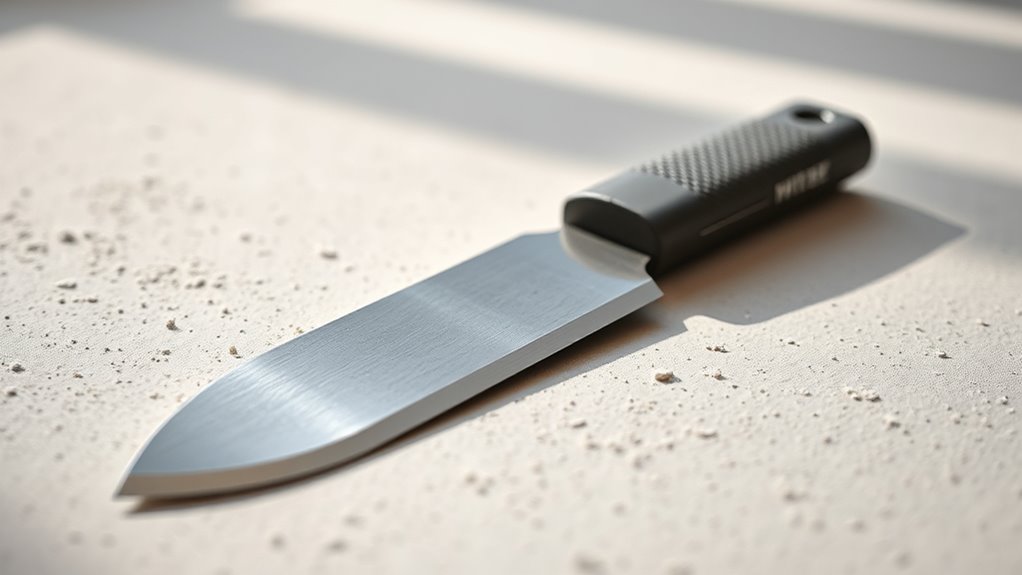
Cutting drywall can be a real hassle, right? You want clean, precise cuts without struggling with a dull blade or an uncomfortable handle. If you’ve ever found yourself frustrated with knives that slip, break, or just don’t deliver the results you need, you’re not alone. Many people struggle to find a utility knife that balances sharpness, comfort, and durability.
It’s not just about getting the job done; it’s about making the process smoother and safer for you. That’s why having the right tool in your hand makes all the difference when working with drywall. The right knife can save you time, reduce waste, and keep your hands comfortable during long projects.
Let’s dive into one of the best options out there that’s designed to meet these exact needs. You need the WORKPRO Retractable Heavy Duty Utility Knife to cut drywall in 2026. It offers razor-sharp SK5 steel blades that stay durable for clean cuts and an ergonomic, non-slip handle for comfort during extended use.
Its quick-release blade system makes replacements safe and easy, while the reliable retraction mechanism keeps you protected. Plus, it balances lightweight design with sustainability, reducing waste.
Keep exploring to find out how this knife meets all your drywall cutting needs.
| Image | Name | Editor's Rating | Price |
|---|---|---|---|

|
WORKPRO Premium Utility Knife, Retractab...
|
|
WORKPRO Retractable Heavy Duty Utility Knife with Blades
- Heavy-Duty Utility Knife : Aluminum alloy design with rust-free...
- Retractable Blade & Easy Change : 3 adjustable position razor...
- Great for General & Precision Cutting : Slice through cardboard,...
- Human & Environment : Hand-friendly matting body and ergonomic...
- Great Support : The world's 2nd largest hand tool company for...
If you need a reliable tool that handles heavy-duty cutting with ease, the WORKPRO Retractable Heavy Duty Utility Knife is designed to improve your workflow. Its all-metal aluminum body is both strong and lightweight, providing excellent control and reducing hand fatigue during long tasks.
This utility knife features sharp SK5 blades that retract and lock securely in three positions. This makes precise cuts easier and safer. Changing blades is hassle-free with the quick-release button, so you can get back to work without delay.
The rust-resistant coating adds durability, ensuring the knife stays in good condition over time. Its ergonomic design fits comfortably in your hand and pocket, making it convenient for professionals and DIY users alike.
While the metal body offers strength, it may feel cold or slippery in wet conditions. Also, it works best with the included blades and isn’t intended for extremely heavy industrial cutting.
Best for: professionals and DIY enthusiasts needing a durable, precise knife for drywall, carpet, rope, and general cutting tasks.
What We Like:
- Durable all-metal aluminum alloy body with rust protection
- Retractable SK5 blades adjustable to three secure positions
- Quick blade changes with included extra double-use blades
- Comfortable ergonomic design for extended use
- Lightweight and easy to control during detailed cutting
Specification:
| Specification | Description |
|---|---|
| Body Material | Aluminum alloy with rust-resistant coating |
| Blade Type | SK5 steel, retractable, triple position locking |
| Blade Change Mechanism | Quick-release button |
| Included Blades | 10 extra double-use blades |
| Handle Design | Ergonomic, pocket-friendly |
| Intended Use | Drywall, carpet, rope, and general utility cutting |
Factors to Consider When Choosing a Knife to Cut Drywall
When choosing a knife to cut drywall, you’ll want to focus on blade sharpness and how long it lasts. Consider the handle design for comfort during extended use, along with a reliable blade retraction mechanism for safety.
Don’t forget to check the knife’s weight for ease of handling and how simple it is to replace the blade when needed.
Blade Sharpness and Durability
Three key factors determine how well your drywall knife performs: blade sharpness, durability, and maintenance. A sharp blade lets you make clean, precise cuts, which means less sanding and finishing later. You’ll want a blade that stays sharp longer to avoid frequent replacements during your project.
Heat-treated blades like SK5 steel resist dulling better when cutting through drywall’s paper and gypsum core. Blade thickness and hardness also play a big role—they affect how efficiently you cut and how long the blade lasts. Don’t forget to regularly maintain your blade and swap it out when it gets dull.
Keeping your blade sharp and robust ensures safer, smoother drywall cutting and saves you time and effort in the long run.
Ergonomic Handle Design
Because you’ll often be cutting drywall for extended periods, an ergonomic handle design plays an essential role in reducing hand fatigue and improving control. Look for contoured handles that fit comfortably in your hand, giving you a secure grip and better precision. Handles with non-slip textures help prevent accidental slips, keeping your cutting safe and steady.
A properly shaped handle also supports natural wrist movement, reducing strain and allowing you to work longer without discomfort. Choosing a knife with a well-designed ergonomic handle not only boosts your comfort but also enhances overall cutting efficiency. When you prioritize these features, you’ll find drywall cutting becomes less tiring and more accurate, making your projects smoother from start to finish.
Blade Retraction Mechanism
Although cutting drywall requires sharp, accessible blades, you’ll want a knife with a reliable blade retraction mechanism to guarantee safety front and center. A good mechanism automatically retracts the blade when not in use, reducing accidental cuts.
Look for quick-release systems that let you reload and replace blades fast, so you stay efficient on the job. Adjustable retraction lets you control how much blade is exposed, which helps with precise cuts. Locking features are essential—they prevent the blade from extending or retracting unexpectedly, keeping you safe during use.
Plus, a dependable retraction system minimizes blade exposure, protecting you from injury and helping the blade stay sharp longer. Prioritizing these features ensures your drywall knife will be both safe and effective.
Weight and Portability
When you’re cutting drywall for extended periods, choosing a lightweight knife can considerably reduce fatigue and make the job feel less strenuous. A lighter tool lets you work longer without strain, especially during repetitive cuts over large areas. Plus, a compact, lightweight knife is easier to carry around and store on busy job sites.
Portability also means you can maneuver more easily in tight or awkward spaces, improving your precision and speed. While heavier knives might offer more stability and control, they can quickly become cumbersome during prolonged tasks. Balancing weight and portability helps you maintain comfort and efficiency, so you’ll want to pick a knife that feels right in your hand and fits seamlessly into your workflow.
Blade Replacement Ease
Choosing a knife with easy blade replacement can save you time and frustration during drywall projects. Look for models featuring a quick-release blade mechanism, which lets you swap blades faster and safer without fumbling. Knives that use standardized blades like SK5 simplify finding replacements and guarantee compatibility.
Pay attention to designs that minimize blade exposure during changes—this reduces injury risk and makes the process more convenient. Some knives offer adjustable blade positions, helping you extend blade life and maintain precise cuts, which means you won’t need to replace blades as often.
Ideally, you want a tool with simple, one-handed or tool-less reloading systems to keep your workflow smooth and efficient every time you cut drywall.
Material Compatibility
Beyond ease of blade replacement, the materials and design of your drywall knife play a significant role in cutting performance. You want a sharp blade specifically designed for drywall to guarantee clean, precise cuts every time.
Opt for a utility knife with a sturdy, corrosion-resistant blade, like SK5 steel, to assure durability during repeated use. An adjustable blade depth is essential—it helps you avoid cutting too deeply into the wall’s underlying surfaces or framing.
Also, consider a lightweight, ergonomic handle to reduce hand fatigue during longer projects. Finally, make certain the blade locks securely in place. This stability not only maintains cutting accuracy but also helps you work efficiently without worrying about blade movement.
These material factors together ensure your drywall knife performs reliably.
Safety Features Included
How can you stay safe while tackling drywall cuts? Choose a knife with key safety features to protect yourself. Retractable blades keep the sharp edge hidden when you’re not cutting, reducing accidental injuries.
Look for a locking mechanism that holds the blade firmly in place during use, preventing slips that could cause harm. Ergonomic handles improve your grip, minimizing the chance of losing control. A blade quick-release system lets you swap blades without touching the sharp edge, keeping your fingers safe.
Ultimately, knives with multiple adjustable blade positions let you make precise cuts without compromising safety. Prioritizing these features ensures your drywall project stays efficient and accident-free.
Environmental Impact Considerations
When you pick a knife to cut drywall, considering its environmental impact can make a big difference. Choosing knives made from recyclable materials helps reduce waste and pollution. Look for knives with environmentally safe coatings and finishes to minimize harmful chemical release during manufacturing and disposal.
Opt for models with long-lasting, replaceable blades so you don’t have to toss the entire knife frequently, cutting down on overall waste. It’s also smart to select products from manufacturers committed to sustainable practices, as this ensures lower environmental impact throughout the product’s lifecycle.
Finally, always dispose of or recycle used blades and knives properly to prevent contamination and support waste reduction. Taking these steps helps you work responsibly while protecting the environment.
Frequently Asked Questions
How Do I Safely Dispose of Used Utility Knife Blades?
To safely dispose of used utility knife blades, you should first store them in a sturdy container like a metal tin or a blade disposal case. Don’t just toss them loose in the trash, as they can cause injuries.
Once full, seal the container securely and label it as “sharp objects” before throwing it away. This way, you protect yourself and sanitation workers from accidental cuts or harm.
Can I Use the Knife for Cutting Other Materials Besides Drywall?
You can definitely use the knife for other materials—it’s not just a one-trick pony. Whether you’re slicing through cardboard, trimming carpet, or cutting plastic, a sharp utility knife handles it all with ease.
Just make sure to switch blades often and use the right cutting technique to avoid dulling or damaging the knife. Keep your workspace safe, and you’ll find this tool is as versatile as they come.
What Maintenance Is Required to Keep the Knife in Good Condition?
You’ll want to regularly clean your knife after each use to remove dust and debris. Keep the blade sharp by honing it with a sharpening stone or replacing the blade when it dulls. Store the knife in a dry place to prevent rust.
Lubricate any moving parts occasionally to guarantee smooth operation. By following these simple steps, you’ll keep your knife reliable and ready for any cutting task.
Are There Any Safety Gloves Recommended When Using This Knife?
When handling a sharp knife, wearing safety gloves is like putting on armor before battle. You should use cut-resistant gloves made from materials like Kevlar or reinforced nylon to protect your hands from accidental slips. These gloves offer excellent grip and flexibility, helping you control the knife without sacrificing safety.
Don’t skip this step—it’s the best way to keep your fingers safe while working on drywall projects.
How Long Does a Typical Blade Last With Regular Drywall Cutting?
A typical blade lasts about one to two weeks with regular drywall cutting, depending on how often you use it and the pressure you apply. If you’re cutting a lot, you might need to swap blades more frequently to keep clean, precise cuts.
Always inspect the blade for dullness or chipping before use, and change it as soon as you notice any decrease in performance to stay safe and efficient.
Conclusion
When cutting drywall, choosing the right knife can make all the difference. The WORKPRO Retractable Heavy Duty Utility Knife offers sharp, durable blades and an ergonomic handle that fits comfortably in your hand. Did you know that a sharp blade can reduce cutting effort by up to 40%?
With easy blade replacement and safety features, this knife helps you work efficiently and safely. Make sure you consider all factors to get the best tool for your drywall projects.
In conclusion, the best knife to cut drywall in 2026 is the WORKPRO Retractable Heavy Duty Utility Knife, combining durability, comfort, and safety for optimal performance.