
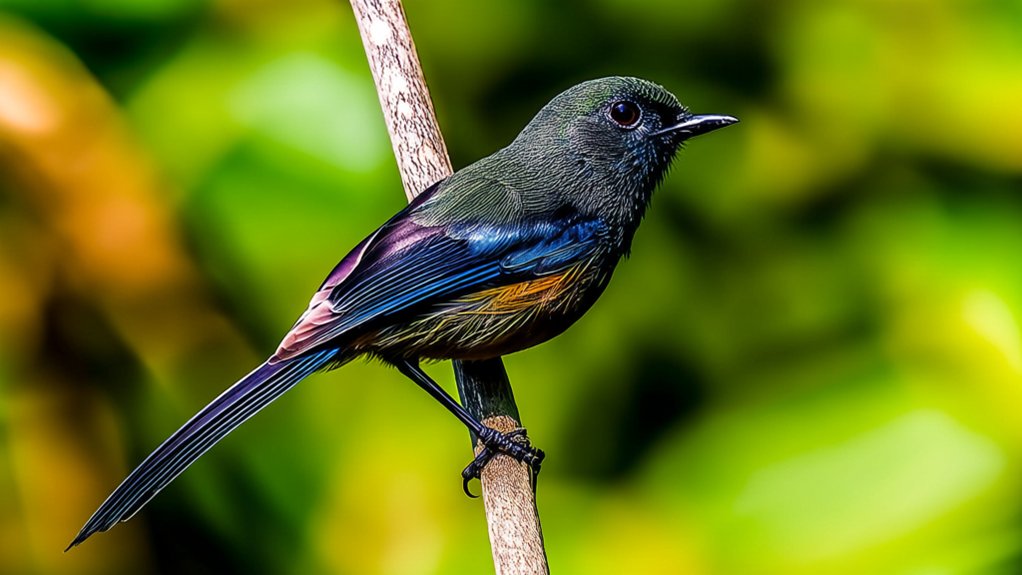
Choosing the right gear can completely transform your wildlife photos. For many photographers, figuring out which tools deliver crisp, detailed shots is the first big decision.
When you’re trying to capture fast-moving birds in varying light, the Best Lenses for Bird Photography become essential. These lenses help isolate subjects and freeze motion with sharp clarity.
Different focal lengths and optical qualities make some lenses more suited for wide habitat scenes, and others perfect for tight, telephoto action. Your experience in the field can change dramatically when you select gear that matches your shooting style.
Learning to pair technique with equipment will make every birding trip more rewarding and your images more compelling.
| Image | Name | Editor's Rating | Price |
|---|---|---|---|

|
JINTU 420-800mm f/ 8.3 Manual Telephoto ...
|
|
|

|
Canon RF200-800mm F6.3-9 is USM Super-te...
|
|
|

|
Yanuoda 420-800mm F/8.3 Super Telephoto ...
|
|
Our Selected 8 Top Lenses for Bird Photography
Finding the right Lenses for Bird Photography can feel daunting when you’re starting out. Long focal lengths, fast autofocus, and stable optics are key features that help you track and freeze flight, even at a distance.
Whether you’re shooting small warblers flitting through trees or eagles soaring over open water, the right lens can be the difference between a soft snapshot and an award-worthy image. Start by considering how far your subjects usually are and how much you want to crop later. Choosing lenses that suit your style will make every birding session more successful and fun.
JINTU Manual Telephoto Zoom Lens 420-800mm with T-Mount for Canon EOS SLR Cameras
- ★ JINTU 420-800mm MF Super HD Telephoto lens, Solid...
- ★ Ultra high definition image quality from Japan, Multi coated...
- ★ Compatible with Canon EOS Rebel T1i, T2i, T3, T3i, T4i, T...
- ★ Perfect for boyfriend or husband birthday gifts or...
- ★ NOTE: This is a manual lens, NO auto focus, your camera will...
The JINTU Manual Telephoto Zoom Lens 420-800mm is designed to bring distant subjects into clear view with impressive detail. Its manual focus capability lets photographers take full control over sharpness, making it ideal for capturing birds or wildlife at long distances. The lens’s multi-coated low-dispersion glass reduces glare and enhances image clarity, ensuring sharp, vibrant photos.
Built with a lightweight full metal body, this lens balances durability with portability, weighing just 1.76 pounds. Its compact design makes it easy to carry during outdoor excursions or sports events. The included T-Mount adapter provides broad compatibility with Canon EOS Rebel-series cameras, simplifying setup.
Using this lens requires switching your camera to manual focus mode, which avoids error messages and ensures smooth operation. While the fixed aperture of f/8.3 limits low-light flexibility, it maintains consistent exposure across the zoom range. This lens is a practical choice for those prioritizing reach and image quality over autofocus convenience.
Maintenance is straightforward due to the solid construction and quality glass elements. Regular cleaning of the lens surface and careful handling will keep it performing well over time. Overall, the JINTU 420-800mm lens offers a reliable option for photographers seeking to capture distant scenes with clarity and precision.
Best for: photographers using Canon EOS SLR cameras who need an affordable, lightweight manual telephoto zoom lens for capturing distant subjects like birds, wildlife, sports, or the moon.
What We Like:
- High-definition image quality from multi-coated low-dispersion glass
- Durable yet lightweight full metal construction
- Broad compatibility with Canon EOS Rebel models via the included T-Mount
- Precise manual focusing for detailed long-distance shots
- Compact design suitable for outdoor and sports photography
Specification:
| Specification Title | Detailed Description |
|---|---|
| Focal Length | 420-800mm |
| Maximum Aperture | f/8.3 |
| Lens Mount | T-Mount (compatible with Canon EOS SLR) |
| Focus Type | Manual Focus |
| Lens Construction | Multi-coated low-dispersion glass elements |
| Body Material | Full Metal |
| Weight | Approximately 1.76 pounds (0.8 kg) |
| Compatibility | Canon EOS Rebel series and other EOS SLRs |
Canon RF200-800mm F6.3-9 USM Super-telephoto Zoom Lens for Mirrorless Cameras
- World’s first AF super-telephoto zoom lens with telephoto end...
- Powerful telephoto capabilities, with zoom range from 200mm...
- Compatible with Extender RF1.4x and Extender RF2x, at all focal...
- Lightweight and compact design for a super-telephoto 4x zoom lens...
- Optimized optical design takes advantage of the RF mount to...

The Canon RF200-800mm F6.3-9 USM lens offers an impressive super-telephoto zoom range that brings distant subjects into clear view without the bulk of traditional lenses. It is designed to solve the challenge of capturing faraway wildlife with precision, all while remaining lightweight enough for handheld shooting. This makes it ideal for photographers who want mobility without sacrificing reach.
Its compact design at just 4.5 pounds enhances portability and reduces fatigue during long shoots. The lens maintains sharp image quality throughout its extensive zoom range, thanks to optimized optics. This ensures your photos stay crisp whether you are at 200mm or zoomed all the way to 800mm.
Equipped with up to 5.5 stops of image stabilization, it helps minimize blur caused by camera shake. This feature helps steady handheld shots or those taken with a monopod, increasing your chances of capturing clear, detailed images in various conditions.
The lens is compatible with Canon RF extenders, expanding your focal length options. However, its variable aperture from F6.3 to F9 means it performs best in good lighting and may struggle in low-light environments. Its extended zoom range can also introduce some optical compromises at maximum reach.
Best for: Wildlife and nature photographers who need a lightweight, super-telephoto zoom lens with extreme reach and effective image stabilization for handheld shooting.
What We Like:
- Lightweight and compact at 4.5 pounds for easier handheld use.
- Broad 200-800mm zoom range with consistent image quality.
- Up to 5.5 stops of image stabilization for steady shots.
- Compatible with RF extenders for extended focal lengths.
Specification:
| Specification Title | Detailed Description |
|---|---|
| Focal Length | 200-800mm |
| Maximum Aperture | F6.3 – F9 |
| Lens Mount | Canon RF |
| Weight | Approximately 4.5 pounds (2.04 kg) |
| Image Stabilization | Up to 5.5 stops |
| Compatibility | Compatible with Canon RF extenders |
| Optical Design | Optimized for sharpness throughout zoom |
| Intended Use | Wildlife and nature photography |
Yanuoda 420-800mm F/8.3 Full Frame Telephoto Zoom Lens for Canon, Nikon, Sony Cameras
- 【420-800mm F/8.3 Multi-Mount Versatility Full Frame Zoom】The...
- 【 Mmanual Focus Lens】This is a 100% manual focus lens — no...
- 【Full Frame Power & Flexibility】Built for Full Frame sensors...
- 【F/8.3 Maximum Aperture (Variable with Zoom)】 This lens...
- 【Tip for better use of Manual Lens】Switch the camera to full...
Capture distant wildlife with precision using the 420-800mm F/8.3 Full Frame Telephoto Zoom Lens. This lens offers an extensive focal range, allowing photographers to frame subjects from afar without disturbing their natural behavior. Its manual focus design encourages skill development and provides complete control over image sharpness.
Designed for Canon, Nikon, and Sony cameras, this lens fits seamlessly into your existing setup. Its compact and lightweight construction makes it easy to carry during long outdoor sessions. However, the lack of autofocus and image stabilization means a tripod is essential to maintain clarity, especially at maximum zoom.
With a variable aperture ranging from f/8.3 to f/16, the lens performs optimally in bright conditions. Proper maintenance involves careful handling and storing the lens in a protective case to avoid dust and scratches. To prevent camera errors, users must set their cameras to full manual mode and release the shutter without relying on autofocus.
This telephoto zoom lens is a practical tool for photographers aiming to capture sharp images of birds and wildlife while honing manual focusing skills.
Best for: bird and wildlife photographers seeking an affordable, long-range telephoto lens compatible with Canon, Nikon, and Sony cameras who are comfortable with manual focusing.
What We Like:
- Extensive 420-800mm focal range ideal for capturing distant subjects.
- Compact and lightweight for easy portability during outdoor shoots.
- Encourages skill development through manual focus operation.
- Compatible with multiple camera brands for versatile use.
Specification:
| Specification Title | Detailed Description |
|---|---|
| Focal Length Range | 420-800mm |
| Maximum Aperture | f/8.3 to f/16 (variable) |
| Lens Mount Compatibility | Canon, Nikon, Sony |
| Focus Type | Manual Focus |
| Image Stabilization | None |
| Aperture Blades | 7 |
| Lens Construction | Multi-coated glass elements |
| Minimum Focusing Distance | Approximately 5 meters |
| Weight | Approximately 600 grams |
| Dimensions (Diameter x Length) | 70mm x 230mm |
Telephoto Lens for Canon EOS Rebel Series (JINTU EF Mount 420-800mm MF Zoom)

- ★ [Power Telephoto Lens] Manual focus telephoto lens, jintu...
- ★ [Solid Construction] Built with a full metal body and...
- ★ [EF/EF-S Mount ] Telephoto lens can Compatible with Canon EOS...
- ★ [Manual Focus Lens] As a manual focus lens, it encourages...
- ★[Note] This is a manual lens, without elecontronice contacts...
When photographing distant wildlife, capturing fine details can be challenging. The JINTU EF Mount 420-800mm MF Zoom lens extends your reach with an impressive 420-800mm focal length, making distant subjects appear closer and clearer. Its manual focus design gives you precise control over your shots, ideal for patient photographers.
Crafted with multi-coated low-dispersion glass elements, this lens ensures sharp, clear images with minimal chromatic aberration. The sturdy, full-metal body not only enhances durability but also provides a solid feel during use. Its front-mounted focus ring offers smooth, tactile focusing, although it lacks electronic contacts, so your camera may display F00 when attached.
Weighing just 1.76 pounds, this telephoto zoom is lightweight and portable for extended outdoor use. It is designed primarily for Canon EOS Rebel series cameras but also works with various Canon mounts via the included adapter. Regular cleaning of the lens elements and careful handling will maintain its performance and longevity.
With a fixed aperture range of F/8.3-16, it limits depth-of-field flexibility but remains suitable for static subjects like birds and wildlife. The manual focus operation requires patience and practice, especially with fast-moving subjects, but rewards you with precise, detailed images.
Best for: Wildlife and bird photography enthusiasts using Canon EOS Rebel series cameras who want an affordable, durable telephoto zoom lens with manual focus control.
What We Like:
- Extensive 420-800mm focal length for capturing distant subjects.
- Durable complete metal construction with multi-coated low-dispersion glass for sharp imagery.
- Lightweight design at 1.76 pounds enhances portability.
- Includes a Canon adapter for compatibility with multiple camera models.
Specification:
| Specification Title | Detailed Description |
|---|---|
| Focal Length Range | 420-800mm |
| Mount Type | Canon EF Mount |
| Focus Type | Manual Focus (MF) |
| Aperture Range | Fixed F/8.3-16 |
| Lens Elements | Multi-coated low-dispersion glass |
| Body Material | Full metal |
| Weight | Approximately 1.76 pounds (800 grams) |
| Compatibility | Canon EOS Rebel series and other Canon models via included adapter |
JINTU Telephoto Zoom Lens for Canon EF Mount DSLR Cameras

- ★ This is a 420-800mm telephoto lens add extra 2X teleconverter...
- ★ Compatibility with Canon EF/EF-S Mount---- Our telephoto lens...
- ★ Long Distance Capabilities-- - 420-800mm manual focus...
- ★ [Solid Construction] Built with a full metal body and...
- ★[Note] This is a manual lens, without elecontronice contacts...
Experience incredible telephoto reach with the JINTU Telephoto Zoom Lens for Canon EF mount DSLR cameras. Designed for photographers who need to capture distant subjects clearly, this lens offers a remarkable focal length range of 420-1600mm. It allows you to get close-up shots of wildlife, the moon, or faraway scenes without investing in costly equipment.
This lens is fully manual focus, giving you precise control over your shots. Since it lacks autofocus and electronic contacts, your camera will display F00, so you’ll need to shoot in manual mode. While this means some extra effort, it also allows for greater creative involvement in your photography.
Constructed from durable metal with multi-coated low-dispersion glass, the lens delivers sharp images with reduced glare and chromatic aberration. Its lightweight and portable design makes it easy to carry, and it comes with a protective pouch and caps to keep it safe when not in use.
Maintenance is straightforward: gently clean the multi-coated glass with a microfiber cloth, and store the lens in its pouch to prevent dust and scratches. The fixed aperture range of F8.3-16 is suitable for bright conditions but may require adjustments in low light.
Best for: photographers using Canon DSLR cameras seeking an affordable, ultra-telephoto manual zoom lens to capture distant wildlife, celestial objects, and other faraway subjects.
What We Like:
- Extensive 420-1600mm focal range for extreme telephoto photography
- Durable all-metal body with multi-coated glass for sharp, clear images
- Lightweight and portable, includes protective pouch and lens caps
Specification:
| Specification Title | Detailed Description |
|---|---|
| Lens Mount | Canon EF and EF-S compatible |
| Focal Length Range | 420-1600mm |
| Focus Type | Manual focus only |
| Aperture Range | Fixed F8.3-16 |
| Lens Construction | All-metal body with multi-coated low-dispersion glass |
| Autofocus | None, manual focus only |
| Electronic Contacts | None, camera displays F00 |
| Weight | Lightweight, designed for portability |
| Accessories Included | Protective pouch and lens caps |
Big Mike’s High-Power Manual Telephoto Lens for Canon EOS 80D, 90D, Rebel T3, T3i, T5, T5i, T6i, T6s, T7, T7I, T8I, SL3, 60D, 70D, 5D, EOS5D IV, 6D II, 7D II SLR Cameras

- High Power Telephoto Lens - Achieve superior image quality with...
- EF-Mount Compatibility - Compatible with EF-Mount, this 500mm...
- Exceptional Magnification - The 2X Teleconverter doubles the lens...
- Manual Precision - Fine-tune your shots with manual focus and...
- Durability- Built to withstand the rigors of outdoor shooting...
Experience the power of exceptional reach with the High-Power Manual Telephoto Lens, explicitly designed for Canon EOS DSLR cameras. This lens addresses the challenge of capturing distant wildlife by offering a remarkable 500mm focal length, extendable to 1000mm with the included 2X teleconverter. It brings faraway subjects into sharp focus, making details more visible than ever.
The lens features high-index, low-dispersion multi-coated glass, which significantly reduces distortion and enhances image clarity. Its manual focus and aperture controls provide photographers with precise control, ideal for creative, deliberate shooting. This manual operation ensures you maintain complete control over your composition and exposure.
Crafted with durability in mind, the lens sports a robust black finish that withstands the rigors of outdoor use. Maintenance is straightforward; clean the lens elements carefully to preserve image quality. It is compatible with a variety of Canon EOS DSLR models, ensuring reliable performance for serious photographers.
While the fixed f/8 aperture limits low-light shooting and depth of field flexibility, this lens excels in well-lit conditions where sharp detail is paramount. Beginners may find manual focusing challenging, but the control it offers is unmatched for capturing wildlife at a distance.
Best for: Wildlife and nature photographers using Canon EOS DSLR cameras who require high magnification and precise manual control to capture distant subjects.
What We Like:
- Exceptional 500mm to 1000mm reach with an included 2X teleconverter
- High-quality multi-coated glass for sharp, clear images
- Durable construction suited for rugged outdoor environments
- Precise manual focus and aperture controls for creative flexibility
Specification:
| Specification Title | Detailed Description |
|---|---|
| Focal Length | 500mm (expandable to 1000mm with 2X teleconverter) |
| Maximum Aperture | Fixed f/8 |
| Lens Construction | High index, low dispersion multi-coated glass |
| Focus Type | Manual focus |
| Compatibility | Canon EOS DSLR cameras |
| Finish | Durable black exterior |
| Weight | Approximately 1.2 kg |
| Intended Use | Wildlife and nature photography |
Lightdow E 420-800mm F8.3 Telephoto Zoom Lens with T-Mount for Sony Mirrorless Cameras (Manual Focus)

- [Easy-to-Use Warm Tips] - ⚠Fully manual(Advantages: precise...
- [Professional Manual Focus Experience] - Tailored for...
- [Super Telephoto Zoom Lens] - 420-800mm f/8.3-16 full-frame zoom...
- [Wide Compatibility with Sony E-mount] - Lightdow 420-800mm f...
- [Capture Capabilities] - 420-800mm manual focus telephoto lens...
Experience unparalleled reach with the E 420-800mm F8.3 Telephoto Zoom Lens, tailor-made for Sony mirrorless cameras. This lens solves the challenge of capturing distant wildlife by offering an extensive zoom range that brings faraway subjects sharply into view. Its manual focus design provides photographers with precise control, essential for capturing elusive birds and other wildlife with accuracy.
The lens features a large, easy-to-grip focus ring and internal focusing mechanism, ensuring smooth adjustments without altering the lens length. Aperture settings range from F8.3 to F16, allowing you to manage depth of field effectively across the zoom range. The UMC coating enhances image clarity by minimizing flare and chromatic aberrations, producing crisp photos with pleasing bokeh.
Maintaining this lens is straightforward due to its solid construction and weather-resistant design, which helps protect against dust and moisture during outdoor shoots. While it requires manual camera settings, this aspect encourages photographers to deepen their technical skills and understand exposure fundamentals more thoroughly.
Weighing only 1.69 pounds, this lens offers a lightweight and portable solution for serious birders and wildlife enthusiasts who need extreme telephoto capabilities without cumbersome gear.
Best for: Photographers and wildlife enthusiasts requiring exceptional telephoto zoom and precise manual focus control on Sony mirrorless cameras.
What We Like:
- Extensive 420-800mm zoom range for capturing distant subjects
- UMC coating reduces flare and aberrations for sharp, clear images
- Lightweight design enhances portability during long outdoor sessions
- Large focus ring allows precise manual focus adjustments
- Compatible with a broad range of Sony E-mount cameras
Specification:
| Specification Title | Detailed Description |
|---|---|
| Focal Length | 420-800mm |
| Maximum Aperture | F8.3 |
| Minimum Aperture | F16 |
| Focus Type | Manual Focus |
| Coating | UMC (Ultra Multi-Coating) |
| Lens Mount Compatibility | Sony E-mount |
| Weight | Approximately 1.69 pounds (767 grams) |
| Zoom Type | Telephoto Zoom |
| Focusing Mechanism | Internal focusing with large focus ring |
Lightdow EF/EF-S 420-800mm F8.3 Telephoto Zoom Lens (MF) for Canon EOS DSLR Cameras

- [Easy-to-Use Warm Tips] - Fully manual lens has no electronic...
- [Manual Focus Experience] - Tailored for photographers who pursue...
- [Telephoto Zoom Lens] - Features include precision manual focus...
- [Compatibility with Canon EF/EF-S Mount] - Lightdow 420-800mm...
- [Capture Capabilities] - 420-800mm manual focus telephoto lens...
Discover the power of extreme telephoto photography with the EF/EF-S 420-800mm F8.3 Telephoto Zoom Lens designed for Canon EOS DSLR cameras. This manual focus lens delivers remarkable reach, letting you capture distant subjects like birds and wildlife in stunning detail. Its broad focal range enhances your ability to frame faraway scenes with precision.
The lens features a large, smooth focus ring paired with an internal focusing mechanism, providing precise control for sharp images. Its lightweight design, weighing just 1.67 pounds, ensures comfortable handling during extended shoots. The 62mm filter thread makes it easy to add filters for creative effects or lens protection.
A special UMC coating helps reduce flare and aberrations, improving overall image clarity. Since this lens is fully manual, you must adjust the settings on your Canon EOS camera and enable the “Release shutter without lens” function to avoid errors. This hands-on approach encourages skill development and deeper engagement with your photography.
Maintenance is straightforward; avoid touching the glass directly and use proper cleaning tools to preserve the lens coating. This lens is ideal for photographers who want to expand their creative possibilities with an affordable, ultra-telephoto zoom lens.
Best for: Photographers and wildlife enthusiasts seeking an affordable, ultra-telephoto manual-focus lens for capturing distant subjects such as birds, wildlife, and the moon with Canon EOS DSLR cameras.
What We Like:
- Extensive 420-800mm range for capturing faraway subjects.
- Lightweight design enhances portability and ease of use.
- UMC coating reduces flare and aberrations, resulting in sharper images.
- Large focus ring offers precise manual control.
- Compatible with various Canon EOS DSLR models.
Specification:
| Specification Title | Detailed Description |
|---|---|
| Focal Length Range | 420-800mm |
| Maximum Aperture | f/8.3 |
| Focus Type | Manual Focus (MF) |
| Lens Mount | Canon EF/EF-S |
| Filter Thread Diameter | 62mm |
| Lens Coating | UMC (Ultra Multi-Coating) |
| Weight | Approximately 1.67 pounds (760 grams) |
| Compatibility | Canon EOS DSLR cameras requiring manual lens use |
| Special Features | Internal focus mechanism, requires “Release shutter without lens” enabled |
Top 8 Bird Photography Lenses: Quick Overview
| Lens Model | Focal Length | Max Aperture | Mount Type | Weight |
|---|---|---|---|---|
| JINTU 420-800mm | 420-800mm | f/8.3 | T-Mount | 1.76 lbs |
| Canon RF200-800mm | 200-800mm | f/6.3-9 | Canon RF | 4.5 lbs |
| Yanuoda 420-800mm F/8.3 (Full Frame) | 420-800mm | f/8.3 | Canon, Nikon, Sony | 1.32 lbs |
| JINTU EF Mount 420-800mm | 420-800mm | f/8.3 | Canon EF | 1.76 lbs |
| JINTU 420-1600mm | 420-1600mm | f/8.3 | Canon EF/EF-S | Lightweight |
| Big Mike’s High-Power Manual 500mm | 500mm (to 1000mm w/ converter) | f/8 | Canon EOS | 2.65 lbs |
| Lightdow E 420-800mm (Sony) | 420-800mm | f/8.3 | Sony E-mount | 1.69 lbs |
| Lightdow EF/EF-S 420-800mm (Canon) | 420-800mm | f/8.3 | Canon EF/EF-S | 1.67 lbs |
Factors to Consider When Choosing a Lens for Bird Photography
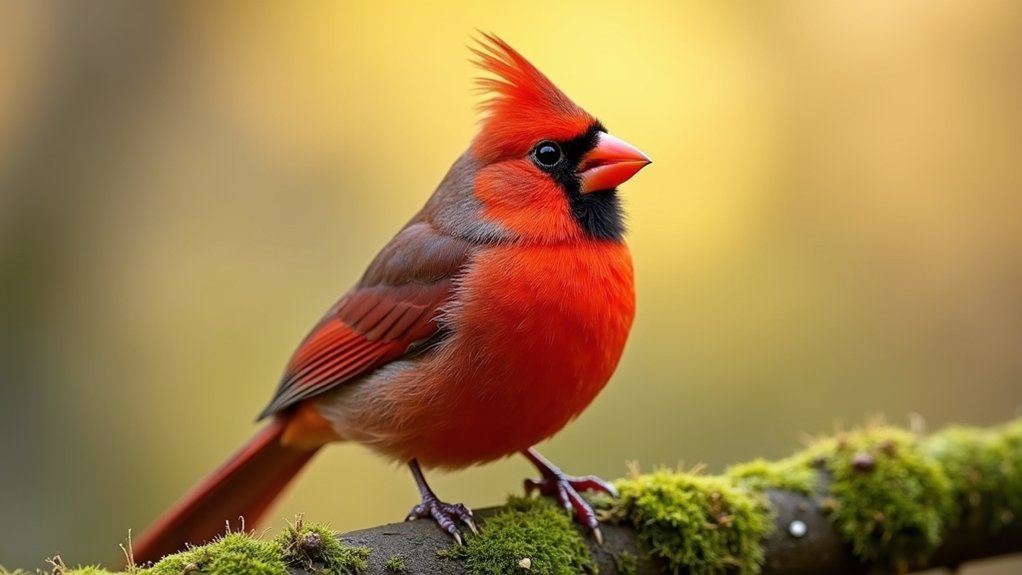
When you’re choosing a lens for bird photography, there are a few key things to keep in mind. First off, focal length and aperture size are super important—they help ensure your shots are sharp and well-lit. A helpful starting point for many photographers is reviewing the Best Lenses for Bird Photography to understand what features matter most.
You’ll also want to think about whether autofocus or manual focus works better for you. Some photographers prefer the precision of manual focus, while others like the speed of autofocus. And don’t forget about the lens weight; if you’re out for a long session, a lighter lens can make a big difference in comfort.
Oh, and image stabilization is a real game-changer, especially if you’re shooting handheld or in tricky lighting conditions. It helps reduce blur and keeps your photos crisp. So, keep these factors in mind when choosing the lens that best fits your style and needs.
Focal Length Importance
Choosing the right focal length can make or break your bird photography. You’ll want a lens between 400mm and 800mm to capture sharp details from a distance without disturbing your feathered subjects. Longer focal lengths help isolate birds from their background, creating beautiful compositions with smooth bokeh.
If you’re shooting small or shy birds, telephoto lenses of 600mm or more let you get close-up shots while staying at a distance. Keep in mind your camera’s sensor size. Crop sensors extend your reach, so a 400mm lens can act like a 640mm.
Zoom lenses with variable focal lengths give you flexibility to adapt to different distances and environments. That makes them a wise choice when you’re chasing birds in the wild.
Aperture Size Effects
Beyond focal length, aperture size plays a significant role in how your bird photos turn out. A larger aperture (lower f-number) lets more light into the lens, which is vital for capturing fast-moving birds in low-light conditions like dawn or dusk. This wide aperture also creates a shallow depth of field, isolating your subject and making the bird pop against a blurred background.
To freeze motion, you need fast shutter speeds, and a large aperture helps achieve this without cranking up ISO, which adds noise. Just be cautious with lenses having variable apertures. They can restrict performance at maximum zoom, especially in dim light.
Choosing a lens with a consistent wide aperture across the zoom range improves versatility. It guarantees sharp, well-exposed shots in varied lighting when photographing birds. It’s definitely something to keep in mind when picking your gear.
Autofocus Versus Manual
Although autofocus lenses speed up capturing fast-moving birds, manual focus lenses offer precise control that can improve your composition and highlight intricate details. Autofocus is excellent when you need to react quickly in dynamic environments, but it can struggle in low light or with complex backgrounds.
If you’re working in challenging conditions, manual focus lets you fine-tune your shot and emphasize specific bird features. Using manual focus, especially with long telephoto lenses, also helps you develop your skills in composition and focus adjustments.
Ultimately, your choice depends on your experience and shooting scenario. If you’re new or need speed, autofocus is ideal. But for greater control and artistic precision, don’t overlook manual focus lenses.
Lens Weight Considerations
One key factor you shouldn’t overlook when selecting a lens for bird photography is its weight. Heavier lenses, typically over 3 pounds, often require a tripod or monopod to stay steady. This can restrict your movement and spontaneity when tracking fast birds.
On the other hand, lighter lenses, around 1.5 to 2 pounds, let you hold your camera longer without fatigue. They help you stay agile in the field. Keep in mind that lens weight also affects your choice of camera body and additional gear.
Aim for a balanced setup to improve handling, especially at longer focal lengths. If you hike or travel to reach birding spots, a lighter lens makes your entire kit easier to carry. This way, you can focus more on capturing those perfect feathered moments.
Image Stabilization Benefits
While keeping your lens weight manageable helps with mobility, image stabilization is essential for maintaining sharpness when shooting handheld. IS technology reduces camera shake, letting you capture crisp images even at slower shutter speeds or long focal lengths. You can get up to 5.5 stops of shake correction, which is a game-changer for bird photography where subjects often move quickly or stay far away.
This means you’ll spend less time worrying about blur and more time focusing on composition. Plus, lenses with practical IS help reduce fatigue during long shoots so that you can enjoy extended birdwatching sessions without discomfort. Ultimately, image stabilization boosts your chances of freezing fleeting moments, helping you capture every feathered detail with clarity and precision.
Compatibility With Cameras
Because camera systems vary widely, you need to guarantee your chosen lens matches your specific model to get the best results in bird photography. If you use Canon, Nikon, or Sony mirrorless cameras, pay close attention to mount compatibility and whether an adapter is necessary. Many telephoto lenses come with adapters that offer flexibility if you switch systems later.
Also, confirm the lens supports electronic contacts for autofocus and aperture control. Manual focus lenses might require manual adjustments, which can slow you down. Choose lenses designed for your camera’s sensor size, full-frame or APS-C, as this influences effective focal length and framing.
Finally, verify compatibility with features like image stabilization and autofocus to capture sharp, fast-moving birds without missing a shot. It’s worth double-checking these details so you’re not caught off guard in the field.
Weather Sealing Necessity
After confirming your lens works seamlessly with your camera, consider how it handles outdoor conditions. Weather sealing is essential for bird photography, protecting your gear from rain, dust, and humidity. This feature prevents moisture and debris from entering sensitive parts, ensuring your lens stays reliable even in unpredictable weather.
Professional-grade telephoto lenses often include weather sealing, letting you focus on capturing birds without worrying about damage. These lenses undergo rigorous testing to withstand harsh environments, making them more durable for outdoor use.
Investing in a weather-sealed lens enhances your versatility, letting you shoot confidently in diverse settings. Prioritizing weather sealing means your equipment remains safe so that you won’t miss vital moments due to unexpected environmental challenges.
Frequently Asked Questions
How Do Weather Conditions Affect Bird Photography With Telephoto Lenses?
Weather conditions impact your bird photography with telephoto lenses by affecting visibility, focus, and lens performance. Fog, rain, or haze can reduce clarity and contrast, making it harder to capture sharp details.
Wind can shake your lens, causing blur, so you’ll want a sturdy tripod or image stabilization. Bright sunlight can create harsh shadows, while overcast skies offer softer, more even lighting.
Always prepare for changing weather to get the best shots. It’s all about adapting and being ready to make the most of whatever conditions you face.
What Camera Settings Best Complement These Lenses for Bird Photography?
You’ll want to set a fast shutter speed, around 1/1000s or higher, to freeze those fleeting wingbeats against a blurred, creamy background. Use a wide aperture, such as f/4 or f/5.6, to isolate your feathered subject in sharp focus. Keep ISO as low as possible to maintain crisp detail.
Don’t forget continuous autofocus and burst mode to capture every swift flutter. This combo lets you seize vibrant bird moments with clarity and grace.
Are There Any Accessories for Stabilizing Long-Telephoto Lenses?
Yes, you should definitely use a sturdy tripod or a monopod to stabilize long telephoto lenses. A gimbal head tripod mount helps you smoothly track moving birds without strain. Lens collars distribute weight evenly, reducing shake.
Furthermore, consider using a remote or cable shutter release to avoid camera shake when pressing the shutter. These accessories will help you capture sharp, detailed bird photos even with heavy, long lenses. It really makes a big difference when you’re out in the field!
How Do Different Bird Species Influence Lens Choice and Shooting Techniques?
Choosing lenses and shooting techniques depends on bird species like picking tools for different crafts. If you’re photographing small, fast birds, you’ll want a lens with quick autofocus and a shorter focal length for agility.
For larger, distant birds, a longer telephoto lens helps you capture details from afar. Adjust your shooting style. Use burst mode for swift movements or patience and silence for shy species to match their behavior and habitat.
What Post-Processing Tips Enhance Bird Photos Taken With Telephoto Lenses?
You’ll want to sharpen details carefully to highlight feathers without adding noise. Use selective adjustments to brighten the eyes and amplify colors, making the bird pop against the background. Don’t forget to crop thoughtfully to improve composition and remove distractions.
Reducing noise is key since telephoto shots often have higher ISO. Finally, tweak contrast and clarity subtly to maintain a natural look while emphasizing texture and depth. It’s all about enhancing the photo without overdoing it. That way, your bird photos will really stand out!
Conclusion
Bird photography demands gear that can keep up with fast-moving subjects and distant perches. Choosing the right lens can make the difference between a missed opportunity and a stunning capture. When selecting best lenses for bird photography, balance reach, autofocus speed, and portability.
Telephoto zooms offer versatility in changing conditions, while super-telephoto primes deliver outstanding sharpness when detail matters most. Remember that stabilization and weather sealing also matter out in the field.
Ultimately, investing in quality optics suited to your style and budget will elevate your bird-watching experience and results. With the best lenses for bird photography in your bag, you’ll be ready for whatever feathered subjects cross your path.