
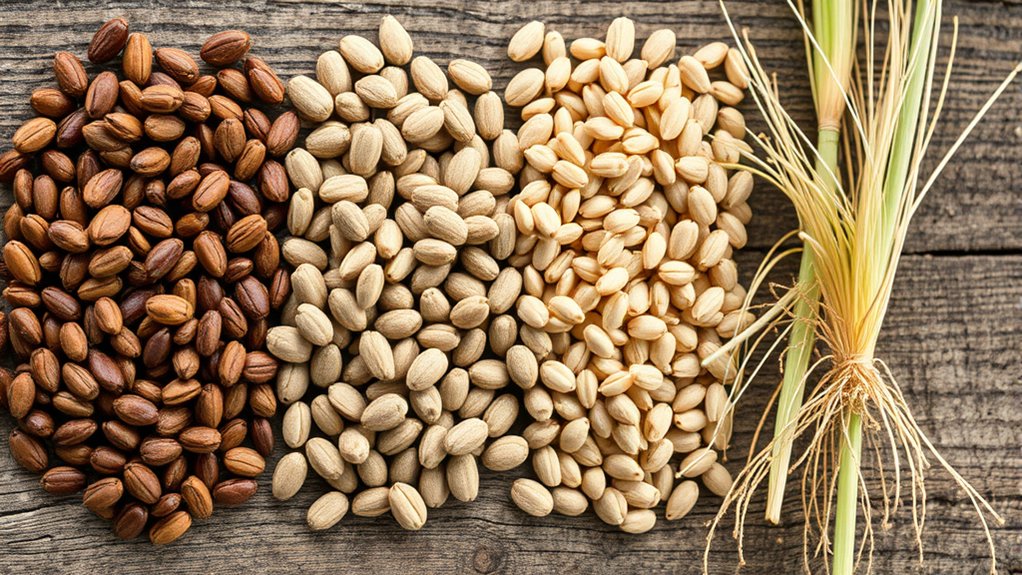
Finding the right orchard grass seed for hay can feel overwhelming, especially when you want to boost your pasture’s productivity without battling drought, shade, or tough terrain.
You’re not alone—many farmers and land managers struggle to find seeds that thrive under challenging conditions while offering good nutritional value for their livestock.
For 2026, the top orchard grass seeds for hay include Potomac Orchardgrass for drought and shade tolerance, X-Seed Land Over-Seeder Mix to revitalize pastures, X-Seed Forage Max South Mix for heat and drought resilience, and X-Seed Pasture Seed Mix ideal for dry, high-elevation land.
Each offers reliable growth, nutritional value, and adaptability.
If you want detailed insights on choosing the best options for your farm, keep exploring further.
| Image | Name | Editor's Rating | Price |
|---|---|---|---|

|
CZ Grain Orchard Grass Seesd for Plantin...
|
|
|

|
X-Seed Land Over-Seeder Pasture Forage S...
|
|
|

|
DLF Seeds & Science X-Seed Forage Max So...
|
|
Orchard Grass Seesd for Planting – Potamac Orchardgrass (3 Pounds)
- FRESH SEEDS: Orchard grass pasture grass seed is a very robust,...
- EXCELLENT GROWER: Growth starts early in the spring as daytime...
- CZ GRAIN GUARANTEE: Buy with confidence from CZ Grain. You get...
- GROWING INSTRUCTIONS INCLUDED: All Natural Soil Like CZ Grain...
- THE PERFECT DIY GIFT: For mom, dad, him or her, this is the...
Potomac Orchardgrass is a resilient seed blend designed to thrive in fields where drought and shade can challenge other grasses. This variety begins growing early in spring, allowing for quicker harvests and a longer productive season. Once established, it remains robust through winter, providing reliable ground cover year after year.
Its adaptability makes it ideal for farmers and homesteaders managing hay production or pasture in regions with moderate to high rainfall. The grass performs well in warm summers and can tolerate some dryness, though it prefers balanced soil conditions for optimal growth. Regular soil preparation may be necessary to maximize its potential.
Maintenance is straightforward with included growing instructions that guide you through planting and care. While it offers greater heat tolerance than timothy, it is less suited for extremely hot climates compared to tall fescue. Managing this grass properly ensures high-quality forage and sustained productivity.
Potomac Orchardgrass combines the benefits of drought and shade tolerance with winter hardiness, making it a practical choice for versatile field conditions. Its early growth and resilience help improve yields and streamline hay production cycles.
Best for: farmers, homesteaders, or hobbyists looking for a hardy, drought-tolerant orchardgrass seed ideal for hay and pasture in moderate to high rainfall areas with warm summers.
What We Like:
- Thrives in drought and shaded environments
- Early spring growth supports efficient harvesting
- Strong winter hardiness ensures longevity
- More heat-tolerant than timothy grass
- Clear growing instructions for easy maintenance
Specification:
| Specification Title | Detailed Description |
|---|---|
| Seed Type | Potomac Orchardgrass |
| Seed Weight | 3 pounds |
| Origin | Introduced from Great Britain |
| Climate Adaptation | Moderate to high rainfall; warm summers, mild winters |
| Growth Start | Early spring |
| Shade Tolerance | Yes |
| Drought Tolerance | Yes |
| Heat Tolerance | Moderate (better than timothy, less than tall fescue) |
| Winter Hardiness | Yes |
| Intended Use | Hay production and pasture |
| Included Materials | Growing instructions |
| Quality Assurance | Guaranteed by CZ Grain |
X-Seed Land Over-Seeder Pasture Forage Seed Mix
- ENHANCED SEED GROWTH WITH MICRO-BOOST: Micro-Boost nutrients...
- REVITALIZES EXISTING PASTURES FOR LIVESTOCK GRAZING: Great for...
- VERSATILE SEED BLEND FOR LUSH GROWTH: Features 15% Maximo...
- ENDOPHYTE-FREE AND LIVESTOCK SAFE: Designed for livestock...
- ONE ACRE COVERAGE WITH RAPID SPREAD: Each bag of 25 lb. X-Seed...
The X-Seed Land Over-Seeder Pasture Forage Seed Mix offers a practical solution for revitalizing pastures with ease. Designed to improve grazing quality, this seed mix helps farmers and landowners establish lush, nutritious forage quickly. It works well in a variety of soil types, making pasture restoration more accessible.
This endophyte-free formula supports safe grazing for cattle, sheep, goats, and horses, reducing health risks associated with harmful fungi. The blend contains orchard grass, annual ryegrass, and clover, ensuring a balanced diet for livestock throughout the season.
Added Micro-Boost nutrients enhance seed germination and root growth, promoting stronger pasture stands. Each 25-pound bag covers up to one acre, offering a cost-effective way to improve pasture density and forage quality. This mix adapts to both cool and warm climates, providing flexibility for different farming environments.
Maintenance is straightforward, with the seed mix designed for easy overseeding on existing pastures. Multiple applications may be needed in severely degraded areas to achieve optimal coverage. Overall, this product delivers reliable pasture enhancement with a focus on livestock health and pasture longevity.
Best for: farmers and landowners looking for a versatile, easy-to-use pasture seed mix that supports healthy grazing and pasture renewal.
What We Like:
- Promotes strong germination and root development with Micro-Boost nutrients
- Safe for diverse livestock due to its endophyte-free composition
- Cost-effective coverage of up to one acre per 25-pound bag
- Suitable for a range of soil types and climates
- Easy maintenance with overseeding capability
Specification:
| Specification Title | Detailed Description |
|---|---|
| Seed Mix Composition | Orchard grass, annual ryegrass, clover |
| Seed Weight | 25 pounds per bag |
| Coverage Area | Up to 1 acre per bag |
| Nutrient Enhancement | Micro-Boost nutrients for germination and root growth |
| Endophyte Status | Endophyte-free for safe livestock grazing |
| Suitable Livestock | Cattle, sheep, goats, horses |
| Climate Adaptability | Effective in cool and warm climates |
| Recommended Use | Pasture rejuvenation and expansion |
| Maintenance Requirement | May require multiple overseeding sessions in degraded areas |
X-Seed Forage Max South Mix Grass Seed 25 lb
- SPEED PASTURE RESTORATION & ESTABLISHMENT: X-Seed’s Pasture...
- NUTRITIOUS & SAFE FOR LIVESTOCK: Featuring White Dutch Clover and...
- DROUGHT & HEAT TOLERANT: With 40% Forage Bermuda and 20%...
- ENHANCED GERMINATION WITH MOISTURE BOOST: With 50% Moisture Boost...
- COVERAGE & IDEAL PLANTING: A 25 lb bag of X-Seed’s Pasture...
The X-Seed Forage Max South Mix Grass Seed 25 lb is designed to establish strong, healthy pastures with ease. This blend is perfect for livestock owners who want a reliable seed mix that supports grazing, hay, and silage production. Its combination of Tall Fescue, Orchard Grass, and Ryegrass encourages quick germination and robust root growth, helping your pasture thrive from the start.
Maintaining this forage mix is straightforward. The Moisture Boost Plus coating enhances water absorption, which means seeds take root faster even in challenging conditions. Being endophyte-free, it ensures the safety of your livestock while offering a nutritious foundation through the inclusion of White Dutch and Medium Red Clover.
This seed mix stands out in hot, dry climates due to its drought and heat tolerance. It performs well in areas with lower rainfall, helping you maintain productive forage year-round. While it covers one acre per 25 lb bag, planning for additional bags might be necessary for larger pastures.
Best for: livestock owners and pasture managers seeking a high-quality, adaptable forage seed mix for grazing, hay, and silage needs in hot, dry regions.
What We Like:
- Encourages rapid germination and strong root development
- Heat and drought tolerant for low rainfall areas
- Contains digestible clover species that improve livestock nutrition
- Endophyte-free for safe grazing
- Moisture Boost Plus coating aids quick seed establishment
Specification:
| Specification Title | Detailed Description |
|---|---|
| Seed Mix Composition | Tall Fescue, Orchard Grass, Ryegrass, White Dutch Clover, Medium Red Clover |
| Bag Weight | 25 lb |
| Coverage Area | Approximately 1 acre per bag |
| Germination Speed | Rapid germination with strong root growth |
| Coating | Moisture Boost Plus for enhanced water absorption |
| Endophyte Status | Endophyte-free for livestock safety |
| Climate Suitability | Drought and heat tolerant, best for low rainfall regions |
| Intended Use | Livestock grazing, hay production, silage |
X-Seed Pasture Seed Mix for Dry Land, 25 lb

- MICRO-BOOST TECHNOLOGY FOR SEED GROWTH: X-Seed’s Micro-Boost...
- FORMULATED FOR HOT, DRY CLIMATES: Designed to thrive in areas up...
- PREMIUM FORAGE SEED MIXTURE: Contains 12% Cache Meadow Brome, 12%...
- ENDORPHYTE FREE FOR SAFE LIVESTOCK GRAZING: Designed for...
- COVERS ONE ACRE IN FULL SUN: A single 25-pound bag covers up to...
X-Seed Pasture Seed Mix for Dry Land is designed to thrive in challenging dry and high-elevation environments. If you’re managing land where water is scarce and conditions are tough, this seed mix offers a dependable solution for establishing healthy forage. It helps transform arid soil into productive pasture, supporting livestock nutrition without compromising safety.
This 25-pound mix covers about one acre in full sun, making it practical for medium-sized plots. Its blend of Paiute orchard grass, tall fescue, and slender wheatgrass is enhanced with Micro-Boost technology, which encourages rapid germination and strong root systems. This means your pasture establishes faster and grows more vigorously, reducing the time before you see results.
Maintaining this pasture requires moderate watering and works best in sandy soils, which suits many dry land areas. The seed mix is endophyte-free, ensuring that the forage is safe for grazing animals. It blooms from spring through fall, providing a reliable supply of forage throughout the growing season.
Overall, this seed mix is a practical choice for turning dry, high-altitude land into productive pasture with minimal fuss. Its specialized formulation addresses the challenges of hot, dry climates, helping farmers and land managers improve forage availability sustainably.
Best for: land managers and farmers seeking a durable, safe, and high-yield forage seed mix for dry, high-altitude environments up to 8,000 feet.
What We Like:
- Tailored for hot, dry climates and elevations up to 8,000 feet
- Micro-Boost technology supports quick germination and strong root growth
- Endophyte-free blend ensures safe grazing for livestock
- Provides consistent forage from spring to fall
- Suitable for sandy soils with moderate watering requirements
Specification:
| Specification Title | Detailed Description |
|---|---|
| Seed Mix Weight | 25 pounds |
| Coverage Area | Approximately 1 acre under full sun |
| Climate Suitability | Hot, dry climates up to 8,000 feet elevation |
| Seed Varieties | Paiute orchard grass, tall fescue, slender wheatgrass |
| Special Features | Micro-Boost technology for enhanced germination and root growth |
| Grazing Safety | Endophyte-free for safe livestock consumption |
| Soil Preference | Performs best in sandy soils with moderate watering |
| Growing Season | Blooms from spring through fall |
Factors to Consider When Choosing Orchard Grass Seed for Hay
When you’re picking out orchard grass seed for your hay, it’s important to think about the quality of the seed and whether it suits your local climate. You’ll want to make sure it’s a good match so your grass thrives.
Also, keep in mind how you prepare your soil—that can make a big difference. Plus, consider how fast the grass will grow; you want it to meet your needs without too much waiting.
And don’t forget about drought tolerance. It’s key to have a pasture that stays productive even when the weather turns dry. Taking all these factors into account will help you choose the best orchard grass seed for your hay.
Seed Quality Standards
Choosing high-quality orchard grass seed for hay hinges on understanding key standards that confirm healthy growth and good yield. First, check the germination rate, which should be above 85%, to guarantee strong establishment.
Minimize noxious weed seeds in the mix; acceptable levels are typically less than 0.1% by weight. Seed purity is also essential. Look for seeds that are at least 95% pure to guarantee you’re getting the desired orchard grass variety.
Certification from recognized agricultural bodies can confirm the seed meets quality standards and verifies authenticity. Moreover, examine the seed coat; it should be uniform and free from disease as this directly impacts germination success and the overall health of your new hay crop.
Climate Compatibility Factors
Selecting orchard grass seed that matches your local climate is essential for ideal growth and hay production. If you live in an area with consistent rainfall, orchard grass will thrive, thanks to its preference for moderate to high moisture levels.
It performs well in warmer summers because it’s more heat tolerant than timothy grass, making it suitable for regions with hot seasons. Orchard grass also benefits from distinct seasons; it shows early spring growth as temperatures rise and remains winter-hardy after establishment, ideal for cold winters.
Furthermore, its growth responds to day length, with less tillering in fall as days shorten. Ensuring your climate aligns with these factors helps you select the best seed for robust, high-quality hay production.
Soil Preparation Tips
To set your orchard grass up for success, start with proper soil preparation. Make certain the soil is well-drained and has a pH between 6.0 and 7.0 for ideal growth.
Incorporate organic matter like compost or well-rotted manure to boost fertility and improve soil structure. Conduct a soil test to determine nutrient levels, then amend the soil with the necessary fertilizers based on the results.
Tilling the soil to a depth of 6-8 inches creates a fine seedbed, promoting better seed contact and germination. Remove weeds and debris from the planting area to reduce competition for nutrients and water during establishment.
Proper soil preparation provides a strong foundation for healthy orchard grass growth and maximizes your hay yield.
Growth Rate Expectations
Understanding the growth rate of orchard grass is essential when planning your hay production, as various factors can influence how quickly it establishes and matures. Orchard grass typically begins its early spring growth as temperatures rise, giving you an early harvest window.
Its growth rate depends on day length, with tiller formation decreasing in fall as days shorten. While more heat-tolerant than timothy, orchard grass grows slower in warmer climates compared to tall fescue.
Once established, it demonstrates strong winter hardiness, resuming growth effectively in different winter conditions. Using nutrients like Micro-Boost technology can boost germination, resulting in larger, vigorous seedlings and faster growth.
These factors help you estimate how quickly your orchard grass will develop for ideal hay production planning.
Drought Tolerance Levels
Drought tolerance is an essential factor to evaluate when choosing orchard grass seed for hay, especially in regions prone to water shortages. You should look for varieties known for their robust drought resilience, as orchard grass naturally withstands dry conditions better than other grasses like timothy.
Its deep root system allows it to access moisture from deeper soil layers, helping it maintain growth during drought periods. Furthermore, orchard grass is more heat tolerant, thriving in warmer summer temperatures without sacrificing productivity.
To maximize drought resistance, select varieties specifically bred for drought tolerance, ensuring your hay crop remains healthy even with limited water. Properly chosen, orchard grass can provide reliable yields despite water scarcity, making it a smart choice for arid or drought-prone areas.
Pest and Disease Resistance
Choosing orchard grass seed for hay also means considering its resistance to pests and diseases, which can greatly impact crop quality and yield. Orchard grass is naturally resistant to certain pests and fungal infections, helping you maintain healthy crops with less effort.
It tolerates common fungal pathogens like leaf spot and powdery mildew, reducing the risk of significant damage. Its strong growth habits, including drought and shade tolerance, boost resilience against environmental stressors that attract pests.
To maximize this resistance, proper soil management and regular maintenance are vital. Furthermore, implementing integrated pest management strategies and consistent crop monitoring can help keep pests and diseases in check.
Nutritional Value Benefits
When selecting orchard grass seed for hay, it’s essential to evaluate its nutritional benefits, as this directly impacts livestock health and productivity. Orchard grass is highly digestible, making it a great nutrition source that promotes better growth and milk production.
Its protein content, ranging from 10% to 20%, provides essential amino acids necessary for livestock health. Rich in fiber, orchard grass supports healthy digestion in ruminants and helps prevent digestive issues.
Furthermore, it contains vitamins A, B, and E, which boost immune function and reproductive performance. Minerals like calcium and phosphorus contribute to strong bones and metabolic health.
Cost and Budgeting
Budgeting for orchard grass seed involves evaluating the cost per pound and the total expenses based on your planting area. High-quality seeds like Potomac Orchardgrass can vary in price depending on their robustness and drought tolerance.
A typical seed bag ranges from 3 to 25 pounds, so larger bags often offer better cost efficiency per acre. Remember to factor in additional costs such as soil preparation and amendments, which can boost growth and yield.
While upfront costs for premium seeds may be higher, they often provide better germination rates and forage quality, leading to long-term savings. Investing in quality seeds with improved resilience can reduce future maintenance and replacement costs, making your overall budgeting more effective and ensuring a profitable hay production.
Frequently Asked Questions
How Does Orchard Grass Seed Perform in Different Soil Types?
Orchard grass seed performs well in various soil types, especially well-drained loamy soils. Here, it establishes quickly and produces high yields.
If you have clay or sandy soils, you might see slower growth or lower quality hay. To optimize performance, improve soil fertility and pH levels.
Also, consider proper fertilization and watering. This guarantees your orchard grass thrives, regardless of your soil’s specific characteristics.
What Is the Optimal Planting Season for Orchard Grass Seed?
Plant orchard grass seed in early spring or late summer for the best results. These seasons offer perfect temperatures and moisture levels that help seeds sprout quickly and establish strong roots.
Don’t wait until the heat of summer or the cold of winter. Missed opportunities can turn your fields into a battleground for growth.
Seize these ideal planting windows, and you’ll see lush, productive hay fields flourish like never before.
How Long Does It Take for Orchard Grass to Establish?
You can expect orchard grass to establish within 3 to 4 weeks after planting if conditions are ideal. Proper soil preparation, adequate moisture, and timely seeding are essential for quick emergence.
Keep the soil consistently moist and avoid heavy traffic on the area. With proper care, you’ll see healthy seedlings develop, and the pasture will be ready for grazing or harvest in about 60 to 90 days.
Can Orchard Grass Seed Be Mixed With Other Forage Seeds?
Yes, you can mix orchard grass seed with other forage seeds to create a diverse and productive pasture. Combining orchard grass with legumes like clover or other grasses such as Timothy can enhance nutrient content and improve soil health.
Just verify the seed compatibility and planting requirements align. Mixing seeds can also help establish a resilient stand, providing better forage quality and yield throughout the growing season.
What Are the Common Pests Affecting Orchard Grass Seed Growth?
You should watch out for pests like grasshoppers, aphids, and armyworms, which can considerably reduce orchard grass yield. Curiously, studies show aphids can lower grass growth by up to 30%, impacting hay production.
You can manage these pests with targeted insecticides or natural predators. Regular monitoring helps catch infestations early, ensuring your orchard grass stays healthy and productive throughout the growing season.
Conclusion
Choosing the right orchard grass seed is like planting a sturdy tree in your farm’s orchard. You want strong roots that will flourish for years. By selecting the best seed mix, you’re cultivating a lush, dependable pasture that feeds your herd and sustains your land.
When you pick wisely, your hay field becomes a thriving grove, offering abundant harvests season after season. Trust your choice and watch your pasture grow into a lasting legacy.