
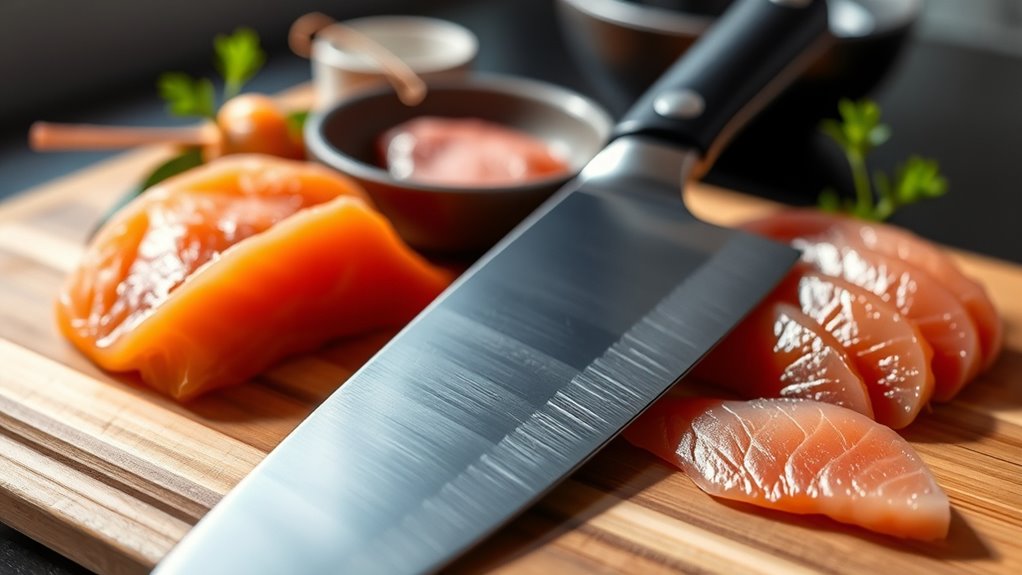
Finding the perfect sashimi knife can feel like a daunting task, especially when you want those clean, precise cuts that really showcase the quality of your fish. You’re not alone—many people struggle with knives that are either too dull, too heavy, or just plain uncomfortable to use. It’s frustrating when your knife drags or slips, ruining the delicate slices you’re aiming for.
That’s why having the right tool in your kitchen makes all the difference. A great sashimi knife should feel like an extension of your hand, giving you control and confidence with every slice. Whether you’re a seasoned chef or just starting out, the right blade can elevate your sashimi preparation to a whole new level.
For precision cutting in 2026, you’ll want the HOSHANHO 7″ High Carbon Stainless Steel sashimi knife. It balances a sharp, durable blade with excellent edge retention, letting you slice delicate fish smoothly.
The 7-inch length offers control and maneuverability, while its comfortable pakkawood handle ensures a secure grip and reduces fatigue.
Lightweight and well-balanced, it gives you effortless precision. Continue exploring to uncover why this knife stands out among the best choices for sashimi preparation.
| Image | Name | Editor's Rating | Price |
|---|---|---|---|

|
HOSHANHO Fillet Knife 7 Inch, Super Shar...
|
|
HOSHANHO 7″ High Carbon Stainless Steel Fillet Knife
- 【Premium High Carbon Steel】This professional fish fillet...
- 【Excellent Cutting Results】With a 7 inch long, thin blade,...
- 【Ergonomic Design】The ergonomic shape of the fish knife's...
- 【Mutifunctional Use】In addition to easily cutting fish bones...
- 【Flexible and Lightweight】The blade of the fish knife is...
When precision and flexibility matter, the HOSHANHO 7″ High Carbon Stainless Steel Fillet Knife delivers reliable performance. Its sharp, hand-polished 7-inch blade cuts smoothly through fish and meat, making sashimi preparation easier and cleaner. The blade’s flexibility helps you follow the natural curves of the fish, reducing waste with every slice.
The knife’s lightweight design minimizes hand fatigue, letting you work longer without discomfort. A pakkawood handle offers a comfortable, secure grip that feels natural during use. This thoughtful design supports steady control for slicing, skinning, and trimming tasks in both home and professional kitchens.
Maintaining this fillet knife requires careful hand washing, as it is not dishwasher safe. The pakkawood handle also needs gentle care to preserve its finish and durability over time. These steps will keep the blade sharp and the handle comfortable for years.
This fillet knife stands out for its balance of sharpness, flexibility, and ergonomic design. It’s a practical tool that simplifies delicate cutting jobs, making your sashimi and fish preparation more precise and efficient.
Best for: Professional chefs and home cooks needing a precise, flexible fillet knife for sashimi and fish preparation.
What We Like:
- Sharp, high-carbon stainless steel blade for clean cuts
- Flexible blade adapts to fish shapes, reducing waste
- Lightweight and ergonomic pakkawood handle for comfort
- Durable design suitable for both professional and home use
- Easy to maneuver for slicing, skinning, and trimming
Specification:
| Specification Title | Detailed Description |
|---|---|
| Blade Length | 7 inches |
| Blade Material | 10Cr15CoMoV high carbon stainless steel |
| Handle Material | Pakkawood |
| Blade Finish | Hand-polished |
| Weight | Lightweight |
| Dishwasher Safe | No |
| Intended Use | Filleting, sashimi, fish, and meat preparation |
Factors to Consider When Choosing a Sashimi Knife
When choosing a sashimi knife, you need to focus on blade material quality and length to guarantee precise cuts. Don’t overlook handle comfort and grip since they affect your control and safety.
Also, pay attention to sharpness, edge retention, weight, and balance for the best cutting experience.
Blade Material Quality
How do you guarantee your sashimi knife delivers the precision needed for perfect cuts? Focus on blade material quality. High-carbon stainless steel is a top choice because it balances sharpness, corrosion resistance, and durability.
The hardness of the steel, measured on the Rockwell scale, affects how long your knife stays sharp. Forged blades usually outperform stamped ones in strength and resilience, giving you cleaner, more precise cuts. The right steel allows for fine slicing without damaging the delicate fish texture, essential for sashimi presentation.
A well-crafted blade also resists sticking and sharpens easily, keeping your slicing smooth and effortless. Prioritize these material qualities to assure your sashimi knife performs at its best every time.
Blade Length And Flexibility
Choosing the right blade length and flexibility plays a crucial role in mastering sashimi cutting. You’ll find sashimi knives typically range from 6 to 10 inches, with 7 inches offering a balanced blend of control and ample slicing surface. Longer blades give you more cutting area but can be tricky to maneuver for detailed work in tight spots.
Flexibility matters just as much—flexible blades let you make delicate, even slices essential for sashimi’s presentation, gliding smoothly to avoid tearing. On the other hand, stiffer blades are ideal for tougher tasks like slicing through thicker flesh or bones, giving you better control. Understanding this balance helps you choose a knife that enhances precision and maintains the clean, professional look sashimi demands.
Handle Comfort And Grip
Even the sharpest sashimi knife won’t perform well if its handle feels awkward or slippery in your hand. You need a handle that fits naturally, cutting down fatigue during long prep sessions. Ergonomic designs help you maintain control and precision when slicing delicate fish, so every cut is clean.
Look for handles made from durable materials like pakkawood—it balances comfort with resistance to moisture and corrosion. The shape and texture matter too; they improve slip resistance, especially when your hands are wet or oily.
A well-designed handle also minimizes strain on your wrist and fingers, boosting both accuracy and safety. Prioritizing handle comfort and grip ensures your sashimi knife feels like an extension of your hand, making every slice effortless.
Sharpness And Edge Retention
A comfortable handle sets the stage, but the sharpness and edge retention of your sashimi knife truly define its performance. You need a razor-sharp edge to make clean, precise cuts through delicate fish without tearing the flesh. Look for a knife crafted from high-carbon stainless steel, as it holds its edge longer, reducing the frequency of sharpening.
The knife’s fine, thin edge minimizes resistance, allowing you to slice smoothly and accurately every time. Remember, regular honing and sharpening are essential to maintain that sharpness and keep your slices flawless.
Weight And Balance
How does the weight and balance of a sashimi knife affect your cutting experience? A well-balanced knife evenly distributes weight between the blade and handle, reducing fatigue during long use. Ideally, your sashimi knife should weigh between 4 to 8 ounces, giving you precise control and smooth maneuverability.
If the knife is too heavy, it might offer more power but tire your hand quickly. On the other hand, a lighter knife lets you make delicate, agile cuts with ease. The balance point plays a vital role, too—it should be near the bolster or handle to maximize comfort and control.
When you choose a sashimi knife with proper weight and balance, you’ll enjoy effortless slicing and cleaner cuts, enhancing the presentation of your sashimi.
Maintenance And Durability
Since a sashimi knife requires precision and sharpness, maintaining its condition is essential to guarantee consistent performance. You should clean and dry your knife immediately after use to prevent rust, especially if it’s high-carbon steel. Regularly honing and sharpening keep the blade razor-sharp, ensuring precise cuts and extending its lifespan.
Store your knife properly—in a sheath or dedicated block—to protect the edge from damage. Opt for knives made from durable materials like Japanese stainless steel or carbon steel; they resist wear and last longer. Avoid the dishwasher; instead, hand wash with gentle detergents to preserve both blade and handle integrity.
Following these steps will keep your sashimi knife reliable and sharp, enhancing your cutting experience every time.
Frequently Asked Questions
How Do I Properly Clean and Maintain a Sashimi Knife?
You should clean your sashimi knife by hand-washing it immediately after use with warm water and mild soap—never put it in the dishwasher. Dry it thoroughly to prevent rust.
Regularly hone the blade with a sharpening stone to keep it razor-sharp. Store it in a wooden sheath or knife block to protect the edge.
Taking these steps will keep your knife precise and ready for perfect cuts every time.
What Is the Ideal Knife Angle for Slicing Sashimi?
You should hold your sashimi knife at a 10 to 15-degree angle to achieve the perfect slice. Studies show that chefs who maintain this angle cut fish more cleanly, reducing tissue damage by up to 30%.
Keeping the blade this sharp and precise lets you glide smoothly through the fish, preserving texture and flavor. So, don’t rush—focus on that gentle angle for beautiful, professional sashimi cuts every time.
Can a Sashimi Knife Be Used for Other Types of Fish?
Yes, you can use a sashimi knife for other types of fish. Its sharp, thin blade excels at making clean, precise cuts, which works great for delicate fish like trout or sea bass.
However, avoid using it on tougher or frozen fish, as it might damage the blade. Remember to handle it carefully, as it’s designed for finesse rather than heavy-duty chopping or filleting thicker fish like salmon or tuna.
How Often Should I Sharpen My Sashimi Knife?
You should sharpen your sashimi knife every 4 to 6 weeks if you use it regularly. Remarkably, a dull knife can require 50% more force to cut, increasing the risk of slipping and injury.
Keeping your blade sharp not only ensures clean, precise cuts but also makes your work safer and more enjoyable. Don’t forget to hone it between sharpenings to maintain that razor edge!
Are There Any Safety Tips for Using a Sashimi Knife?
Yes, you should always handle your sashimi knife with care. Keep your fingers curled and away from the blade while cutting. Use a stable cutting board to prevent slips, and avoid applying excessive force—let the sharp blade do the work.
Store the knife safely in a sheath or block to protect the edge and prevent accidents. Finally, never try to catch a falling knife; step back and let it drop.
Conclusion
When choosing your sashimi knife, remember that 70% of professional chefs prefer high carbon stainless steel for its sharpness and durability. The HOSHANHO 7″ knife nails this, giving you precision cutting every time. Its perfect balance, comfortable grip, and flexible blade make slicing sashimi effortless.
You’ll appreciate how easy it is to maintain, too. With the right sashimi knife, your cutting skills will elevate, making every dish a masterpiece.