
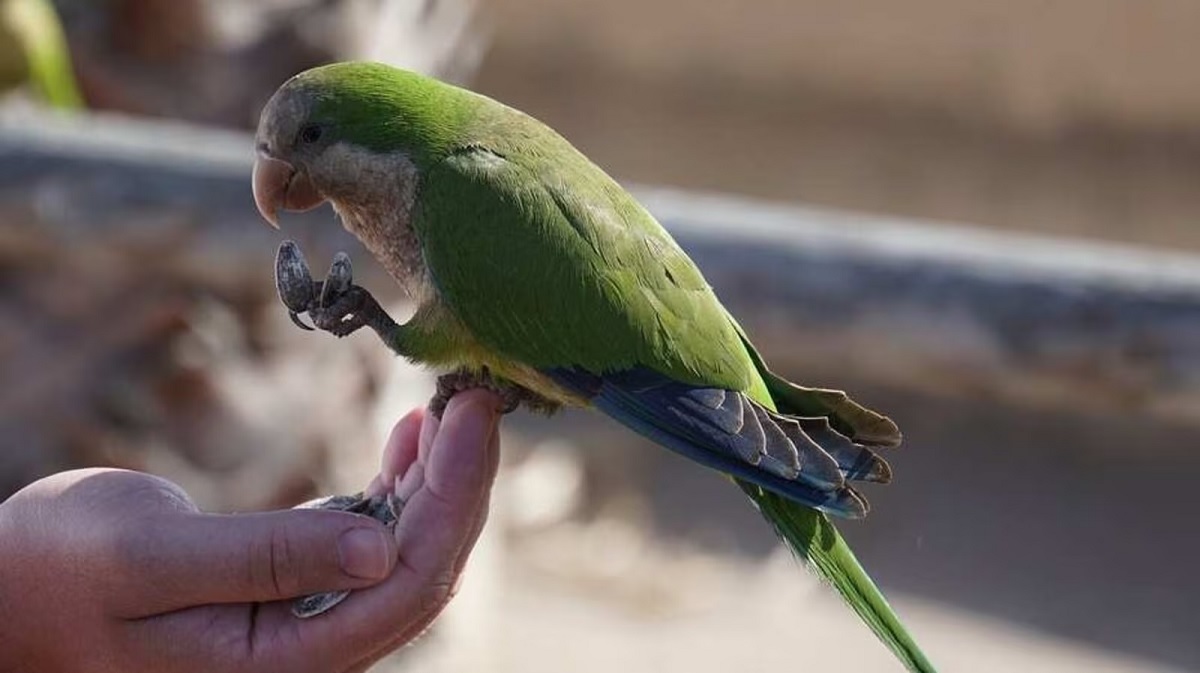
Can birds cause respiratory problems in humans? This question often comes up for those who spend time around birds, whether as pet owners, bird watchers, or people living near large bird populations. While birds themselves are not directly harmful, certain conditions related to them can affect human respiratory health. Tiny particles like bird droppings, feathers, and dust from their nests can carry fungi, bacteria, or allergens that may trigger breathing difficulties or infections.
People with asthma, allergies, or weakened immune systems might be especially vulnerable to these risks. Understanding how birds might contribute to respiratory issues helps in taking the right precautions to protect your health. This introduction explores the connection between birds and respiratory problems in humans, shedding light on how exposure can sometimes lead to health concerns and what measures can help reduce potential risks.
Common Respiratory Problems Linked to Birds
Birds are fascinating creatures, but their presence can sometimes be linked to respiratory issues in humans. Understanding the common respiratory problems associated with birds helps you stay informed and take necessary precautions. Below are some of the most frequently encountered health concerns related to bird exposure.
Bird-Related Allergies
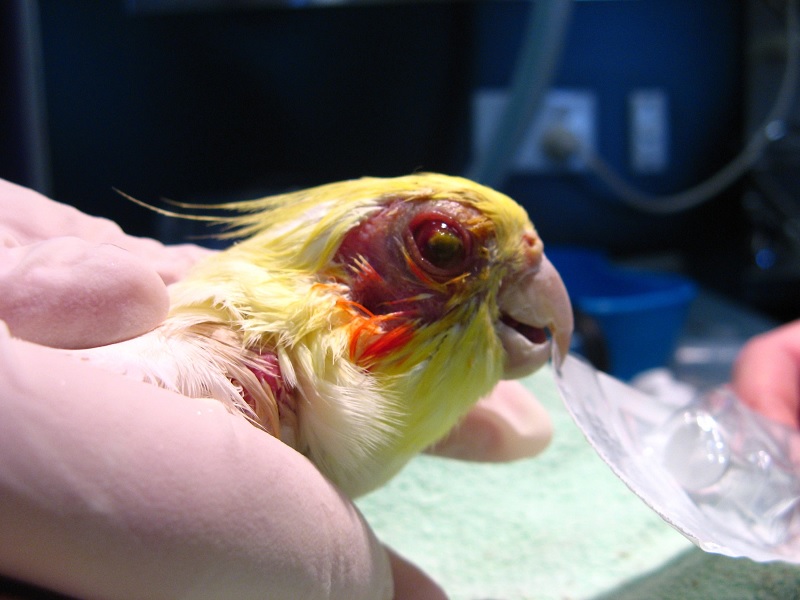
One of the most common respiratory issues linked to birds is allergies. Bird feathers, droppings, and dust from their nests contain proteins that can act as allergens. When inhaled, these allergens may trigger symptoms like sneezing, coughing, wheezing, and nasal congestion. People with asthma or pre-existing respiratory conditions are often more sensitive to bird-related allergens, which can worsen their symptoms. Regular cleaning of bird cages and living spaces, along with proper ventilation, can help reduce exposure to these allergens and minimize allergic reactions.
Psittacosis (Parrot Fever)
Psittacosis, also known as parrot fever, is a bacterial infection caused by Chlamydia psittaci, which is often transmitted to humans through contact with infected birds, especially parrots, pigeons, and other pet birds. This disease primarily affects the respiratory system and can cause flu-like symptoms such as fever, chills, headache, dry cough, and difficulty breathing. In severe cases, psittacosis can lead to pneumonia. Early diagnosis and treatment with antibiotics are crucial to prevent complications. People who work with birds or keep them as pets should practice good hygiene and avoid direct contact with bird droppings or secretions.
Histoplasmosis
Histoplasmosis is a fungal infection caused by Histoplasma capsulatum, a fungus that grows in soil enriched with bird or bat droppings. Humans can inhale the fungal spores when disturbed dust containing these droppings becomes airborne. This infection often affects the lungs and may cause symptoms like cough, chest pain, fatigue, and fever. While many people recover without treatment, those with weakened immune systems or chronic lung conditions can experience more severe illness. Preventing exposure by avoiding areas with large accumulations of bird droppings or wearing protective masks when cleaning such areas can reduce the risk.
Aspergillosis
Aspergillosis is another fungal infection caused by the Aspergillus species, which thrives in environments where bird droppings accumulate. Inhalation of spores from contaminated dust or feathers can lead to respiratory infections, especially in people with weakened immune defenses. Symptoms range from mild allergic reactions to severe lung infections, including coughing, wheezing, and shortness of breath. People exposed to large amounts of bird-related dust or those with pre-existing lung problems should be cautious. Proper sanitation and minimizing exposure to bird droppings are key steps in preventing aspergillosis.
How Birds Transmit Respiratory Diseases to Humans
Understanding how birds can transmit respiratory diseases to humans is essential to minimizing health risks, especially for those who interact closely with birds or live near large bird populations. Several key pathways allow harmful agents from birds to reach and affect the human respiratory system.

Droppings and Dust Exposure
One of the primary ways birds transmit respiratory diseases is through their droppings. Bird feces can harbor bacteria, fungi, and viruses that cause infections in humans. When droppings dry out, they can turn into fine dust particles that become airborne easily.
Inhaling this dust exposes the lungs to harmful microorganisms such as Chlamydia psittaci (responsible for psittacosis) and Histoplasma capsulatum (the fungus behind histoplasmosis). This airborne dust is particularly dangerous because it can linger in the environment and infect people even without direct contact with birds. Cleaning bird droppings without proper protective equipment increases the risk of inhaling these pathogens.
Direct Contact with Birds
Close or direct contact with birds is another route through which respiratory diseases can spread. Handling birds, especially those that are sick or carry infections, exposes individuals to bacteria and viruses present on the bird’s feathers, skin, or secretions.
For example, psittacosis can be transmitted when a person touches an infected bird or comes into contact with its secretions and then inadvertently touches their mouth, nose, or eyes. Bird owners, breeders, veterinarians, and wildlife workers face higher exposure risks due to frequent interaction with birds. Maintaining good hygiene practices, such as washing hands after handling birds and using gloves, helps reduce this transmission pathway.
Inhalation of Feather Debris
Feathers themselves may seem harmless, but feather debris can also play a role in transmitting respiratory illnesses. As birds molt or preen, tiny feather fragments and dust accumulate, carrying allergens, fungal spores, or bacteria. When these particles become airborne and are inhaled, they can trigger allergic reactions or infections like aspergillosis.
Feather debris often collects in bird cages, aviaries, and nesting sites, making these environments potential hotspots for respiratory hazards. Regular cleaning and adequate ventilation in areas where birds live reduce the concentration of harmful feather dust in the air.
Risk Factors for Bird-Related Respiratory Issues
Not everyone exposed to birds will develop respiratory problems. Certain factors increase the likelihood of experiencing bird-related respiratory issues. Knowing these risk factors helps identify who should take extra precautions when around birds or bird environments.
Occupation (e.g., Bird Keepers, Poultry Workers)
People whose jobs involve frequent contact with birds face a higher risk of developing respiratory problems linked to bird exposure. Bird keepers, poultry farm workers, veterinarians, and pet store employees regularly handle birds and are often exposed to bird droppings, feathers, and dust. These occupational exposures increase the chance of inhaling harmful particles carrying bacteria, fungi, or allergens.
For example, poultry workers may encounter bird dust and droppings in confined spaces, leading to higher risks of diseases like histoplasmosis and psittacosis. Using protective equipment such as masks, gloves, and ensuring good ventilation at workplaces can significantly reduce these risks.
Pre-existing Respiratory Conditions
Individuals with pre-existing respiratory conditions, such as asthma, chronic bronchitis, or chronic obstructive pulmonary disease (COPD), are more vulnerable to bird-related respiratory problems. Allergens and microorganisms from birds can exacerbate symptoms, leading to increased coughing, wheezing, shortness of breath, and even asthma attacks.
Exposure to bird allergens or infections like aspergillosis may cause more severe complications in these individuals compared to healthy people. Therefore, people with chronic respiratory diseases should be cautious around birds and avoid environments with high bird dust or droppings.
Immune System Status
The strength of a person’s immune system plays a vital role in how their body responds to bird-related respiratory pathogens. Those with weakened immune systems, including individuals undergoing chemotherapy, living with HIV/AIDS, or taking immunosuppressive medications, are at greater risk of developing serious infections from bird-borne diseases.
Infections such as aspergillosis or histoplasmosis can be more aggressive and harder to treat in immunocompromised individuals. Maintaining good immune health, avoiding unnecessary exposure, and seeking medical advice when symptoms arise are critical for these vulnerable groups.
Symptoms of Bird-Related Respiratory Problems
Exposure to birds and their environments can sometimes lead to respiratory issues. Recognizing the symptoms early is important for prompt treatment and preventing complications. Here’s a detailed look at the common signs and when you should seek medical help.
Common Signs and Symptoms
Bird-related respiratory problems often present with symptoms similar to other lung infections or allergic reactions. Common signs include coughing, which may be persistent and either dry or accompanied by mucus. Shortness of breath is another frequent symptom, where individuals experience difficulty breathing or feel breathless, especially during physical activity. Wheezing—a whistling or rattling sound when breathing—is often linked to airway inflammation caused by exposure to bird-related irritants.
Chest tightness or pain, experienced as discomfort or pressure in the chest area, can also occur with infections or allergic reactions. Fever and chills may suggest an infection such as psittacosis or histoplasmosis, while fatigue often accompanies respiratory illnesses, causing general tiredness and weakness.
Nasal congestion or a runny nose is common with allergic reactions to bird feathers or dust, and eye irritation, such as redness or itching, can occur from exposure to bird-related allergens. Symptoms vary depending on the specific disease or allergic response. For example, aspergillosis may cause more severe lung symptoms in immunocompromised individuals, while allergies might primarily cause sneezing and congestion.
When to Seek Medical Attention
It is important to consult a healthcare professional if respiratory symptoms persist or worsen after bird exposure. Immediate medical attention is necessary if you experience severe shortness of breath that limits your ability to speak or perform daily activities. A high fever above 101°F (38.3°C) that does not respond to basic care also warrants urgent evaluation. Chest pain, especially if sharp, persistent, or associated with difficulty breathing, should never be ignored.
A persistent cough lasting more than two weeks or producing blood is a warning sign that requires prompt medical assessment. People with pre-existing conditions like asthma or compromised immune systems should be extra cautious and seek help if their symptoms worsen. Early diagnosis of bird-related respiratory conditions such as psittacosis or fungal infections improves treatment success. Informing your doctor about recent bird exposure can help ensure accurate diagnosis and appropriate care.
Prevention and Safety Measures
Preventing bird-related respiratory problems involves practical steps that reduce exposure to harmful allergens, bacteria, and fungi carried by birds. Implementing proper safety measures is essential for bird owners, workers, and anyone frequently around birds or their environments.
Proper Hygiene Practices
Maintaining good hygiene is one of the most effective ways to prevent respiratory issues linked to birds. Always wash your hands thoroughly with soap and water after handling birds, cleaning cages, or touching bird droppings. Avoid touching your face, especially your mouth, nose, and eyes, during or after contact with birds until your hands are clean. These simple hygiene habits help prevent the transfer of harmful microorganisms from birds to your respiratory system. Additionally, avoid eating, drinking, or smoking in areas where birds are kept, as this can increase the risk of ingesting harmful particles.
Protective Equipment and Masks
Using protective equipment significantly reduces the chances of inhaling dangerous dust, droppings, or feathers. Wearing masks or respirators that filter out fine particles is especially important for people who clean bird cages, aviaries, or poultry farms.
Gloves and protective clothing can prevent direct skin contact with bird droppings or secretions, minimizing contamination risk. For occupational settings, employers should provide appropriate personal protective equipment (PPE) and train workers on how to use it correctly. Proper use of masks and gloves acts as a vital barrier against respiratory pathogens transmitted by birds.
Regular Cleaning of Bird Habitats
Keeping bird living spaces clean and well-maintained is crucial in minimizing health risks. Regularly remove bird droppings, feathers, and dust from cages, aviaries, and surrounding areas using damp cloths or wet cleaning methods to avoid stirring up dust. Avoid dry sweeping or using compressed air, as these can aerosolize harmful particles. Ensure that bird habitats have good ventilation to reduce the concentration of airborne contaminants. Frequent cleaning reduces the buildup of allergens, fungi, and bacteria that can cause respiratory problems.
Avoiding High-Risk Exposure
Limiting exposure to environments with heavy bird droppings or dense bird populations can greatly reduce the risk of respiratory infections. Avoid spending prolonged time in places like pigeon roosts, poultry farms, or areas where bird droppings accumulate in large quantities. When entering such high-risk areas is unavoidable, wearing protective masks and clothing becomes even more important. Individuals with pre-existing respiratory conditions or weakened immune systems should be especially cautious and avoid unnecessary exposure to bird-related dust and droppings.
Treatment Options for Bird-Related Respiratory Conditions
When respiratory problems arise from bird exposure, timely and appropriate treatment is essential to ensure recovery and prevent complications. Understanding the available treatment options and the importance of accurate diagnosis can help affected individuals seek the right care.
Medical Diagnosis and Testing
Proper medical diagnosis is the first step in treating bird-related respiratory conditions. Healthcare professionals usually begin with a detailed history, including any recent bird exposure, symptoms, and duration. Diagnostic tests may include chest X-rays, blood tests, sputum cultures, or specialized laboratory tests to detect specific bacteria, fungi, or allergens.
For infections like psittacosis or fungal diseases such as histoplasmosis and aspergillosis, laboratory confirmation helps identify the causative agent and guides treatment choices. Early and accurate diagnosis improves treatment outcomes and prevents the disease from worsening.
Antibiotics and Antifungal Treatments
Treatment for bird-related respiratory infections often involves antibiotics or antifungal medications, depending on the type of infection. Psittacosis, caused by the bacterium Chlamydia psittaci, typically responds well to antibiotics such as doxycycline or tetracycline.
Early initiation of these antibiotics usually leads to rapid improvement. In contrast, fungal infections like histoplasmosis and aspergillosis require antifungal drugs such as itraconazole or amphotericin B. These medications may need to be taken for several weeks or months depending on the severity of the infection and the patient’s immune status. It is important to complete the full course of medication to fully eradicate the infection and prevent relapse.
Managing Allergies
For individuals suffering from bird-related allergies, treatment focuses on managing symptoms and reducing exposure. Antihistamines and nasal corticosteroids can help relieve sneezing, nasal congestion, and eye irritation caused by allergens from feathers, dust, or droppings. In some cases, allergy immunotherapy (allergy shots) may be recommended to build long-term tolerance.
Avoiding direct contact with birds and keeping living areas clean and well-ventilated also plays a crucial role in controlling allergic reactions. People with asthma or other chronic respiratory conditions should work closely with their healthcare providers to adjust their medications if bird exposure worsens their symptoms.
Frequently Asked Questions
What Are The Common Respiratory Diseases Transmitted By Birds?
Some common respiratory diseases linked to birds include psittacosis (parrot fever), histoplasmosis, and aspergillosis. Psittacosis is caused by bacteria from infected birds, histoplasmosis is a fungal infection from bird droppings, and aspergillosis results from inhaling fungal spores found in environments contaminated by bird droppings or feathers.
How Can I Protect Myself From Bird-Related Respiratory Issues?
You can protect yourself by practicing good hygiene, such as washing hands after handling birds, using protective masks when cleaning bird cages, and regularly cleaning bird habitats to reduce dust and droppings. Avoiding high-risk areas with heavy bird populations or droppings also lowers your risk of exposure.
Are Pet Birds Safe Or Do They Increase The Risk Of Respiratory Problems?
Pet birds can increase the risk of respiratory problems if proper care and hygiene are not maintained. Bird droppings and feathers can release allergens and pathogens, so regular cleaning, good ventilation, and protective measures are important to keep you safe while enjoying your pet bird.
Who Is Most At Risk For Bird-Related Respiratory Problems?
People who work closely with birds—such as bird keepers, poultry workers, and veterinarians—are at higher risk. Additionally, individuals with asthma, allergies, chronic lung conditions, or weakened immune systems are more susceptible to developing respiratory problems after bird exposure.
When Should I See A Doctor For Symptoms After Bird Exposure?
You should see a doctor if you experience persistent coughing, shortness of breath, wheezing, chest pain, high fever, or symptoms that worsen over time after being around birds. Early medical evaluation is crucial for proper diagnosis and treatment, especially if you have underlying respiratory or immune conditions.
Conclusion
Birds can indeed cause respiratory problems in humans, mainly through exposure to allergens, bacteria, and fungi found in their feathers, droppings, and dust. While many people may experience mild symptoms or allergic reactions, those with asthma, weakened immune systems, or pre-existing lung conditions are more vulnerable to serious infections like psittacosis, histoplasmosis, or aspergillosis.
Understanding the risks and practicing preventive measures—such as good hygiene, using protective equipment, and maintaining clean bird habitats—are key to minimizing these health issues. If you notice persistent respiratory symptoms after bird exposure, seeking prompt medical advice is crucial for effective treatment. Being informed and cautious allows you to enjoy the presence of birds safely while protecting your respiratory health.