

You won’t see birds cry because they lack tear ducts; physical tears don’t signal bird emotions. Instead, observe behaviors like feather fluffing, vocal changes, or social withdrawal to gauge stress or distress.
Birds use vocalizations and body language to express feelings rather than tears. Environmental factors and social bonds heavily influence their emotional state.
If you want to understand specific signs and how to support your bird’s well-being, there’s much more to investigate about avian emotions and care.
Understanding Bird Anatomy and Tear Production

Although birds don’t produce tears for emotional expression like humans do, their eye anatomy plays an essential role in maintaining eye health through lubrication and protection. You’ll find that birds lack tear ducts, so tear production is minimal and primarily serves to keep the eyes moist.
Instead, their eyes have a specialized nictitating membrane, a translucent third eyelid that sweeps across the surface to clear debris and distribute moisture efficiently.
When studying bird behaviors, it’s important to note that these anatomical features support physical eye health rather than emotional signaling.
While some observers suggest birds might show signs related to their emotional lives, scientific evidence shows tears aren’t part of these expressions.
Recognizing these distinctions helps clarify how birds’ emotional states differ from human responses.
Signs of Emotional Distress in Birds
When birds experience emotional distress, they display specific behavioral changes that serve as important indicators of their well-being. Recognizing these signs helps you assess their emotional state accurately.
Birds reveal their emotional distress through distinct behaviors, providing clues to their well-being and mental state.
Key signs of emotional distress and grief include:
- Freezing, fluffing feathers, or fleeing when frightened, indicating acute anxiety or stress.
- Altered vocalizations: increased loud noises or repetitive chirping suggest unhappiness, while decreased vocalization may reflect stress, depression, or illness.
- Feather picking, often linked to chronic stress or boredom, warrants medical evaluation.
- Signs of grief such as lethargy, loss of appetite, and social withdrawal after losing a companion, revealing their capacity for emotional bonds.
In some cases, persistent chirping may not only signal emotional distress but can also indicate underlying needs such as hunger, discomfort, or even the absence of a parent, making it essential to monitor both vocal and behavioral changes closely.
Monitoring these behaviors allows you to respond effectively to your bird’s emotional needs.
Behavioral Indicators of Bird Emotions
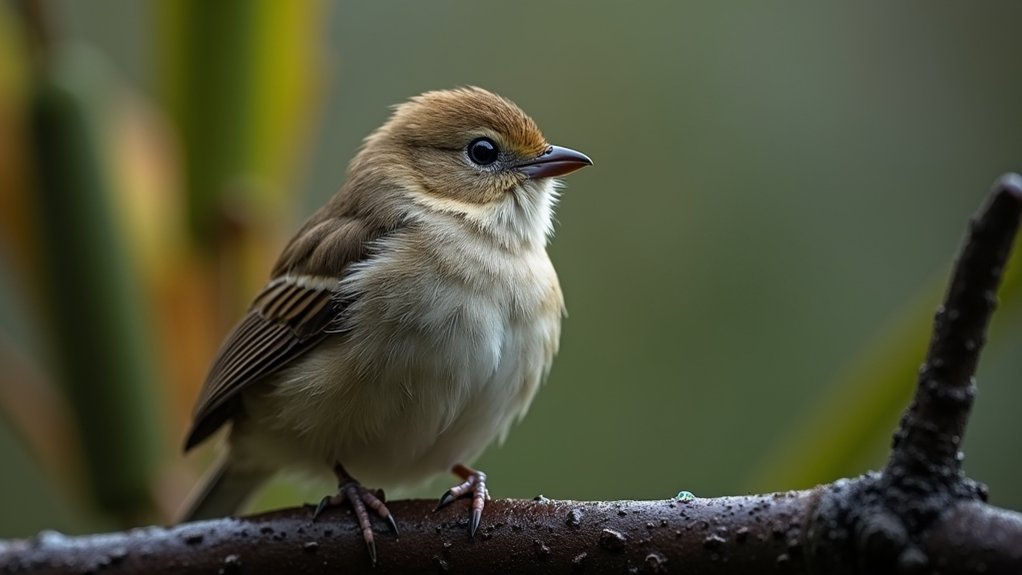
You’ll notice birds change their feather position and posture to communicate emotions. For example, they might fluff up their feathers when they’re content or crouch down when they’re feeling fearful.
Their vocalizations also change—variations in volume and frequency can signal different emotional states.
Plus, watching how they interact socially, like playing more or withdrawing from others, gives you important clues about how they’re feeling.
Feather and Posture Changes
Feathers and posture serve as essential indicators of a bird’s emotional state, reflecting responses such as fear, anxiety, or distress. By closely monitoring their body language and feather condition, you can assess their emotional health accurately.
- Fluffed feathers often indicate discomfort or distress, signaling anxiety or fear.
- A hunched posture suggests the bird feels threatened or unwell.
- Feather picking is a stress response that damages plumage and signals emotional disturbance.
- Freezing or lethargy reflects a fear-induced shutdown, visible through still body language.
These physical changes provide objective clues about a bird’s emotional state. Recognizing these signs helps you intervene timely to support your bird’s well-being and prevent escalation of stress-related behaviors. Increased stress from disrupted migration or environmental changes can also trigger these behavioral indicators, making it important to consider external factors when evaluating a bird’s emotional health.
Vocalization Patterns
Observing a bird’s vocalization patterns offers valuable insight into its emotional condition alongside physical cues like feathers and posture.
Changes in vocalization patterns often signal shifts in feelings become evident through altered tones, frequencies, or volume.
For instance, increased loud calls or alarm noises typically indicate distress or unhappiness, prompting you to assess the bird’s environment.
Repetitive chirping or screeching can reveal boredom or discomfort, suggesting a need for enrichment.
Conversely, a sudden drop in vocalizations may signal stress, depression, or illness, requiring prompt veterinary evaluation.
Birds also use specific calls to express emotions, demonstrating that their feelings become apparent not only through physical signs but also vocal communication.
Social Interaction Responses
Several key social behaviors serve as reliable indicators of a bird’s emotional state. You can observe social interaction responses that reveal a bird’s range of emotions through their behavior with others.
Pay attention to mutual preening and affiliative vocalizations, which signal positive emotional bonds. Increased aggression or social withdrawal often indicate stress or discomfort.
Consolation behaviors, such as physical closeness and calming calls, are displayed toward distressed companions. Behavioral changes after loss, including lethargy or appetite reduction, reflect grief.
These behaviors demonstrate birds’ social intelligence and their ability to recognize and respond to others’ emotional states. Monitoring these social interaction responses provides objective insight into avian emotional well-being, revealing a complex emotional range beyond simple survival instincts.
Vocalizations and Their Emotional Meanings
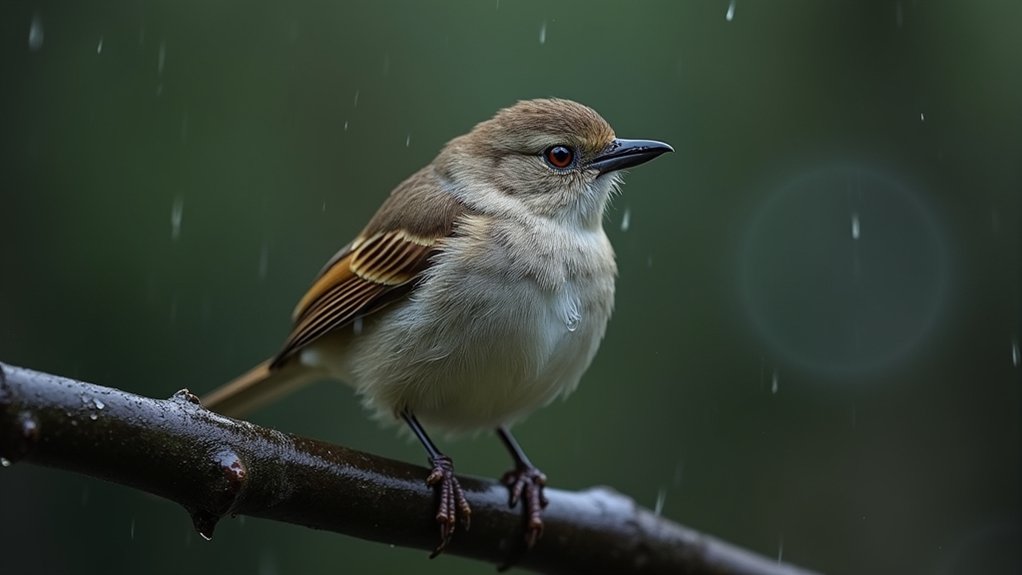
You’ll notice that birds use different types of calls to express their emotions—everything from joyful chirps to distress signals.
It’s pretty interesting how much you can tell just by listening.
If you hear sudden loud vocalizations or repetitive alarm calls, that usually means the bird is stressed or uncomfortable.
On the other hand, if a bird suddenly becomes quieter and reduces its vocal activity, it might be feeling sick or even depressed.
Some birds even produce clicking sounds as a specific form of communication, which can indicate anything from warnings to social bonding.
Types of Bird Calls
Although bird vocalizations vary widely across species, they serve essential roles in conveying emotional states and social information. Understanding different bird calls helps you interpret their feelings accurately.
- Alarm calls signal danger, alerting others to threats and reflecting fear or urgency.
- Contact calls maintain group cohesion, indicating calm or social bonding.
- Distress calls, often loud and repetitive, reveal discomfort, unhappiness, or a need for assistance.
- Melodic songs express positive emotional states like joy and excitement, particularly during mating or play.
Some birds are known to vocalize at unusual times, such as at night, which can be influenced by factors like artificial lighting and environmental noise.
Vocal Signs of Stress
When birds experience stress, their vocalizations often change noticeably, providing key insights into their emotional state. You may observe loud, repetitive calls or sharp distress sounds, which signal unhappiness, fear, or discomfort.
Sudden increases in noise often indicate a need for attention or environmental adjustments. Conversely, a reduction in vocalization can suggest stress, depression, or illness, frequently accompanied by a loss of appetite.
Screeching or excessive chirping might reflect boredom or frustration, implying a need for enrichment or social interaction. Unusual silences or altered call patterns warrant prompt veterinary evaluation to exclude medical causes.
Joyful and Distress Sounds
Because birds rely heavily on vocalizations to communicate, interpreting their joyful and distress sounds provides critical insights into their emotional states.
You can assess a bird’s emotional health and well-being by carefully observing these vocal patterns.
Joyful sounds often involve cheerful chirping and singing, paired with playful behavior. In contrast, distress sounds include repetitive chirping, screaming, or alarm calls indicating fear or discomfort.
Consider these key points:
- Joyful vocalizations signal positive emotional health and social engagement.
- Distress sounds reflect fear, unhappiness, or environmental stress.
- Sudden shifts in vocal patterns may indicate illness or emotional distress.
- Birds use calls to convey emotions within their social groups, demonstrating emotional intelligence.
The Science Behind Avian Emotional Expression
While birds don’t produce emotional tears like humans, their emotional states show up through distinct behaviors and vocalizations that you can observe.
Scientific evidence shows that birds communicate emotional expressions mainly through changes in posture, feather positioning, and specific calls rather than tear production.
Birds express emotions through posture, feather changes, and calls—not through tears.
For instance, behaviors like fluffing feathers or emitting distress calls signal fear or discomfort, while lethargy may indicate grief or sadness.
Although some anecdotal observations suggest birds might display crying-like behaviors, current research confirms their tears serve mainly for eye lubrication and protection, not emotional expression.
As you study avian emotional expressions, focus on these behavioral cues since they provide the most reliable, scientifically supported indicators of birds’ internal states and emotions.
Comparing Human and Bird Crying Mechanisms
Although birds and humans both experience complex emotions, their crying mechanisms differ fundamentally. You’ll notice that humans produce tears linked to emotional experiences, whereas birds lack tear ducts designed for this purpose. Instead, bird tears serve mainly to lubricate and protect their eyes.
When comparing these mechanisms, consider the following:
- Humans express emotion through tear production; birds do not.
- Birds display complex emotions via behaviors like vocalizations or feather ruffling.
- Emotional crying in birds remains scientifically unproven and anecdotal.
- The physiological basis for crying is present in humans but absent in birds.
Understanding these distinctions helps you appreciate how emotional experiences manifest distinctly across species, emphasizing that birds’ expressions differ markedly from human crying.
Environmental Factors Affecting Bird Emotions
You’ll notice that sudden loud noises and changes in cage location can cause measurable stress responses in birds, which affects their emotional state.
It’s pretty interesting how something as simple as moving their cage can throw them off.
When you alter their daily routine, birds often show signs of anxiety or changes in behavior because their sense of stability gets disrupted.
So, keeping things consistent really matters to them.
By understanding these environmental impacts, you can better recognize when a bird is feeling distressed due to its surroundings.
It’s a helpful way to make sure they stay happy and comfortable.
Noise Impact on Birds
Because birds rely heavily on their auditory environment to interpret safety and social cues, exposure to loud or erratic noises can considerably enhance their stress levels. The noise impact on birds manifests as increased stress and fear, which may trigger behavioral changes such as aggression or altered vocalization.
Understanding these effects helps you create a supportive environment. Key considerations include:
- Loud, unpredictable sounds like construction or traffic heighten anxiety and disrupt routine.
- Sudden noise shifts undermine a bird’s sense of safety, provoking stress responses like feather picking.
- Chronic noise exposure can lead to persistent fear, reducing overall well-being.
- Maintaining a calm, quiet setting is essential to minimize stress and promote emotional stability.
Cage Location Stress
When you place a bird’s cage in a noisy or visually chaotic area, the bird often experiences increased anxiety and stress. Cage location stress arises from exposure to loud appliances, window disturbances, or frequent environmental changes.
These factors disrupt the bird’s sense of security, triggering signs of stress such as feather picking or reduced vocalization. Positioning the cage in a calm, familiar environment promotes emotional stability.
| Cage Location | Potential Stressor | Sign of Stress |
|---|---|---|
| Near window | Visual disturbances | Increased anxiety |
| Close to appliances | Loud noises | Feather picking |
| Unfamiliar new spot | Environmental changes | Decreased vocalization |
Selecting an appropriate cage location is essential to minimize cage location stress and support avian emotional well-being.
Routine Changes Effects
Beyond cage placement, changes in a bird’s daily routine can greatly affect its emotional state. Birds rely on consistency; routine changes disrupt their sense of security, triggering emotional distress.
You should recognize how these alterations impact your bird’s well-being:
- Modifications in feeding schedules can increase anxiety and stress levels.
- Changes in light cycles affect circadian rhythms, leading to behavioral issues.
- Introduction of new stimuli like people or pets may provoke fear responses.
- Sudden environment shifts often result in behaviors such as feather picking or excessive vocalization.
Maintaining a stable environment minimizes emotional distress by preserving comfort and predictability.
Your attentiveness to these factors helps prevent stress-induced behaviors and promotes emotional stability in your bird.
How Social Bonds Influence Bird Behavior
Although birds may seem solitary at times, they form strong social bonds that play a critical role in their emotional well-being and behavior. You’ll notice these social bonds manifest through behaviors like mutual preening and specific vocalizations, which reinforce connections and provide comfort.
Birds’ emotional intelligence enables them to recognize and respond to the emotional states of their flock mates, fostering empathy and social cohesion. When a companion is lost, you might observe lethargy or reduced vocal activity, reflecting the depth of attachment.
Birds display empathy by sensing flock mates’ emotions, showing deep attachment through their responses to loss.
Furthermore, consolation behaviors such as physical closeness and comforting calls demonstrate their capacity for emotional support within social groups.
Many birds engage in flocking behavior for both safety and social enrichment, showing how group dynamics not only protect individuals but also deepen their emotional connections.
Understanding these dynamics helps you appreciate how social bonds influence avian behavior and emotional expression.
Caring for a Stressed or Anxious Bird
Because birds are highly sensitive to environmental changes, caring for a stressed or anxious bird requires deliberate adjustments to their surroundings and routines.
To mitigate emotional distress and promote well-being, you should:
- Relocate cages away from loud noises and disturbances to reduce anxiety.
- Provide mental stimulation through toys and engaging activities to prevent boredom and stress behaviors.
- Observe signs like decreased vocalization or aggression for timely veterinary consultation.
- Establish a consistent daily routine for feeding, play, and interaction to foster security.
Gradual introductions to new people or pets, paired with positive reinforcement, also help build trust.
These scientifically grounded strategies enable you to address your bird’s emotional needs effectively and maintain its psychological health.
Debunking Myths About Birds and Tears
While it might seem intuitive to associate tears with emotional expression, birds don’t cry in the way humans do because they lack tear ducts designed for emotional shedding. Instead, their tears serve solely to lubricate and protect their eyes.
You should make sure to understand that any tear-like secretion in birds is a physiological response, not an emotional response. Although some anecdotal reports suggest birds might exhibit crying-like behaviors, scientific evidence for emotional crying in birds remains limited and controversial.
Birds communicate emotions through behavior and vocalizations, so observing changes in activity or aggression offers more reliable insight into their emotional state.
Recognizing these facts helps debunk myths about birds and tears, promoting a clearer, scientifically grounded understanding of avian emotions.
Frequently Asked Question
Can Certain Bird Species Produce Tears Visible to the Naked Eye?
Yes, certain bird species can produce tears visible to the naked eye, but these tears primarily serve to lubricate and protect their eyes rather than express emotions.
You should understand that birds lack tear ducts like humans, so the presence of tears doesn’t indicate emotional crying.
Instead, rely on their vocalizations and body language to assess their emotional state.
Scientific evidence supporting emotional tears in birds remains limited and inconclusive.
How Do Hormonal Changes Affect Bird Emotions During Breeding Season?
Hormonal changes during breeding season hit bird emotions like a lightning bolt, triggering noticeable shifts.
You’ll see increased aggression in males defending territories, while mated pairs show stronger bonding through mutual feeding and preening.
Females might experience stress from reproductive challenges, affecting mood and behavior.
These hormonal surges also cause mood swings, leading to altered vocalizations and appetite changes.
Understanding these effects helps you interpret avian behavior more accurately.
Are There Specific Plants or Supplements That Improve Bird Emotional Health?
Yes, specific plants like chamomile and lavender can calm birds and reduce anxiety.
Supplements containing Omega-3 fatty acids, such as flaxseed or fish oil, support brain health and emotional well-being.
Vitamin E also helps alleviate stress-related behaviors by boosting the immune system.
You should provide a varied diet rich in fruits, vegetables, and whole grains for ideal emotional health.
Always consult an avian vet before adding new supplements or plants to your bird’s diet.
Can Birds Recognize Human Emotions and Respond Accordingly?
Yes, birds can recognize human emotions and respond accordingly. You’ll find that many species, especially parrots, distinguish facial expressions and vocal tones, adjusting their behavior based on your emotional state.
They exhibit empathy by offering comfort during distress or mirroring your mood through playfulness or withdrawal.
This ability highlights their advanced social intelligence and strong emotional bonds with humans, reflecting complex cognitive processing and emotional awareness in avian species.
What Are Common Misconceptions About Bird Emotional Intelligence?
You might picture birds as silent statues, but one common misconception is that they lack emotional depth due to their inability to cry tears.
In reality, their emotional intelligence rivals many mammals, demonstrated through vocalizations and social behaviors.
You shouldn’t assume their feelings mirror human emotions exactly, nor that they don’t form strong bonds or grieve.
Recognizing their unique emotional expressions helps you provide better care and respect their cognitive complexity.
Conclusion
Just as a mirror reflects your emotions, a bird’s subtle behaviors and tear-like secretions reveal its inner world. While birds don’t cry like humans, their responses to stress and social bonds symbolize complex emotional states.
By observing these signs carefully, you decode their silent language, bridging the gap between species. Understanding this delicate symbolism helps you provide better care and fosters a deeper connection grounded in science and empathy.