

Can birds eat cornmeal? This question is common among bird enthusiasts and homeowners who enjoy feeding wild birds. Cornmeal, made from ground dried corn, is a staple in many kitchens and might seem like a harmless snack to share with birds. However, it’s important to understand how cornmeal affects different bird species before tossing it out as bird food. While some birds may nibble on it without any issues, others might have trouble digesting it properly.
The nutritional content and texture of cornmeal can influence whether it’s a good choice for your feathered visitors. In this introduction, we’ll explore the safety and benefits of feeding birds cornmeal, what types of birds might enjoy it, and any precautions to consider. This way, you can make an informed decision about including cornmeal in your bird-feeding routine and help keep your local birds healthy and happy.
What is Cornmeal?
Cornmeal is a type of flour made by grinding dried corn kernels into a coarse or fine powder. It’s a common ingredient in many kitchens around the world, used in recipes like cornbread, muffins, and pancakes. Depending on how finely it’s ground, cornmeal can have different textures, ranging from gritty to almost powdery. It comes in various colors, including yellow, white, and even blue, each offering slightly different flavors.
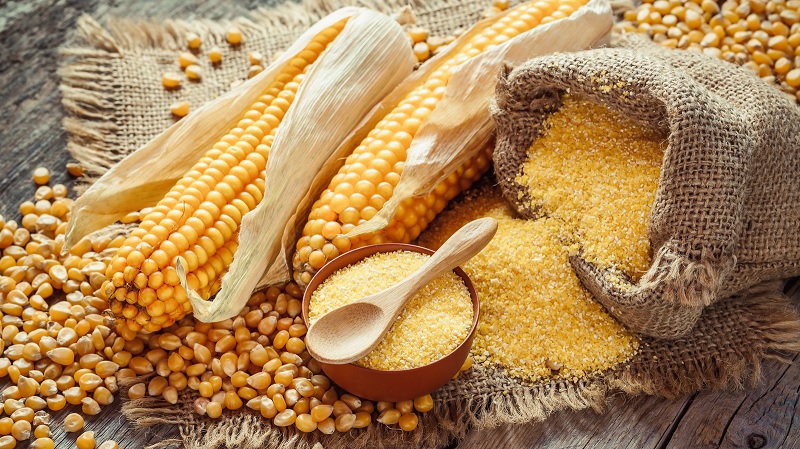
Cornmeal is naturally gluten-free, making it a popular choice for those with gluten sensitivities. Besides being a versatile cooking ingredient, cornmeal is sometimes considered as bird food because it’s easy to store and widely available. However, its suitability for birds depends on how it’s fed and which bird species are involved. Understanding what cornmeal is helps provide context when deciding whether it’s a good option to share with wild or pet birds.
Nutritional Content of Cornmeal
Cornmeal is not just a simple flour; it offers a range of nutrients that can be beneficial in small amounts. It is primarily made up of carbohydrates, providing a good source of energy. Cornmeal also contains some protein, though it’s not as high compared to other grains. It includes essential vitamins such as B vitamins—especially niacin and folate—which play important roles in metabolism and overall health.
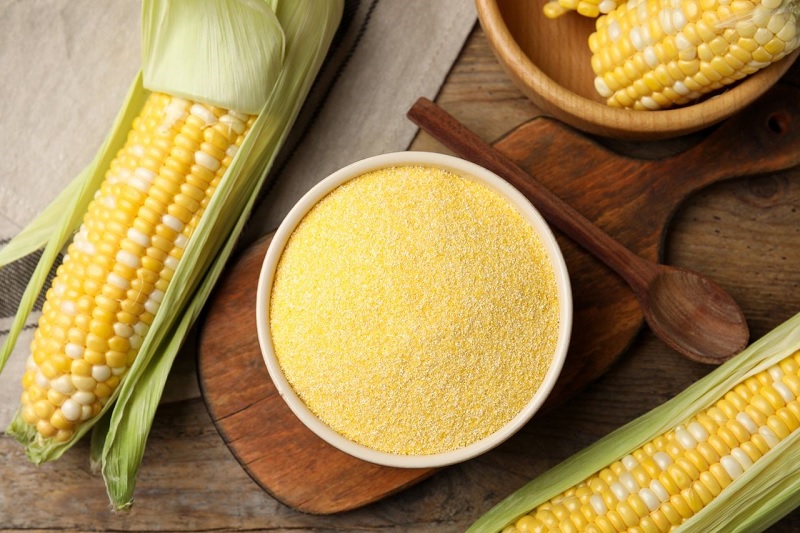
Additionally, cornmeal provides minerals like iron, magnesium, and phosphorus, which contribute to bone health and oxygen transport in the body. However, cornmeal is relatively low in fat and fiber. While these nutrients make cornmeal a decent energy source, it’s important to remember that its nutritional profile is quite basic. For birds, cornmeal can offer some energy, but it shouldn’t be the sole food source, as they need a balanced diet rich in protein, fats, and other nutrients for optimal health.
Cornmeal Safe for Birds?
When it comes to feeding birds, many wonder about the safety of cornmeal as a food option. Cornmeal, made from ground dried corn, is a common pantry staple that might seem like a convenient treat for wild or pet birds. But is cornmeal safe for birds? The answer depends on several factors, including the type of bird and how the cornmeal is offered.
Types of Birds That Can Eat Cornmeal
Certain bird species can safely consume cornmeal in moderation. Birds like pigeons, doves, quail, and some ground-feeding birds may eat cornmeal without any issues. These birds are accustomed to grains and seeds in their natural diets, so cornmeal can provide a quick source of carbohydrates and energy. Waterfowl, such as ducks and geese, may also peck at cornmeal, but it’s not an ideal staple for them.
Songbirds and smaller perching birds like finches and sparrows typically do not benefit much from cornmeal and may even struggle to digest it properly. These birds generally thrive on a diet rich in seeds, insects, and fruits, so cornmeal is not a natural fit for them.
Potential Risks of Feeding Cornmeal to Birds
While cornmeal can be safe for some birds in small quantities, there are risks associated with feeding it improperly or too frequently. Cornmeal is a starchy carbohydrate with relatively low protein and fat content, which means it lacks many essential nutrients that birds need for long-term health. Relying too much on cornmeal can lead to nutritional imbalances and poor health.
Another concern is how the cornmeal is served. Raw, dry cornmeal can be dusty and may irritate a bird’s digestive system or respiratory tract if inhaled. Wet cornmeal, especially when mixed with water or other ingredients, can clump and cause digestive issues or blockages. It’s crucial to avoid feeding cornmeal that is moldy or contaminated, as this can be harmful or even fatal.
Benefits of Feeding Cornmeal to Birds
Feeding cornmeal to birds can offer several benefits when done appropriately. Cornmeal is a good source of carbohydrates, providing birds with quick energy, especially during colder months when they need extra fuel to stay warm. For ground-feeding birds like pigeons and quail, cornmeal can be an easy-to-digest treat that supplements their natural diet. It’s also inexpensive and widely available, making it a convenient option for bird enthusiasts.
Additionally, cornmeal is gluten-free and contains some essential vitamins and minerals that can contribute to a bird’s overall nutrition. However, it’s important to remember that cornmeal should only be a small part of a varied diet, as birds require a balanced intake of proteins, fats, and other nutrients for optimal health. When offered in moderation, cornmeal can be a helpful supplement that supports energy needs without replacing more nutritious food sources.
How to Feed Cornmeal to Birds Safely
Feeding cornmeal to birds can be a thoughtful way to supplement their diet, but it’s important to do so carefully. Proper preparation and serving methods help ensure the birds benefit without facing health risks. Here’s how to offer cornmeal safely to your feathered friends.
Preparation Tips
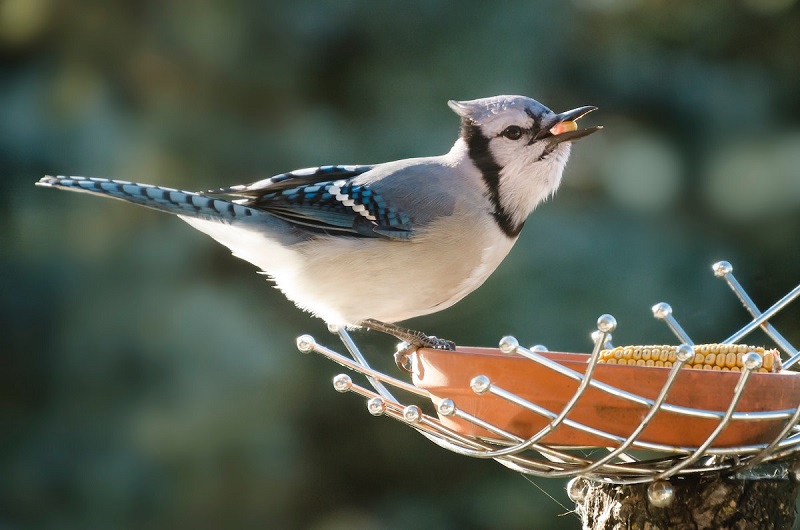
Before feeding cornmeal to birds, it’s essential to prepare it correctly. Start by using fresh, clean cornmeal that hasn’t been exposed to moisture or pests, as spoiled cornmeal can harbor mold or bacteria harmful to birds. Avoid using cornmeal mixes that contain added sugars, salt, or artificial flavors, as these additives can be toxic to birds.
For easier digestion, consider lightly moistening the cornmeal. Mixing it with a small amount of water creates a crumbly texture that’s less dusty and reduces the risk of respiratory irritation. However, avoid making it too wet or sticky, as clumps can cause digestive blockages. Always prepare only small batches to prevent spoilage and discard any leftovers after a day or two.
If you want to boost the nutritional value, mix cornmeal with other bird-friendly foods such as cracked corn, seeds, or finely chopped fruits. This variety helps provide a more balanced diet.
Serving Suggestions
When serving cornmeal, choose a clean, dry feeding area to minimize contamination and reduce the risk of attracting pests like rodents or insects. Ground feeders such as pigeons, doves, and quail are most likely to enjoy cornmeal, so scatter small amounts directly on the soil or in shallow trays where these birds can access it easily.
Avoid placing cornmeal on elevated feeders designed for smaller songbirds, as it may not be suitable for their dietary needs and feeding style. Instead, offer appropriate seeds and nuts for these species.
Observe the birds as they eat to ensure they aren’t struggling with the texture or quantity of cornmeal provided. Limit feeding sessions to avoid over-reliance on cornmeal and to encourage birds to forage naturally.
Alternatives to Cornmeal for Bird Feeding
If you’re looking for alternatives to cornmeal for feeding birds, there are several nutritious options that better meet their dietary needs. Seeds like sunflower, safflower, and millet are popular choices that attract a wide variety of birds and provide essential fats and proteins. Suet cakes offer high energy, especially valuable in colder months, and are rich in fats that many birds need for warmth and stamina. Fruits such as berries, apples, and oranges can also be excellent treats, providing vitamins and hydration.
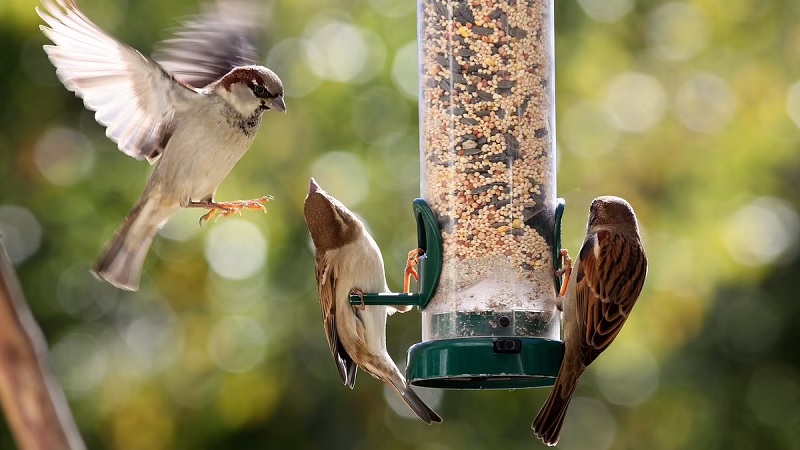
For insect-eating birds, mealworms are a great protein-packed snack. Unlike cornmeal, these alternatives offer a more balanced nutrition profile, supporting overall bird health. Mixing different types of food helps cater to various species and encourages natural feeding behaviors. By choosing these options, you can create a more inviting and healthful feeding environment for your backyard birds.
Frequently Asked Questions
Can Birds Safely Eat Cornmeal?
Yes, many birds can safely eat cornmeal in moderation. Cornmeal provides a quick source of carbohydrates and energy, especially for ground-feeding birds like pigeons, doves, and quail. However, it should never be the main part of their diet because it lacks sufficient protein, fat, and other essential nutrients. Always offer fresh, clean cornmeal and avoid any mixes with added salt or sugar. Feeding cornmeal occasionally as a supplement can be safe, but balance it with a varied diet to keep birds healthy.
Which Types Of Birds Can Eat Cornmeal?
Birds that are primarily grain-eaters, such as pigeons, doves, quail, and some waterfowl, can eat cornmeal without problems. These birds are adapted to digest grains and seeds, making cornmeal an easy-to-handle food for them. Smaller songbirds, like finches and chickadees, usually don’t benefit from cornmeal since their diets consist mainly of insects, seeds, and fruits. It’s best to tailor what you feed based on the types of birds visiting your yard.
How Should I Feed Cornmeal To Birds?
To feed cornmeal safely, use fresh, dry cornmeal and avoid any that is moldy or damp. You can sprinkle it directly on the ground or place it in shallow dishes for ground-feeding birds. Moistening the cornmeal slightly with water can reduce dust and make it easier to digest, but don’t make it too wet, as clumping may cause digestive problems. Never mix cornmeal with harmful additives, and always clean feeding areas regularly to prevent mold and pests.
Are There Any Risks In Feeding Birds Cornmeal?
Feeding birds cornmeal carries some risks if done improperly. Cornmeal is low in protein and fat, so relying on it too much can lead to nutritional deficiencies in birds. Wet or moldy cornmeal can cause digestive issues or even poisoning. Dust from dry cornmeal can irritate birds’ respiratory tracts if inhaled excessively. It can also attract unwanted pests like rodents and insects, which may disturb the feeding area and spread disease. Moderation and proper hygiene are key to minimizing these risks.
What Are Better Alternatives To Cornmeal For Birds?
Better alternatives to cornmeal include sunflower seeds, millet, cracked corn, and safflower seeds, which provide more balanced nutrition with higher fat and protein content. Suet cakes are also excellent for energy, especially in cold weather. Fruits like berries or chopped apples offer vitamins and hydration, while mealworms are a great protein source for insectivorous birds. Offering a variety of foods tailored to the species visiting your feeder supports their health and encourages natural foraging behaviors.
Conclusion
Birds can eat cornmeal safely when it’s offered in moderation and prepared properly. It serves as a good source of quick energy for certain grain-eating birds like pigeons, doves, and quail but should never replace a balanced diet rich in protein, fats, and other essential nutrients. Proper preparation—using fresh, dry cornmeal and avoiding mold or additives—is key to keeping birds healthy.
While cornmeal can be a convenient supplement, it’s important to be aware of potential risks like digestive issues and attracting pests. For the best care, consider providing a variety of natural foods tailored to the birds in your area. This approach supports their overall well-being and helps you enjoy a thriving backyard bird community.