
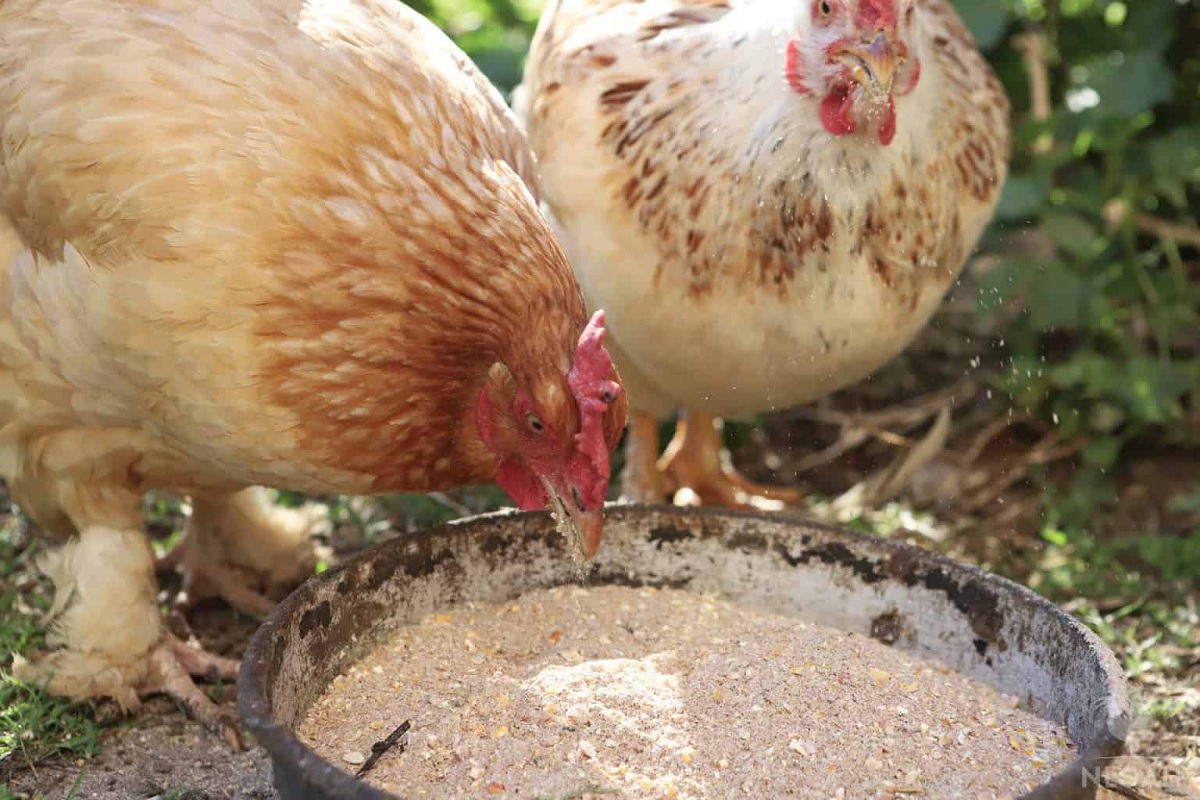
When it comes to feeding wild or pet birds, many people wonder about the safety of common human foods. One question that often comes up is, can birds eat uncooked grits? Grits, a staple in many kitchens, are made from ground corn and are usually cooked before consumption. But birds have different digestive systems than humans, and what we eat safely might not always be suitable for them.
Understanding whether uncooked grits pose any health risks or benefits to birds is important, especially for those who enjoy feeding backyard birds or caring for pet birds. In this article, we’ll explore what grits are, how birds process food, and whether uncooked grits can be a safe snack or a potential hazard for our feathered friends. If you’re curious about giving birds a treat or simply want to ensure their diet is safe, knowing the answer to can birds eat uncooked grits will help you make informed choices.
Can Birds Eat Uncooked Grits?
When it comes to feeding birds, many people wonder if foods common in our kitchens are safe for them. One such question is, can birds eat uncooked grits? Grits are made from ground corn and are a popular dish for humans, especially in the southern United States. But birds have unique digestive needs, and what’s safe for us isn’t always safe for them. Uncooked grits, in particular, raise concerns because of their texture and how birds might handle them.
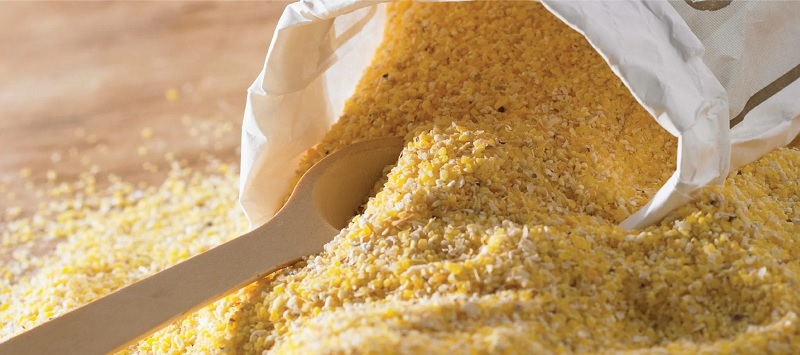
Nutritional Content of Uncooked Grits
Uncooked grits primarily consist of ground corn, which is rich in carbohydrates and provides a decent amount of energy. They also contain small amounts of protein, fiber, and essential minerals such as iron and magnesium. However, since grits are usually cooked before eating, the raw form has a much harder texture and less digestibility. Cooking helps break down the starches and makes nutrients more accessible to the body — something birds may struggle with when grits are uncooked.
Potential Benefits for Birds
If birds could digest uncooked grits, the carbohydrates would offer a quick energy source, especially for active species that need constant fuel. Additionally, the iron and magnesium in grits are beneficial minerals that support overall health. Some bird species naturally consume small hard grains and seeds, so in theory, a small amount of uncooked grits might provide some nutritional value. However, these benefits are conditional on the birds being able to safely process the grits without digestive issues.
Possible Risks of Feeding Uncooked Grits to Birds
Feeding uncooked grits to birds carries some risks. Because they are hard and coarse, uncooked grits can be difficult for birds to chew and digest properly. This might lead to choking hazards or blockages in their digestive system. Birds don’t have teeth to grind food, so they rely on grit in their gizzards to help break down tough materials — but adding more uncooked grit can be problematic. Also, raw corn products may contain compounds that are easier to digest only after cooking. Therefore, uncooked grits could cause digestive upset or malnutrition if fed in excess.
Differences Between Uncooked and Cooked Grits for Birds
When considering feeding grits to birds, understanding the differences between uncooked and cooked grits is essential. Birds have specific dietary and digestive requirements, and the way grits are prepared can significantly affect how well birds can consume and benefit from them. Let’s explore the key distinctions between uncooked and cooked grits, focusing on digestibility and their impact on bird health.
Digestibility
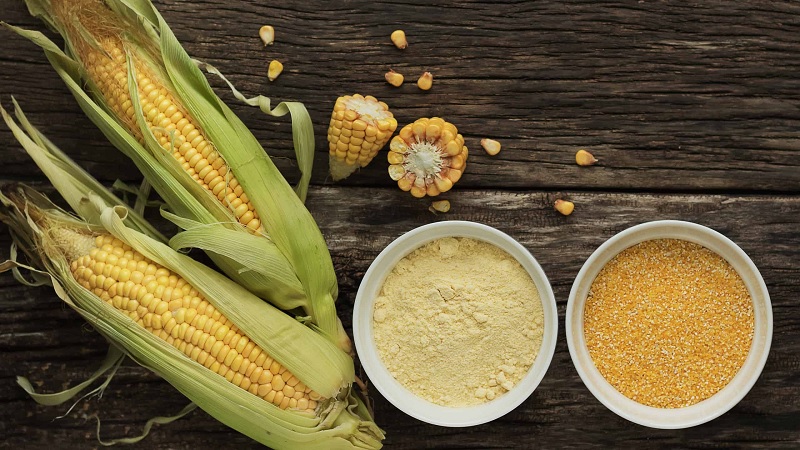
One of the most important differences between uncooked and cooked grits is how easily birds can digest them. Uncooked grits are simply ground corn kernels that remain hard and coarse. Birds don’t have teeth to chew food thoroughly, relying instead on their gizzards—a muscular part of their digestive system—to grind tough materials with the help of grit (small stones they swallow). However, uncooked grits can be too hard and dense for many bird species to process efficiently. This can lead to difficulties in breaking down the starches and accessing the nutrients inside.
Cooked grits, on the other hand, are softened through heat and moisture, making the starches more accessible and easier for birds to digest. The cooking process gelatinizes the starch, breaking down the complex carbohydrates and making nutrients more bioavailable. This means birds can absorb the energy and minerals from cooked grits more effectively than from uncooked ones. For this reason, cooked grits are generally a safer and more nutritious option if you choose to offer grits to birds.
Impact on Bird Health
The form in which grits are fed to birds can have a considerable impact on their overall health. Feeding birds uncooked grits carries risks such as digestive blockages or choking because of their hardness and coarse texture. Since birds cannot chew like mammals, large or hard particles can cause injury or discomfort in their digestive tract. Over time, feeding uncooked grits may also reduce nutrient absorption, leading to deficiencies that affect a bird’s energy levels, feather quality, and immune function.
Conversely, cooked grits pose fewer health risks. Their softer texture reduces the risk of choking and makes it easier for birds to digest and absorb nutrients. However, it’s important to feed cooked grits plain, without added salt, butter, or seasonings, as these additives can harm birds. Even with cooked grits, moderation is key; grits should only be an occasional treat rather than a staple food, as birds thrive on diets closer to their natural food sources such as seeds, insects, and fruits.
Types of Birds That May Eat Grits
Grits, made from ground corn, can be a potential food source for various bird species. However, not all birds will naturally eat grits, and their ability to digest and benefit from them varies widely. Understanding which types of birds might eat grits—whether wild or pet birds—can help you decide whether to include grits in their diet safely and responsibly.
Wild Birds
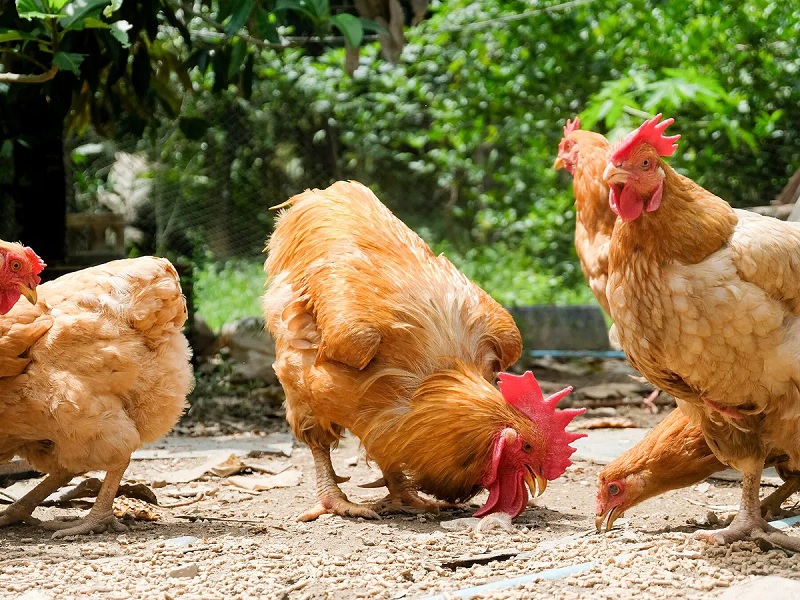
Certain wild birds may encounter grits or similar ground grains in their natural environment or from human offerings. Ground corn-based foods like grits can appeal to seed-eating species and ground foragers. Birds such as doves, pigeons, quail, and some types of sparrows are known to consume grains and seeds and might eat grits if given the chance. These birds typically have strong gizzards and often ingest small stones or grit themselves to help grind hard foods in their digestive systems.
However, it’s important to note that wild birds generally prefer whole seeds and grains rather than processed forms like uncooked grits. Feeding wild birds cooked grits in small amounts might be more acceptable, but it should never replace their natural diet. Additionally, wild birds require a balanced intake of protein, fats, and other nutrients that grits alone cannot provide.
Pet Birds
Pet birds, especially those commonly kept as companions, have different dietary needs and may be more accustomed to human-provided foods. Species such as parrots, cockatiels, budgerigars (budgies), and canaries can sometimes be fed grits, but only when prepared properly. Most pet birds thrive on specially formulated pellets, seeds, fruits, and vegetables designed to meet their nutritional requirements.
For pet birds, cooked grits can occasionally be offered as a treat or supplementary food. This can provide a source of carbohydrates and energy but should always be free of added salt, butter, or spices. Uncooked grits are generally not recommended for pet birds due to their hardness and potential digestive issues. Moreover, because pet birds rely on their owners for balanced nutrition, it’s crucial to ensure grits do not become a primary food source.
Safe Alternatives to Uncooked Grits for Birds
If you’re considering feeding birds but want to avoid the potential risks of uncooked grits, there are plenty of safe and nutritious alternatives available. Whether you’re feeding wild birds or pet birds, choosing foods that meet their dietary needs and support their health is crucial. Here, we’ll explore some of the best alternatives, focusing on commercial bird foods and natural foods birds prefer.
Commercial Bird Foods
For pet birds or backyard feeders, commercial bird foods are often the safest and most balanced option. These products are specifically formulated to provide the essential nutrients that birds need. They come in various types depending on the species you’re feeding, such as seed mixes for finches and canaries or pellets for parrots and cockatiels.
Many commercial bird foods include a mix of seeds, grains, dried fruits, and vitamins designed to support optimal health. These foods undergo quality control to ensure they don’t contain harmful additives or contaminants, making them a reliable choice compared to feeding uncooked or unprocessed human foods like grits. Additionally, commercial grit blends designed for birds often contain calcium and other minerals that aid digestion, making them a much safer alternative to uncooked grits.
Natural Foods Birds Prefer
Wild birds and even many pet birds naturally prefer fresh, whole foods found in their natural habitats. Instead of uncooked grits, offering whole seeds, nuts, fruits, and insects can be far more beneficial and closer to what birds would consume in the wild.
Popular seeds for wild birds include sunflower seeds, millet, and safflower, all of which provide healthy fats, protein, and energy. Fresh fruits like berries, apples, and oranges offer vitamins and hydration, while insects such as mealworms provide a rich protein source especially valued by insectivorous species.
For pet birds, fresh vegetables like leafy greens, carrots, and peas are excellent supplements that contribute vitamins and minerals. These natural foods support healthy digestion and overall well-being much better than processed or uncooked grains like grits.
How to Offer Grits to Birds Safely
If you want to include grits in a bird’s diet, it’s important to do so safely to avoid potential health risks. Proper preparation and careful portion control can make a big difference in whether grits become a beneficial treat or a harmful item. Here’s a guide on how to offer grits to birds safely, focusing on preparation tips and portion sizes.
Preparation Tips
The first and most important step in safely feeding grits to birds is to avoid giving them uncooked grits. Uncooked grits are hard and difficult for birds to digest, which can lead to choking or digestive blockages. Always cook the grits thoroughly by boiling them in water until they become soft and mushy. Avoid adding any seasonings, salt, butter, or other additives that could harm birds.
Once cooked, allow the grits to cool to room temperature before offering them to birds. This prevents the risk of burns or discomfort. Serve the grits plain and fresh, as stale or spoiled food can quickly cause health problems. Additionally, keep the feeding area clean to avoid attracting pests or encouraging mold growth on leftover food.
If you’re feeding wild birds, it’s best to place small amounts of cooked grits on a flat surface or in a shallow dish where birds can easily access them. For pet birds, you can offer cooked grits in their feeding bowl, mixing it occasionally with their regular food.
Portion Sizes
When it comes to portion sizes, moderation is key. Grits should only be offered as an occasional treat rather than a staple food. Birds have specific dietary needs that grits alone cannot fulfill, so overfeeding can cause nutritional imbalances.
For small birds like finches or sparrows, a teaspoon of cooked grits is enough for a feeding session. Medium-sized birds such as pigeons or doves can handle slightly larger portions, around a tablespoon. For pet birds like parrots or cockatiels, a small spoonful mixed with their regular diet is sufficient.
Observe how the birds respond to the grits. If you notice any signs of digestive discomfort or refusal to eat, discontinue feeding them grits and consult a veterinarian if needed. Always remove any uneaten grits after a few hours to prevent spoilage and keep the feeding area hygienic.
Frequently Asked Questions
Can Birds Eat Uncooked Grits Safely?
No, birds generally should not eat uncooked grits. Uncooked grits are hard and coarse, which can make them difficult for birds to chew and digest properly. Birds don’t have teeth, so they rely on their gizzards and ingested grit to help break down food. Feeding uncooked grits may cause choking, digestive blockages, or discomfort. If you want to offer grits to birds, it’s much safer to cook them first to soften the texture and make the nutrients more accessible.
What Are The Risks Of Feeding Uncooked Grits To Birds?
Feeding uncooked grits to birds carries several risks. The hardness of uncooked grits can cause choking or damage to the bird’s digestive tract. Birds may also struggle to break down the starches in uncooked grits, leading to poor nutrient absorption or digestive upset. Additionally, uncooked grains sometimes contain compounds that are neutralized during cooking, so feeding them raw could potentially expose birds to harmful substances or cause malnutrition over time.
Are Cooked Grits A Better Option For Birds?
Yes, cooked grits are a much safer and more digestible option for birds. Cooking softens the grits, making it easier for birds to swallow and digest the starches inside. This process also helps release nutrients, allowing birds to absorb energy and minerals effectively. If you choose to offer grits to birds, make sure they are cooked plain—without salt, butter, or spices—to avoid harming the birds.
Which Types Of Birds Can Eat Grits?
Some seed-eating wild birds like doves, pigeons, and quail might consume grits or similar ground corn products if offered. Pet birds such as parrots, cockatiels, and budgerigars may also be given cooked grits occasionally as a treat. However, grits should never replace their regular balanced diet. It’s important to recognize that not all birds will eat or tolerate grits well, so observe how individual birds respond before continuing to offer them.
How Should I Prepare Grits Before Feeding Them To Birds?
To prepare grits safely for birds, cook them thoroughly by boiling in water until soft and mushy. Avoid adding any seasonings, salt, or fats, as these additives can be harmful. Let the cooked grits cool to room temperature before serving. Serve them in small amounts on a clean, flat surface or in a bird’s feeding dish. Always remove uneaten grits after a few hours to prevent spoilage and maintain hygiene.
How Often Can Birds Eat Grits As Part Of Their Diet?
Grits should only be offered as an occasional treat and not as a regular part of a bird’s diet. Birds require a balanced intake of proteins, fats, vitamins, and minerals that grits alone cannot provide. Feeding grits too frequently could lead to nutritional imbalances or digestive issues. Limit grits to small portions once in a while, and focus primarily on providing species-appropriate seeds, pellets, fruits, vegetables, and insects for a healthy diet.
Conclusion
While the question of can birds eat uncooked grits may seem simple, the answer is more complex. Uncooked grits are hard and difficult for birds to digest, posing risks like choking and digestive discomfort. Birds lack the ability to break down raw starches effectively, making uncooked grits an unsafe choice.
If you want to offer grits to birds, always cook them thoroughly and serve them plain to ensure they are easier to digest and safer to consume. Remember, grits should only be given occasionally as a treat, not as a regular part of a bird’s diet. Prioritizing natural foods and balanced nutrition is the best way to keep birds healthy and thriving.