
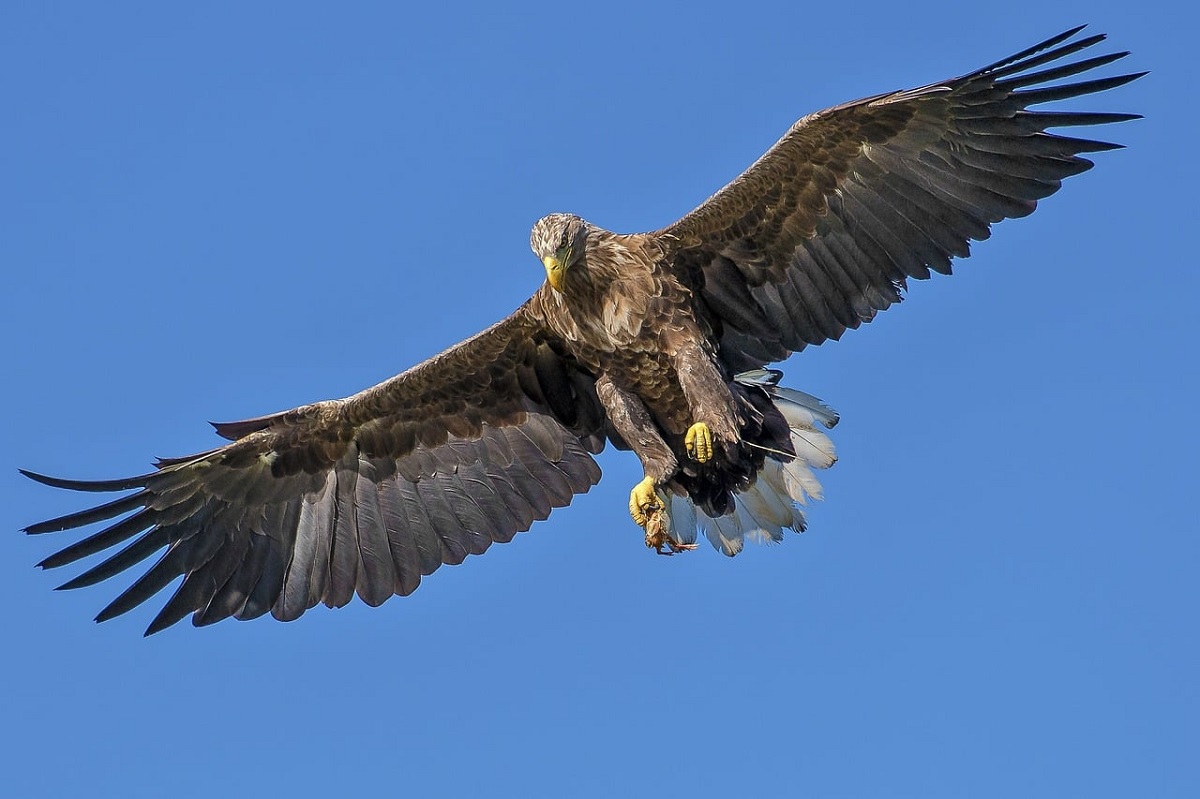
The question can birds fly at 30,000 feet is a fascinating one that sparks curiosity about the limits of nature’s flyers. While commercial airplanes commonly cruise at this altitude, it’s natural to wonder if birds are capable of reaching such heights. Birds are known for their incredible flying abilities, with some species soaring at impressive altitudes during migration or daily flights.
However, flying at 30,000 feet poses unique challenges such as thinner air, lower oxygen levels, and colder temperatures. In this introduction, we’ll explore the reality behind this question, looking at whether any birds actually achieve such heights and how their biology supports or limits their ability to do so. Understanding this can give us insight not only into the adaptability of birds but also into the extremes of flight in the natural world. So, can birds really fly at 30,000 feet? Let’s find out.
Understanding Bird Flight Altitudes
Birds are remarkable creatures with the ability to navigate vast distances through the air. But just how high can they fly, and what determines their flight altitudes? Understanding bird flight altitudes involves looking at typical heights birds reach during their daily activities and migrations, as well as the many factors that influence how high they can go.
Typical Flight Altitudes of Birds
Birds generally fly at a wide range of altitudes depending on the species, purpose of flight, and environmental conditions. Most songbirds and smaller birds tend to fly relatively close to the ground, usually within a few hundred feet. This altitude allows them to easily find food, shelter, and avoid predators.
During migration, however, many birds can reach much higher altitudes. For example, some migratory birds like geese and cranes are known to fly between 5,000 and 15,000 feet to take advantage of favorable wind currents and avoid obstacles. The bar-headed goose is famous for its ability to fly at extreme altitudes, sometimes reportedly exceeding 20,000 feet as it crosses the Himalayas, where oxygen levels are much lower than at sea level.
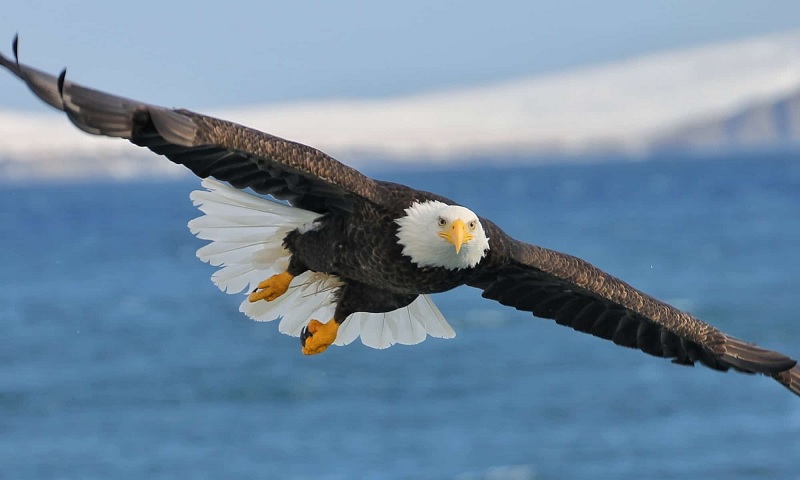
On the other hand, there are birds of prey such as eagles and vultures that soar at moderate heights — typically between 1,000 and 10,000 feet — using thermal currents to conserve energy while searching for prey.
Factors Influencing Flight Altitude
Several factors determine how high a bird can and will fly, starting with oxygen availability. As altitude increases, the air becomes thinner and contains less oxygen, which is essential for sustaining a bird’s energy during flight. Birds adapted to high altitudes have developed physiological features such as more efficient lungs and specialized hemoglobin, allowing them to cope better with reduced oxygen levels.
Temperature also plays a crucial role. Higher altitudes tend to be much colder, so birds flying at great heights must be able to withstand low temperatures that can impact their body heat and metabolism. Without proper adaptations, cold conditions could make high-altitude flight dangerous or impossible for many species.
Wind and weather conditions heavily influence flight altitude as well. Birds often take advantage of favorable wind currents; tailwinds can help them conserve energy and soar higher. Conversely, storms or strong headwinds may force birds to lower their flight altitude or find shelter to avoid harsh conditions.
The purpose of the flight affects altitude too. Birds migrating long distances often fly at higher altitudes for better efficiency and safety, while local flights such as hunting or moving between feeding and roosting sites usually take place closer to the ground where resources are more accessible.
The Physiology of High-Altitude Flight
Flying at high altitudes presents significant physiological challenges for birds. The thin air, low oxygen levels, cold temperatures, and reduced atmospheric pressure all demand specialized adaptations. To understand how some birds manage to soar at extreme heights, it’s important to explore two critical factors: oxygen availability and respiration, as well as the challenges posed by temperature and atmospheric pressure.
Oxygen Availability and Respiration
One of the biggest hurdles for birds flying at high altitudes is the reduced availability of oxygen. At elevations above 10,000 feet, the air contains significantly less oxygen compared to sea level, making it harder for birds to maintain the energy needed for flight. To overcome this, high-flying birds have evolved remarkable respiratory systems that maximize oxygen intake and delivery.
Unlike mammals, birds have a highly efficient respiratory system featuring air sacs that allow continuous airflow through the lungs, ensuring more effective oxygen exchange. Additionally, species adapted to high altitudes—such as the bar-headed goose—possess hemoglobin with a higher affinity for oxygen. This means their blood can capture and transport oxygen more effectively even when oxygen levels are low.
Furthermore, these birds often have larger lungs and a higher density of capillaries in their muscles, enabling better oxygen delivery to tissues during strenuous flights. Such adaptations help maintain aerobic metabolism, allowing birds to sustain flight in thin air where oxygen is scarce.
Temperature and Pressure Challenges
Besides oxygen scarcity, birds flying at high altitudes must also contend with extreme cold and low atmospheric pressure. Temperatures can drop drastically as altitude increases, sometimes reaching well below freezing. To cope with this, high-altitude birds have dense, insulating feathers and specialized metabolic processes to generate and retain body heat.
Low atmospheric pressure at high elevations also means less air resistance. While this can reduce drag and potentially help birds fly more efficiently, it also affects the way their bodies function. For example, reduced pressure can impact gas exchange in the lungs and cause physiological stress. To adapt, birds often adjust their breathing rates and rely on their highly efficient respiratory systems to maintain oxygen supply despite the pressure changes.
In addition, some high-altitude birds have more robust cardiovascular systems that help sustain circulation and oxygen delivery even under these harsh conditions. Their heart rates and blood flow patterns are finely tuned to support endurance flight in challenging environments.
Records of Birds Flying at Extreme Altitudes
Birds are known to reach impressive heights during flight, but some species stand out for their extraordinary ability to soar at extreme altitudes. Exploring these records not only highlights the incredible physical adaptations of birds but also provides fascinating insight into how they survive and thrive in harsh aerial environments. Let’s take a closer look at the species most famous for high-altitude flight and the remarkable altitudes they have been documented reaching.
Species Known for High-Altitude Flight
Among the many bird species, a few have earned special recognition for their ability to fly at altitudes that challenge even modern aircraft. Two species, in particular, the bar-headed goose and the Rüppell’s griffon vulture, are well-known for their exceptional high-flying capabilities.
Bar-headed Goose
The bar-headed goose is perhaps the most famous high-altitude flyer. Native to Central Asia, this bird is renowned for its annual migration over the Himalayas, where it must navigate extremely thin air and freezing temperatures. These geese have been observed flying at altitudes exceeding 20,000 feet, with some reports suggesting they can reach heights close to 30,000 feet. Their ability to sustain flight in such conditions is due to unique physiological traits, including specialized hemoglobin that efficiently captures oxygen and an exceptionally strong heart and lungs.
Rüppell’s Griffon Vulture
Another high-altitude record holder is the Rüppell’s griffon vulture, native to the mountainous regions of Africa. This species holds the confirmed record for the highest altitude at which a bird has been observed in flight. In 1973, a Rüppell’s griffon vulture collided with a commercial airplane at an altitude of 37,000 feet. This extraordinary feat highlights the vulture’s remarkable adaptation to soaring at extreme heights where oxygen levels are drastically low.
Documented Flight Altitudes Close to 30,000 Feet
While most birds typically fly at lower altitudes, documented cases show that a select few can reach or even exceed the 30,000 feet mark. The bar-headed goose’s Himalayan migration regularly brings it near these altitudes, navigating thin air and icy conditions with ease. Similarly, the Rüppell’s griffon vulture’s record collision with an aircraft at 37,000 feet stands as one of the highest verified flight altitudes for any bird.
These astonishing flight records push the boundaries of what was once thought possible for avian species, demonstrating the incredible physiological and behavioral adaptations birds have developed to conquer the skies. They prove that birds are not only masters of low and mid-level flight but also capable of soaring to the very edges of Earth’s atmosphere, facing extreme environmental challenges with resilience and grace.
Can Birds Actually Fly at 30,000 Feet?
The idea of birds soaring as high as 30,000 feet—the cruising altitude of commercial jets—is both fascinating and surprising. But is it really possible for birds to fly this high? To answer this question, we need to look at scientific evidence, studies on bird flight, and the physical limitations and risks birds face at such extreme altitudes.
Scientific Evidence and Studies
Scientific observations and studies show that a few bird species can indeed reach altitudes close to 30,000 feet, but these instances are quite rare and typically associated with specific behaviors like migration. The bar-headed goose, for example, is the most well-documented bird capable of flying at very high altitudes. Research tracking their migration over the Himalayas reveals that they often fly between 20,000 and 29,000 feet, where oxygen levels are just a fraction of what’s available at sea level.
Another remarkable case is the Rüppell’s griffon vulture, which holds the record for the highest confirmed bird flight. This vulture was documented flying at an astonishing 37,000 feet when it collided with a commercial aircraft. These high-altitude flights are supported by unique physiological adaptations such as efficient respiratory systems and specialized hemoglobin that allows their blood to bind oxygen more effectively.
Despite these extraordinary cases, most bird species typically fly much lower, rarely exceeding a few thousand feet during normal activity. The ability to reach 30,000 feet is an exception rather than the norm, reserved for highly specialized species adapted to harsh, oxygen-poor environments.
Limitations and Risks at Such Altitudes
Flying at 30,000 feet or higher poses serious challenges and risks for birds. The air pressure at this altitude is about one-third of that at sea level, meaning the air is much thinner and contains significantly less oxygen. This makes it difficult for birds to breathe and maintain the energy required for sustained flight.
The extreme cold at such heights is another major obstacle. Temperatures can plunge to well below freezing, risking hypothermia or other metabolic stresses for birds that are not properly adapted.
Additionally, flying so high demands tremendous physical effort and energy, increasing the risk of exhaustion. Birds must also navigate unpredictable weather patterns and strong wind currents, which can be dangerous in thin air where their ability to maneuver may be compromised.
Comparison with Human and Aircraft Altitudes
Bird flight altitudes, especially those reaching near 30,000 feet, are impressive when compared to human and aircraft altitudes. Commercial airplanes typically cruise between 30,000 and 40,000 feet, where air is thin and requires pressurized cabins for passenger safety. Humans, on the other hand, cannot naturally survive at these heights without supplemental oxygen due to low oxygen levels and extreme cold.
Interestingly, some birds like the bar-headed goose and Rüppell’s griffon vulture can soar close to or even beyond these altitudes, relying on specialized adaptations to thrive in thin air. While birds lack the technology of aircraft, their natural ability to navigate and sustain flight at such heights highlights the extraordinary limits of biological endurance compared to human capabilities.
Adaptations That Enable High-Altitude Flight
Flying at extreme altitudes demands more than just strong wings—it requires a suite of specialized adaptations that allow birds to cope with the challenges of thin air, low oxygen levels, and cold temperatures. Two key areas where these adaptations are especially crucial are the respiratory system and muscle function. Together, these physiological traits enable birds to sustain flight where most animals would struggle to survive.
Specialized Respiratory Systems
One of the most vital adaptations for high-altitude flight is a highly efficient respiratory system. Unlike mammals, birds have a unique breathing mechanism that allows for continuous airflow through their lungs. This is made possible by a system of air sacs that act like bellows, pushing fresh air through the lungs during both inhalation and exhalation. As a result, birds maintain a constant supply of oxygen, even when flying in oxygen-poor environments at great heights.
Additionally, birds adapted to high altitudes have hemoglobin with a higher affinity for oxygen. This means their blood can capture and transport oxygen more effectively from the thin air, ensuring vital organs and muscles receive enough oxygen to function properly. For example, the bar-headed goose has been studied extensively for this trait, which is key to its ability to migrate over the oxygen-starved peaks of the Himalayas.
These respiratory adaptations are complemented by an increased lung capacity and a greater density of capillaries, which improve oxygen exchange and distribution throughout the body. Together, these features help birds maintain aerobic metabolism and energy production during prolonged high-altitude flights.
Efficient Muscle Function and Energy Use
High-altitude flight also requires muscles that function efficiently under low oxygen conditions. Birds adapted to soaring at great heights have muscle fibers specialized for endurance and efficient energy use. These muscles contain a higher number of mitochondria—the cell structures responsible for producing energy—which helps sustain long periods of activity without fatigue.
Moreover, these birds optimize their energy consumption by relying heavily on soaring and gliding techniques rather than constant flapping. Soaring allows them to take advantage of air currents and thermals, conserving precious energy while covering vast distances.
The combination of efficient muscle physiology and smart flight strategies reduces oxygen demand and metabolic stress, making it possible to maintain flight at altitudes where oxygen is scarce.
Frequently Asked Questions
Can Birds Really Fly At 30,000 Feet?
Yes, some birds can fly at altitudes close to 30,000 feet, but this is very rare and limited to specialized species. Birds like the bar-headed goose and Rüppell’s griffon vulture have been documented flying at these extreme heights. Their bodies have unique adaptations that allow them to cope with thin air, low oxygen, and cold temperatures. However, most birds fly much lower, and reaching 30,000 feet is an exceptional ability rather than a common trait.
What Makes High-Altitude Flight Possible For Birds?
High-altitude flight is possible because certain birds have evolved specialized respiratory systems that provide continuous oxygen flow and hemoglobin with a higher affinity for oxygen. Additionally, their muscles are adapted to work efficiently with less oxygen, and their bodies can withstand colder temperatures. These adaptations work together to help birds survive and function at extreme heights where oxygen is scarce.
Why Don’t All Birds Fly At Such High Altitudes?
Not all birds can fly at high altitudes because it requires specific physiological traits and adaptations. Flying at 30,000 feet means dealing with very thin air and harsh weather conditions that most birds are not equipped to handle. Smaller birds or those without efficient oxygen-processing systems would struggle to maintain energy and body heat, so they typically stay closer to the ground or fly at lower altitudes.
How Do Birds Breathe At Such High Altitudes?
Birds breathe using a unique respiratory system that includes air sacs allowing continuous airflow through the lungs, unlike humans who inhale and exhale separately. This system maximizes oxygen extraction even when air is thin. In high-flying species, their blood contains specialized hemoglobin that binds oxygen more effectively, helping deliver enough oxygen to their muscles and organs during flight.
What Risks Do Birds Face When Flying At 30,000 Feet?
Flying at such high altitudes presents several risks for birds. The air pressure is much lower, making oxygen scarce, which can lead to hypoxia (oxygen deficiency). Extreme cold temperatures can cause hypothermia, and the high-energy demand to stay aloft can lead to exhaustion. Only birds with the right adaptations can survive these harsh conditions; others risk severe physiological stress or death.
Are There Documented Cases Of Birds Flying Higher Than Commercial Airplanes?
Yes, there are documented cases. For example, the Rüppell’s griffon vulture was confirmed to collide with a commercial airplane at 37,000 feet, making it the highest recorded altitude for a bird in flight. While most birds don’t reach these heights, this record shows that some species can soar even higher than the cruising altitude of many passenger jets, demonstrating their extraordinary capabilities.
Conclusion
While it may seem incredible, some birds can indeed fly at or near 30,000 feet, an altitude typically reserved for commercial airplanes. Species like the bar-headed goose and Rüppell’s griffon vulture have evolved remarkable adaptations that allow them to thrive in thin air with low oxygen levels and freezing temperatures. However, this ability is rare and limited to a few specialized birds.
Most birds fly much lower, as the challenges of high-altitude flight—such as oxygen scarcity, cold, and energy demands—are too great for the average species to overcome. Understanding these extraordinary flyers highlights the amazing resilience and adaptability of birds, showcasing how nature pushes the boundaries of what’s possible in the skies.