
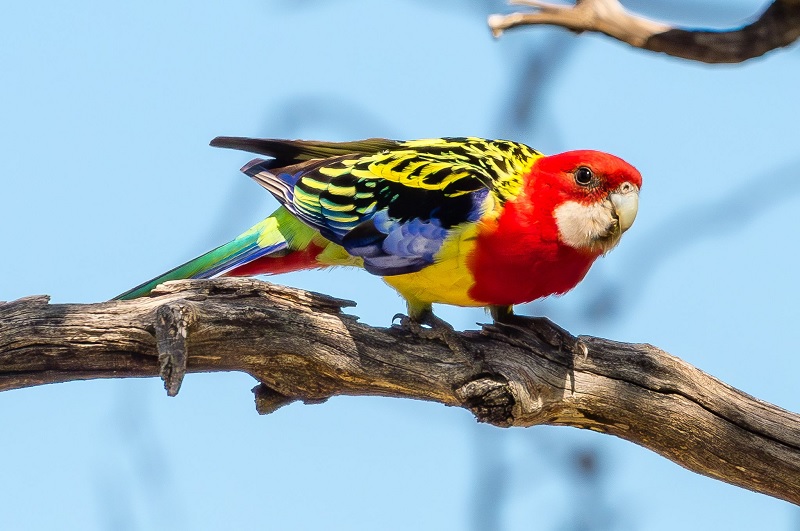
Tropical regions are home to some of the world’s most vibrant and diverse bird species. From the lush rainforests of the Amazon to the exotic islands of Southeast Asia, the variety of birdlife in these areas is truly breathtaking. Exploring the different types of tropical birds opens a window into an ecosystem filled with color, sound, and fascinating behaviors.
These birds play important roles in their habitats—pollinating flowers, dispersing seeds, and keeping insect populations in check. You’ll find species like toucans with massive, colorful bills, macaws with stunning plumage, and tiny hummingbirds hovering mid-air as they sip nectar. Each bird has adapted beautifully to its environment, developing traits that make it both unique and essential to its ecosystem. Understanding the different types of tropical birds isn’t just about admiring their beauty—it’s also about recognizing the important place they hold in the balance of tropical life.
Introduction of Different Types of Tropical Birds
Tropical birds are among the most vibrant and captivating creatures found in nature. These birds live in warm, humid regions close to the equator, where rainforests, jungles, and lush vegetation provide the perfect environment for their survival. From vivid plumage to extraordinary calls, tropical birds are not only beautiful but also ecologically important. Exploring the different types of tropical birds gives you a deeper appreciation for biodiversity and the unique roles these species play in their natural habitats.
Unique Features of Tropical Birds
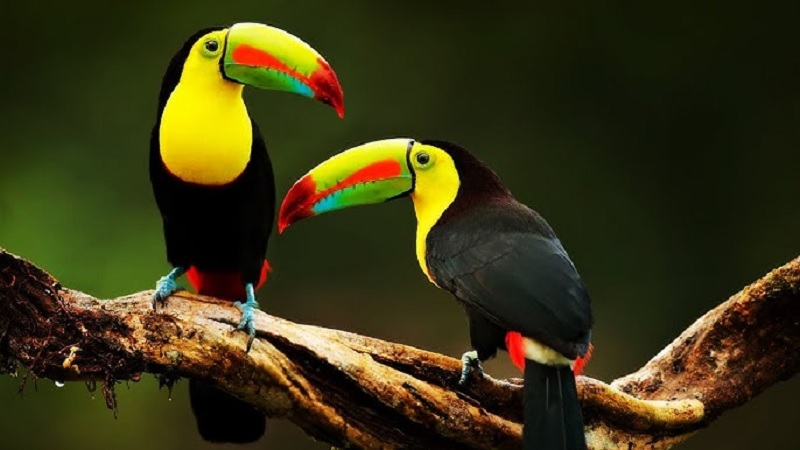
Tropical birds are often recognized for their striking colors, intricate feather patterns, and unusual beaks. Their adaptations allow them to thrive in dense forests and high canopies, where food sources like fruit, insects, and nectar are abundant. These birds are also known for their complex vocalizations used for communication and mating.
Diversity Within Tropical Regions
From South America’s Amazon rainforest to Southeast Asia’s tropical islands, tropical birds come in countless forms. You may find toucans with oversized beaks, parrots with brilliant green feathers, or hummingbirds flitting rapidly from flower to flower. Each species has evolved uniquely depending on the ecosystem it inhabits. Understanding these differences allows you to see how incredibly diverse tropical bird life truly is, both in form and behavior.
Characteristics of Tropical Birds
Tropical birds are some of the most captivating creatures on Earth, not just for their appearance but also for their behavior and adaptability. These birds thrive in warm, humid regions rich in vegetation, and their features reflect the complexity of the tropical ecosystems they inhabit.
Vibrant and Diverse Plumage
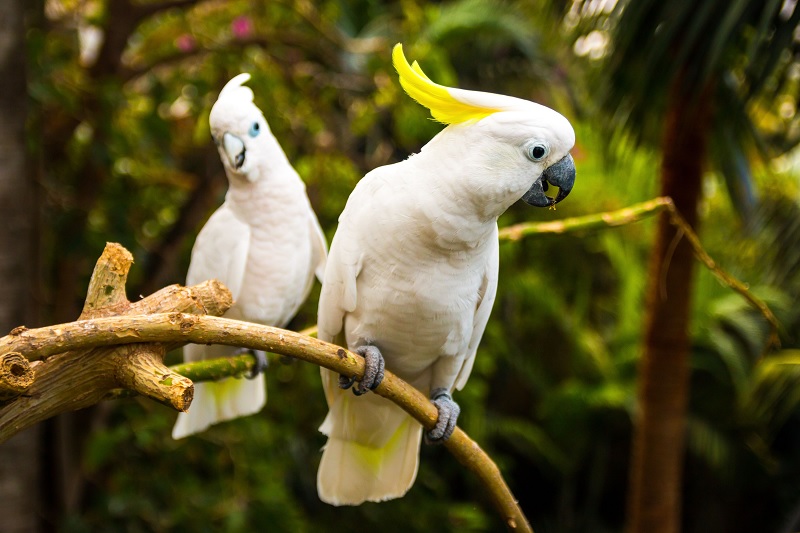
One of the most noticeable traits of tropical birds is their colorful feathers. Many species display bright blues, vivid reds, emerald greens, and even iridescent tones that shimmer in the sunlight. This vibrant coloration plays a role in mating, camouflage, and communication. Birds like the Scarlet Macaw and Resplendent Quetzal use their bold colors to attract mates, while others blend into colorful foliage to avoid predators.
Specialized Beaks and Feeding Habits
Tropical birds often have unique beak shapes tailored to their diets. Toucans, for example, use their large, curved beaks to pluck fruit from branches. Hummingbirds have long, narrow beaks for sipping nectar, while hornbills use their massive bills to forage for insects and small animals. These specialized tools help them exploit the rich food sources available in tropical habitats.
Complex Vocalizations and Social Behaviors
Another key characteristic of tropical birds is their vocal variety. Parrots and songbirds produce a wide range of sounds to communicate with flock members, defend territory, or attract mates. In some species, these sounds are so complex that they can mimic other animals—or even human speech. Many tropical birds are also social, often living in flocks or mating pairs, showing strong bonds and cooperative behaviors.
Parrots and Macaws
Parrots and macaws are among the most recognizable and beloved tropical birds, known for their intelligence, vivid coloration, and strong social behaviors. These birds belong to the Psittacidae family and are found in tropical and subtropical regions around the world, especially in South America, Central America, Africa, and Australasia.

Appearance and Coloration
Parrots and macaws are famous for their striking feathers, which come in bold shades of green, red, yellow, and blue. Macaws, in particular, are larger and more flamboyant, with long tail feathers and expressive facial markings. Their vibrant appearance not only aids in communication and mating but also blends well with the colorful tropical canopies they inhabit.
Intelligence and Behavior
Both parrots and macaws are extremely intelligent birds. They are capable of solving puzzles, mimicking human speech, and forming strong bonds with their human caretakers or flock members. In the wild, they live in flocks, displaying social behaviors such as cooperative feeding, grooming, and vocalizing. Their calls can be loud and varied, helping them stay connected in dense forests.
Diet and Habitat
These birds primarily eat fruits, nuts, seeds, and sometimes flowers. Their strong, curved beaks are perfect for cracking hard shells and accessing food. They inhabit rainforests, savannas, and woodlands, depending on the species. Protecting their habitats is crucial, as many species of parrots and macaws are endangered due to deforestation and the pet trade.
Toucans and Aracaris
Toucans and aracaris are two of the most iconic tropical birds, instantly recognized by their oversized, colorful bills and vibrant plumage. Belonging to the family Ramphastidae, these birds are native to the rainforests of Central and South America, where they thrive in warm, humid environments rich in fruit-bearing trees.
Unique Features and Appearance
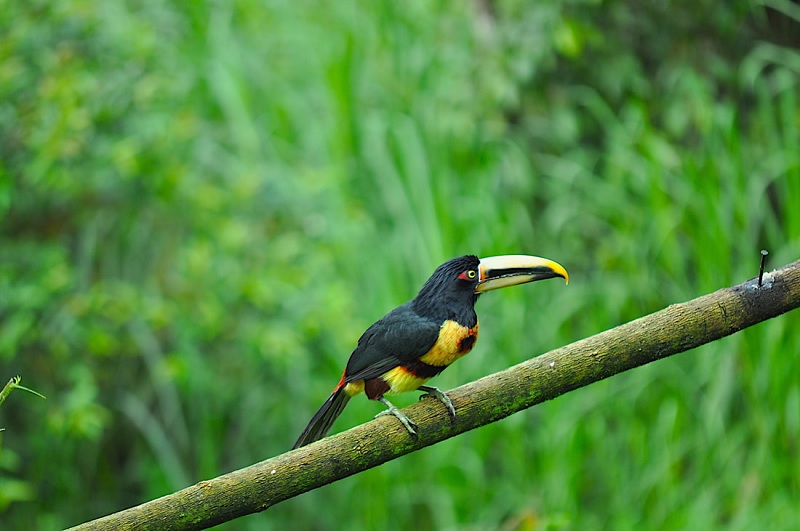
Toucans and aracaris are most famous for their large, lightweight bills, which can be almost as long as their bodies. Despite their size, these bills are surprisingly light due to their hollow structure. The bills serve multiple purposes — from reaching fruit on distant branches to regulating body temperature and even deterring predators. Toucans are typically more robust with shorter tails, while aracaris are smaller and more slender, often showing more intricate feather patterns.
Behavior and Diet
These birds are primarily frugivorous, meaning their diet mainly consists of fruit. However, they also eat insects, small reptiles, and bird eggs when available. Their feeding habits help with seed dispersal, playing a crucial role in rainforest ecology. Toucans and aracaris are social birds, often seen in small flocks, hopping from branch to branch and vocalizing with their unique, frog-like croaks or barking calls.
Habitat and Conservation
Toucans and aracaris are most commonly found in lowland rainforests, though some species inhabit mountain forests. Due to habitat destruction and illegal pet trade, many toucan and aracari species face declining populations. Conservation efforts are critical to preserving their environments and ensuring these remarkable birds continue to thrive in their natural habitats.
Hummingbirds
Hummingbirds are among the most fascinating tropical birds, known for their dazzling colors, rapid wingbeats, and ability to hover in mid-air. These tiny birds belong to the family Trochilidae and are primarily found in the Americas, with a high concentration in tropical regions like Central and South America.
Physical Features and Flight Abilities
Hummingbirds are incredibly small, with some species measuring just 3 inches in length. Despite their size, they are powerful flyers. Their wings beat up to 80 times per second, allowing them to hover, fly backward, and change direction swiftly. Their iridescent feathers reflect sunlight, creating brilliant displays of green, red, blue, and gold, depending on the angle.
Feeding Habits and Pollination
These birds feed mainly on nectar from flowers, which provides the high energy they need for their rapid movements. Their long, slender bills and specialized tongues are perfectly adapted for reaching deep into blossoms. In the process of feeding, they pollinate many tropical plants, making them essential to the ecosystem.
Behavior and Habitat
Hummingbirds are highly territorial and often aggressive despite their small size. Males frequently defend feeding areas and attract mates through aerial displays and bright plumage. They prefer tropical forests, gardens, and even highland meadows where flowering plants are abundant. Their presence is a strong indicator of a healthy, biodiverse environment.
Birds of Paradise
Birds of paradise are some of the most visually stunning and behaviorally unique birds in the tropical world. Found mostly in Papua New Guinea, eastern Australia, and nearby islands, these birds belong to the family Paradisaeidae and are renowned for their vibrant colors, elaborate feathers, and extraordinary courtship displays.
Striking Appearance and Plumage
One of the defining traits of birds of paradise is their vivid and often surreal plumage. Males sport brilliant hues of yellow, green, blue, and red, often with extravagant tail feathers, head plumes, or fan-like displays. Each species has evolved its own distinct look—some even appear as if wearing ornamental costumes.
Courtship Rituals and Behavior
Their mating dances are equally remarkable. Males perform complex routines that include rhythmic movements, vocal calls, and acrobatic poses. These displays are meant to attract female attention and demonstrate physical fitness. Some species even clear a space on the forest floor as a performance stage.
Habitat and Ecological Role
Birds of paradise typically inhabit dense tropical rainforests, where their bright plumage contrasts with the dark, leafy backdrop. They play a vital role in seed dispersal and pollination, contributing to the health and diversity of their forest ecosystems. Their presence is a sign of an undisturbed natural environment, making them valuable indicators of biodiversity.
Hornbills and Fruit-Eating Birds
Hornbills and other fruit-eating birds are essential components of tropical forest ecosystems. Known for their distinctive bills and frugivorous diets, these birds help maintain the balance and regeneration of forest life by dispersing seeds across wide areas.
Unique Appearance and Behavior of Hornbills
Hornbills are easily recognized by their large, curved bills, often topped with a casque—a hollow structure that varies in shape by species. These tropical birds are typically found in Africa and Southeast Asia. Despite the size of their beaks, hornbills are surprisingly agile and use their bills skillfully to pluck fruits from branches. Many species also form strong pair bonds and are known for their unusual nesting behavior, where the female is sealed inside a tree cavity by the male during incubation.
Role of Frugivores in Tropical Ecosystems
Fruit-eating birds such as hornbills, toucans, barbets, and pigeons consume a wide variety of fruits and berries, playing a critical role in seed dispersal. After eating the fruit, they excrete the seeds far from the parent plant, allowing forests to regenerate naturally. These birds often travel great distances in search of food, further enhancing their role in connecting plant populations across large forest areas. Their feeding habits not only support tree diversity but also sustain countless other species that depend on a healthy forest.
Water and Shore Tropical Birds
Tropical regions are home to a rich variety of water and shore birds that thrive in wetland environments, coastal shores, and mangrove forests. These birds play crucial ecological roles and are uniquely adapted to their watery habitats.
Adaptations and Habitat Preferences
Water and shore tropical birds are typically found in lagoons, estuaries, riverbanks, and coastal marshes. Species like herons, ibises, flamingos, and kingfishers have evolved features that help them live in and around water. Long legs allow wading in shallow waters, while sharp, slender bills are perfect for catching fish, insects, and crustaceans. Some species, like the jacana, have long toes that help them walk across floating vegetation.
Feeding Behavior and Ecological Importance
These birds are skilled foragers. Herons and egrets stand still or move slowly to strike at prey, while flamingos filter-feed by stirring up mud and using their beaks to trap tiny organisms. Their feeding habits help maintain healthy aquatic ecosystems by controlling insect populations and promoting plant growth. They also contribute to nutrient cycling through their droppings. Many tropical water birds are migratory, traveling long distances seasonally, making them vital to both local and global wetland health. Their presence often indicates the overall well-being of the water bodies they inhabit.
FAQs
What Are Tropical Birds?
Tropical birds are species that live in the warm, humid regions near the equator. These birds are often known for their bright colors, unique calls, and diverse shapes. They thrive in tropical rainforests, wetlands, and coastal areas where food and shelter are abundant. Examples include parrots, toucans, hummingbirds, and birds of paradise.
Which Tropical Birds Are Known for Their Bright Colors?
Many tropical birds have vivid plumage to attract mates and communicate. Parrots and macaws, for example, display brilliant reds, blues, and greens. Birds of paradise are famous for their elaborate, colorful feathers used in mating displays. Toucans also have striking, large, colorful bills that make them easy to identify.
What Are Some Common Tropical Bird Species?
Some common tropical bird species include the Scarlet Macaw, Toco Toucan, Ruby-throated Hummingbird, and the King Bird-of-Paradise. Each species has adapted uniquely to its habitat, from the rainforest canopy to wetlands, offering a wide range of behaviors and diets.
How Do Tropical Birds Adapt to Their Environment?
Tropical birds have specialized features to thrive in their environments. For instance, hummingbirds have rapid wing beats for hovering near flowers, while toucans have large bills that help them reach and eat fruit. Many tropical birds have strong social behaviors and complex vocalizations for communication.
Are Tropical Birds Endangered?
Yes, many tropical birds face threats from habitat loss, deforestation, and climate change. Some species are critically endangered due to shrinking rainforests and illegal pet trade. Conservation efforts focus on protecting habitats and breeding programs to help these birds survive.
Can You Keep Tropical Birds as Pets?
Some tropical birds, like parrots, are popular pets because of their intelligence and vibrant colors. However, they require specialized care, large living spaces, and mental stimulation. It’s important to ensure any pet bird is sourced ethically and legally to avoid harming wild populations.
Where Can You Go Birdwatching to See Tropical Birds?
Tropical birds can be spotted in places like the Amazon Rainforest, Central America, Southeast Asia, and parts of Africa. National parks and wildlife reserves in these regions offer great opportunities for birdwatching, where you can observe these colorful species in their natural habitats.
Final Thoughts
Tropical birds showcase some of the most remarkable diversity and beauty in the animal kingdom. From the vibrant parrots and macaws to the delicate hummingbirds and extraordinary birds of paradise, each species brings unique adaptations that help them thrive in lush, tropical environments.
These birds not only captivate with their colors and behaviors but also play vital roles in their ecosystems—pollinating plants, dispersing seeds, and maintaining the balance of nature. Protecting tropical habitats is essential to preserving this incredible variety of birdlife. Understanding the different types of tropical birds deepens our appreciation for nature’s complexity and encourages efforts to conserve these stunning creatures and their environments for generations to come.