
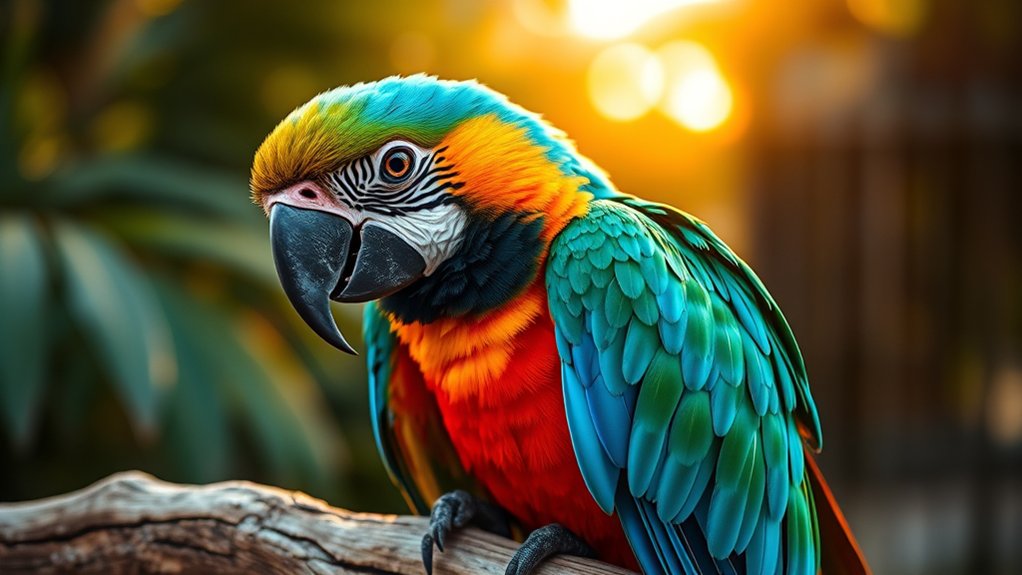
You’ll pay different amounts for a macaw depending on its species, with prices ranging from about $800 to $15,000. Age and training also impact cost. Young, hand-fed, or trained birds cost more.
Breeder reputation matters since established breeders offer healthier birds. Rare color mutations can boost price, as can the size and quality of their cage. Don’t forget ongoing expenses like food, toys, and vet care.
Keep going to uncover all the details behind these factors.
What You Can Expect to Pay for a Macaw
If you’re considering buying a macaw, you can expect to pay anywhere from $1,500 to over $15,000 depending on the species. The purchase price varies widely: Blue and Gold Macaws typically cost between $1,500 and $3,500, while rarer species like the Hyacinth Macaw can exceed $10,000.
Younger, hand-fed chicks often carry a higher price due to their training potential.
As a prospective macaw owner, you should also prepare for ongoing expenses that cover specialized housing, diet, veterinary care, and enrichment. These care needs can add several thousand dollars annually to your budget.
Remember, reputable breeders might charge more for well-socialized birds, but this helps guarantee your macaw’s health and happiness.
Choosing a reputable breeder ensures a healthy, well-socialized macaw for a happier pet experience.
Factoring in both purchase price and ongoing expenses is essential for responsible ownership.
How Macaw Species Affect Their Price
Because macaw species vary widely in size, rarity, and temperament, their prices differ considerably.
When you look at Macaw Prices, Blue and Gold Macaws are among the more affordable, typically costing between $1,500 and $3,500.
Scarlet Macaws, known for their vibrant colors, usually range from $2,000 to $4,000.
If you want something rarer, Hyacinth Macaws command high prices, often between $10,000 and $15,000 due to their striking appearance and scarcity.
On the other hand, Mini Macaws, like the Hahn’s Macaw, offer a budget-friendly option, generally costing $800 to $2,000.
Depending on the species you choose, the price reflects factors like size, rarity, and demand, so selecting the right macaw depends on your budget and preferences.
Why Age and Training Affect Macaw Prices
When you’re choosing a macaw, age and training play key roles in determining its price. You need to know that younger macaws, especially those hand-fed and in training, usually cost more because they bond better with owners.
Trained birds also raise the price of a macaw, as they show improved behavior and are more appealing. Established breeders often charge higher prices for these well-prepared birds, reflecting their quality care.
| Factor | Impact on Price |
|---|---|
| Younger Macaws | Higher price for bonding potential |
| Trained Birds | Increased value due to behavior |
| Established Breeders | Premium pricing for quality |
Understanding these factors helps you make a smart purchase tailored to your expectations.
Why Choosing the Right Breeder Affects Macaw Costs
When you pick a reputable breeder, you’re not just paying for the bird itself.
You’re also covering thorough health screenings and ongoing support. These breeders have built a strong reputation because they truly prioritize your macaw’s well-being and your experience as an owner.
Sure, choosing the right breeder might mean higher upfront costs, but it usually leads to a healthier, happier bird—and peace of mind for you.
Breeder Reputation Importance
Although you might find cheaper macaws elsewhere, choosing a reputable breeder guarantees you get a healthy, well-socialized bird backed by health guarantees and responsible breeding practices.
A breeder’s reputation plays an essential role in the cost because established breeders invest in producing healthy birds, which reduces the risk of behavioral issues that can complicate your ownership experience.
When you buy from a breeder with a strong reputation, you’re more likely to receive a macaw that’s been carefully raised and socialized, increasing its long-term value.
These breeders often have waiting lists, reflecting high demand, which can drive prices up.
Ultimately, the breeder reputation assures you’re not just paying for a bird but for peace of mind and support throughout your macaw’s life.
Health Screening Practices
Because reputable breeders conduct thorough health screenings, you reduce the risk of inheriting hidden health problems that could lead to expensive veterinary bills. A quality breeder invests in extensive tests for common avian diseases, providing documentation that confirms the macaw’s health status.
These health screenings not only guarantee the bird’s well-being but also often result in a higher initial cost. However, choosing such a breeder means you’re less likely to face costly veterinary care down the road.
Macaws from responsible breeders tend to be healthier and better socialized, which adds to their value. Ultimately, investing upfront in a bird from a breeder who prioritizes health reduces long-term costs and gives you peace of mind about your new companion’s health.
Support For New Owners
Since reputable breeders offer ongoing support, you’ll find it easier to navigate the challenges of macaw ownership.
Choosing quality breeders may increase the initial purchase cost, but their support for new owners helps you avoid costly mistakes.
This guidance often translates into healthier birds, reducing unexpected veterinary expenses over time.
When you buy from established breeders, you’re not just paying for the bird but also for their expertise and commitment to your success as an owner.
Their support can include advice on diet, behavior, and health care, which is invaluable for first-time macaw owners.
Ultimately, investing more upfront with a reputable breeder saves money and stress, making the overall cost of ownership more manageable.
How Color Mutations and Rarity Affect Macaw Prices
When you check out macaw prices, you’ll notice that rare color mutations really push the value higher.
These unique traits aren’t just cool to look at—they often come with breeding challenges.
So, breeders don’t see these birds as often, which makes them harder to find and, naturally, more expensive.
Knowing how rarity and the complexity of breeding impact the cost can help you make smarter decisions when choosing your macaw.
Rare Color Mutations
Three factors can drastically influence the price you pay for a macaw: color mutation, rarity, and lineage. Rare color mutations like Lutino or Cinnamon can boost a macaw’s market value to $2,000–$5,000 or more.
The Hyacinth Macaw, famous for its vivid blue feathers, stands out as one of the rarest and costliest species, often exceeding $10,000.
Breeding practices matter too; birds from reputable breeders with strong lineage tend to fetch higher prices.
Geographic location also plays a role. Demand for rare color mutations varies, so in some areas, prices might be remarkably higher due to limited availability.
If you’re after a unique macaw, understanding these factors helps you navigate the market and find a bird that’s both special and worth the investment.
Impact On Value
Although several factors influence macaw prices, color mutations and rarity often have the biggest impact on their value. When you consider a purchase, macaws with unique color mutations like Lutino or Cinnamon can be much more expensive than standard birds.
Rare species such as the Hyacinth Macaw can command prices upwards of $10,000 due to limited availability. As an owner, you should be aware that these high prices often reflect the bird’s demand and breeder reputation.
Furthermore, unique hybrids may range from $1,000 to $5,000, depending on traits.
Keep in mind, vet visits for rare or expensive macaws might cost more due to special care needs. Understanding these factors helps you make an informed decision when investing in these beautiful birds.
Breeding Challenges
Because producing macaws with rare color mutations requires precise genetic pairings, breeders face significant challenges that drive up prices.
These breeding challenges make it difficult to consistently produce birds with unique traits like Blue or Golden mutations, which bird enthusiasts highly prize.
The rarity of certain species, such as the Hyacinth Macaw, combined with the high demand for uncommon color variants, pushes prices even higher.
When you’re looking to buy, understand that breeders invest time and expertise to pair the right birds genetically, aiming to produce offspring with these rare color mutations.
This complexity means you’ll often pay a premium for macaws that boast distinctive colors and healthy genetics, reflecting both the skill involved and the market’s enthusiasm for rare, visually striking birds.
How Cage Size and Quality Add to Expenses
When you choose a cage for your macaw, size and quality directly influence the cost. A larger cage size not only guarantees your bird’s comfort but also raises expenses because of materials and craftsmanship.
Opting for a quality cage means investing upfront in durability, which can save you money on repairs later. Don’t forget accessories, which add to the overall cost but enrich your macaw’s environment.
Consider these factors when budgeting:
- Minimum cage size: 3 ft wide, 4 ft tall, 6 ft long
- Quality cages range from $300 to $1,000+
- Accessories like perches ($30 each) and toys ($10–$50 each)
- Durable, bird-safe materials reduce replacement needs
Choosing wisely balances cost with your macaw’s well-being.
What Ongoing Food and Supplies Cost for Macaws
After investing in a suitable cage and accessories, you’ll need to plan for ongoing costs like food and supplies to keep your macaw healthy and happy.
Monthly food expenses typically range from $30 to $100, depending on the quality and variety you provide, such as pellets, fruits, and vegetables.
Supplies like perches, food and water bowls, and toys add another $50 to $200 monthly, since these items require regular replacement and maintenance.
Toys and enrichment items cost between $10 and $50 each, helping keep your macaw mentally stimulated.
Understanding these ongoing costs is essential for proper care, ensuring your bird remains vibrant and content without unexpected financial strain.
Budgeting for consistent food and supplies helps you provide the best environment for your macaw’s well-being.
Why Routine and Emergency Veterinary Care Raise Costs
Although routine and emergency veterinary care can greatly raise your macaw’s costs, these expenses are critical for maintaining its health.
Routine veterinary care, ranging from $200 to $800 annually, includes crucial checkups, vaccinations, and preventative treatments.
Emergency veterinary visits can soar between $500 and $1,500 or more, especially when specialized treatments or surgeries are necessary. You should budget for these medical expenses to manage unexpected health issues effectively.
Key factors driving costs include:
- Regular checkups to catch health issues early
- Vaccinations and preventative care
- Emergency veterinary visits for sudden illness or injury
- Specialized treatments or hospitalization for complex conditions
Investing in veterinary care helps guarantee your macaw stays healthy and reduces long-term expenses.
Frequently Asked Questions
How Long Do Macaws Typically Live in Captivity?
Macaws typically live between 30 to 70 years in captivity, depending on the species and how well you meet their lifespan factors.
You need to focus on health factors like regular vet visits and disease prevention.
Meeting their habitat needs with ample space and social interaction is essential.
You’ll also have to manage their diet requirements carefully, providing balanced nutrition.
Breeding practices can influence genetic health, affecting longevity, so it’s wise to take them into account too.
What Are Common Behavioral Traits of Macaws?
Funny enough, if you’ve ever chatted with a parrot, you know macaws excel at vocal mimicry. They’ll copy your words and sounds effortlessly.
You’ll notice their social bonding is strong; they crave your attention and affection.
Their playful behavior keeps things lively, while their intelligent problem solving means they love mental challenges.
Just be aware of their territorial instincts because they can get protective of their space.
You’ll enjoy a smart, social, and lively companion!
Can Macaws Be Trained to Talk or Perform Tricks?
Yes, you can train macaws to talk and perform tricks by using effective training techniques. Their talking ability and vocal mimicry are impressive, so consistent behavioral reinforcement like treats and praise really helps.
When you keep training sessions short and positive, your macaw will quickly learn to mimic sounds and master tricks.
How Much Daily Social Interaction Do Macaws Need?
You need to provide your macaw with 2 to 4 hours of daily social interaction to meet their socialization needs.
Regular interaction frequency is essential to prevent boredom and behavioral issues.
Engaging in bonding activities like playtime, training, and enrichment keeps them mentally sharp.
The playtime importance can’t be overstated, as it supports their emotional well-being.
Offering consistent companionship benefits both you and your macaw, strengthening your lifelong relationship.
Are There Any Legal Restrictions on Owning Macaws?
Yes, you’ll need legal permits to own a macaw since exotic pet regulations often apply.
Wildlife protection laws, like CITES, can restrict certain species, and breeding restrictions might be in place to control populations.
State laws vary, so you must check local rules before getting a macaw.
Make certain you comply with all requirements to avoid legal trouble and guarantee your bird’s well-being.
Conclusion
Owning a macaw isn’t just about the upfront cost. You’re investing in a lifetime of joy, care, and responsibility. From picking the right species to factoring in training, breeder reputation, and rare color mutations, every detail affects how much you’ll pay.
Don’t forget ongoing expenses like quality cages, food, and vet care. These can add up faster than a macaw’s squawk on a quiet morning. Be prepared, and your feathered friend will be worth every penny.