
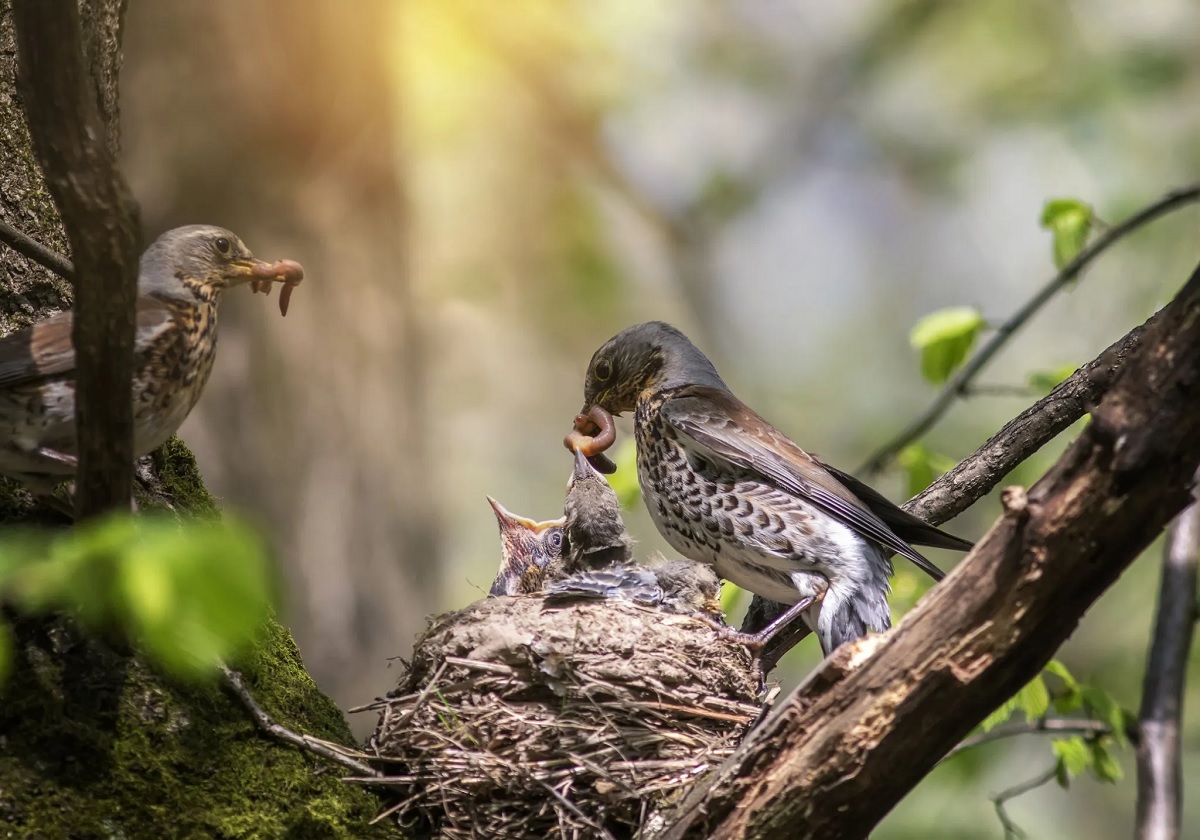
Understanding how often do birds have babies is a fascinating glimpse into the natural rhythms of avian life. Birds, with their diverse species and habitats, have varied breeding cycles that depend on factors like environment, climate, and food availability. For some birds, having babies once a year is typical, while others may breed multiple times during a season. The question of how often do birds have babies isn’t just about frequency—it also touches on survival strategies and adaptation.
For instance, some species lay eggs continuously when conditions are ideal, while others invest heavily in fewer offspring to increase survival chances. Exploring this topic sheds light on bird behavior, reproductive biology, and their role in ecosystems. Whether you’re a bird enthusiast or simply curious about nature, learning about the timing and frequency of bird reproduction reveals much about these remarkable creatures and their life cycles.
Bird Reproduction Basics
When it comes to bird reproduction, there’s a wide range of strategies and timing across species. Some birds are prolific breeders, while others may reproduce just once a year. Understanding the basics of how birds reproduce—including their mating seasons and reproduction cycles—can offer a clearer picture of their complex and fascinating behaviors.
Bird Mating Seasons
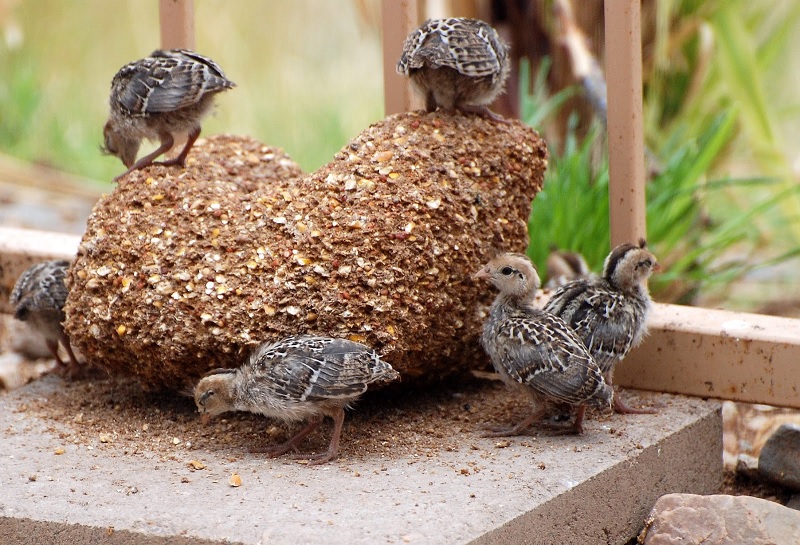
Most birds breed during specific times of the year, known as their mating season. In temperate climates, this typically falls in the spring and early summer, when food is abundant and the weather is mild—creating ideal conditions for raising young. In tropical regions, where food sources may be more stable year-round, mating can occur during rainy seasons or whenever environmental conditions are favorable.
For many species, courtship rituals begin well before mating. These rituals may include singing, dancing, offering food, or building nests to attract a mate. Once paired, many birds form monogamous bonds, at least for the season, to raise their young together.
Some species are opportunistic breeders, meaning they can breed multiple times a year if the conditions are right. This adaptability allows them to take advantage of favorable weather, food supplies, and safe nesting areas.
Types of Bird Reproduction Cycles
Bird reproduction cycles vary greatly depending on species, location, and environment. Broadly, these can be divided into a few categories:
1. Seasonal Breeders:
Most birds fall into this category. They breed once or twice during a specific season each year. Robins, sparrows, and bluebirds are common examples, often raising one to three broods between spring and late summer.
2. Opportunistic Breeders:
These birds reproduce whenever resources like food and water are abundant. Species such as pigeons and doves can breed year-round in favorable conditions, especially in urban areas where food is consistently available.
3. Continuous Breeders:
Rare among birds, continuous breeders can mate and lay eggs throughout the year. This is more common in tropical species where seasonal changes are minimal.
4. Long-cycle Breeders:
Some birds, like albatrosses or eagles, have long reproduction cycles, sometimes taking more than a year between mating and raising a chick. These birds typically invest significant time and energy into a single offspring.
By understanding the timing and types of bird reproduction cycles, we gain insight into how birds adapt to their environments and ensure the survival of their species. Each approach, whether frequent or infrequent, is tailored to the challenges and opportunities of their specific habitat.
Factors Influencing Bird Breeding Frequency
While some birds breed once a year and others raise multiple broods, the frequency at which birds reproduce isn’t random—it’s shaped by a variety of biological and environmental factors. Understanding what drives these differences can help explain why breeding patterns vary so widely between species and even within the same region.

Species Differences
The most significant factor influencing how often birds breed is their species. Some birds, like pigeons and house sparrows, are known for their high reproductive rates and can nest multiple times a year. Others, such as bald eagles or albatrosses, may only breed once a year—or even every other year—due to the long developmental time needed for their chicks and the greater energy investment per offspring.
Smaller birds tend to mature faster and breed more frequently, while larger birds often have longer reproductive cycles. These biological traits are hardwired into each species and determine their overall breeding strategy.
Climate and Environmental Conditions
Weather and seasonal changes play a major role in breeding frequency. In temperate regions, most birds breed in spring and summer when temperatures are warm and food is plentiful. However, unexpected weather changes—like late frosts or droughts—can delay or shorten the breeding season.
In tropical and subtropical regions, where temperature is relatively stable, birds may rely on rainfall patterns instead. For example, many species time their breeding to coincide with rainy seasons, which trigger new plant growth and insect hatching.
Food Availability
Without enough food, raising chicks becomes nearly impossible. Food availability directly impacts whether birds attempt to breed and how often. If a bird senses that there’s not enough food to sustain itself and its chicks, it may delay breeding or skip the season altogether.
Conversely, if conditions are ideal and food is abundant, some birds may produce multiple broods in a single season. This is common in backyard birds that have consistent access to bird feeders, as well as in agricultural areas with reliable grain or insect populations.
Predation and Safety
Predation risk is another crucial factor. Birds in areas with high predator activity—like snakes, raccoons, or birds of prey—may limit their breeding attempts to reduce the chance of losing offspring. Some may even relocate to safer nesting areas between broods.
Safety also includes the availability of secure nesting sites. If nesting spots are limited or unsafe due to human disturbance or habitat loss, birds may be forced to delay or reduce their breeding frequency.
Typical Breeding Frequencies by Bird Types
Bird species vary widely in how often they reproduce, with some raising multiple broods per year and others only nesting once every few years. These differences often relate to their size, habitat, diet, and overall reproductive strategy. Let’s explore the typical breeding frequencies of four major bird groups: songbirds, waterfowl, raptors, and seabirds.
Songbirds
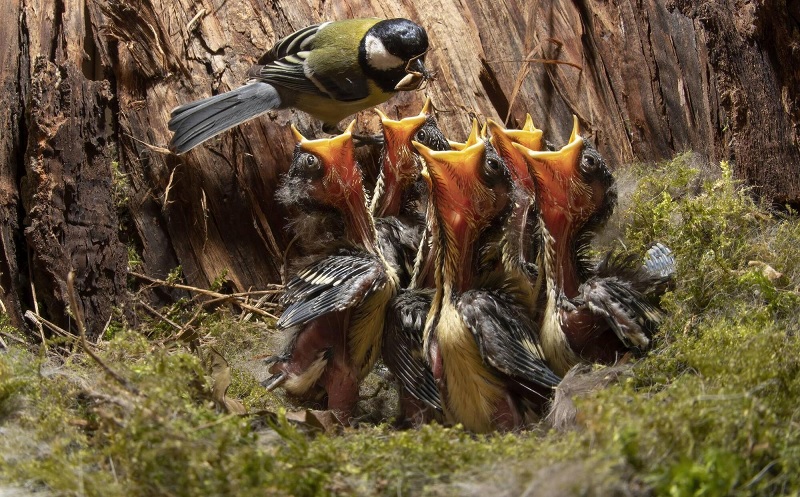
Songbirds, such as robins, finches, and sparrows, are among the most frequent breeders in the bird world. Most songbirds are small, mature quickly, and live relatively short lives, so their reproductive strategy is centered around producing several broods in a single season.
In temperate regions, it’s common for songbirds to breed two to three times per year, especially if the weather and food conditions remain favorable. A typical nesting cycle—from building a nest to chicks fledging—can last just a few weeks, allowing time for multiple attempts.
Waterfowl
Waterfowl, including ducks, geese, and swans, tend to have a more moderate breeding frequency. Most species breed once per year, usually in spring or early summer. Unlike songbirds, waterfowl often lay large clutches of eggs—sometimes up to a dozen or more—which helps balance their lower breeding frequency.
The chicks of waterfowl are precocial, meaning they hatch fully feathered and mobile, requiring less direct care than songbird nestlings. This allows the parents to focus on protecting rather than feeding their young, though the investment in each brood is still significant.
Raptors
Raptors, such as hawks, eagles, and owls, are typically single-brood breeders, raising one set of chicks per year. These birds of prey have longer developmental periods and invest heavily in raising just a few offspring at a time. Their young take weeks to fledge and often rely on parents for food well after leaving the nest.
Larger raptors, like bald eagles or golden eagles, may breed only every one to two years, especially if food resources are scarce or nesting fails. Their reproductive strategy focuses on quality over quantity.
Seabirds
Seabirds, including gulls, terns, and albatrosses, also tend to have low breeding frequencies. Many seabirds nest in colonies and face unique challenges like long-distance foraging and harsh coastal environments. While species like gulls may breed annually, others—such as albatrosses—may reproduce only once every two years, investing heavily in a single chick.
Their long lifespans and high parental investment allow them to afford such slow reproduction cycles, relying on survival over time rather than rapid breeding.
Nesting and Incubation Periods
Once birds mate, the next critical stage in the breeding process involves nesting, laying eggs, and caring for their young. These stages vary greatly depending on species, habitat, and environmental factors. By understanding the typical patterns of egg laying, incubation, and chick rearing, we get a clearer picture of how birds ensure the survival of their offspring.
Egg Laying Frequency
Birds usually lay one egg per day until the full clutch is complete, though the total number of eggs varies widely by species. For example, a robin might lay three to five eggs per clutch, while ducks can lay up to a dozen. Most birds won’t begin full incubation until the last egg is laid, which helps ensure all chicks hatch around the same time.
The frequency of egg laying is influenced by species, age, and environment. Some birds may produce multiple clutches per year if conditions are favorable, while others, especially larger species or those in harsher environments, may only lay eggs once per season.
Incubation Duration
Incubation is the process of keeping the eggs warm until they hatch, and the duration can vary significantly by species. For most small songbirds, incubation typically lasts 10 to 14 days. In contrast, larger birds like geese, hawks, or owls may incubate their eggs for 28 to 35 days.
Incubation is usually performed by one or both parents, depending on the species. During this time, maintaining a consistent temperature and protecting the eggs from predators is critical. Many birds develop a brood patch—a featherless area on the belly—to efficiently transfer body heat to the eggs.
Chick Rearing Time
Once hatched, chicks require significant care, and chick rearing time also varies widely. Altricial species, like most songbirds, hatch blind and featherless, relying entirely on their parents for warmth and food. These chicks typically fledge (leave the nest) within two to three weeks after hatching but may continue receiving care for several more weeks.
Precocial species—such as ducks and shorebirds—are more developed at hatching and can leave the nest within hours. However, they still rely on their parents for protection and guidance for several weeks to months, depending on the species.
The length and intensity of the nesting and rearing process highlight the parental investment required in bird reproduction. Each stage, from laying to fledging, is a finely tuned process that ensures the next generation has the best chance of survival.
Multiple Broods and Clutch Size
Birds have developed a wide range of breeding strategies to adapt to their environments. Two key aspects of these strategies are how many times they breed each year—known as brooding frequency—and how many eggs they lay in each attempt, referred to as clutch size. These factors play a crucial role in determining a species’ reproductive success and population growth.
Single vs. Multiple Broods per Year
Some birds are single-brood breeders, meaning they raise only one set of offspring per year. This is common among larger birds like raptors, herons, and many seabirds. These species tend to invest heavily in each chick, spending months feeding and protecting them before they can survive on their own. For them, quality outweighs quantity.
In contrast, many smaller birds, especially songbirds such as robins, wrens, and sparrows, are capable of multiple broods per year. In favorable conditions—such as warm weather, low predation risk, and abundant food—these birds may raise two to four broods in a single breeding season. Each brood is typically raised in a separate nest, and some species will begin building a new nest while still feeding their previous chicks.
Birds that breed multiple times a year are generally more flexible and responsive to environmental conditions. However, raising several broods requires a significant energy investment and can increase exposure to predators and environmental risks.
Average Clutch Size
Clutch size refers to the number of eggs a bird lays per nesting attempt, and it varies significantly by species, age, and habitat. Most songbirds lay between 3 to 6 eggs per clutch, while ground-nesting birds like ducks or pheasants may lay up to 12 or more. On the other hand, birds like eagles or albatrosses may lay just one or two eggs per year.
Clutch size can also fluctuate based on food availability and the parent bird’s condition. For example, a well-fed bird may lay more eggs, while a stressed or malnourished one may produce fewer. Some species also adjust clutch size based on the time of season—earlier broods may be larger than later ones.
Signs That Birds Are Ready to Breed
Before birds begin breeding, they often display noticeable behavioral and physical changes. One of the most common signs is increased singing or vocalizations, especially among males trying to attract a mate. You may also observe courtship behaviors such as feeding, dancing, or aerial displays. Nest-building activity is another strong indicator—birds start gathering twigs, leaves, or other materials to prepare a nesting site.
Some species also become more territorial, defending chosen nesting areas from rivals. Brightened plumage, especially in males, can signal peak breeding condition. These signs usually occur in early spring or just before the breeding season, reflecting the birds’ readiness to mate and raise young.
Impact of Human Activity on Bird Breeding Patterns
Human activity has a significant impact on bird breeding patterns, often disrupting natural cycles. Urbanization, deforestation, and agricultural expansion can destroy or fragment nesting habitats, forcing birds to relocate or abandon breeding attempts. Light and noise pollution in cities can confuse mating signals and alter the timing of breeding seasons.
Additionally, pesticide use reduces insect populations, limiting essential food sources for many bird species during nesting. Climate change, driven by human actions, is also shifting the availability of resources, leading some birds to breed earlier or skip breeding altogether. These disruptions can lead to lower reproductive success and long-term population declines.
Frequently Asked Questions
How Often Do Birds Have Babies in a Year?
The number of times a bird has babies each year depends on the species, environment, and food availability. Many small birds, like robins or sparrows, can have two to four broods during the breeding season, especially if the weather is warm and food is plentiful. Larger birds, such as eagles or herons, typically have only one brood per year due to the extended care their chicks require. In tropical areas, some birds may breed year-round if conditions remain stable.
Can Birds Lay Eggs More Than Once a Season?
Yes, many birds can lay eggs more than once in a season. This is especially true for songbirds and other small species that have short incubation and chick-rearing periods. If the first brood is successful and resources remain available, they may start a second or even third clutch. However, if a nest is lost to predators or weather, some birds will attempt to re-nest as a replacement.
What Time of Year Do Birds Usually Have Babies?
Most birds have babies during the spring and early summer months. This timing ensures that chicks are born when food sources like insects, seeds, and fruits are abundant. In colder climates, breeding is typically limited to late spring and early summer. However, in warmer or tropical regions, birds may begin nesting earlier and can sometimes breed throughout the year if conditions remain favorable.
Do All Bird Species Have the Same Breeding Frequency?
No, breeding frequency varies widely among bird species. Smaller birds usually breed more frequently due to shorter life spans and quicker development times. Larger birds tend to have fewer babies because their young take longer to grow and require more parental care. Some seabirds and raptors may only breed once every one or two years, while urban birds like pigeons can breed almost year-round.
What Affects How Often a Bird Has Babies?
Several factors affect how often a bird has babies, including species type, climate, food supply, habitat safety, and predator presence. Birds are more likely to reproduce frequently when food is abundant and nesting areas are secure. Harsh weather, habitat destruction, or high predation risks can cause birds to skip a season or reduce the number of broods they attempt. Climate change and urban development have also started to influence breeding patterns in many bird populations.
Conclusion
Understanding how often birds have babies offers a deeper appreciation for their adaptability and survival strategies. While some species may only breed once a year, others take advantage of favorable conditions to raise multiple broods. Factors like species type, climate, food availability, and safety all influence breeding frequency. From tiny songbirds to powerful raptors, each bird follows a unique reproductive rhythm suited to its environment.
As human activity and climate changes continue to shape ecosystems, bird breeding patterns may shift in response. By learning more about these patterns, you can better support bird populations—whether through habitat preservation, responsible bird feeding, or simply observing and appreciating their natural cycles in your own backyard.