
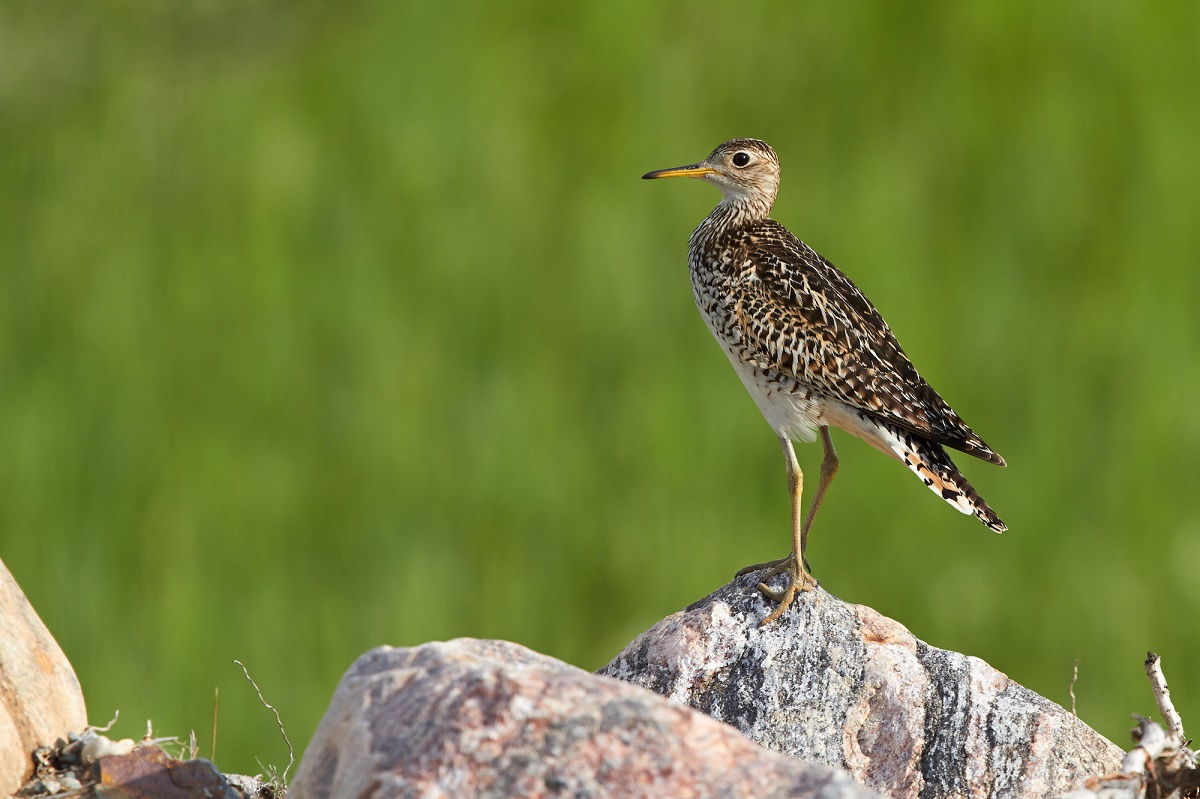
If you’ve ever been curious about how to bird whistle, you’re not alone. Bird whistling is a fascinating skill that lets you mimic the natural calls of birds, creating beautiful sounds and connecting you with nature in a unique way. Whether you want to attract birds to your garden, impress friends with your whistling skills, or simply enjoy the calming sounds of nature, learning how to bird whistle can be both fun and rewarding.
It doesn’t require any fancy equipment—just a bit of practice and patience. In this guide, we’ll walk you through simple techniques to get started with bird whistling, help you understand the basics, and offer tips to improve your sound. By the end, you’ll be able to whistle like the birds and maybe even create your own little symphony outdoors. So, if you’re ready to discover how to bird whistle and add a new melody to your day, let’s dive in!
Introduction to Bird Whistling
Bird whistling is a charming and accessible way to connect with nature through sound. It involves imitating the calls and songs of birds using your mouth, lips, or even simple tools. This skill has been enjoyed for centuries by bird enthusiasts, hunters, and anyone fascinated by the natural world. If you’re new to this art, learning the basics can open up a whole new way to appreciate and interact with your environment.
What Is Bird Whistling?
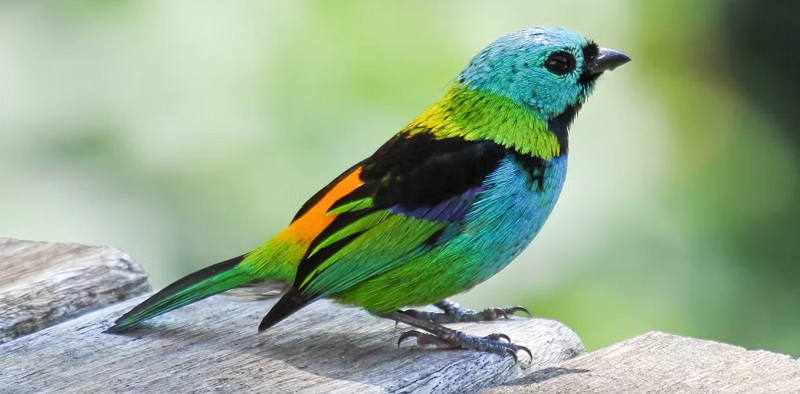
At its core, bird whistling is the act of producing sounds that closely resemble the chirps, tweets, and melodies of birds. Unlike regular whistling, bird whistling often involves mimicking specific bird calls, which can vary greatly depending on the species you want to imitate. Some people use their fingers to shape the whistle, while others practice simple lip or tongue positions to create authentic bird-like sounds. There are even specialized bird whistles—small devices designed to produce precise calls.
Bird whistling isn’t just about making noise; it’s about learning to listen and reproduce natural sounds with accuracy. It takes practice, patience, and a good ear for pitch and rhythm. When done well, it can be surprisingly convincing and enjoyable both for you and for the birds themselves.
Benefits of Learning to Bird Whistle
Learning how to bird whistle offers several enjoyable benefits. First, it enhances your connection with nature. By imitating birds, you engage more deeply with your surroundings and develop a better understanding of bird behavior and communication. This can make birdwatching more interactive and exciting.
Second, bird whistling can be a relaxing and mindful activity. The focus required to mimic bird calls encourages you to slow down, listen carefully, and enjoy the present moment. It can be a great stress reliever and a way to find calm in a busy day.
Additionally, bird whistling can be a social skill. Whether you’re sharing your sounds with friends or participating in birdwatching groups, it can serve as a fun conversation starter and a way to bond with others who appreciate wildlife.
Lastly, some people use bird whistling practically—to attract birds to a particular spot, whether for photography, observation, or hunting. When birds hear familiar calls, they may be more likely to come closer, providing a rare opportunity to observe them up close.
Basics of Bird Whistling
Getting started with bird whistling is easier than you might think, but it helps to understand a few foundational elements before diving in. The basics involve learning to recognize and reproduce different bird calls, as well as deciding whether to use your own mouth or simple tools to create those sounds. Mastering these fundamentals will set you on the path to sounding like a natural.
Understanding Different Bird Calls
Birds communicate with a wide variety of sounds—chirps, trills, whistles, and songs—that serve different purposes like attracting mates, marking territory, or warning of danger. To whistle like a bird, it’s important to listen carefully to these distinct calls and learn to mimic them as accurately as possible.
Some bird calls are short and sharp, like the quick “chip” of a sparrow. Others are longer and more musical, like the melodious whistles of a thrush or a robin. Each bird species has its unique sound pattern and rhythm, and the key to successful bird whistling is to capture those nuances.
Begin by focusing on a few simple calls from common local birds. Try recording their sounds or finding examples online. Then, practice reproducing these calls by paying attention to pitch (high or low), duration (short or long), and repetition. Over time, your ear will become sharper, making it easier to imitate more complex calls.
Tools Needed for Bird Whistling (If Any)
One of the great things about bird whistling is that you don’t necessarily need any special equipment to start. Many people rely entirely on their mouth, lips, and tongue to produce bird-like sounds. Basic mouth whistling techniques can be adapted to imitate a wide range of bird calls once you get comfortable.
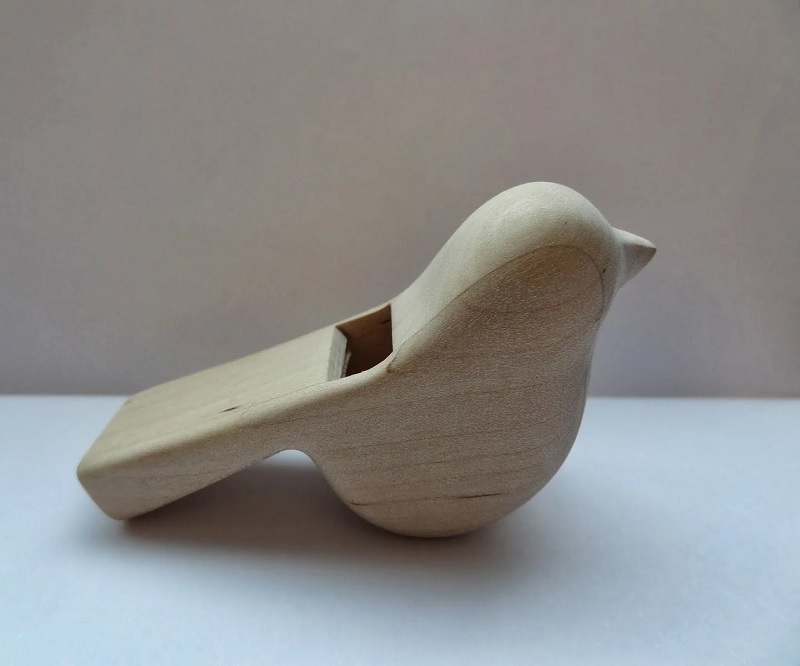
However, there are also simple tools designed to help you whistle like a bird. Bird call whistles, for instance, are small handheld devices with a specific shape that produces bird sounds when blown into. These whistles are particularly helpful if you’re aiming to replicate the calls of certain species with precision or if you’re just starting and want some extra help.
Some enthusiasts also use finger techniques—placing fingers in or around the mouth—to create sharper, louder whistles that carry further. These methods can take some practice but allow for a wider variety of sounds.
Techniques for Bird Whistling
Mastering bird whistling takes practice and attention to detail, but with the right techniques, anyone can learn to create clear, authentic bird-like sounds. Whether you prefer to whistle using just your lips or want to try finger whistling or a specialized whistle instrument, understanding these techniques will help you produce a variety of bird calls with ease and confidence.

Whistling with Your Lips
Whistling with your lips is the most natural and accessible method. It relies solely on shaping your mouth and controlling your breath, making it a perfect starting point for beginners.
Lip Positioning
Proper lip positioning is crucial to produce a clean whistle. Start by puckering your lips as if you’re going to give a soft kiss, but keep them slightly relaxed. The opening between your lips should be small and firm enough to allow a focused stream of air to pass through.
Experiment with the size of the opening—too wide, and the sound will be breathy; too tight, and no air will escape. The ideal position is a narrow slit that directs air over your tongue and out of your lips, creating a whistling tone.
Tongue Placement
Your tongue plays an important role in shaping the sound. Place the tip of your tongue just behind your bottom front teeth or slightly lower in the mouth. The tongue helps direct the airflow and can influence pitch and tone.
Try varying the position of your tongue: moving it closer to or farther from your lips changes the whistle’s pitch. For higher-pitched bird calls, raise the middle of your tongue to narrow the airflow, and for lower pitches, flatten the tongue to allow more air to pass.
With some practice, combining precise lip shaping and tongue placement will enable you to whistle clear, controlled bird sounds.
Whistling with Your Fingers
Finger whistling allows you to produce louder and sharper whistles, which can carry farther outdoors—ideal for bird calling in nature.
Finger Positions
To whistle with fingers, begin by washing your hands for hygiene. The most common method is the “two-finger whistle,” where you use your index and middle fingers together or your thumb and index finger.
Place the tips of your chosen fingers inside your mouth, resting lightly against your tongue or lower teeth. Your lips should then fold over your fingers, creating a tight seal around them. Blow air forcefully through the small opening between your lips and fingers.
Adjust the finger placement and lip tension to find the sweet spot where a clear whistle emerges. It might take some trial and error, but once you find it, finger whistling produces a strong, piercing sound often used in outdoor activities.
How to Control Pitch and Volume
Controlling pitch and volume is essential for mimicking different bird calls and creating a realistic soundscape. To adjust pitch, focus on changing the size of the opening between your lips and the position of your tongue. A smaller lip opening combined with a higher tongue position will raise the pitch, producing a higher, sharper whistle. Conversely, widening the lip opening and flattening the tongue lowers the pitch, resulting in a deeper, softer tone. Experimenting with these subtle adjustments while practicing various bird calls will help you find the right sound for each species you want to imitate.
When it comes to volume control, the key factor is the force of your breath. Blowing gently creates soft, subtle whistles that can mimic quieter bird sounds or calls meant for close-range communication. On the other hand, blowing with more force produces louder whistles that carry over greater distances, which is especially useful for attracting birds or calling their attention outdoors. Varying your breath intensity allows you to match the natural dynamics of bird calls, switching between gentle and strong whistles depending on the situation.
Using a Whistle Instrument (Optional)
For those who want to explore bird whistling without relying solely on their mouth, specialized whistle instruments are available. These small devices are designed to imitate specific bird calls with minimal effort.
Bird call whistles often have a simple design: you blow into one end, and the whistle produces a sound similar to a particular bird species. Some whistles are adjustable, allowing you to change the pitch or tone by covering holes or twisting parts of the instrument.
Using a whistle instrument is especially helpful for beginners or when trying to attract birds during birdwatching or photography sessions. However, combining these tools with natural mouth whistling skills gives you the most flexibility and enjoyment.
Step-by-Step Guide to Bird Whistling
Learning to bird whistle can be a fun and rewarding experience if you follow a clear, step-by-step approach. By preparing your mouth and breath, practicing basic sounds, and then moving on to mimic specific bird calls, you’ll gradually develop the skill to create realistic bird whistles. Here’s a simple guide to get you started.
Preparing Your Mouth and Breath
Before attempting any bird whistles, it’s important to prepare your mouth and breath control. Start by relaxing your lips and face muscles. Tension can make whistling difficult or cause strained sounds. Take a few deep breaths to calm yourself and focus on steady airflow.
Practice blowing air gently through a small opening between your lips, like blowing out a candle but with a narrower opening. This helps you control the breath pressure, which is essential for producing clear whistles. Once comfortable, experiment with slightly puckering your lips and adjusting your tongue position, as these small changes affect the tone and pitch.
Practicing Basic Bird Sounds
Begin with simple, basic bird sounds that use straightforward whistling techniques. Try producing short, sharp whistles similar to the chirp of a sparrow or the simple “tweet” of a finch. Keep these sounds brief and clear.
Focus on controlling the length and rhythm of each whistle, practicing consistency. Use your breath to vary volume and pitch gently, and try repeating the sound several times in a row to build muscle memory.
Mimicking Specific Bird Calls
Once you’re comfortable with basic sounds, move on to mimicking specific bird calls. Choose a bird species you’re familiar with or one that has distinctive calls, such as a robin, blue jay, or cardinal.
Listen closely to recordings or observe the birds in your area. Pay attention to the pitch, timing, and rhythm of their calls. Break down the call into smaller parts, and try to replicate each part slowly before putting it all together. This method helps you capture the nuances of the bird’s song more accurately.
Common Bird Calls to Practice
Start practicing with common and easily recognizable bird calls. Some examples include the chirp of a chickadee, the whistle of a meadowlark, or the trill of a wren. These calls are often simple, repetitive, and ideal for beginners.
Familiarizing yourself with a few common calls builds confidence and improves your listening skills, which are crucial for more advanced bird whistling.
Tips for Accuracy
To improve accuracy, practice regularly and record yourself to compare with real bird calls. Slow down difficult calls and focus on mastering each component.
Use a mirror to watch your lip and tongue movements, ensuring your positioning matches effective whistling techniques. Be patient—bird whistling is a skill that develops gradually with consistent effort and careful listening.
Advanced Bird Whistling Tips
Once you’ve mastered the basics of bird whistling, it’s time to elevate your skills with some advanced techniques. These tips will help you create more complex and realistic bird sounds, adapt to various environments, and avoid common pitfalls that can hold you back.
Combining Calls for Bird Conversations
One of the most impressive skills in bird whistling is the ability to combine different calls to mimic a bird “conversation.” Birds often communicate through sequences of varied sounds—chirps, whistles, trills, and pauses—that carry specific meanings. By learning how to string these calls together naturally, you can create the illusion of an actual bird interacting nearby.
Start by practicing short sequences of two or three calls from the same species. Pay attention to the timing between calls, as the rhythm often reflects real bird behavior. Gradually increase the length and complexity of your sequences. This technique not only improves your whistling but also helps you better understand bird communication patterns.
Using Bird Whistling in Different Environments
Adapting your bird whistling to different environments can significantly impact how well your calls carry and how birds respond. In open fields or parks, louder, sharper whistles tend to travel farther, so use stronger breath and finger whistling if needed. In dense forests or shrubby areas, softer, more subtle calls work better, as loud sounds might startle birds or bounce off trees confusingly.
Consider environmental factors like wind, humidity, and background noise. For example, on windy days, you might need to whistle louder or change the pitch to overcome the wind’s interference. Early mornings or late afternoons, when birds are most active, are ideal times to practice and use your bird whistling skills.
Avoiding Common Mistakes
Even experienced bird whistlers can fall into common traps that reduce the effectiveness of their calls. One frequent mistake is rushing through the whistle sequences. Birds often use deliberate pauses between calls, so avoid whistling too quickly or without breaks.
Another mistake is not listening carefully enough. To truly mimic bird calls, you must train your ear to catch subtle differences in pitch, tone, and rhythm. Regularly listen to real bird recordings and compare your whistle to improve accuracy.
Lastly, be patient with yourself. Bird whistling is a skill that takes time to develop. Don’t get discouraged if your whistles don’t sound perfect right away—consistent practice and mindful listening will get you there.
Caring for Your Voice and Equipment
Just like any skill that relies on your body and tools, bird whistling requires proper care and maintenance. Taking care of your voice and your whistle instruments will ensure you can enjoy whistling for years to come while avoiding strain or damage.
Vocal Warm-ups
Your voice and mouth muscles play a central role in bird whistling, so warming up properly before practice or performance is essential. Just as singers do vocal warm-ups to prepare their vocal cords, you can prepare your lips, tongue, and breath control to avoid fatigue or injury.
Start with gentle lip trills—buzzing your lips together softly—to increase blood flow to the area. Follow this with simple humming or light whistling exercises, gradually increasing intensity and duration. This helps loosen your muscles and improves breath control.
Regular warm-ups also help maintain flexibility and prevent tension, which can cause discomfort or reduce your whistling quality. If you feel any strain or soreness while practicing, take a break and do some relaxing stretches for your face and neck.
Cleaning and Maintaining Whistles
If you use a whistle instrument for bird calls, keeping it clean and well-maintained is key to preserving sound quality and longevity. After each use, wipe down your whistle with a clean, dry cloth to remove moisture and debris.
Periodically, clean the inside of the whistle using a small brush or pipe cleaner, especially if you notice a change in sound or airflow. For wooden whistles, avoid soaking in water, as this can cause warping or damage; instead, use a slightly damp cloth and dry immediately.
Store your whistles in a protective case or pouch to prevent dust buildup and accidental damage. Avoid exposing your instruments to extreme temperatures or direct sunlight, which can degrade materials over time.
Taking these simple steps will ensure your whistle sounds clear and performs well whenever you need it.
Frequently Asked Questions
How Do I Start Learning To Bird Whistle?
To start learning how to bird whistle, focus first on mastering basic lip whistling techniques. Begin by relaxing your lips and blowing air gently through a small, puckered opening. Practice controlling your breath and tongue placement, as these affect the pitch and clarity of your whistle. Listening carefully to real bird calls and trying to mimic simple sounds like chirps or tweets is also crucial. Start slow, repeat often, and gradually increase the complexity of the calls you imitate. Consistent practice will improve your ear and muscle control, helping you produce more accurate bird whistles over time.
What Are The Best Techniques For Bird Whistling?
The best techniques for bird whistling include using your lips, tongue, and sometimes fingers to shape the sound. Lip whistling involves puckering your lips and controlling airflow with your tongue to change pitch. Finger whistling can produce louder, sharper calls, which are useful outdoors. Adjusting your breath strength controls volume, while slight changes in lip opening and tongue position affect pitch. Additionally, you can use specialized bird call whistles for specific bird sounds. Experiment with different methods to find what works best for the bird calls you want to mimic.
Can Anyone Learn To Bird Whistle?
Yes, anyone can learn to bird whistle with patience and practice. It doesn’t require special equipment or advanced skills—just the ability to control your breath and mouth muscles. Some people pick it up quickly, while others may need more time to develop the right technique. Your ear for pitch and rhythm improves as you listen to bird calls regularly. With dedication, you’ll be able to reproduce a variety of bird sounds and even create complex call sequences. So don’t get discouraged if it feels tricky at first—keep practicing!
How Can I Improve The Accuracy Of My Bird Whistles?
Improving the accuracy of your bird whistles requires focused listening and practice. Use recordings of bird calls to compare your whistle and identify differences in pitch, tone, and rhythm. Break down complicated calls into smaller parts and practice each segment slowly. Recording yourself can also help you hear what needs adjustment. Pay close attention to your lip shape, tongue placement, and breath control, as subtle changes make a big difference. Regular practice, patience, and mimicking a variety of species will sharpen your accuracy over time.
Do I Need Special Equipment To Bird Whistle?
You don’t need special equipment to bird whistle, as many bird calls can be mimicked using just your mouth, lips, and tongue. However, some birders use small bird call whistles or finger techniques to produce louder or more precise sounds. These tools can be especially helpful for attracting specific bird species or when you want your calls to carry farther outdoors. If you’re a beginner, it’s best to start without equipment and focus on developing your natural whistling skills before trying whistles or other devices.
When Is The Best Time And Place To Practice Bird Whistling?
The best time to practice bird whistling is during early morning or late afternoon when birds are most active and responsive to calls. These times allow you to hear real bird songs clearly, making it easier to mimic them accurately. Practicing outdoors in natural environments like parks, gardens, or forests helps you get feedback from actual birds. Quiet places with minimal background noise are ideal so you can focus on your whistles and hear the subtle details of bird calls. Practicing regularly in these conditions will improve both your skill and confidence.
Conclusion
Mastering how to bird whistle is a rewarding skill that deepens your connection with nature and enhances your outdoor experiences. By starting with basic lip whistling, practicing different bird calls, and gradually exploring advanced techniques, you’ll be able to mimic a variety of bird sounds with confidence. Remember to care for your voice and any whistle tools you use to ensure longevity and effectiveness.
Whether you’re whistling to attract birds, enjoy their melodies, or simply have fun, consistent practice and patience are key. With time, your bird whistles will become clearer, more accurate, and more enjoyable—turning your surroundings into a lively, natural concert. So, take a deep breath, listen closely, and let your bird whistling journey begin!