
Catching wild birds requires a careful understanding of their behavior, environment, and legal protections. When exploring how to catch wild birds, it’s important to recognize that this task is not just about technique—it also involves patience, ethical responsibility, and respect for wildlife laws. Whether you’re a bird researcher, rehabilitator, or simply curious about bird handling, your approach should always prioritize the safety of both the bird and yourself.
Wild birds are naturally alert and sensitive to changes in their surroundings, making them difficult to catch without causing stress or harm. In many places, catching birds without a permit is illegal, especially for protected species. That’s why planning, using safe and humane methods, and understanding your reasons are essential. Learning the proper ways to observe and, when necessary, capture birds can help you engage with nature in a meaningful and responsible way.
Reasons for Catching Wild Birds
Catching wild birds may seem unusual to some, but there are legitimate and thoughtful reasons why this practice takes place. Whether driven by science, conservation, or welfare, each reason involves specific goals and procedures.
Wildlife Research and Conservation Efforts
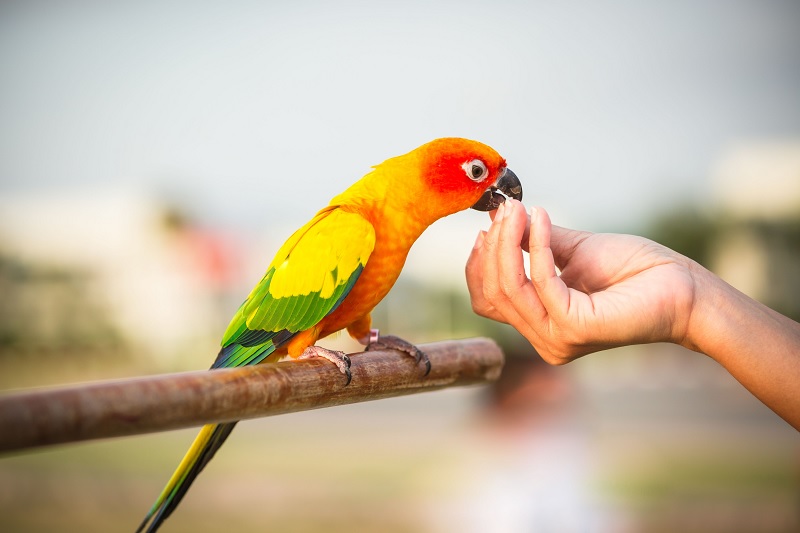
Researchers often catch wild birds for scientific studies, such as tracking migration patterns, population counts, or examining health and diet. Banding or tagging birds helps conservationists monitor species over time, which can lead to better habitat management and protection strategies. These efforts are crucial in understanding how environmental changes affect bird populations globally.
Rehabilitation and Medical Treatment
Sometimes, catching a wild bird is necessary because the bird is injured or sick. Wildlife rehabilitators and veterinarians carefully capture birds to provide them with care and treatment. Once they recover, many are released back into the wild, contributing to the preservation of bird populations.
Educational and Awareness Programs
In controlled settings, birds may be caught to be temporarily displayed in educational programs that teach the public about different species, their behaviors, and the importance of conservation. This helps foster awareness and appreciation for birds, especially in communities with limited access to wildlife.
Legal and Ethical Considerations
Before attempting to catch a wild bird, it’s important to understand the legal and ethical boundaries that protect these creatures. Many countries have strict laws and regulations to prevent the misuse and harm of wild bird populations.
Laws Protecting Wild Birds
In many regions, including the United States, the Migratory Bird Treaty Act and similar laws in other countries make it illegal to catch, kill, or possess wild birds without a permit. These laws are designed to protect both common and endangered species from unnecessary harm. Violating these regulations can lead to heavy fines or even imprisonment. Always check with local wildlife authorities or environmental agencies before taking any action involving wild birds.
Ethical Responsibilities Toward Wildlife
Even when it’s legal, ethical responsibility plays a major role. Catching wild birds purely for personal curiosity, entertainment, or without a valid reason is widely discouraged. Birds are sensitive, intelligent creatures that can experience stress, injury, or even death when mishandled. Respecting their freedom and natural behavior is essential.
The Importance of Permits and Supervision
In cases where catching a bird is necessary for scientific, medical, or conservation purposes, proper permits must be obtained. These often come with guidelines and sometimes require professional supervision. This ensures that the process is done safely, legally, and ethically.
Tools and Equipment You’ll Need
Catching wild birds requires a thoughtful approach and the right tools to ensure safety for both the handler and the bird. Whether for research, rehabilitation, or rescue, having proper equipment makes the process more humane and efficient.

Bird Traps and Nets
Mist nets are among the most commonly used tools for safely capturing birds. These fine, nearly invisible nets are stretched between poles and work well for small to medium-sized birds. Funnel traps and clap traps are also effective for specific species and situations. All traps should be checked frequently to avoid stress or injury to the bird.
Gloves and Protective Gear
Sturdy gloves are essential, especially when dealing with larger or more aggressive birds. Birds may peck, claw, or panic when caught, and gloves help protect your hands while allowing you to maintain a gentle grip. Wearing long sleeves and eye protection is also advisable in some situations.
Holding and Transport Containers
Once captured, birds should be placed in well-ventilated and darkened containers, such as pet carriers or specialized bird boxes. Darkness helps calm them down and reduces the chances of injury during transport. Soft cloth linings can prevent damage to feathers and provide comfort.
Identification and Safety Tools
Binoculars and field guides are useful for identifying the species from a distance before approaching. A headlamp or flashlight with a red filter is helpful during early morning or evening captures when birds are less active. It’s also wise to carry a first-aid kit suited for both human and bird emergencies.
Safe Methods to Catch Wild Birds
Catching wild birds safely requires a balance of precision, patience, and respect for the animal. Using humane and approved techniques ensures minimal stress and injury to the bird while also keeping the handler safe.
Using Mist Nets with Supervision
Mist nets are widely used by ornithologists and bird researchers. These fine mesh nets are nearly invisible and are typically set up between trees or poles. Birds fly into them and gently fall into a pocket where they can be carefully removed by trained handlers. These nets should never be left unattended, as trapped birds can become entangled or injured without timely assistance.
Manual Capture in Enclosed Spaces
When a bird is trapped indoors or in a confined space, manual capture may be necessary. Using a lightweight towel or small net can help trap the bird gently. The goal is to avoid sudden movements and approach slowly, reducing panic. Covering the bird quickly calms it, making it easier to secure without harm.
Baited Traps for Ground-Feeding Birds
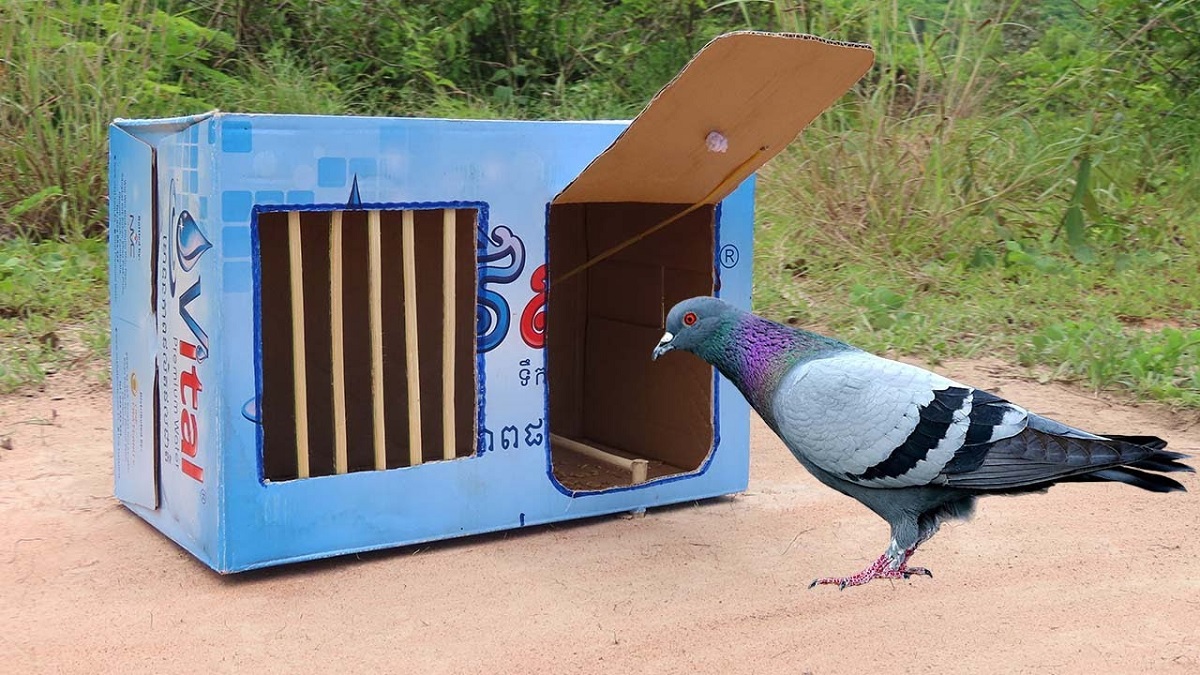
For ground-feeding species like doves or pigeons, baited funnel traps or cage traps can be effective. Placing seeds or grains inside the trap lures the bird in, and once inside, a mechanism prevents escape. These traps should be monitored closely and used for short periods to reduce stress.
What to Do After Capturing the Bird
Once a wild bird is captured, handling it properly is essential for its safety and your own. Post-capture care plays a major role in reducing stress and avoiding injury or long-term harm to the bird. Whether your goal is rescue, research, or relocation, following a calm and informed process is key.
Handle the Bird Gently and Securely
After capture, hold the bird securely but gently. Use both hands, with one supporting the body and the other lightly restraining the wings. Avoid squeezing or applying too much pressure, especially around the chest, as this can restrict breathing. Wrapping the bird in a soft cloth or towel helps keep it calm and reduces flapping.
Assess the Bird’s Condition
Take a moment to observe the bird’s physical state. Look for signs of visible injury, labored breathing, or unresponsiveness. If the bird appears to be in distress or is injured, contact a licensed wildlife rehabilitator or veterinarian immediately. It’s important not to attempt to treat injuries on your own without proper training.
Provide a Temporary Holding Environment
Place the bird in a well-ventilated box or pet carrier lined with a towel or soft material. Keep the environment quiet, dark, and away from human traffic, pets, or loud noises. Darkness helps the bird stay calm and reduces shock. Avoid feeding or giving water unless instructed by a professional.
Decide the Next Step Based on Purpose
Your next move depends on why the bird was caught. For injured birds, professional care is the next step. For relocation, find a safe habitat similar to where the bird was found. For scientific study, ensure data is collected swiftly and the bird is released promptly.
Risks and Mistakes to Avoid
Catching wild birds may seem straightforward, but it comes with several risks—for both you and the bird. Many well-intentioned people make mistakes that can cause harm or legal trouble. Understanding what to avoid is just as important as knowing what to do.
Injuring the Bird During Capture
One of the most common mistakes is using too much force or inappropriate tools, which can lead to broken wings, legs, or internal injuries. Birds are fragile, especially smaller species. Avoid grabbing with bare hands without proper support or chasing birds until exhaustion. Such actions not only harm the bird physically but also increase its stress levels.
Violating Wildlife Protection Laws
In many regions, catching wild birds without a permit is illegal. Migratory birds and native species are often protected under national and international laws. Failing to research these legal boundaries can result in heavy fines or criminal charges. Always check local regulations and consult wildlife authorities before taking action.
Using Harmful Traps or Bait
Another major risk is using unsafe traps or toxic bait. Sticky traps, nets with rough mesh, or chemicals can injure or poison birds. Even food that seems harmless may upset their digestive systems. Ethical tools, such as humane bird nets or padded traps, are a safer alternative.
Improper Handling After Capture
Some individuals forget that capturing a bird is just the first step. Rough handling, overcrowded containers, or noisy environments can lead to trauma or death. Birds need a calm, dark space and minimal contact until they are released or transferred for care.
Alternatives to Catching Wild Birds
Capturing wild birds isn’t always the best or most responsible choice. There are more humane and effective alternatives that allow you to observe or support birds without putting them or yourself at risk. Understanding these options can help you make better decisions for wildlife and the environment.
Observing Birds in Their Natural Habitat
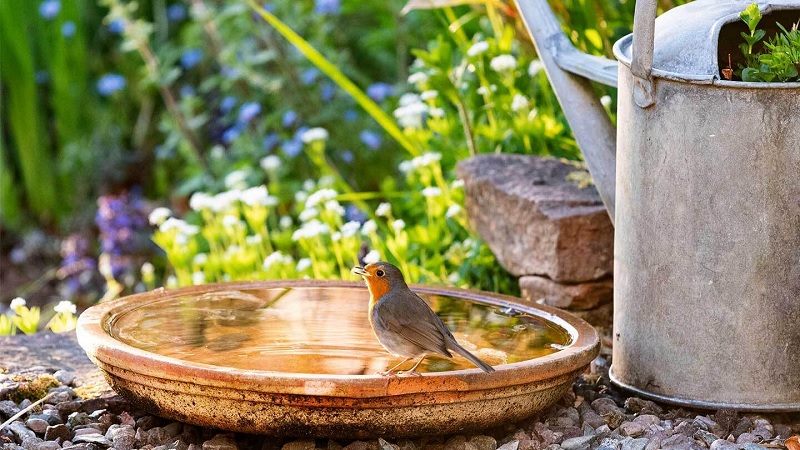
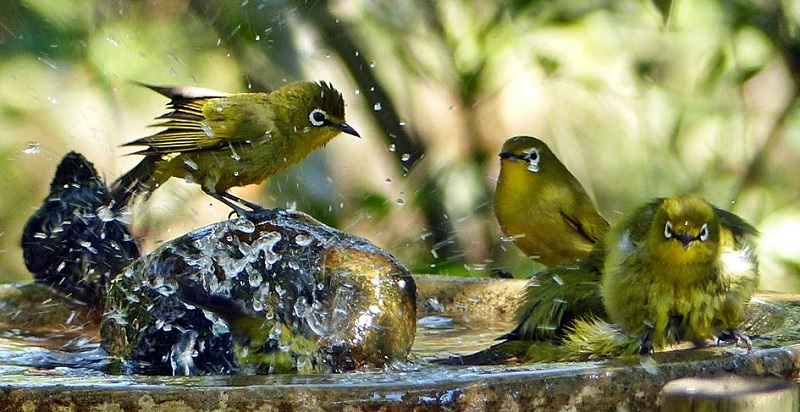
Instead of capturing birds, consider birdwatching. Using binoculars and a camera, you can admire their behavior, song, and beauty from a distance. Setting up a birdwatching station in your backyard with feeders, nesting boxes, and water sources lets you attract different species without disrupting their lives.
Supporting Injured or Nesting Birds Through Rescue Centers
If your goal is to help a hurt or vulnerable bird, the best alternative is contacting a licensed wildlife rehabilitator. These professionals are trained to handle, care for, and release birds safely. Attempting rescue on your own can unintentionally harm the bird or violate legal protections.
Creating Bird-Friendly Environments
Enhancing your garden or property with native plants, shrubs, and trees creates a welcoming habitat for birds. This approach supports their survival and migration naturally, helping bird populations grow while giving you the joy of their presence without ever needing to catch them.
Frequently Asked Questions
Is It Legal to Catch Wild Birds?
Catching wild birds is often illegal without proper permits. Many bird species are protected under national and international wildlife laws, including the Migratory Bird Treaty Act. You should always check local regulations before attempting to capture any bird. Unauthorized capture can result in heavy fines and legal consequences.
Why Would Someone Want to Catch a Wild Bird?
People may want to catch wild birds for scientific research, rehabilitation, rescue, or relocation. In rare cases, cultural or traditional practices may also involve birds. However, most reasons require legal approval and proper knowledge. Catching birds purely for sport or as pets is generally discouraged and often unlawful.
What Tools Are Safe to Use When Catching a Bird?
Safe tools include bird nets, padded traps, or specialized boxes designed for minimal harm. Gloves, transport cages, and soft cloths can also help handle the bird gently. Using the wrong tools or handling birds roughly can lead to injuries or stress for the animal.
Can You Catch a Wild Bird Without Harming It?
Yes, but it requires care, patience, and the right equipment. Always approach the bird slowly and avoid loud noises. Use soft, humane traps and handle the bird gently with both hands to avoid injury. If unsure, it’s better to contact a wildlife expert or rehabilitator.
What Should You Do Immediately After Capturing a Wild Bird?
Once captured, place the bird in a quiet, ventilated box or cage lined with soft material. Keep it away from loud noises, pets, and direct sunlight. Avoid handling it too much and contact a professional rehabilitator as soon as possible for proper care or release instructions.
What Risks Come With Catching Wild Birds?
Risks include injury to the bird, personal harm (scratches, bites, or disease), and legal consequences. Birds can also become highly stressed, which affects their health. Without experience, you might do more harm than good. It’s best to consult professionals before taking action.
Are There Humane Alternatives to Catching Wild Birds?
Yes, you can help birds by setting up feeding stations, bird baths, or nesting boxes in your yard. Birdwatching, photography, and contributing to conservation efforts are also excellent ways to engage with wild birds respectfully and safely, without capturing them.
Final Words
Catching wild birds is a task that requires knowledge, patience, and a strong sense of responsibility. Prioritizing the safety and well-being of the bird is essential, along with understanding and following local laws and ethical guidelines. Using the right tools and techniques, combined with gentle handling, minimizes stress and injury to the bird.
However, it’s important to remember that catching wild birds is not always necessary and should only be done for valid reasons like research, rehabilitation, or rescue. Whenever possible, consider humane alternatives that allow you to appreciate and support birds without capturing them. By approaching this process thoughtfully and respectfully, you help protect these incredible creatures and contribute to their conservation for future generations.