
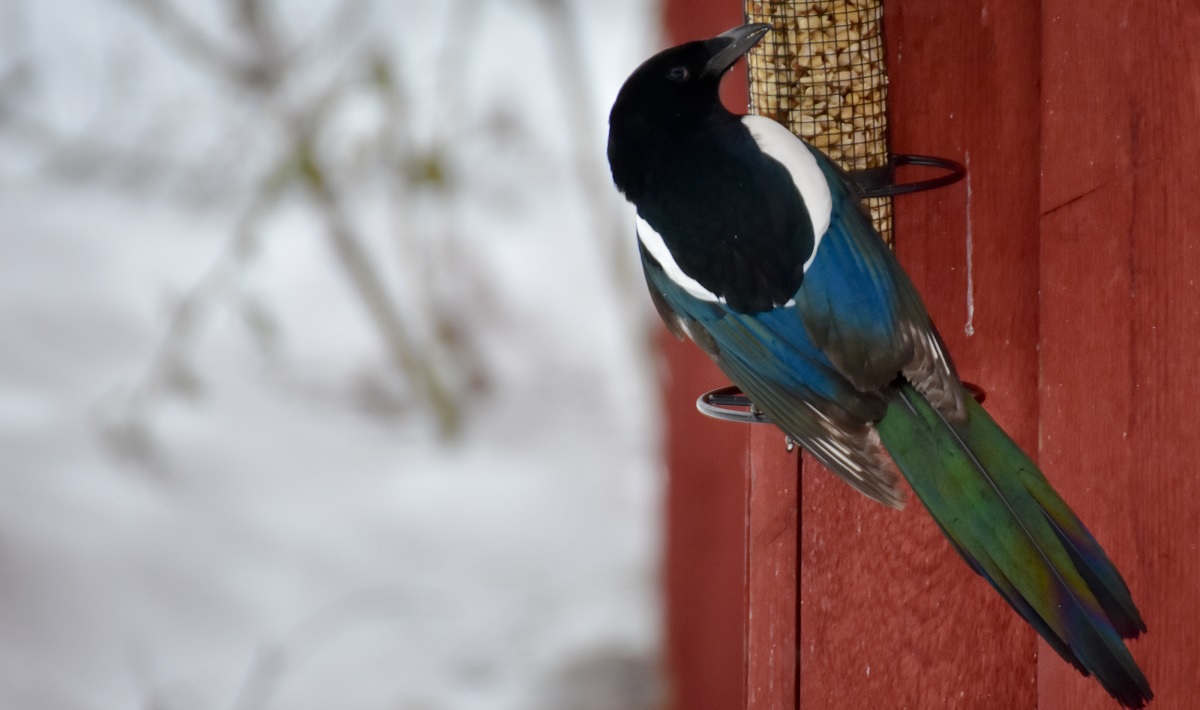
If you’re an avid bird feeder enthusiast, you’ve probably faced the challenge of big birds taking over your feeders. Knowing how to keep big birds away from feeders is essential if you want to give smaller, more delicate birds a chance to enjoy the food without intimidation. Large birds like crows, grackles, and pigeons can be aggressive and sometimes scare off the smaller species you’re hoping to attract. Not only do these big birds often consume most of the food, but they can also cause damage to feeders or create a mess.
Fortunately, there are practical and effective ways to manage their presence without harming them. In this guide, we’ll explore simple tips and strategies that can help you maintain a balanced bird-feeding environment, ensuring that all your feathered visitors get a fair share. Whether you’re a beginner or experienced feeder, understanding how to keep big birds away from feeders can make your backyard birdwatching more enjoyable.
Understanding the Problem
When it comes to feeding birds in your backyard, not all visitors are created equal. While many people enjoy watching a variety of birds, big birds can sometimes become a challenge. To effectively address the situation, it’s important to first understand why big birds visit feeders and what issues their presence can cause.
Why Big Birds Visit Feeders
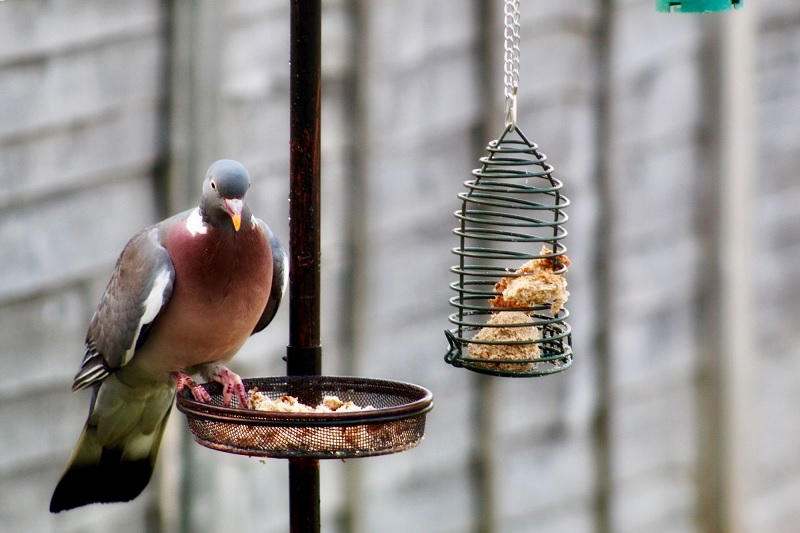
Big birds like crows, grackles, pigeons, and even some species of jays are attracted to feeders primarily because of the easy access to food. These birds are often opportunistic feeders, meaning they take advantage of readily available food sources rather than searching for natural ones. Feeders stocked with seeds, nuts, or suet provide an abundant and reliable meal, which can draw large flocks.
Another reason big birds frequent feeders is competition. These birds are typically more aggressive and dominant compared to smaller birds, allowing them to push others away and monopolize the food source. Their size and strength give them an advantage in crowded feeder areas, making it easy for them to outcompete smaller, less assertive species.
Additionally, big birds may be attracted to feeders during certain seasons, especially in colder months when natural food is scarce. Their presence often spikes when local food sources diminish, causing them to rely heavily on backyard feeders for survival.
Issues Caused by Big Birds
While it may seem harmless to have big birds around, their presence at feeders can lead to several problems. One major issue is that big birds can scare away smaller birds. The intimidating size and loud behavior of species like crows or grackles can cause more timid birds to avoid the feeder altogether. This defeats the purpose for many bird enthusiasts who want to attract a diverse range of species, especially smaller songbirds.
Big birds are also known for consuming a large portion of the food quickly, often leaving little behind for others. This means feeders need to be refilled more frequently, increasing both time and cost for the bird feeder owner.
Choosing the Right Feeder
One of the most effective ways to manage which birds visit your yard is by choosing the right type of feeder. Selecting feeders that naturally discourage big birds while welcoming smaller species can help create a balanced feeding environment. Along with the feeder type, where you place your feeders also plays a crucial role in keeping big birds away.
Types of Feeders That Deter Big Birds
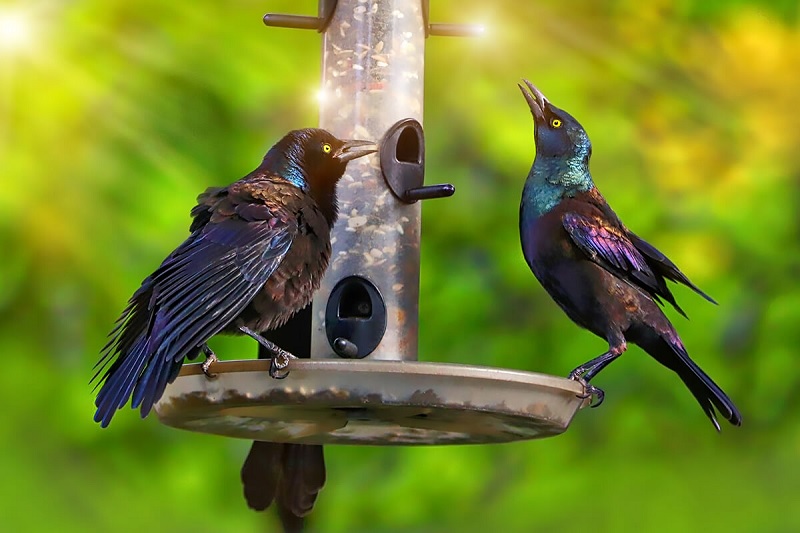
Not all feeders are built the same, and some are designed specifically to limit access by larger birds. Tube feeders with small perches or holes are excellent choices for attracting small songbirds while keeping bigger birds at bay. These feeders have narrow openings and short perches that make it difficult for large birds to land or reach the food inside.
Another great option is the weight-activated or “hopper” feeder, which has perches that close off access when a heavier bird lands. These feeders allow small birds to feed comfortably, but big birds are either locked out or find it difficult to stay on the feeder without triggering the mechanism.
Platform feeders, on the other hand, tend to attract all kinds of birds, including the larger, more aggressive species. If you want to discourage big birds, it’s best to avoid open platform feeders or modify them by adding baffles or barriers that restrict access.
Tube feeders with cage guards are also effective. The cage surrounds the feeder and blocks large birds from landing while letting smaller birds pass through the gaps. These feeders are especially helpful if you want to attract finches, chickadees, or nuthatches without inviting larger competitors.
Feeder Placement Tips
Where you put your feeder is just as important as the feeder type itself. Big birds are strong fliers and can access feeders from many angles, so strategic placement is key.
Try placing feeders away from large trees or structures that big birds use as perches to watch for food. If there’s a convenient landing spot nearby, bigger birds will take full advantage of it. Instead, hang feeders in more open spaces or use long, thin poles that make it harder for heavy birds to perch.
Consider using baffles on poles or hanging feeders. These dome- or cone-shaped barriers prevent large birds and squirrels from climbing up to the feeder. Also, keep feeders at least 10 feet away from windows or walls to reduce chances of big birds swooping in or hiding close by.
Height matters too. Placing feeders at a moderate height—around 5 to 6 feet off the ground—can deter ground-feeding birds like pigeons and make it easier to monitor who’s visiting your feeder.
By combining the right type of feeder with thoughtful placement, you’ll create a feeding station that welcomes smaller birds while discouraging bigger, more aggressive visitors. This approach helps maintain a peaceful and enjoyable birdwatching experience in your backyard.
Physical Barriers and Deterrents
When it comes to keeping big birds away from your feeders, physical barriers and deterrents can be a game-changer. These methods don’t harm the birds but instead limit their access or make the feeding area less appealing to larger, aggressive species. By incorporating cage guards, baffles, spinners, and netting, you can protect your feeders and encourage smaller birds to visit more comfortably.
Using Cage or Mesh Guards
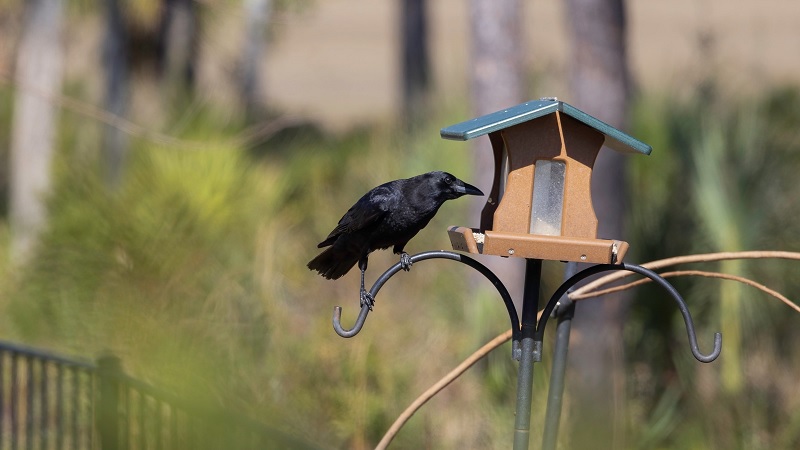
One of the most straightforward and effective ways to keep big birds away is by installing cage or mesh guards around your feeders. These guards act like a protective barrier, surrounding the feeder with a metal or plastic mesh that has openings large enough for small birds to enter but too small for bigger birds to squeeze through.
Cage guards are particularly useful for tube feeders or hopper feeders, allowing small songbirds like finches, chickadees, and nuthatches to feed safely. The sturdy mesh prevents larger birds like pigeons, grackles, or crows from landing directly on the feeder or accessing the food inside. They’re easy to install and maintain, making them a popular choice among bird lovers looking to control feeder visitors.
Installing Baffles and Spinners
Baffles and spinners are physical devices designed to block or scare away large birds. A baffle is typically a dome or cone-shaped barrier that you can attach to feeder poles or hang above feeders. Its smooth, slippery surface prevents big birds from climbing down the pole or perching near the feeder, effectively blocking their access.
Spinners are motion-activated or wind-driven deterrents that rotate or spin when birds approach. The sudden movement can startle big birds and discourage them from settling nearby. These can be placed near feeders or hanging from branches close to feeding areas.
Using baffles and spinners together can be especially effective. While baffles physically block large birds, spinners provide an extra layer of visual deterrence, keeping your feeders less appealing to unwanted visitors.
Netting and Coverings
In some cases, using bird netting or coverings over or around feeding areas can further reduce big bird access. Fine netting can be draped to create a tent-like enclosure, giving smaller birds safe entry points while excluding larger ones.
This method works well if you have multiple feeders or a concentrated feeding station where big birds tend to dominate. The netting should be secured properly to avoid tangling or trapping birds, and it requires regular checking to ensure it remains safe and effective.
Coverings such as mesh screens or slanted roofs over feeders can also discourage larger birds from landing, while still allowing smaller birds to feed comfortably.
By combining cage or mesh guards, baffles and spinners, and netting or coverings, you create a multi-layered defense system. These physical barriers and deterrents help maintain a peaceful, inclusive feeding environment, giving small birds the space and safety they need to thrive at your feeders.
Food and Feeding Strategies
Managing what and when you feed birds can be just as important as the feeders themselves when trying to keep big birds away. By choosing the right birdseed and controlling feeding times and quantities, you can encourage smaller birds to visit while making your feeders less attractive to larger, more aggressive species.
Selecting Birdseed That Attracts Smaller Birds
The type of birdseed you offer plays a significant role in which birds are attracted to your feeder. Big birds like pigeons, grackles, and crows tend to favor larger, messier seeds such as millet, cracked corn, and sunflower seeds with shells. By contrast, many smaller songbirds prefer cleaner, more refined seeds like nyjer (thistle), safflower, or hulled sunflower seeds.
Nyjer seed, for example, is a favorite among finches and small songbirds but is less appealing to bigger birds because of its tiny size and difficulty handling. Safflower seed is another excellent choice—it’s often ignored by blackbirds and grackles but loved by cardinals, chickadees, and grosbeaks. Offering these types of seeds can help shift the visitor mix in your backyard toward smaller birds.
Additionally, avoid mixing large quantities of mixed seed blends that include seeds preferred by big birds. Instead, opt for specialized seed types that cater specifically to small bird species. This selective feeding reduces food waste and discourages unwanted visitors who find the feeder less appetizing.
Limiting Food Quantity and Timing
Controlling how much food you provide and when you refill your feeders can also influence which birds show up. Large birds tend to take advantage of feeders that are always full, so limiting food quantities can help reduce their presence.
Try filling feeders with smaller amounts of seed several times a day rather than dumping a large quantity at once. This keeps the food fresher and less accessible to big birds that tend to dominate feeders when food is abundant.
Feeding during specific times, such as early morning and late afternoon, can also help. Big birds often scavenge throughout the day, so limiting feeding times may discourage their visits. Observing when smaller birds are most active and timing your feeding accordingly can make your feeder less attractive to larger species.
Another tip is to clean up spilled seed regularly. Large birds are excellent at scavenging dropped seed on the ground, so keeping the area tidy removes an easy food source and discourages big birds from hanging around.
By selecting birdseed that specifically appeals to smaller birds and controlling the quantity and timing of your feedings, you create an environment that favors the birds you want to attract. These food and feeding strategies are key components in keeping big birds away from your feeders while promoting a diverse and vibrant backyard bird community.
Behavioral Deterrents
In addition to physical barriers and food strategies, behavioral deterrents offer a dynamic way to keep big birds away from your feeders. These methods rely on disrupting or discouraging unwanted bird visitors by using visual and auditory stimuli. When used thoughtfully, behavioral deterrents can create an environment that feels unsafe or uninviting to large, aggressive birds without harming them.
Visual Deterrents (e.g., Decoys, Reflective Items)
Visual deterrents work by exploiting big birds’ natural wariness of unfamiliar or threatening objects. One popular approach is placing decoys of predatory birds like owls or hawks near feeders. These decoys can scare off large birds who perceive them as a threat, encouraging them to look elsewhere for food. For best results, move the decoys around every few days so birds don’t get used to them and lose their fear.
Reflective items are another effective visual deterrent. Hanging shiny objects such as old CDs, aluminum foil strips, or specially designed reflective tape near feeders can create sudden flashes of light and movement that unsettle big birds. The reflections mimic predator eye glints or unpredictable motion, making the area less attractive. Reflective deterrents are inexpensive and easy to install, making them a favorite among bird enthusiasts.
You can also use balloons with large eye patterns or shiny ribbons fluttering in the breeze to add visual disruption. The key is to keep these items moving, as stationary objects often lose effectiveness once birds become accustomed to them.
Noise Makers and Sound Devices
Noise makers and sound devices offer an auditory way to discourage big birds from dominating your feeders. These can range from simple manual noisemakers like wind chimes or bells to more sophisticated electronic devices that emit predator calls or distress signals.
Electronic sound devices programmed to play bird alarm calls or predator sounds at irregular intervals can create an environment that feels unsafe to large birds, encouraging them to stay away. Some devices also use ultrasonic frequencies to deter birds, although effectiveness varies depending on the species.
Wind chimes and bells add gentle noise that can surprise and startle big birds when they approach. This can discourage repeated visits without causing stress or harm. It’s important to note that constant noise might also disturb smaller birds, so balance is key.
When using noise deterrents, avoid loud or constant sounds that can cause stress to all birds and nearby neighbors. The goal is to create just enough disturbance to keep big birds wary without disrupting the peaceful enjoyment of your backyard birdwatching.
By combining visual and auditory deterrents, you can create a multi-sensory barrier that makes your feeders less appealing to large, aggressive birds. Behavioral deterrents, used thoughtfully and rotated regularly, help maintain a welcoming space for smaller birds and enhance your overall bird feeding experience.
Maintenance and Monitoring
Keeping your bird feeding setup effective in deterring big birds requires ongoing maintenance and careful observation. Regular cleaning and inspection ensure that your feeders stay in good shape and continue to function as intended. Meanwhile, monitoring bird behavior allows you to adjust your strategies to meet changing challenges and keep your feeding area balanced and inviting.
Regular Cleaning and Inspection
One of the most important but often overlooked tasks is cleaning your feeders regularly. Big birds can contribute to mess and droppings around feeders, which not only looks untidy but can also spread disease among visiting birds. Cleaning your feeders every two weeks, or more frequently during wet or busy seasons, helps maintain a healthy environment for all birds.
Inspect feeders for damage as well. Large birds, especially those with strong beaks or heavy bodies, can break perches, crack plastic, or bend metal parts. Damaged feeders may become easier for big birds to access or lose their effectiveness in keeping them out. Repair or replace parts promptly to keep feeders functioning properly.
Additionally, check for seed buildup or mold inside feeders, which can deter smaller birds and attract unwanted pests. Clearing spilled seed from underneath feeders is equally important since big birds often scavenge from the ground. Maintaining cleanliness reduces food waste and discourages persistent large birds from hanging around.
Adjusting Strategies Based on Bird Behavior
Bird populations and behaviors can change with seasons, weather, and local conditions. What works well one month may need tweaking the next. Regularly watching how birds interact with your feeders will give you valuable clues about whether your deterrent strategies are working.
If you notice big birds returning or dominating despite your efforts, consider changing up your tactics. For example, move feeders to a different location, swap out seed types, or try new physical barriers like different cage guards or baffles. You can also rotate visual and sound deterrents to keep birds from getting accustomed to any single method.
Pay attention to how smaller birds respond as well. If they seem frightened or avoid your feeders, it might be a sign that your deterrents are too harsh or intrusive. The goal is to find a balance where small birds feel safe and welcomed, while large birds are discouraged.
By combining consistent maintenance with flexible monitoring and adjustments, you create a sustainable feeding environment. This approach helps keep your feeders in top condition, protects your bird visitors, and ensures a rewarding backyard birdwatching experience for years to come.
Alternative Feeding Solutions
Sometimes, the best way to keep big birds away from your main feeders is to give them their own space. Alternative feeding solutions allow you to cater to all the birds in your yard without letting large, aggressive species take over the feeders meant for smaller birds. By creating separate feeding areas and using ground feeders designed for bigger birds, you can promote harmony among your feathered visitors.
Creating Separate Feeding Areas for Big Birds
Designating a separate feeding station specifically for big birds can reduce competition and aggression at your smaller bird feeders. Place this area away from your main feeders to minimize overlap and territorial disputes. Big birds like pigeons, grackles, and crows are highly adaptable and will readily take advantage of a dedicated feeding spot with food suited to their preferences.
This separate area can include platform feeders or larger trays that accommodate big birds comfortably. Providing food that appeals to them—such as cracked corn, sunflower seeds with shells, or even kitchen scraps—helps keep them satisfied and less likely to raid feeders intended for small birds.
Positioning this feeding area near trees or shrubs offers shelter and a natural setting that big birds prefer, making it more attractive and keeping them occupied. By meeting the needs of these larger birds separately, you create a more peaceful environment where smaller birds can feed without intimidation.
Using Ground Feeders for Larger Birds
Ground feeders are an excellent option for attracting larger birds while keeping them away from elevated feeders designed for smaller species. These feeders are typically flat trays or shallow dishes placed directly on the ground or on low stands.
Big birds often prefer feeding on the ground because it allows them easy access and space to gather. Offering cracked corn, millet, or larger seeds on ground feeders appeals to their natural habits. Meanwhile, smaller birds, which generally feed in trees or from hanging feeders, won’t compete as much for these resources.
To maintain cleanliness, place ground feeders on hard surfaces like patios or gravel, and clean them regularly to prevent mold or bacteria buildup. Also, consider adding some natural cover nearby—like low bushes or ornamental grasses—to provide big birds a safe spot to feed without feeling overly exposed.
Using ground feeders in combination with dedicated feeding stations allows you to cater to a wider variety of bird species while minimizing conflict. These alternative feeding solutions give big birds their own space, helping smaller birds feel safe and encouraging a more diverse and enjoyable birdwatching experience.
By thoughtfully setting up separate feeding areas and ground feeders, you can manage your backyard bird community more effectively, ensuring everyone gets their share without unnecessary competition or stress.
Frequently Asked Questions
How Can I Keep Big Birds From Scaring Smaller Birds Away?
You can keep big birds from intimidating smaller birds by using feeders designed specifically for small birds. Tube feeders with small perches and narrow feeding ports limit access to larger birds. Adding physical barriers like cage guards or baffles also helps block big birds from landing. Additionally, placing feeders away from large trees or structures where big birds perch reduces their chances of hanging around. Combining these tactics creates a safer, more inviting space for smaller birds to feed without fear.
What Types Of Birdseed Should I Use To Deter Large Birds?
To discourage large birds, select seeds that smaller birds prefer but bigger birds tend to avoid. Nyjer (thistle) seed is a great choice because it’s tiny and difficult for big birds to handle, attracting finches and other small songbirds. Safflower seed is another excellent option, as many large birds like grackles and pigeons don’t enjoy it, while cardinals and chickadees do. Avoid mixed seed blends with large quantities of millet or cracked corn, which attract bigger birds.
Are There Effective Physical Barriers To Keep Big Birds Away?
Yes, physical barriers are highly effective. Cage or mesh guards surrounding feeders block large birds but allow smaller birds access. Baffles installed on feeder poles prevent big birds and squirrels from climbing up. You can also use spinners or reflective deterrents near feeders to create movement and light flashes that discourage big birds. These physical solutions work without harming birds and help protect your feeders from damage.
How Does Feeder Placement Affect Big Bird Visits?
Feeder placement plays a crucial role in controlling which birds visit. Big birds often use nearby trees, ledges, or rooftops as lookout spots before approaching feeders. Placing feeders away from these perches or hanging them in open spaces on long, thin poles can reduce big bird visits. Also, keep feeders at a moderate height—about 5 to 6 feet off the ground—to deter ground feeders like pigeons while still accommodating smaller birds.
Can Visual And Sound Deterrents Help Keep Large Birds Away?
Absolutely. Visual deterrents like decoys of predators (hawks or owls), shiny objects such as reflective tape, and moving spinners can scare big birds away. Sound deterrents include electronic devices that play predator calls or distress signals intermittently. However, it’s important to move or change these deterrents regularly, as birds can get used to them if they remain static. Use sound devices cautiously to avoid disturbing smaller birds or neighbors.
Is It Helpful To Create Separate Feeding Areas For Big Birds?
Creating separate feeding stations for big birds is a smart strategy. By providing a dedicated space with platform or ground feeders stocked with foods like cracked corn or sunflower seeds, you satisfy larger birds’ needs without letting them dominate your small bird feeders. Position these areas away from your main feeders and near natural cover to keep big birds content and reduce conflicts. This approach helps maintain a peaceful feeding environment for all your backyard visitors.
Conclusion
Keeping big birds away from your feeders doesn’t have to be a constant battle. By understanding why they visit and using a combination of smart feeder choices, strategic placement, physical barriers, and behavioral deterrents, you can create a welcoming space for smaller birds while discouraging larger, more aggressive species.
Remember to select birdseed that appeals to your desired visitors, maintain your feeders regularly, and adjust your methods based on what works best in your backyard. If needed, consider alternative feeding areas for big birds to keep everyone happy. With patience and the right approach, you’ll enjoy a balanced and vibrant birdwatching experience, filled with the sights and sounds of a variety of beautiful, smaller birds visiting your feeders.