
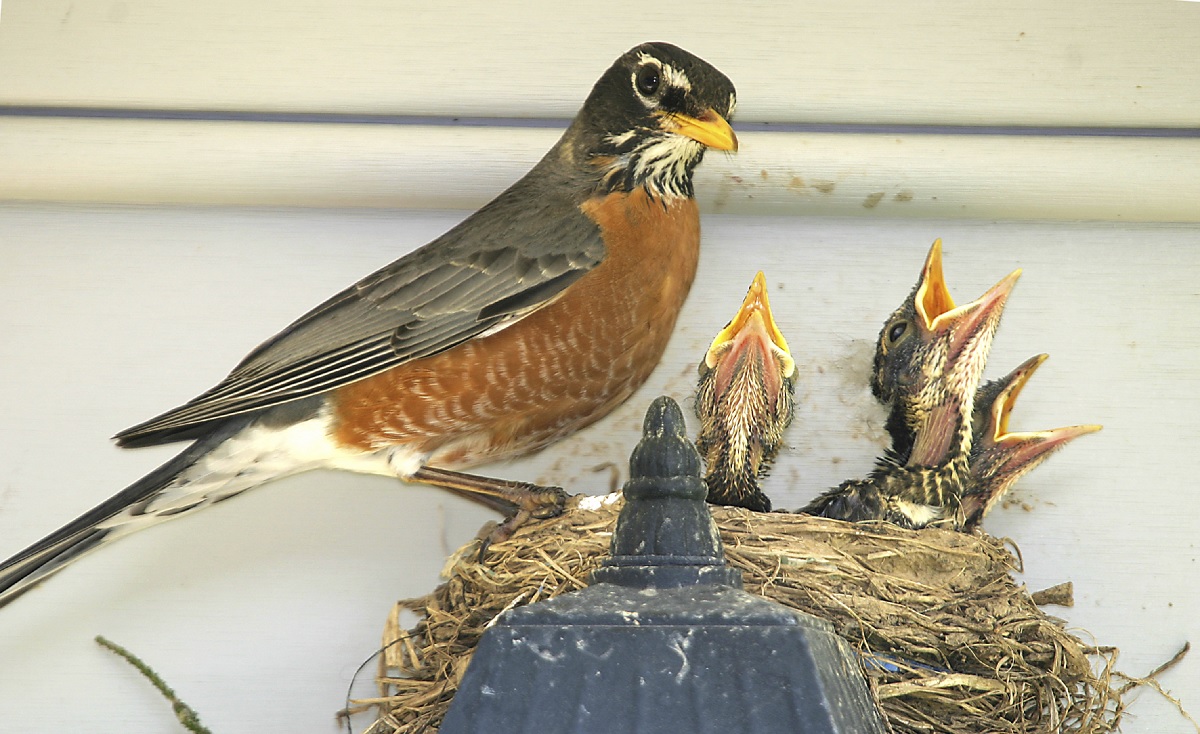
Birds nesting on window sills might seem charming at first, but it quickly turns into a frustrating mess. The droppings, noise, and nesting materials can damage your property, block drainage, and even pose health risks. If you’ve ever had to clean up after a determined pigeon or sparrow, you already know how important it is to find practical solutions. Knowing how to keep birds from building nests on window sills isn’t just about comfort—it’s about protecting your home and keeping things sanitary.
Many homeowners deal with this issue every spring, and without the right steps, the problem tends to return year after year. Whether you’re dealing with one persistent bird or an entire flock, it’s possible to prevent nesting humanely and effectively. In this guide, you’ll discover proven methods that actually work—solutions that are safe for birds but keep them away from your sills for good. Let’s break down what really helps and what doesn’t.
Why Birds Nest on Window Sills
Birds often nest on window sills because these spots offer shelter, safety from predators, and easy access to food. Urban species like pigeons, sparrows, and swallows are especially drawn to the flat, elevated surfaces sills provide. While convenient for birds, these nests can create problems such as noise, mess, and even health risks from droppings and parasites. Understanding why birds choose these areas is the first step toward keeping them away humanely and effectively.
Common Bird Species That Nest on Window Sills
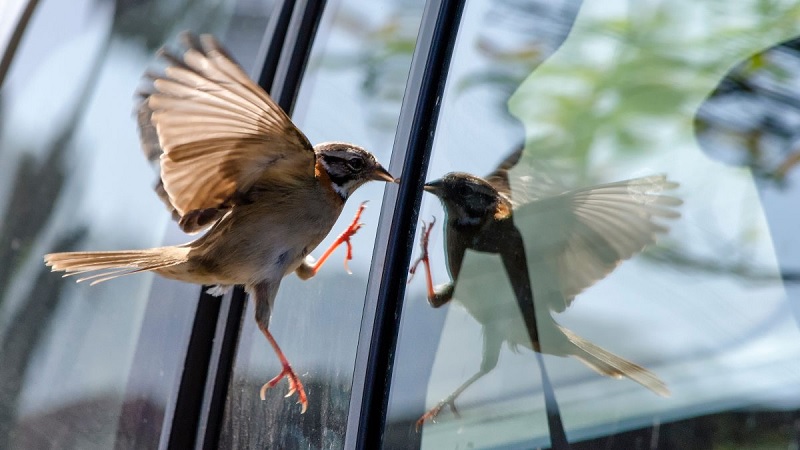
Window sills provide a surprisingly attractive spot for many birds to build their nests. They offer shelter from wind and predators while being close to food sources like insects, plants, and even human leftovers. Birds are resourceful and often seek places that are dry, slightly enclosed, and elevated—making window sills an ideal location, especially in urban or suburban areas.
Some of the most common species known for nesting on window sills include pigeons, house sparrows, swallows, and starlings. These birds have adapted well to human environments and are not shy about building nests near daily activity. Pigeons, for instance, often reuse the same nesting sites repeatedly, while sparrows are small enough to fit into tight corners and crevices. Swallows prefer ledges near open areas, and starlings can be aggressive about claiming nesting territory.
Risks and Inconveniences of Nesting Birds
While it might seem harmless at first, birds nesting on your window sill can quickly lead to several problems. One of the most immediate issues is the mess—bird droppings, feathers, and bits of nesting material often accumulate quickly, leaving your window ledge dirty and potentially damaging surfaces over time. Their droppings are not only unsightly but also acidic, which can corrode paint and metal if not cleaned regularly.
Noise is another concern. Nesting birds can be noisy during early morning hours, especially when chicks hatch and begin begging for food. The constant chirping and fluttering can disrupt sleep or concentration, especially if the nest is near a bedroom or home office window.
There are also health concerns to consider. Bird nests can harbor mites, bacteria, and even fungal spores, posing a potential risk to people with allergies or respiratory conditions. Some birds may even carry diseases that can be transmitted through droppings.
Beyond the health and cleanliness issues, nesting birds can damage screens, block drainage channels, or attract other pests like insects. Once a bird starts nesting, it often becomes protective and aggressive, making it difficult to remove the nest without causing harm or violating local wildlife laws.
Effective Ways to Prevent Nesting
Preventing birds from nesting on your window sills requires a mix of strategy, patience, and the right tools. While birds are persistent creatures, they usually avoid spaces that feel unsafe or uncomfortable. By combining a few humane techniques, you can protect your windows without harming the birds. Below are the most effective ways to prevent nesting, grouped by approach so you can choose what works best for your space and situation.
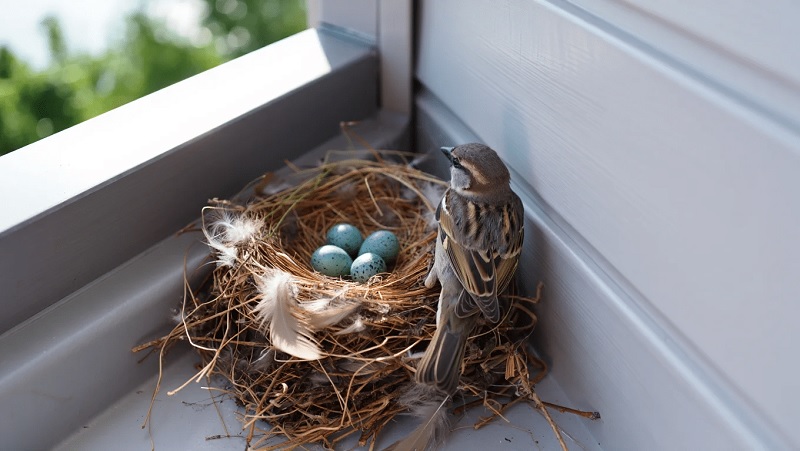
Install Physical Barriers
Creating physical obstacles is one of the most effective and long-lasting ways to prevent birds from settling on your window sills. These methods discourage birds by taking away the flat, safe surfaces they need to build a nest.
Bird Spikes
Bird spikes are among the most popular deterrents for good reason. They’re easy to install, cost-effective, and create an uneven surface that makes it uncomfortable for birds to land or stay. These spikes don’t harm birds—they simply prevent them from settling. Available in plastic or metal, bird spikes can be glued, screwed, or taped along the edge of the sill. They blend in well and require little to no maintenance once installed.
Netting
Bird netting is another barrier that physically blocks access to your window sill. It’s especially useful if you’re trying to protect a larger area or want to stop birds from flying into certain spots. The key to effective netting is proper installation—make sure it’s tightly secured and doesn’t sag, or birds may still try to squeeze through. Look for fine mesh so that smaller birds like sparrows can’t get past it.
Sloped Surfaces
Birds prefer flat, stable platforms to build their nests. Installing sloped covers or angled PVC panels on your window sills can discourage birds by making it difficult for them to land. These sloped deterrents can be made from plastic, sheet metal, or even acrylic and are usually set at a 45-degree angle. With no flat surface to support their nests, most birds will move on to a more suitable spot.
Use Visual Deterrents
Birds rely heavily on their vision to assess danger. Using visual deterrents is a smart and non-invasive way to scare them off. These options work best when moved or changed regularly to prevent birds from getting used to them.
Reflective Tape
Reflective tape, sometimes called scare tape, is a simple yet powerful tool for deterring birds. It flashes in the sunlight and moves with the wind, creating unpredictable reflections and sounds that make birds uneasy. Hang strips from window sills or around nearby railings for best results. Replace the tape every few months to maintain its effectiveness.
Predator Decoys
Placing decoy predators like owls, hawks, or snakes near your window can make birds think twice before nesting. These decoys should be moved around regularly, as birds may learn they’re not real if left in one place too long. Some decoys even come with motion or sound features to enhance the illusion. Just make sure the decoy doesn’t block your window or cause inconvenience.
Wind Chimes
Wind chimes serve a dual purpose—they decorate your space and act as a gentle bird deterrent. The combination of movement, sound, and reflections makes many birds uneasy, especially in quieter environments. Hang wind chimes close to the window sill, but make sure they don’t interfere with your window operation. Choose metal or mirrored chimes for a better visual deterrent effect.
Apply Natural Repellents
Natural repellents are a great choice for those who want to avoid harsh chemicals or unsightly tools. These substances make window sills unappealing to birds through smell or taste, without harming them.
Essential Oils
Certain essential oils are known to repel birds due to their strong, lingering scents. Peppermint oil and citronella oil are two of the most effective. To use, mix 10–15 drops of essential oil with water in a spray bottle and spray the mixture directly onto your window sill. Reapply every few days, especially after rain. You can also soak cotton balls in the oil and place them in discreet corners of the sill.
Vinegar Spray
White vinegar has a sharp smell that birds dislike. Mix equal parts vinegar and water in a spray bottle and apply it to the surface where birds tend to perch or build nests. Just like with essential oils, you’ll need to reapply it regularly. Be cautious with painted or sensitive surfaces—test a small spot first to avoid damage.
Modify the Environment
Birds are opportunists—they’ll choose spots that seem safe, undisturbed, and close to nesting materials. Making your window sills less appealing by changing the environment can go a long way in preventing nesting altogether.
Remove Nesting Materials
Birds tend to scout locations near where they find nesting materials like twigs, leaves, or bits of paper. Regularly clean your window sills and surrounding areas to remove any such debris. This signals to birds that the space isn’t suitable for nesting. If they start bringing materials, remove them immediately before they form a complete nest. Consistency is key—birds may try several times before giving up.
Close Gaps and Ledges
Tiny gaps, cracks, and ledges can encourage birds to start nesting or even roosting in small openings. Inspect your window frames, vents, and outer walls for potential entry points and seal them with caulk, mesh, or weatherproof sealant. You can also install ledge blockers—angled strips or filler materials that make narrow ledges unusable. Addressing these small architectural flaws not only deters birds but also improves your home’s energy efficiency.
What Not to Do
When trying to prevent birds from nesting on your window sills, it’s just as important to understand what not to do. While you might be tempted to take quick or aggressive actions, some methods can harm birds, violate laws, or even damage your property. Being aware of these risks ensures that your approach remains safe, humane, and responsible.
Legal and Ethical Considerations
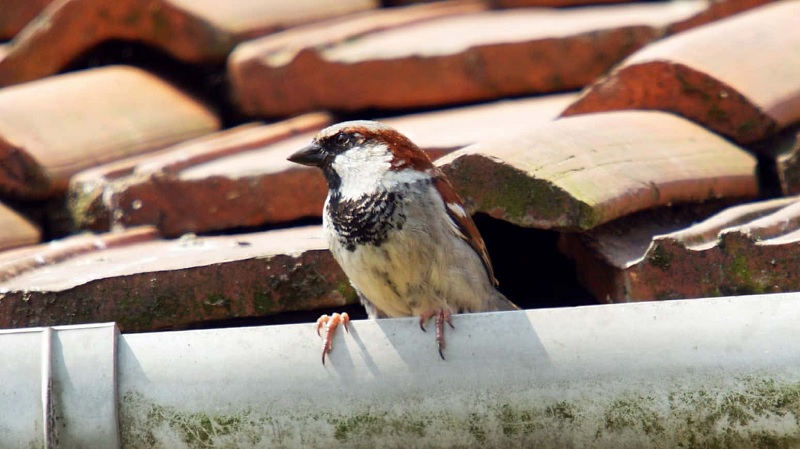
Many bird species are protected by local wildlife laws, including the Migratory Bird Treaty Act in several countries. This means that once a bird has laid eggs or established a nest, removing it could be illegal—even if it’s on your window sill. Disturbing, relocating, or destroying active nests can result in fines or penalties. It’s best to act early, before any nesting begins. If a nest is already in place, contact a local wildlife expert or animal control to guide your next steps legally.
Ethically, birds are simply trying to find a safe place to raise their young. While they can be inconvenient houseguests, they’re part of the ecosystem and help control insects and support biodiversity. Using humane deterrents not only complies with the law but shows respect for the wildlife that shares your space.
Avoid Harmful Chemicals
It’s never a good idea to use strong or toxic chemicals to deter birds. Products like bleach, ammonia, or chemical-laced sprays can harm birds, pets, and even people. These substances can seep into the environment, damage your home’s exterior, and pose serious health risks, especially if applied near windows or air vents. Even if a chemical repellent seems effective short-term, the potential for harm far outweighs the benefits.
There are also over-the-counter sprays marketed as bird deterrents that may contain ingredients harmful to the birds or surrounding plants. Always read the label carefully, and when in doubt, opt for natural or non-toxic alternatives like vinegar, citrus oil, or pepper-based sprays.
Another common mistake is using sticky gels or glue traps. While these may prevent birds from landing, they can cause serious injury or death if birds get stuck. In many areas, using such traps on birds is not only inhumane but also illegal.
When to Call a Professional
Sometimes, even with your best efforts, birds may continue to nest on your window sills or return repeatedly despite deterrents. When the situation becomes difficult to manage—such as a large number of birds, persistent nest building, or an active nest with eggs—it’s time to call a professional. Wildlife control experts understand bird behavior and local laws, ensuring that removal and prevention methods are both effective and legal.
They can also inspect your property for less obvious entry points or attractants you might have missed. If birds are causing property damage, noise disturbances, or health concerns, getting professional help can save time and prevent costly mistakes. It’s especially important to involve an expert when dealing with protected species, as improper removal could result in fines or unintentional harm. A professional can guide you toward long-term, humane solutions tailored to your specific environment.
Frequently Asked Questions
What Are The Most Effective Ways To Stop Birds From Nesting On Window Sills?
To stop birds from nesting on your window sills, focus on physical barriers and deterrents. Bird spikes, netting, and sloped covers work well to block flat surfaces where birds typically build nests. You can also use visual deterrents like reflective tape, predator decoys, and wind chimes to scare them away. Natural repellents such as peppermint oil or vinegar spray can make the area less appealing. Combining these methods helps discourage birds without causing harm.
Why Do Birds Keep Returning To The Same Window Sill?
Birds often return to the same spot if it feels safe and they’ve nested there successfully before. Window sills offer shelter, height, and easy access to food sources. If the location remains unchanged, birds will see it as a reliable nesting site. To stop them from coming back, clean the area thoroughly, remove nesting materials promptly, and install deterrents to break the cycle of return.
Is It Legal To Remove A Bird Nest From A Window Sill?
Removing a bird nest depends on whether the nest is active or abandoned and what laws apply in your area. In many regions, it’s illegal to disturb a nest with eggs or chicks due to wildlife protection laws. If the nest is active, you should not remove it yourself. Instead, contact a licensed wildlife professional. Only inactive or unfinished nests can usually be removed safely and legally.
Can Essential Oils Really Keep Birds Away From Window Sills?
Yes, certain essential oils can help repel birds naturally. Scents like peppermint, citronella, and eucalyptus are unpleasant to birds. Mix a few drops of essential oil with water and spray it directly on the window sill or soak cotton balls and place them nearby. Reapply regularly, especially after rain. While it may not work on every species, it’s a safe, non-toxic way to deter most birds from nesting.
What Should You Avoid When Trying To Deter Nesting Birds?
Avoid using harmful chemicals, sticky gels, or traps, as these can injure birds and may be illegal. Don’t remove active nests without checking local wildlife laws. Using harsh methods not only risks harming wildlife but can also result in fines. Instead, focus on safe deterrents like spikes, netting, and natural repellents. Taking a humane and legal approach ensures your solution is effective and responsible.
Conclusion
Keeping birds from building nests on window sills requires a smart and humane approach. By understanding why birds choose these spots and using a mix of physical barriers, visual deterrents, natural repellents, and environmental changes, you can effectively discourage nesting without causing harm. Acting early is key—once birds settle in, removal becomes more difficult and may even be restricted by law.
Always choose safe, long-term solutions that protect your home while respecting local wildlife. If the problem becomes unmanageable or involves protected species, don’t hesitate to call a professional. With the right strategy, you can maintain a clean, quiet, and bird-free window sill all year round.