
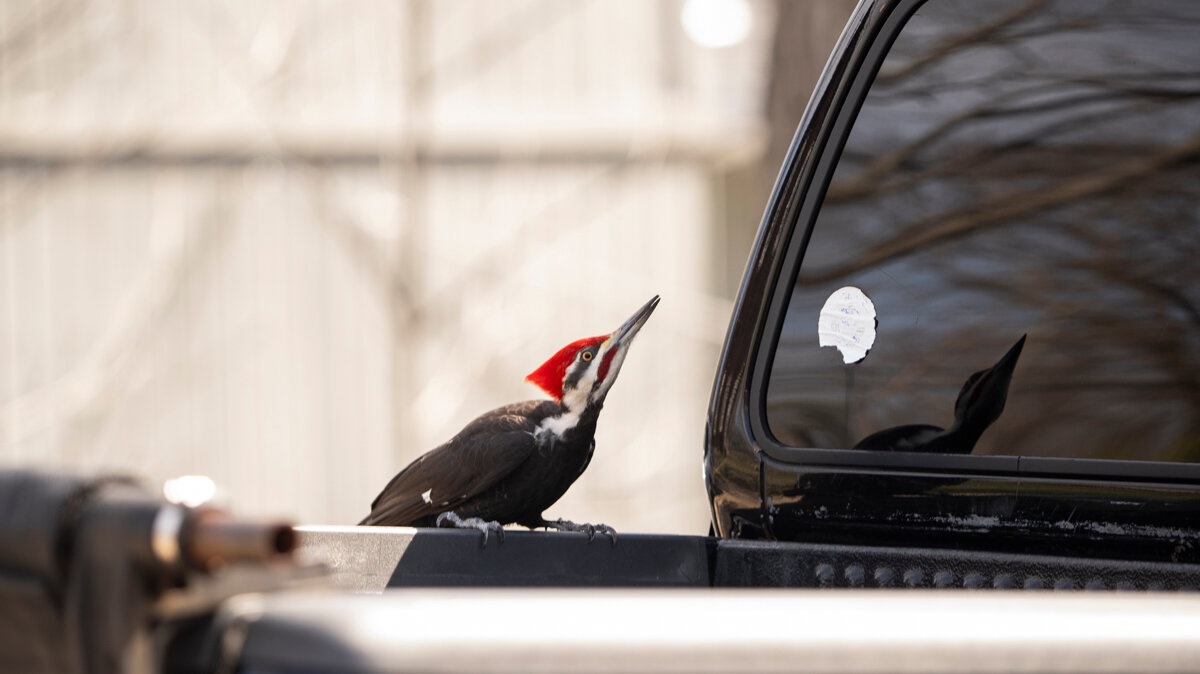
If you’ve ever found your car mirrors covered in bird droppings or noticed birds perching and pecking at them, you know how frustrating it can be. That’s why many car owners ask, how to keep birds off my car mirrors. Birds are naturally attracted to shiny surfaces like mirrors, and their droppings can damage the paint or make your car look messy. Plus, cleaning bird droppings off mirrors can be time-consuming and unpleasant.
Fortunately, there are practical ways to discourage birds from targeting your mirrors without harming them. In this guide, we’ll explore simple, effective methods to keep birds away, protect your car’s mirrors, and save you from constant cleaning. Whether you park outside your home or in busy areas where birds are common, learning how to keep birds off your car mirrors can help maintain your car’s appearance and avoid unnecessary headaches.
Why Do Birds Perch on Car Mirrors?
Birds often perch on car mirrors because these shiny surfaces catch their attention. The reflective glass mimics water or open sky, which can confuse birds and make them think it’s a safe spot to rest. Additionally, car mirrors provide a convenient vantage point for birds to survey their surroundings, spot predators, or look for food.

The mirrors are usually at a comfortable height, making them an attractive perch compared to other nearby options. In some cases, birds may also see their reflection and mistake it for a rival, which can lead to repeated visits as they try to defend their territory. Understanding why birds are drawn to car mirrors helps in finding the right solutions to keep them away.
Common Problems Caused by Birds on Car Mirrors
Birds perching on car mirrors can cause several annoying problems for vehicle owners. One of the most obvious issues is bird droppings, which not only look unpleasant but can also damage the paint and mirror surface if left untreated. The acidic nature of bird droppings can eat away at protective coatings, leading to costly repairs.

Additionally, birds may scratch the mirrors with their claws or peck at them, causing physical damage over time. Their constant presence can also be a distraction or safety hazard, especially if they leave feathers or debris around the mirror area. Beyond aesthetics, these problems highlight why it’s important to find effective ways to keep birds off your car mirrors.
Effective Methods to Keep Birds Off Car Mirrors
Birds perching on car mirrors might seem harmless at first, but they can cause a lot of trouble—from damaging your car’s finish to leaving stubborn droppings. Thankfully, there are many effective ways to discourage birds from targeting your mirrors. In this section, we’ll explore a variety of strategies, grouped into physical deterrents, visual and sound deterrents, chemical and scent-based solutions, and behavioral adjustments. Each method can be used alone or combined for better results depending on your situation.

Physical Deterrents
Mirror Covers and Caps
One of the simplest and most direct methods to keep birds off your car mirrors is to use mirror covers or caps. These are protective sleeves or hard covers that slip over your mirrors, making it uncomfortable or impossible for birds to perch. Mirror covers also protect your mirrors from dirt and damage. You can find covers made from soft fabric, silicone, or plastic, which are easy to put on and take off. This solution is particularly helpful if you know you’ll be parking your car outdoors for an extended period.
Reflective Tape and CDs
Reflective materials like tape or old CDs are great for scaring birds away. Birds dislike sudden flashes of light and movement, so attaching reflective tape or hanging CDs near your mirrors can keep them at bay. These items spin and shimmer in the sunlight, creating visual disturbances that birds find unsettling. This low-cost option is easy to implement and can be quite effective, especially in sunny areas.
Bird Spikes and Gel
Bird spikes are a popular physical deterrent for many surfaces, including car mirrors. These are small, harmless spikes that make it impossible for birds to land comfortably. There are also bird-repellent gels that create a sticky, unpleasant surface, discouraging birds from perching. Both solutions are safe for birds and your car, but they require careful application to avoid damaging your vehicle’s paint or components. Bird spikes and gels are ideal if you face a persistent problem with larger birds.
Visual and Sound Deterrents
Decoy Predators (e.g., Owls, Hawks)
Birds tend to avoid areas where they sense predators. Using decoy predators like plastic owls or hawks near your parking spot can deter birds from approaching your car mirrors. These decoys work best if you move them around periodically to maintain their effectiveness, as birds may eventually realize they’re not a real threat. Positioning a decoy near your car or in your driveway can create a psychological barrier for nuisance birds.
Ultrasonic Bird Repellers
Ultrasonic bird repellers emit high-frequency sounds that are unpleasant to birds but generally inaudible to humans. These devices can be mounted near your parking area to keep birds away from your car mirrors. While the effectiveness of ultrasonic repellents varies depending on bird species and environment, many users find them helpful as part of a multi-pronged approach. Regularly adjusting the device’s settings can help maintain its deterrent effect.
Wind Chimes and Moving Objects
Birds dislike unexpected noises and movement. Hanging wind chimes or other moving objects near your parking area can discourage birds from settling on your mirrors. The gentle clinking of wind chimes or the swaying of mobiles in the breeze creates an environment that feels unsafe for birds. Combining these with reflective items increases the chance of keeping birds away effectively.
Chemical and Scent-Based Solutions
Bird Repellent Sprays
There are commercial bird repellent sprays designed specifically to discourage birds from landing on surfaces. These sprays often contain ingredients that make the surface taste bad or create a texture birds dislike. When applied to car mirrors, they can reduce the frequency of bird visits. However, be cautious when using sprays on your vehicle, as some formulas may harm paint or plastic. Always choose products safe for automotive use and follow instructions carefully.
Natural Scents Birds Avoid
Certain natural scents can repel birds without the need for chemicals. For example, birds tend to avoid the smell of peppermint, garlic, or vinegar. You can create a homemade spray using these ingredients diluted with water and lightly mist your mirrors. This method is eco-friendly and safe for your car, but it may need frequent reapplication, especially after rain.
Behavioral Adjustments
Parking Strategies
Sometimes, the easiest way to avoid bird problems is to adjust where and how you park. Birds prefer quiet, undisturbed places with good vantage points, so parking your car in a garage, under a carport, or away from trees and bird feeders can significantly reduce bird visits. If outdoor parking is your only option, try to avoid spots directly under large trees or near water sources that attract birds.
Regular Cleaning and Maintenance
Keeping your car mirrors clean is important not just for appearance but also for discouraging birds. Dirty mirrors may attract birds looking for food remnants or bugs. Regularly cleaning your mirrors removes any lingering scents or marks that may invite birds back. Additionally, addressing bird droppings quickly can prevent permanent damage to your car’s finish and reduce the likelihood of repeated visits.
DIY Solutions vs. Commercial Products
When deciding how to keep birds off your car mirrors, you might wonder whether to try DIY solutions or invest in commercial products. DIY methods, like hanging reflective tape, using old CDs, or making natural scent sprays, are affordable, easy to implement, and use readily available materials. They’re great for quick fixes and are environmentally friendly.
On the other hand, commercial products such as ultrasonic repellents, bird spikes, or specialized sprays often offer more targeted and long-lasting results. These products are usually tested for safety and effectiveness, but they can be more expensive and sometimes require regular maintenance. Ultimately, combining simple DIY tactics with select commercial products can provide a balanced, effective approach to keeping birds away from your car mirrors.
Tips for Long-Term Prevention
For long-term prevention of birds perching on your car mirrors, consistency is key. Regularly using physical deterrents like mirror covers or reflective tape can create a lasting barrier that discourages birds. Combining visual cues such as decoy predators or moving objects with sound deterrents like wind chimes adds another layer of protection.
It’s also important to maintain a clean parking area and wash off any bird droppings promptly to avoid attracting birds back. Whenever possible, adjust your parking habits to avoid areas where birds frequently gather, such as under trees or near bird feeders. By integrating these habits into your routine, you can keep your car mirrors bird-free and protect your vehicle over time.
When to Seek Professional Help
Sometimes, despite your best efforts, bird problems on car mirrors can persist or even worsen. When DIY solutions and commercial products fail to provide lasting relief, it may be time to seek professional help. Pest control experts or wildlife specialists can assess the situation and recommend targeted strategies tailored to your specific environment.
They can also safely remove nests or deter aggressive bird species that pose a threat to your vehicle. Additionally, professionals can help identify underlying factors attracting birds, such as nearby food sources or shelter. If bird damage is extensive or causing safety concerns, consulting a professional ensures the problem is addressed effectively and humanely, giving you peace of mind and protecting your car in the long run.
Frequently Asked Questions
How Can I Stop Birds From Perching On My Car Mirrors?
To stop birds from perching on your car mirrors, start by making the mirrors less attractive and uncomfortable for them. You can use physical deterrents like mirror covers or bird spikes, which prevent birds from landing. Adding reflective tape or hanging old CDs near your mirrors can scare birds away with sudden flashes of light. Visual deterrents such as decoy predators like plastic owls or hawks can also discourage birds. Combining these with sound deterrents like wind chimes or ultrasonic repellents increases effectiveness. Regularly cleaning your mirrors and adjusting where you park—avoiding trees or feeders—can further reduce bird visits.
Are There Safe Products To Use On My Car Mirrors To Repel Birds?
Yes, there are safe products specifically designed to repel birds from your car mirrors without damaging the vehicle. Bird repellent sprays formulated for automotive use create unpleasant textures or tastes that discourage birds from landing. Natural sprays made with peppermint or garlic diluted in water are eco-friendly alternatives. Avoid harsh chemicals that can damage paint or plastic. It’s essential to follow product instructions carefully and test sprays on a small, hidden area first. When used properly, these repellents are a safe and effective way to keep birds off your car mirrors.
Why Do Birds Keep Targeting My Car Mirrors?
Birds are naturally attracted to shiny, reflective surfaces like car mirrors because they resemble water or open sky, which they use for navigation or resting spots. Sometimes, they even see their own reflection and mistake it for a rival bird, causing them to repeatedly attack or perch on the mirrors. Mirrors also provide a convenient vantage point at a comfortable height. Understanding why birds target your mirrors helps you choose the right deterrents—those that break reflections or make perching uncomfortable can stop birds from returning.
Can Reflective Tape Or CDs Really Keep Birds Away From Car Mirrors?
Yes, reflective tape and old CDs are effective, affordable deterrents because birds dislike sudden light flashes and movement. When sunlight hits reflective tape or spinning CDs hung near your mirrors, it creates flashing, shimmering effects that birds find unsettling. This visual disturbance makes the area feel unsafe, encouraging birds to avoid landing there. For best results, place multiple pieces around the mirrors and adjust their position regularly to maintain effectiveness. This method is easy to set up and can work well alongside other deterrents.
How Often Should I Clean My Car Mirrors To Prevent Birds?
You should clean your car mirrors regularly—ideally once a week or more if birds are a frequent problem. Bird droppings not only look unsightly but can damage your car’s paint and mirror surfaces due to their acidic nature. Removing droppings quickly prevents stains and discourages birds from returning because leftover residues can attract insects or signal a food source. Using gentle car-safe cleaners and microfiber cloths protects your mirrors from scratches. Maintaining a clean surface helps keep your car looking good and reduces the likelihood that birds will choose your mirrors as a perch.
When Should I Consider Professional Help For Bird Problems On My Car?
If birds continue to damage your car mirrors despite your efforts, or if aggressive bird species are involved, it may be time to seek professional assistance. Pest control or wildlife specialists can provide tailored solutions such as humane bird removal, installation of advanced deterrents, or identification of factors attracting birds to your parking area. Professionals can also address issues like nests near your property that encourage birds to stay. If bird damage affects your car’s safety or causes significant stress, expert help ensures the problem is handled effectively and humanely for long-term relief.
Conclusion
Keeping birds off your car mirrors requires a combination of practical strategies and consistent effort. By using physical deterrents like mirror covers or reflective tape, visual and sound repellents such as decoy predators and wind chimes, and safe chemical solutions, you can effectively discourage birds from perching on your mirrors.
Simple behavioral changes, including smart parking choices and regular cleaning, further reduce the chances of attracting birds. Remember, no single method works perfectly for everyone, so combining approaches often yields the best results. With patience and persistence, you can protect your car mirrors from damage and mess caused by birds, ensuring your vehicle stays clean and well-maintained for the long haul.