
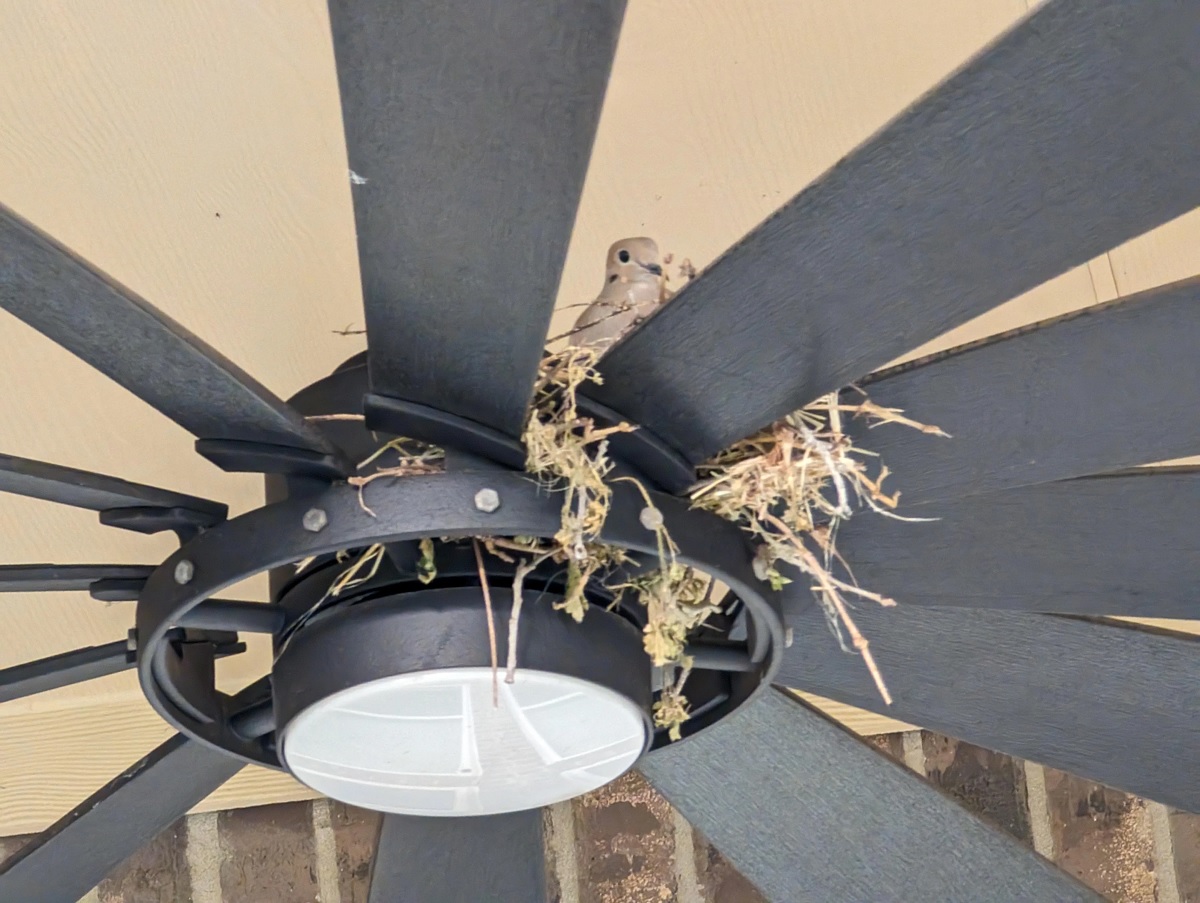
Birds perching on outdoor ceiling fans might seem harmless at first, but they can quickly create a mess and even damage the fan over time. Whether it’s the droppings, feathers, or nesting materials, it’s not something any homeowner wants to deal with—especially when those fans are meant to keep your patio or porch comfortable and clean. Understanding how to keep birds off outdoor ceiling fans isn’t just about keeping things tidy; it’s also about protecting your equipment and ensuring safety.
Birds can throw off the fan’s balance, block airflow, or cause motor strain, which leads to costly repairs. The good news is there are practical, humane, and affordable ways to deter them without harming the birds or your setup. In this guide, you’ll learn straightforward methods and smart prevention tips that actually work—no gimmicks, just real solutions that homeowners can rely on. Let’s take a look at how to protect your space and fan from unwanted winged visitors.
Understanding the Problem
Outdoor ceiling fans can unintentionally attract birds, turning a peaceful patio into a constant cleanup project. Before jumping into solutions, it’s important to understand why birds are drawn to ceiling fans in the first place and the potential risks involved when they decide to make your fan their new perch—or worse, their nest.
Why Birds Are Attracted to Ceiling Fans
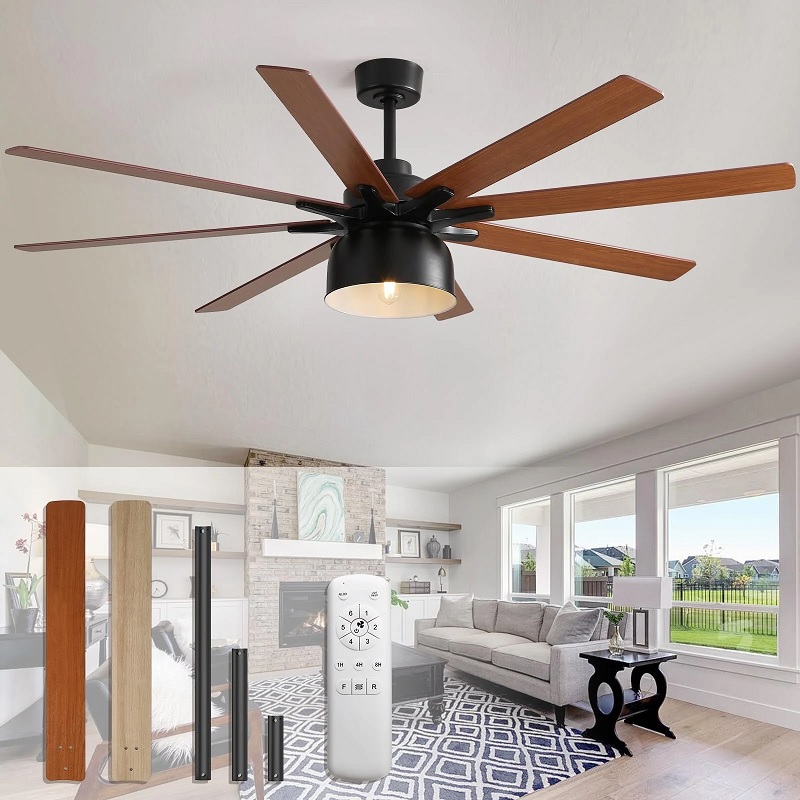
Birds naturally seek out high, quiet, and sheltered areas to rest or build nests, and ceiling fans often check all those boxes. Installed under covered patios or porches, ceiling fans offer a sense of security from predators and harsh weather. The horizontal blades mimic tree branches, providing what looks like a stable landing spot. When the fan is off, it becomes an open invitation—especially during spring and early summer, which is prime nesting season.
Additionally, fans located near outdoor lighting may inadvertently attract insects at night. This, in turn, draws birds looking for an easy meal. If there’s even a slight ledge or casing around the fan, smaller birds like sparrows or swallows may start to build nests, especially if they notice the fan isn’t in regular use.
Risks of Birds Nesting on Ceiling Fans
While birds nesting on ceiling fans might seem like a minor annoyance, the risks go far beyond inconvenience. One of the most immediate issues is the buildup of droppings, feathers, and nesting debris, which not only looks unsightly but can also carry bacteria and parasites that pose a health risk to humans and pets.
More critically, nests can unbalance the fan blades, reducing efficiency or even causing motor strain. Over time, this strain can lead to overheating or full mechanical failure. In some cases, the fan might even become dangerous to operate, with nests getting tangled in moving parts or falling debris potentially injuring someone below.
There’s also the ethical and legal concern. In many regions, it’s illegal to remove certain bird nests once they’re established, especially if eggs or chicks are present. That means even a short delay in prevention can turn into a long-term problem you legally can’t touch.
By understanding what draws birds to these fixtures and the problems that can follow, you can take proactive steps before the situation escalates. The key is prevention—stopping the birds before they settle in and create a bigger issue down the road.
Preventive Measures
Once you understand why birds are attracted to your outdoor ceiling fan, the next step is to implement reliable, humane, and long-lasting solutions. There’s no one-size-fits-all answer, but combining multiple strategies can significantly reduce the chances of birds settling in. From physical barriers to sensory deterrents, here are the most effective ways to keep your outdoor fan free from unwanted avian visitors.
Install Physical Deterrents
Physical deterrents are among the most straightforward and effective methods. These create direct barriers or uncomfortable conditions that discourage birds from landing or nesting.
Bird Spikes
Bird spikes may look intimidating, but they’re actually a humane and non-harmful way to deter birds. These thin, upward-pointing rods prevent birds from landing on flat surfaces—like the tops of fan motors or the blades when the fan is off. Most bird spikes are made of plastic or stainless steel and can be glued or screwed into place.
To be effective, place them around the top of the fan motor housing or along the mounting bracket—anywhere birds might try to perch. While they might not be visually subtle, many brands now offer low-profile or transparent versions that blend into your decor.
Ceiling Fan Covers
Custom ceiling fan covers or blade sleeves are another practical option. These mesh or fabric covers can be installed when the fan is not in use, making the surface slippery and inaccessible for birds to land or nest on. Some covers even come with built-in reflectors or mildly scented repellents for added protection.
Ceiling fan covers are ideal for seasonal use—especially during nesting months. They’re also easy to remove and wash, making maintenance simple.
Hanging Reflective Objects
Birds are naturally wary of sudden flashes of light or unexpected movement, which makes reflective objects an effective deterrent. Hanging items like old CDs or DVDs, aluminum foil strips, commercial reflective bird tape, or even small mirrors and disco balls near your ceiling fan can create a shifting, unpredictable environment that birds find unsettling.
These objects catch sunlight or ambient light and produce flashes and reflections that deter birds from coming close. To maximize effectiveness, suspend them around the ceiling fan or from nearby beams and rafters so they can move freely in the wind. The combination of motion and light disruption helps keep birds at a distance without harming them.
Use Visual and Auditory Deterrents
Some birds are smart enough to avoid direct deterrents, which is where psychological tricks can come into play. Visual and sound-based deterrents make birds feel unsafe or uncomfortable without causing them harm.
Predator Decoys
Placing decoys of natural bird predators near the ceiling fan area can be a highly effective way to discourage birds from settling in. Common choices include plastic owls, hawk silhouettes, and snake figures. These visual cues tap into birds’ instinctive fear of predators, making them think twice before approaching. For the best results, it’s important to move the decoys every few days to prevent birds from becoming accustomed to them.
Some advanced models even feature moving parts or reflective eyes, which enhance their realism and increase their deterrent power. Be sure to position the decoys within clear sight of the ceiling fan to create the impression that the area is unsafe for nesting or perching.
Sound Repellent Devices
Auditory repellents emit high-frequency sounds, predator calls, or distress signals that birds instinctively avoid. These devices range from battery-powered units to solar options and can be mounted on a wall, beam, or post near the fan.
Be cautious with sound repellents if your outdoor space is close to neighbors or if you use the area frequently. Some devices allow you to set timers or adjust volume and frequency, which helps maintain effectiveness without disturbing human activity.
Apply Bird Repellent Gels or Sprays
Bird repellent gels or sprays can be a useful addition to your bird deterrent strategy, especially when used alongside physical and sensory methods. These products are designed to make surfaces unappealing to birds either through scent or texture. Gel repellents are sticky and create an uncomfortable landing surface, discouraging birds from roosting without harming them. They should be applied carefully around the fan housing, avoiding the blades or any moving parts to prevent interference with the fan’s function.
Spray repellents, on the other hand, rely on strong natural scents—such as peppermint oil, citrus, or capsaicin—that birds find unpleasant. These sprays are particularly useful for treating hard-to-reach areas and can be quickly reapplied as needed. However, they may lose effectiveness after rain or over time, so regular reapplication is necessary. Always read and follow the product instructions, and make sure any repellent used is safe for pets, children, and compatible with the materials used in your ceiling fan.
Fan-Specific Modifications
When dealing with birds around outdoor ceiling fans, sometimes the best approach is to focus directly on the fan itself. Certain modifications and choices can make your fan less appealing or accessible to birds, providing long-term protection without constant maintenance. Below are some practical fan-specific strategies that can help keep birds away while preserving the fan’s functionality and appearance.

Choose Bird-Resistant Fan Designs
Not all ceiling fans are created equal when it comes to deterring birds. Some models come with features specifically designed to reduce perching and nesting opportunities. When selecting a fan for your outdoor space, consider designs that minimize flat surfaces and ledges where birds might land.
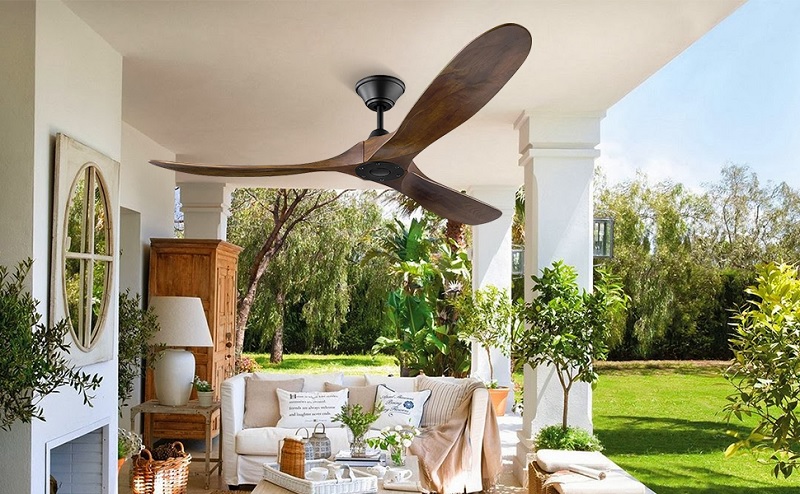
Fans with streamlined, narrow blades and smooth housings are much less attractive to birds than those with wide, flat blades or exposed motor components. Look for fans with integrated blade covers or sealed motor housings, which eliminate crevices and gaps birds might exploit.
In addition, fans made from materials that are less hospitable to birds—such as certain metals or slick plastics—can discourage them from landing. These surfaces are harder to grip and less comfortable for birds, making it less likely they’ll attempt to settle.
When purchasing a new outdoor ceiling fan, checking for bird-resistant features can save you from headaches later. Not only does this help prevent nesting, but it also reduces the need for frequent cleaning and repairs caused by bird activity.
Use Seasonal Covers When Not in Use
Another simple yet highly effective modification is the use of seasonal fan covers. These protective covers are designed to fit over your outdoor ceiling fan when it’s not in use—such as during colder months or off-season periods—blocking birds from perching or building nests.
Fan covers typically come in weather-resistant materials like nylon or polyester mesh. They create a barrier that prevents birds from accessing blades and housings, while still allowing airflow and protecting the fan from dust, dirt, and debris.
Using covers is especially helpful during nesting seasons, when birds are most likely to seek out sheltered spots. They also extend the life of your fan by reducing exposure to weather and bird droppings.
Covers are easy to install and remove, making them a practical seasonal solution. Just slip one on when the fan is idle and take it off when you want to use the fan again. Some covers even come with drawstrings or elastic edges to ensure a snug fit, preventing birds from sneaking underneath.
Maintenance and Cleaning
Keeping your outdoor ceiling fan free from birds isn’t just about prevention; ongoing maintenance and cleaning play a crucial role in ensuring your fan stays functional, safe, and attractive. Establishing a regular routine helps minimize damage and discourages birds from returning. Here’s how to maintain your fan properly and deal with nests responsibly.
Regular Fan Cleaning Schedule
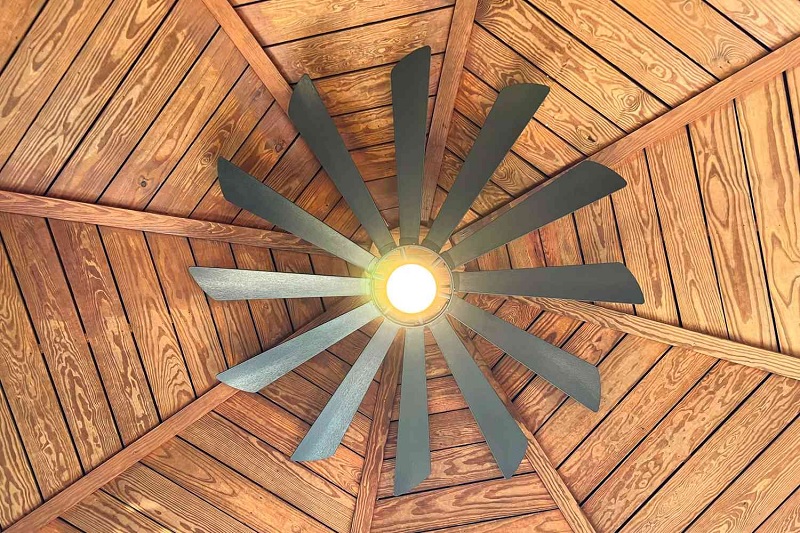
Creating and sticking to a regular cleaning schedule is essential for any outdoor ceiling fan, especially if you live in an area where birds are common. Bird droppings, feathers, and dirt can accumulate quickly, potentially harming the fan’s motor and finish.
Aim to clean your fan at least once a month during peak bird activity seasons. Use a soft cloth or sponge with mild soap and water to gently wipe down the blades, motor housing, and mounting bracket. Avoid harsh chemicals or abrasive tools that could damage the fan’s protective coatings.
In addition to cleaning, inspect the fan for any signs of wear or damage caused by birds or weather. Check for loose screws, unbalanced blades, or signs of corrosion. Early detection allows you to fix small problems before they become costly repairs.
Consistent cleaning not only maintains the fan’s appearance but also helps deter birds, as they tend to avoid areas that aren’t comfortable or inviting.
Remove Nests Promptly and Legally
If you discover a bird nest on or near your ceiling fan, it’s important to act promptly—but also legally and ethically. Many bird species are protected by laws that make it illegal to remove nests containing eggs or chicks.
Before removing a nest, identify the type of bird and check local wildlife regulations. If the nest is active with eggs or baby birds, it’s best to wait until the young have left before taking any action.
Once a nest is inactive, you can carefully remove it using gloves to protect yourself from parasites or debris. Clean the area thoroughly afterward to discourage birds from returning to the same spot.
To prevent future nesting, combine nest removal with deterrent methods discussed earlier, such as installing physical barriers or using visual repellents. Regular monitoring helps catch new nests early, making removal easier and more effective.
Legal and Ethical Considerations
When it comes to managing birds around your outdoor ceiling fans, it’s important to be aware of the legal and ethical responsibilities involved. Birds are protected by various laws, and understanding these regulations helps you avoid fines or penalties while ensuring humane treatment. Here’s what you need to know to keep both your property and the birds safe.
Migratory Bird Laws and Local Regulations
Many bird species, especially migratory ones, are protected under federal laws such as the Migratory Bird Treaty Act (MBTA) in the United States. This law makes it illegal to disturb, harm, or remove active nests with eggs or chicks without proper permits. Similar laws exist in other countries to safeguard native and migratory bird populations.
Local regulations may also have specific rules about bird control and nest removal. Some municipalities require permits or inspections before you can legally remove nests or take certain deterrent actions. Violating these laws can lead to hefty fines and legal trouble.
Before taking any significant bird control measures, research your local and national laws regarding bird protection. When in doubt, consult with wildlife authorities or licensed professionals who specialize in humane bird control. This ensures that your actions comply with the law and that you don’t unintentionally harm protected species.
Humane Bird Control Methods
Ethical bird control prioritizes the well-being of the birds while protecting your property. The goal is to discourage birds from nesting or roosting without causing injury or undue stress.
Non-lethal deterrents like bird spikes, reflective objects, predator decoys, and sound devices are excellent examples of humane methods. These approaches work by creating an environment that birds find uncomfortable or threatening, encouraging them to move elsewhere naturally.
If nest removal is necessary, ensure it’s done only after confirming the nest is inactive and following all legal guidelines. Avoid harmful chemicals or traps that can injure birds. Instead, focus on preventative solutions and ongoing maintenance to reduce the chances of future bird problems.
By respecting bird protection laws and using humane deterrents, you protect both your outdoor space and local wildlife. This balanced approach benefits everyone and supports a responsible coexistence with nature.
When to Seek Professional Help
Sometimes, despite your best efforts, keeping birds off outdoor ceiling fans can become a challenging task. In cases where birds persistently return or nesting issues escalate, it’s wise to consider professional assistance. Experts bring specialized knowledge and tools to effectively and humanely handle bird problems, saving you time, effort, and potential damage to your fan.
Pest Control Services
Professional pest control companies often offer bird control as part of their services. These experts have experience dealing with a variety of bird species and understand their behaviors, making them well-equipped to develop tailored solutions. Pest control professionals can safely remove active nests when legally permissible, clean up bird droppings, and implement long-term deterrents that might be difficult for homeowners to manage on their own.
One advantage of hiring pest control services is their access to specialized equipment and products that are not readily available to the public. They also know how to comply with local wildlife regulations, ensuring that bird control methods are both legal and humane.
If bird activity around your outdoor ceiling fan is causing significant damage or health concerns, or if you’re unsure about how to handle the problem, contacting a pest control professional can be a smart and effective choice.
Custom Bird Deterrent Installation
For persistent bird problems, professionals can design and install custom deterrent systems tailored to your specific situation. These might include specialized netting, custom-fitted bird spikes, or advanced sensory devices that blend seamlessly with your outdoor décor.
Custom installations ensure that deterrents are placed exactly where they are most effective, targeting the areas birds favor without compromising the look or function of your ceiling fan. Professionals can also provide ongoing maintenance and monitoring to adjust the deterrents as needed, offering a comprehensive solution.
Such services are particularly valuable if your outdoor fan is in a hard-to-reach area or if you want a discreet, long-term approach that doesn’t require frequent manual intervention.
Frequently Asked Questions
How Can I Prevent Birds From Nesting On My Outdoor Ceiling Fan?
You can prevent birds from nesting on your outdoor ceiling fan by combining several deterrent methods. Start by installing physical barriers such as bird spikes or mesh covers around the fan motor and blades. These make landing and nesting uncomfortable or impossible for birds. Additionally, hanging reflective objects like old CDs or commercial reflective tape near the fan creates flashes of light that birds dislike.
Using predator decoys such as plastic owls or hawk silhouettes can scare birds away, especially if you move them regularly to maintain effectiveness. Finally, maintain a regular cleaning schedule to remove debris and droppings, making the area less attractive. The key is consistency—addressing both physical and sensory deterrents will help keep birds from choosing your fan as their home.
Are There Any Safe and Humane Ways To Keep Birds Off Outdoor Ceiling Fans?
Yes, there are several safe and humane ways to deter birds from your outdoor ceiling fans. Physical deterrents like bird spikes and fan covers prevent birds from landing without causing harm. Visual deterrents such as reflective objects and predator decoys create an environment birds find threatening, encouraging them to move elsewhere. Sound repellent devices emit high-frequency noises that birds avoid but are typically inaudible to humans.
You can also apply bird repellent gels or sprays that make surfaces unpleasant to land on, without harming the birds. It’s important to avoid harmful chemicals or traps and always comply with wildlife protection laws. Humane methods focus on discouraging birds rather than injuring them, ensuring a peaceful coexistence.
What Should I Do If I Find A Bird Nest On My Outdoor Ceiling Fan?
If you find a bird nest on your outdoor ceiling fan, it’s important to handle the situation carefully and legally. Many bird species are protected by law, making it illegal to remove active nests with eggs or chicks. First, identify the bird species and check local wildlife regulations.
If the nest is active, the best approach is to wait until the young birds have fledged before removing the nest. Once the nest is inactive, wear gloves and carefully remove it to avoid parasites or debris. Afterward, thoroughly clean the area to discourage birds from returning. Combining nest removal with deterrent measures such as bird spikes or visual repellents will help prevent future nesting.
Can I Use Repellent Sprays Or Gels On My Ceiling Fan Without Damaging It?
You can use bird repellent sprays or gels on certain parts of your outdoor ceiling fan, but you need to be cautious to avoid damage. Gel repellents create sticky surfaces that birds dislike but should never be applied directly to fan blades or moving parts, as they could affect the fan’s operation and balance.
Sprays that use natural ingredients like peppermint oil or citrus are safer for application on surrounding areas but may require regular reapplication, especially after rain. Always check the product label for material compatibility and test a small area first if possible. To protect your fan and ensure effectiveness, focus repellent applications on fixed parts like the fan housing or mounting bracket rather than the blades themselves.
When Is It Best To Call A Professional For Bird Control Around Outdoor Ceiling Fans?
You should consider calling a professional for bird control when bird problems around your outdoor ceiling fan become persistent, complicated, or potentially hazardous. Professionals have the knowledge and tools to safely remove nests (when legally allowed), clean bird droppings, and install custom deterrent systems such as netting or specialized spikes.
If your fan is in a hard-to-reach area or if previous DIY methods haven’t worked, expert help can save you time and ensure compliance with local wildlife laws. Additionally, professionals can offer ongoing maintenance and monitoring to keep birds at bay long-term. When bird activity threatens your health, safety, or property, seeking professional assistance is a smart and effective step.
Conclusion
Keeping birds off outdoor ceiling fans requires a thoughtful combination of prevention, maintenance, and humane deterrents. By choosing bird-resistant fan designs, installing physical barriers like spikes or covers, and using visual and auditory deterrents, you can create an environment that birds find unwelcoming.
Regular cleaning and prompt nest removal ensure your fan stays safe and functional, while respecting legal and ethical guidelines protects local wildlife. When bird issues persist, seeking professional help offers tailored, effective solutions. With consistent effort and the right strategies, you can enjoy your outdoor space comfortably, free from unwanted feathered visitors and the problems they bring to your ceiling fan.