
If you’ve ever found bird droppings on your window ledges or noticed birds constantly perching there, you know how frustrating it can be. Not only do these feathered visitors create a mess, but they can also cause damage over time. That’s why many people are searching for effective solutions on how to keep birds off window ledges. Whether it’s pigeons, sparrows, or other common urban birds, they tend to see window ledges as perfect resting spots.
Luckily, there are practical and humane ways to discourage them without harming the birds. In this guide, we’ll explore simple yet effective methods to protect your windows, maintain cleanliness, and keep unwanted birds at bay. By understanding bird behavior and using the right techniques, you can enjoy a cleaner, bird-free window ledge all year round. Let’s dive into the best strategies for keeping your windows bird-free!
Why Birds Perch on Window Ledges
Birds perching on window ledges is a common sight in many neighborhoods, and understanding why they do this can help you address the problem effectively. Window ledges provide an inviting spot for birds, but the reasons behind their attraction might surprise you.
Common Bird Species That Use Ledges
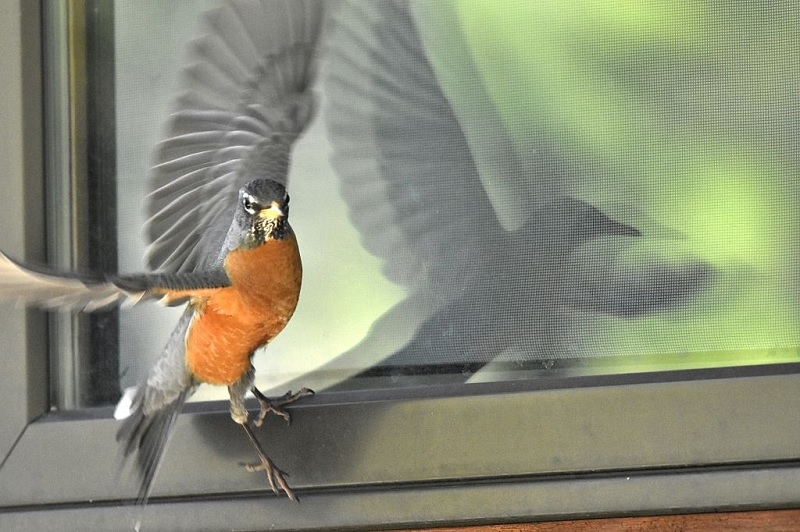
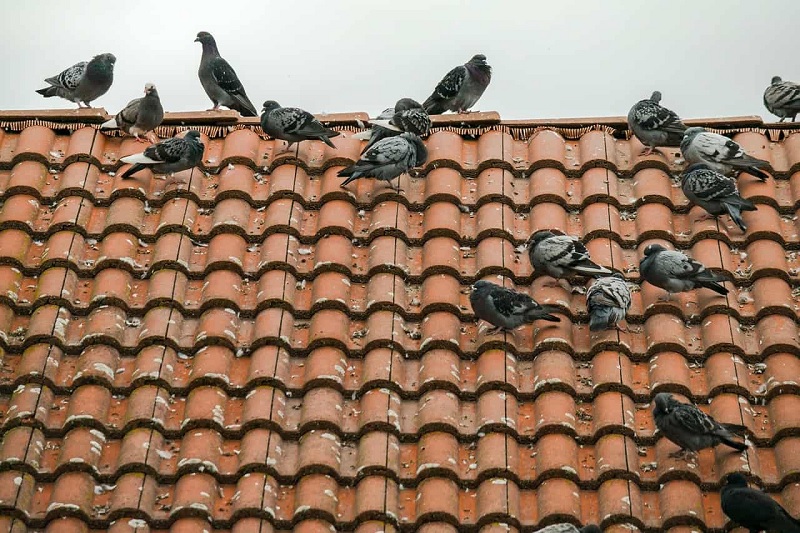
Several bird species are known for frequently landing on window ledges, especially in urban and suburban areas. Pigeons are among the most common culprits. Their adaptability and comfort around humans make window ledges ideal resting spots. Sparrows and starlings are also regular visitors, often seen in small flocks perching on ledges while scouting for food or resting. In some regions, doves and finches may also choose window ledges as temporary perches. These birds take advantage of the ledge’s height and vantage point to observe their surroundings safely.
Reasons Birds Are Attracted to Window Ledges
There are a few key reasons birds find window ledges appealing. First, ledges offer a safe and stable resting place. Elevated spots give birds a good view of potential predators and food sources, making ledges attractive lookout points. Unlike branches or uneven surfaces, window ledges provide a flat, secure place to land.
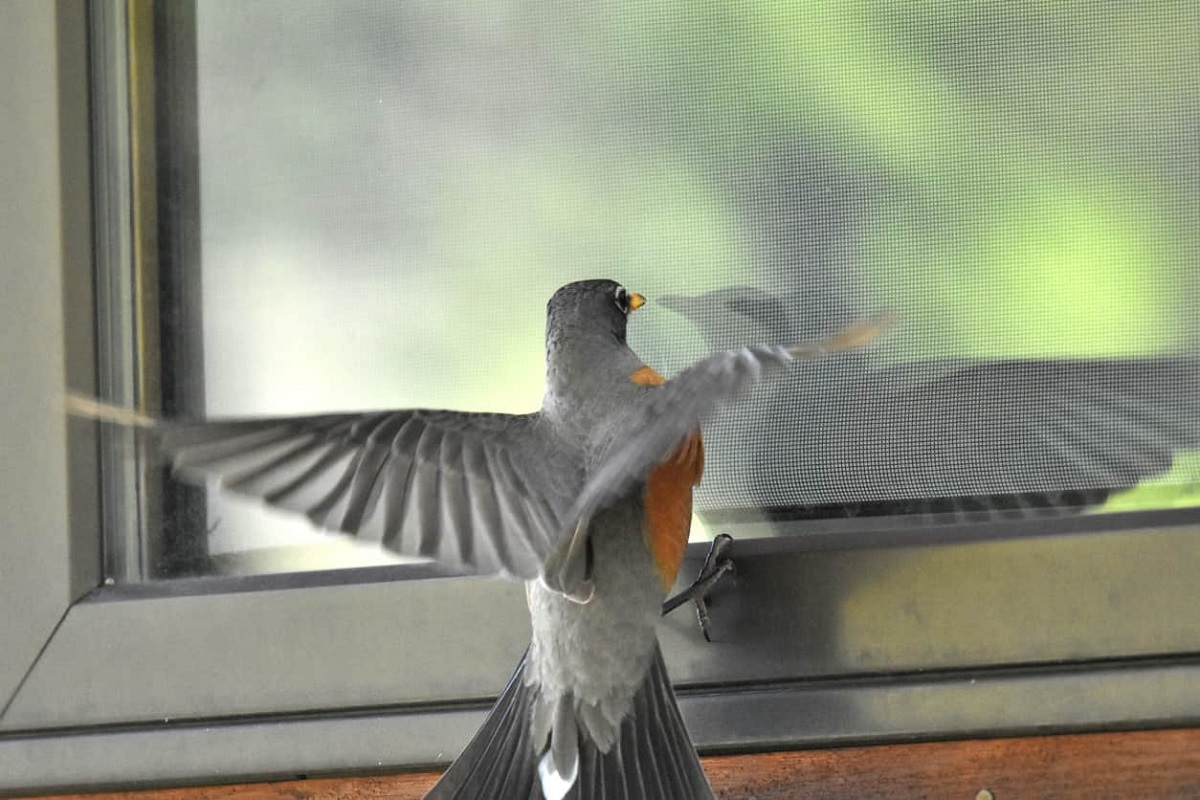
Second, ledges often reflect light or house plants and feeders nearby, which can attract birds looking for food or shelter. The warmth from the building’s exterior can also make ledges comfortable perching spots, especially in cooler weather. Additionally, birds sometimes mistake their reflections in windows for rivals or mates, causing them to linger near the ledges while interacting with what they perceive as other birds.
Problems Caused by Birds on Window Ledges
Birds perching on window ledges can lead to several problems. Their droppings create unsightly stains and can damage paint or building materials over time. Accumulated droppings also pose health risks, as they can carry bacteria and parasites. Additionally, birds nesting on ledges may block drainage or ventilation, causing maintenance issues. The constant noise and mess can be frustrating for homeowners, making it important to find effective ways to keep birds off window ledges.
Effective Methods to Keep Birds Off Window Ledges
Dealing with birds on window ledges can be a persistent challenge, but there are plenty of practical and humane ways to discourage them from making your ledges their hangout spots. The key is to use a combination of deterrents that suit your specific situation and the types of birds you’re dealing with. Below, we explore the most effective methods, categorized into physical, visual, sound, and chemical deterrents.
Physical Deterrents
Physical barriers are often the most reliable way to prevent birds from perching or nesting on window ledges. These methods create uncomfortable or inaccessible surfaces that birds avoid.
Bird Spikes
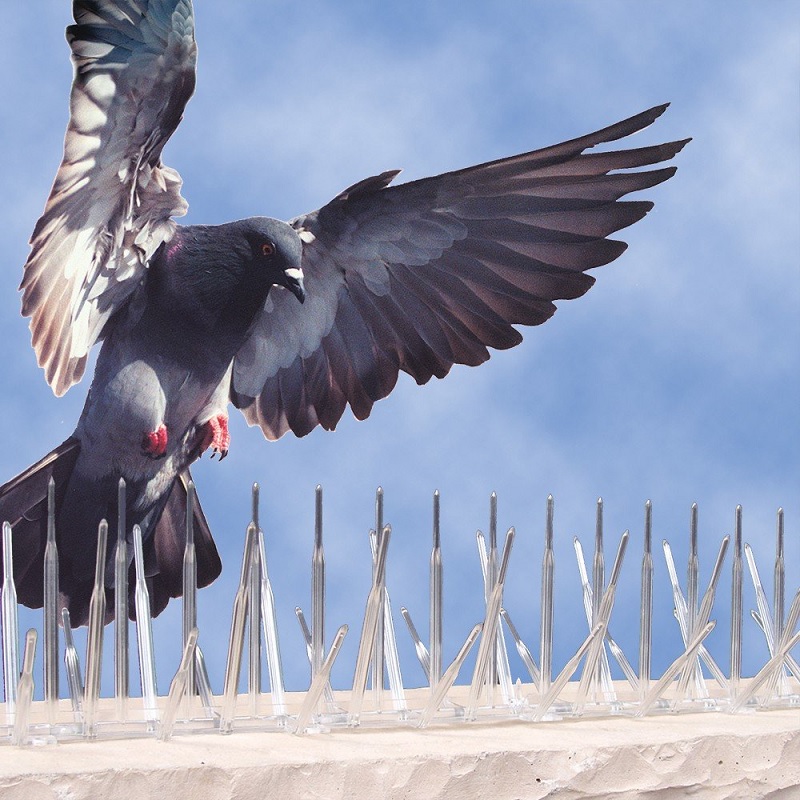
Bird spikes are one of the most popular physical deterrents. These are strips of plastic or metal spikes that can be installed along window ledges to prevent birds from landing. The spikes don’t harm the birds; instead, they make it difficult or impossible for them to find a comfortable place to perch. Bird spikes are especially effective against pigeons and larger birds and are easy to install with adhesive or screws.
Window Ledge Covers
Another option is using ledge covers made from materials like sloped plastic or metal. These covers change the shape of the ledge so it becomes too narrow or angled for birds to land. Sloping covers encourage birds to fly elsewhere and are visually unobtrusive, blending well with building designs.
Netting and Screens
For a more extensive solution, bird netting or mesh screens can be installed to block access to window ledges entirely. Netting is useful when birds are nesting or causing significant problems. It forms a physical barrier that keeps birds away while allowing air and light to pass through. Proper installation is crucial to prevent birds from getting trapped.
Visual Deterrents
Visual deterrents work by confusing or scaring birds away, leveraging their natural instincts to avoid perceived threats.
Reflective Tape and Objects
Reflective tape, strips, or hanging objects that shimmer and move with the wind can startle birds. The sudden flashes of light and movement mimic predators or unstable surfaces, encouraging birds to stay away. These are simple to apply and affordable, often placed directly on or near window ledges.
Decals and Stickers
Decals that simulate predator eyes or create patterns that disrupt birds’ perception of a safe landing spot are another popular visual deterrent. Placing these stickers on windows or ledges can reduce birds’ interest, especially when combined with other methods.
Predator Decoys
Decoy statues or models of birds of prey, such as owls or hawks, can deter smaller birds from approaching. For best results, move the decoy regularly to prevent birds from becoming accustomed to it. While effective for some species, predator decoys work best as part of a multi-faceted deterrent strategy.
Sound Deterrents
Birds rely on their hearing as much as their sight, so sound deterrents can be a useful tool to keep them away.
Ultrasonic Devices
Ultrasonic bird repellers emit high-frequency sounds that are uncomfortable for birds but generally inaudible to humans. These devices are safe and non-invasive, suitable for keeping birds at bay without causing harm or noise pollution. However, their effectiveness can vary depending on bird species and environmental factors.
Noise Makers
Other sound deterrents include motion-activated noise makers, such as alarms or predator calls, which startle birds when they approach. These can be effective in smaller areas but might disturb residents or neighbors if used excessively.
Chemical Repellents
When used carefully, chemical repellents can make window ledges unappealing to birds without causing them harm.
Safe Bird Repellents
There are bird repellent gels and sprays made from non-toxic ingredients that create sticky or unpleasant surfaces. These products discourage birds from landing because the texture is uncomfortable on their feet. They need to be reapplied periodically and are best used in combination with physical deterrents.
Homemade Solutions
For a DIY approach, some people use natural substances like a mixture of water and chili powder sprayed on ledges, which can deter birds due to irritation. However, care should be taken to avoid harming birds or the environment. Homemade remedies can be effective short-term but often require frequent application.
Preventative Measures
Preventing birds from perching on window ledges is often easier than dealing with the aftermath. By taking a few simple steps to make your property less attractive to birds, you can minimize the chances they’ll decide to settle around your windows. Let’s explore some effective preventative measures that focus on cleanliness, eliminating food sources, and modifying the habitat around your windows.
Maintaining Cleanliness
One of the most important preventative steps is keeping your window ledges and the surrounding area clean. Bird droppings and leftover food particles can attract more birds, creating a cycle that’s hard to break. Regularly cleaning your ledges removes scents and visual cues that signal a safe resting spot. Use a mild detergent or a mixture of water and vinegar to wash away droppings and grime. Also, clean nearby gutters and roof areas to avoid attracting nesting birds. A clean ledge is far less inviting to birds looking for a cozy place to rest or nest.
Removing Food Sources
Birds are naturally drawn to areas where food is readily available. Feeding birds in your yard or having open trash bins close to windows can unintentionally invite them to perch nearby. To reduce this attraction, avoid placing bird feeders near windows or ledges. If you enjoy feeding birds, position feeders well away from your home’s windows to minimize visits to ledges. Secure garbage bins with tight-fitting lids and promptly clean up fallen seeds or scraps from outdoor eating areas. By eliminating easy access to food, you significantly reduce the incentive for birds to linger near your windows.
Modifying Habitat Around Windows
Creating an environment less hospitable to birds near your windows can also help prevent them from perching on ledges. Trim back overgrown shrubs, vines, or tree branches that provide nearby cover or easy access to window ledges. Birds often use these as launch points or hiding spots before landing.
Consider planting less attractive vegetation close to windows, such as plants that don’t produce seeds or berries. You might also install barriers like trellises or angled ledge covers to make the area less appealing and harder to access. These subtle changes in the habitat discourage birds from approaching your windows in the first place.
DIY Bird Deterrent Ideas
If you’re looking for simple, budget-friendly ways to keep birds off your window ledges, there are plenty of DIY deterrent ideas to try. Hanging shiny objects like old CDs or aluminum foil strips can reflect light and scare birds away. Placing homemade predator decoys, such as paper owls or snakes, can also deter them. Additionally, a mixture of water and chili powder sprayed on ledges can discourage birds without harming them. These easy solutions can help keep your ledges bird-free.
When to Seek Professional Help
Sometimes, despite your best efforts, birds continue to cause problems on your window ledges. If you notice persistent nesting, large flocks, or damage to your property, it may be time to seek professional help. Experts can safely and humanely remove birds and install more effective deterrents tailored to your situation. Additionally, professionals can ensure that local wildlife regulations are followed, providing peace of mind while protecting your home.
Frequently Asked Questions
How Can I Keep Birds From Perching On My Window Ledges?
You can keep birds from perching on your window ledges by using a combination of physical and visual deterrents. Installing bird spikes or sloped ledge covers makes it uncomfortable for birds to land. Reflective tapes or shiny objects can scare birds away by confusing their vision. Maintaining cleanliness and removing nearby food sources also reduce their interest in your ledges. Consistency is key—combining these methods increases your chances of success.
Are Bird Spikes Harmful To Birds?
No, bird spikes are designed to be humane and non-lethal. They don’t injure birds but create an uneven surface that makes it difficult or impossible for them to land comfortably. This encourages birds to find alternative perching spots without causing them harm. Bird spikes are widely used because they effectively keep birds away while respecting animal welfare.
What Are The Best Visual Deterrents To Keep Birds Away?
Some of the best visual deterrents include reflective tape, shiny strips, and decals that mimic predator eyes. These items catch light and move with the wind, making birds uneasy. Predator decoys, like plastic owls or hawks, can also be effective, especially if you move them regularly to maintain the illusion of a threat. These visual cues tap into birds’ natural instincts to avoid danger.
How Important Is Cleaning In Preventing Birds On Window Ledges?
Cleaning is very important because bird droppings and leftover food attract more birds. Regularly washing your window ledges removes scent markers and visual signs that birds use to identify safe resting or nesting spots. Keeping gutters and nearby areas clean also helps prevent birds from settling around your home. A clean environment is less attractive and reduces repeated visits.
Can Ultrasonic Devices Really Keep Birds Off Window Ledges?
Ultrasonic devices emit high-frequency sounds that are unpleasant to birds but usually inaudible to humans. They can be effective in some cases, especially in enclosed or smaller outdoor spaces. However, their success varies depending on bird species and environmental factors. It’s best to use ultrasonic devices alongside other deterrents for better overall results.
When Should I Consider Hiring A Professional To Deal With Birds On My Window Ledges?
You should consider professional help if birds are nesting persistently, causing significant damage, or if large flocks are present that are difficult to control. Professionals have the experience and tools to safely remove birds, install long-lasting deterrents, and ensure you comply with wildlife protection laws. Hiring experts can save you time and frustration while protecting both your property and the birds.
Conclusion
Keeping birds off window ledges requires a thoughtful combination of prevention and deterrence. By understanding why birds are attracted to your ledges, you can take effective steps such as installing physical barriers like bird spikes, using visual and sound deterrents, and maintaining a clean, bird-unfriendly environment. Removing food sources and modifying the habitat around your windows further reduces their appeal.
While DIY methods work well in many cases, persistent problems might call for professional assistance to ensure humane and lasting solutions. With patience and consistent effort, you can protect your window ledges from unwanted bird visits, keeping your home clean and damage-free while respecting the safety of the birds themselves.