

Keeping your door wreath looking fresh and beautiful can be a challenge when birds keep nesting or perching on it. Knowing how to keep birds out of door wreaths is essential to maintaining that welcoming look without unwanted mess or damage. Birds are naturally attracted to wreaths because they provide shelter and a perfect spot to rest or build nests.
This can lead to feathers, droppings, and even broken branches, which quickly ruin your decoration.
By learning simple and practical ways to deter birds, you can protect your wreath and enjoy its charm all season long. Whether you prefer natural deterrents or clever tricks, understanding how to keep birds out of door wreaths helps keep your entryway neat and inviting. This guide will share effective tips that anyone can use to keep those feathered visitors at bay while preserving the beauty of your wreath.
How to Keep Birds Out of Door Wreaths?
Keeping birds away from your door wreath involves a few practical strategies that don’t harm the birds but protect your decoration. One effective approach is to use natural deterrents like placing small reflective objects—such as shiny ribbons or old CDs—near the wreath. The movement and light reflections can discourage birds from landing.
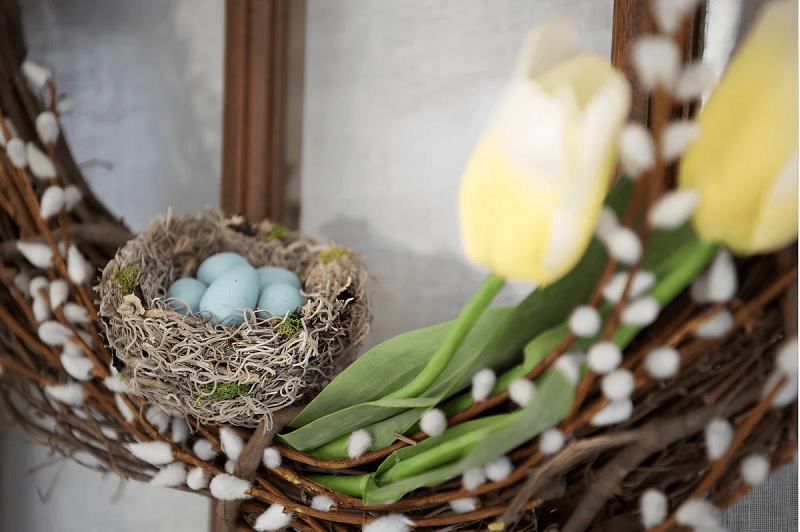
Another method is to gently attach lightweight mesh or netting behind the wreath to block easy access while still allowing it to look attractive. You can also try using bird-safe sprays made from natural ingredients that repel birds without causing harm. Regularly checking your wreath and removing any nesting materials early can prevent birds from settling in. Combining these tips helps maintain the wreath’s appearance and keeps your doorway inviting without the mess birds can leave behind.
Why Do Birds Nest in Door Wreaths?
Door wreaths can sometimes become unexpected nesting spots for birds, which can be frustrating for homeowners. Understanding why birds choose wreaths helps in managing this behavior and protecting your decorations. Birds look for safe, sheltered places to build their nests—places that protect their eggs and young from predators and harsh weather.
Door wreaths, often made of dense foliage or artificial greenery, offer an appealing combination of concealment and comfort. The location near a door can also provide some warmth and a sense of security, making wreaths an attractive nesting option.

Common Reasons Birds Choose Wreaths
Birds are instinctively drawn to environments that offer protection and easy access to resources. Wreaths hanging on doors fit this need perfectly. The dense branches or leaves can hide nests well from predators such as cats or larger birds. Additionally, wreaths often stay in one place for long periods, giving birds confidence that their nest site won’t be disturbed frequently.
The materials in wreaths—twigs, pine needles, moss, or synthetic fibers—are similar to natural nesting materials, making wreaths an easy and convenient choice for birds building their homes. Also, the height of a door wreath places the nest away from ground predators and disturbances.
Types of Birds That Frequently Nest in Wreaths
Certain bird species are more prone to nesting in door wreaths because of their nesting habits and adaptability. House sparrows are among the most common culprits; they thrive in urban environments and are known to build nests in all kinds of nooks and crannies, including wreaths. Finches and wrens are also frequent visitors, as they prefer sheltered, tight spaces to build their small, cup-shaped nests.
Occasionally, robins or even pigeons might use larger wreaths if they find the location suitable. These birds are opportunistic and adapt well to human environments, which makes wreaths a convenient nesting site. Knowing which birds are likely to nest in your wreath can help tailor deterrent strategies effectively.
Preventive Measures to Keep Birds Away
Protecting your door wreath from birds requires a combination of thoughtful choices and practical actions. Implementing preventive measures not only preserves the beauty of your wreath but also avoids the mess and damage birds can cause. These measures focus on selecting the right materials, strategic placement, and using effective deterrents to keep birds at a distance without harming them.
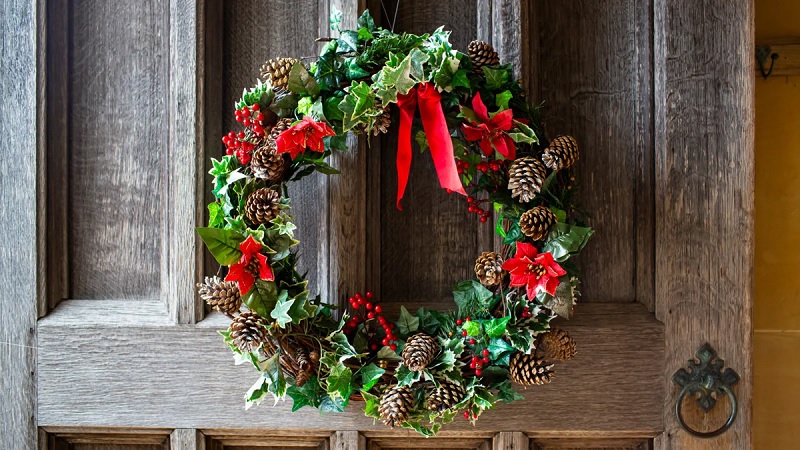
Choosing Bird-Resistant Wreath Materials
The materials you choose for your wreath can make a significant difference in whether birds find it inviting. Natural wreaths made of soft pine needles, twigs, or moss often attract birds looking for easy nesting materials. Opting for wreaths made from synthetic or less inviting materials can reduce this attraction.
Plastic or metal wreaths with smooth surfaces and fewer hiding spots discourage birds from settling. Additionally, wreaths that lack loose pieces or gaps where birds can easily build nests help prevent unwanted visitors. Using strong adhesives or wire to secure loose parts also makes the wreath less suitable for nesting.
Positioning and Placement Tips
Where you hang your wreath plays a key role in deterring birds. Avoid placing wreaths too close to trees, shrubs, or other structures that birds frequently use for perching or shelter. Choosing a location with some exposure to open space or wind can make the spot less comfortable for birds.
Hanging the wreath at a higher position, where it is less accessible, can also reduce bird interest. Regularly changing the wreath’s location or removing it when not in use, especially during nesting season, disrupts birds’ chances to settle. Lighting near the wreath can further discourage birds since they generally prefer darker, quieter spots.
Using Bird Deterrents Near Wreaths
Adding bird deterrents near your door wreath provides an extra layer of protection. Reflective objects like small mirrors, aluminum foil strips, or shiny ribbons fluttering in the breeze can scare birds away by creating unpredictable movement and light reflections. Sound deterrents, such as wind chimes or ultrasonic devices designed to repel birds, can also be effective in some cases.
Attaching lightweight bird netting or mesh around the wreath blocks access while maintaining the wreath’s aesthetic. Natural repellents made from essential oils like peppermint or garlic spray can discourage birds without harmful chemicals. Combining these deterrents with the right materials and placement ensures your wreath remains bird-free and visually appealing.
Natural and Safe Bird Deterrent Methods
Keeping birds away from your door wreath doesn’t require harmful chemicals or aggressive tactics. Natural and safe bird deterrent methods provide effective ways to discourage birds while respecting wildlife and the environment. These approaches use visual, sound, and scent techniques that gently encourage birds to find other places to nest or perch without causing them harm.

Visual Deterrents
Visual deterrents are among the simplest and most popular ways to keep birds at bay. Reflective tape, which glimmers and moves in the breeze, creates flashes of light that birds find unsettling. Hanging strips of this tape near or on the wreath can prevent birds from landing.
Another option is using decoys like plastic owls, hawks, or snakes positioned near the wreath to simulate natural predators. These decoys work best when moved regularly or combined with other deterrents, so birds don’t become accustomed to their presence. Brightly colored ribbons or shiny objects like old CDs also work well to create visual distractions that birds tend to avoid.
Sound Deterrents
Sound deterrents provide a non-intrusive way to encourage birds to move along. Ultrasonic devices emit high-frequency sounds that are unpleasant to birds but generally inaudible to humans. These devices can be strategically placed near doorways or wreaths to create an unwelcoming environment for nesting birds.
Additionally, wind chimes or other noise-making items that produce random sounds can startle birds and make the area less attractive. It’s important to vary the sounds or timing to prevent birds from becoming used to the noise, ensuring the deterrent remains effective.
Scent Deterrents
Birds rely heavily on their sense of smell to avoid predators or harmful environments, making scent deterrents a valuable natural tool. Essential oils like peppermint, citronella, or garlic are often used in sprays that can be applied around the wreath area.
These scents repel birds by creating an environment they find unpleasant. Homemade mixtures of water and these oils can be sprayed regularly, especially during peak nesting seasons. Unlike chemical repellents, natural scents are safe for pets, children, and the environment, offering a gentle yet effective solution to bird problems around wreaths.
Physical Barriers to Protect Your Wreath
Protecting your door wreath from birds often requires more than just deterrents — physical barriers provide a reliable way to prevent birds from landing, nesting, or causing damage. These barriers create a tangible obstacle that keeps birds away while allowing you to maintain the wreath’s decorative appeal. Two common and effective physical barrier methods include netting or mesh covers and protective sprays or coatings.
Netting and Mesh Covers
Using netting or mesh covers around your wreath is one of the most direct ways to stop birds from accessing it. Lightweight bird netting can be carefully draped over or behind the wreath, creating a barrier that is difficult for birds to penetrate. This method allows air and light to pass through, so your wreath remains visible and vibrant while keeping unwanted visitors out.
Fine mesh with small openings is best for preventing smaller birds and even insects from getting inside. Installation is simple: secure the netting to the door or wreath frame with discreet ties or hooks, ensuring it does not sag or create gaps. This approach is especially useful during nesting seasons when birds are most likely to settle. Since netting is reusable and easy to remove, it offers a flexible and practical solution.
Protective Sprays and Coatings
Another physical barrier option involves using sprays or coatings designed to deter birds through texture or taste. These products create a surface that birds find uncomfortable to land on or nest within. Many protective sprays are non-toxic and safe for plants, pets, and humans, making them an excellent choice for wreaths made from natural materials.
Some sprays leave a slightly sticky or bitter coating that discourages birds without damaging the wreath itself. Applying these coatings regularly, especially after rain or exposure to the elements, helps maintain their effectiveness. It’s important to choose sprays labeled as bird-safe and to follow the manufacturer’s instructions to avoid harming the wreath or surrounding plants.
Regular Maintenance and Inspection
Keeping your door wreath free from birds requires ongoing attention. Regular maintenance and inspection help prevent birds from settling and protect your wreath’s appearance and longevity. By routinely cleaning your wreath and checking for signs of bird activity, you can address problems early and avoid bigger issues down the line.
Cleaning Wreaths to Remove Nesting Material
One of the most important maintenance tasks is cleaning your wreath to remove any nesting materials birds may have started to accumulate. Twigs, feathers, leaves, and other debris can quickly build up if left unchecked, encouraging birds to stay longer or return. Using gentle tools like a soft brush or cloth, carefully sweep away any unwanted materials without damaging the wreath.
For artificial wreaths, wiping with a mild soap solution can refresh its look and remove dirt or droppings. Cleaning your wreath regularly also helps keep pests such as insects or mites at bay, which might be attracted by bird nests. It’s best to perform this cleaning during early spring or late winter before birds begin nesting in earnest.
Checking Wreaths Frequently for Bird Activity
Frequent inspection of your wreath is crucial to catching bird activity early before nests fully form. Look closely for signs like small twigs placed around the wreath, droppings, feathers, or unusual movement. Checking every few days during peak nesting seasons provides the best chance to intervene early.
If you notice birds showing interest or beginning to build nests, taking immediate action such as removing materials or repositioning the wreath can discourage them from staying. Regular inspections also help spot damage or wear from bird visits so you can repair or replace parts promptly, keeping your wreath looking its best year-round.
What to Do If Birds Have Already Nested
Discovering that birds have already nested in your door wreath can be a tricky situation. It’s important to handle it with care to protect both the birds and your property. Knowing the proper steps for safe nest removal and understanding the legal protections surrounding birds will help you navigate this challenge responsibly.
Safe Removal of Nests
Removing a bird’s nest requires patience and caution. First, make sure the nest is no longer active—meaning there are no eggs or baby birds present. Disturbing an active nest can cause harm to the birds and is often illegal. If the nest is inactive, you can gently remove it by hand or use gloves to carefully detach the nesting material from the wreath.
After removal, clean the area thoroughly to discourage birds from returning. For safety and effectiveness, consider consulting a wildlife expert or local animal control if you’re unsure about handling the nest yourself. It’s also a good practice to inspect your wreath regularly after removal and use deterrents or barriers to prevent future nesting.
Legal Considerations and Bird Protection Laws
Many bird species are protected by law, and disturbing their nests—especially during breeding season—can lead to serious legal consequences. Laws like the Migratory Bird Treaty Act in the United States protect most native birds, making it illegal to remove or destroy active nests without proper authorization.
Before taking any action, familiarize yourself with local regulations and the types of birds common in your area. If you find an active nest, the best course is to wait until the birds have left before removing it. In some cases, wildlife authorities can provide guidance or assistance. Respecting these laws ensures that you contribute to bird conservation while managing your wreath responsibly.
Additional Tips for Bird Control Around Your Home
Managing bird activity around your home involves more than just protecting a door wreath. Taking broader steps in your outdoor environment can reduce unwanted bird presence while supporting local wildlife in a responsible way. Thoughtful landscaping and strategic use of birdhouses are excellent methods to balance bird control with nature appreciation.
Landscaping Choices to Discourage Birds
Your landscaping plays a key role in either attracting or deterring birds. Dense shrubs and trees close to your house can provide easy perching and nesting spots, encouraging birds to linger near doorways and windows. Choosing plants that are less appealing for nesting or foraging can help discourage birds.
For example, thorny bushes such as hawthorn or holly create natural barriers that birds tend to avoid. Additionally, keeping your yard tidy by regularly trimming branches and removing fallen fruit or seeds reduces food sources that attract birds. Incorporating plants with strong scents like lavender or rosemary may also deter some bird species. Strategic landscaping can create an environment that’s less inviting for unwanted birds while maintaining a beautiful and bird-friendly garden overall.
Using Birdhouses to Redirect Nesting
Providing birdhouses in appropriate locations can help redirect birds away from your wreath and home exterior. Placing birdhouses in trees or other parts of your yard offers birds safe, designated nesting sites where they are less likely to cause problems. Choose birdhouses suited to the species common in your area and ensure they are mounted at the right height and away from heavy human traffic.
Birdhouses should be cleaned and maintained regularly to keep them attractive and safe for new occupants. By offering alternative homes, you reduce the chance that birds will settle in unwanted spots like your door wreath. This method supports local bird populations while giving you better control over where they nest.
Frequently Asked Questions
How Can I Prevent Birds From Nesting In My Door Wreath?
You can prevent birds from nesting in your door wreath by choosing materials that aren’t attractive to them, such as synthetic or smooth-surfaced wreaths. Adding physical barriers like bird netting or mesh behind the wreath blocks access, and placing reflective objects or decoys nearby helps scare birds away. Regularly inspecting and cleaning your wreath to remove any nesting attempts early also stops birds from settling in.
What Are The Best Natural Ways To Keep Birds Away From Wreaths?
Using natural deterrents like reflective tape, shiny ribbons, or old CDs near your wreath creates light reflections and movement that birds dislike. Sound deterrents like wind chimes or ultrasonic devices emit noises birds find unpleasant. Scent repellents made from essential oils such as peppermint or garlic sprayed lightly around the wreath area can also discourage birds without harming them.
Is It Safe To Remove Bird Nests From My Door Wreath?
Removing bird nests is safe as long as you ensure the nest is inactive—meaning no eggs or baby birds are inside. Disturbing active nests can harm birds and may be illegal. Once the nest is inactive, you can carefully remove it with gloves, clean the area, and take steps to prevent birds from rebuilding there. If unsure, consult a wildlife professional for guidance.
Can Changing The Location Of My Wreath Help Keep Birds Away?
Yes, relocating your wreath to a less bird-friendly spot can reduce bird interest. Avoid hanging it near trees, shrubs, or ledges where birds perch frequently. Choose an open area with some exposure to wind or light, which birds tend to avoid. Moving the wreath regularly or removing it when not in use during nesting seasons also helps disrupt birds’ nesting habits.
What Are Some Effective Physical Barriers To Protect Door Wreaths From Birds?
Physical barriers like lightweight bird netting or fine mesh covers installed around or behind the wreath are highly effective. They block birds from landing or nesting while allowing the wreath to remain visible. Protective sprays that create an uncomfortable texture on the wreath’s surface can also discourage birds from settling. Combining these barriers with visual or scent deterrents maximizes protection.
Conclusion
Keeping birds out of door wreaths requires a thoughtful mix of prevention, deterrents, and regular care. By choosing bird-resistant materials, using physical barriers like netting, and applying natural visual, sound, or scent deterrents, you can protect your wreath from unwanted nesting and damage. Regular inspection and cleaning help catch bird activity early, while relocating your wreath or adjusting landscaping can further reduce bird interest.
Remember to handle any existing nests with care and respect legal protections for birds. Combining these strategies creates a bird-free environment that keeps your wreath looking beautiful and inviting all year long, allowing you to enjoy your home’s charm without the hassle of feathered visitors.