
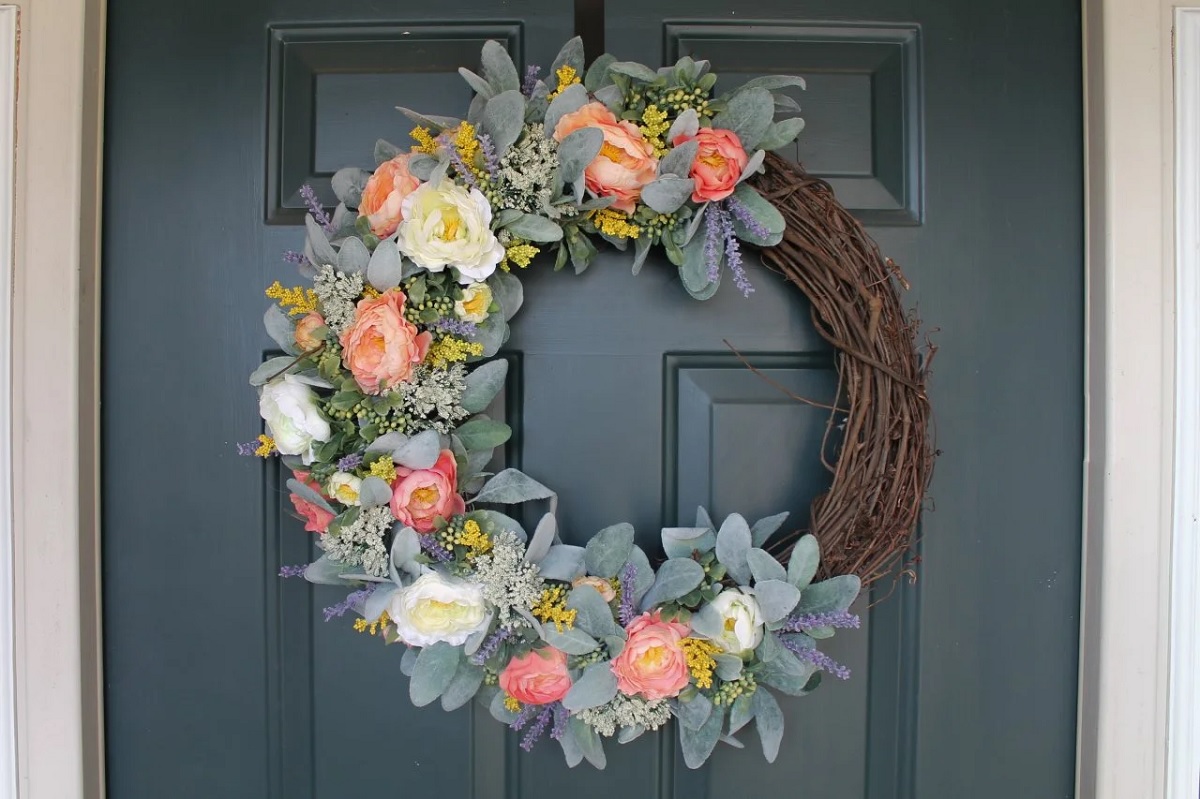
Wondering how to keep birds out of front door wreath? You’re not alone. Birds often find wreaths inviting spots to perch, nest, or even damage, which can be frustrating when you want your front door to look neat and welcoming. Whether it’s the bright colors, the greenery, or the cozy feel of a wreath, birds see it as a perfect hangout.
The good news is, with a few simple steps, you can protect your wreath without harming the birds or ruining your decor. This guide will share practical tips and easy solutions to keep your front door wreath bird-free, so it stays beautiful and intact all season long. Let’s explore effective ways to enjoy your wreath without the unwanted feathered visitors.
Understanding Why Birds Are Attracted to Wreaths
When birds decide to make a wreath their temporary home or favorite perch, it’s often puzzling and frustrating for homeowners. To effectively prevent this from happening, it helps to first understand why birds are attracted to wreaths in the first place. Wreaths offer several appealing features that make them an inviting spot for various bird species.
Common Reasons Birds Target Wreaths
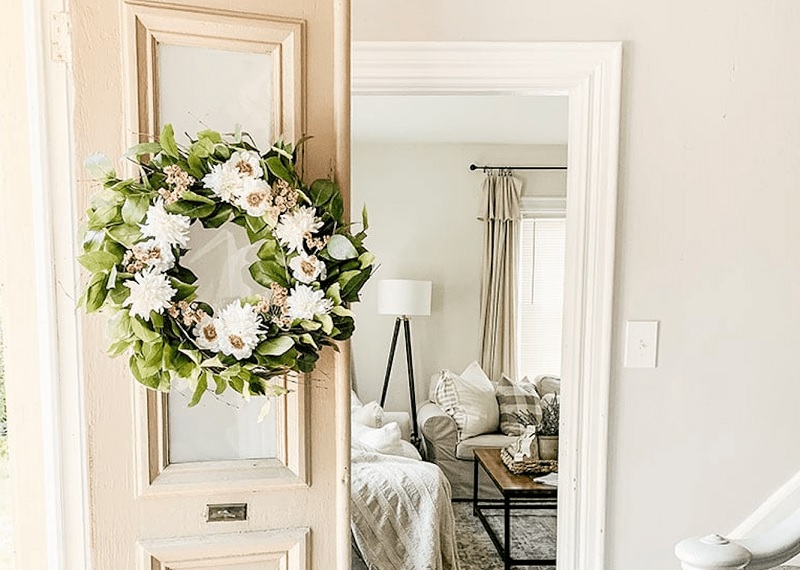
Birds are naturally drawn to wreaths for several reasons. First, wreaths provide shelter. Made from dense greenery, twigs, or artificial materials, wreaths create a cozy, protected environment that can shield birds from wind, rain, and predators. This makes wreaths an ideal place to rest or even build nests.
Another reason is warmth. Wreaths, especially those with thick foliage, can trap heat, providing a slightly warmer microenvironment in cooler weather. For birds, this can be a valuable refuge during chilly days or nights.
Additionally, wreaths often resemble natural bird habitats. Their circular shape and layered textures mimic natural nesting sites like bushes or tree cavities, making them an instinctively attractive choice for birds looking to settle down.
Finally, food sources near wreaths can also be a factor. If your wreath is placed near flowering plants, berry bushes, or feeders, birds may spend time around it while foraging and decide the wreath is a convenient spot to perch or nest.
Types of Birds Most Likely to Nest in Wreaths
Certain bird species are more inclined to make wreaths their home. Small songbirds such as sparrows, finches, and chickadees are common culprits. These birds typically prefer cozy, well-hidden spots for nesting, and wreaths can fit the bill perfectly.
House wrens are especially known for nesting in wreaths and other man-made structures. They are opportunistic nesters and will take advantage of any sheltered space that offers safety and easy access.
Robins, although larger, may also use wreaths if the conditions feel secure and the wreath is sturdy enough to support their nests.
Understanding which birds are most likely to target your wreath can help in choosing the right prevention methods. For example, deterrents that work for smaller birds might not be as effective for larger species, and vice versa.
By recognizing the reasons behind birds’ attraction to wreaths and identifying the common nesters, you can better protect your front door décor while coexisting peacefully with your feathered neighbors.
Preventative Measures to Deter Birds
Keeping birds away from your front door wreath doesn’t have to be a battle. By taking a few thoughtful steps, you can discourage birds from making your wreath their perch or nest without harming them or ruining your décor. Here are some practical preventative measures to keep your wreath bird-free.
Choosing Bird-Resistant Wreath Materials
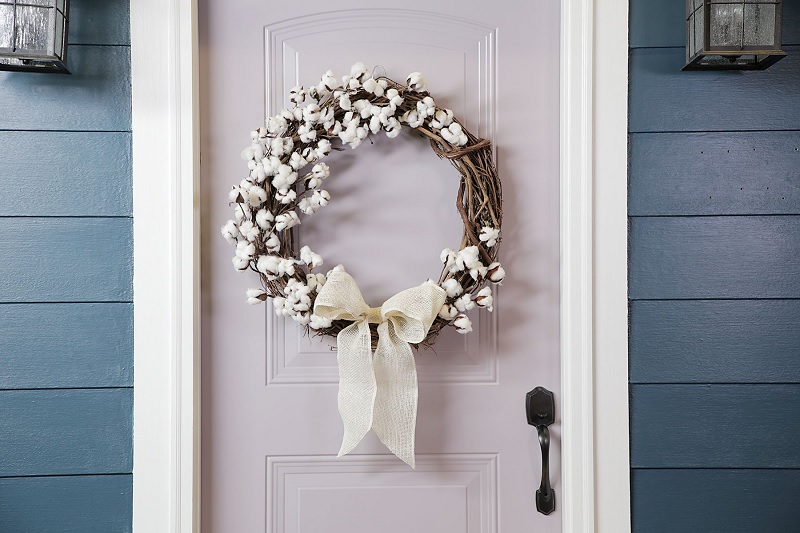
One of the most effective ways to prevent birds from settling on your wreath is to choose materials that are less appealing or uncomfortable for them. Natural wreaths made of soft greenery, pine needles, or twigs can feel like inviting nesting spots. Instead, consider wreaths made from synthetic materials or those with smoother textures that don’t offer the same cozy hiding places.
Materials such as metal, plastic, or tightly woven fabric wreaths tend to be less attractive to birds. Also, wreaths that lack deep crevices or loose elements make it harder for birds to grasp or build nests. Another tip is to avoid wreaths with bright berries or shiny decorations that might attract curious birds.
Location and Placement Tips
Where you hang your wreath plays a big role in whether birds will target it. Avoid placing your wreath near trees, shrubs, or bird feeders, as these natural attractions can encourage birds to linger nearby.
If possible, hang your wreath on a smooth surface like a metal or glass door rather than on a wooden or textured door frame where birds can perch easily. Also, positioning your wreath at a height that makes access difficult for larger birds can be helpful.
Keep the surrounding area tidy and free of fallen seeds or food that could attract birds to your doorstep. Regularly cleaning nearby surfaces can reduce the overall appeal for birds in the area.
Using Bird Deterrents Near Wreaths
There are several humane deterrents you can use to discourage birds from approaching your wreath. Reflective objects like small mirrors, aluminum foil strips, or hanging CDs can create flashes of light that birds dislike, encouraging them to stay away.
Another option is to use natural bird repellents such as sprays made from essential oils like peppermint or citronella around the wreath area. These scents are unpleasant to birds but safe for your plants and decorations.
Ultrasonic bird repellents or motion-activated devices can also be effective, especially if birds have already developed a habit of visiting your wreath.
Combining these deterrents with the right materials and placement can create a strong defense against birds, helping you maintain a beautiful front door wreath all year round without the feathered interruptions.
Physical Barriers and Modifications
When birds persistently target your front door wreath, physical barriers and smart modifications can be highly effective in keeping them away. These solutions create a direct obstacle for birds, discouraging them from landing, nesting, or causing damage. Here are some practical methods you can use to protect your wreath without harming the birds.
Installing Netting or Mesh Around the Wreath
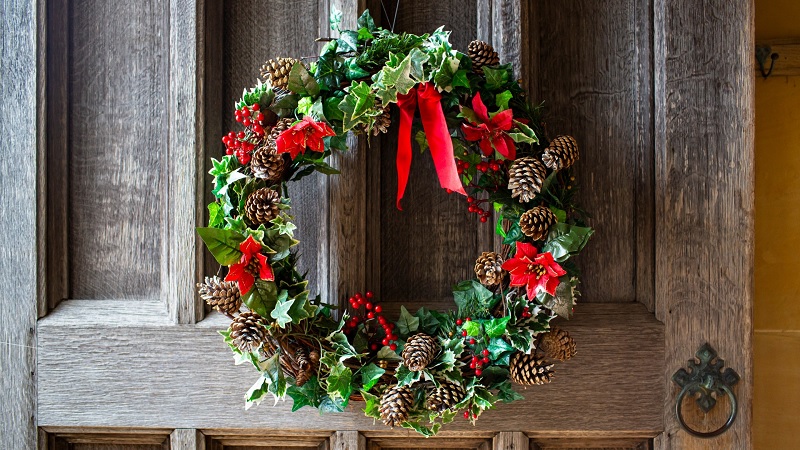
One of the most straightforward physical barriers is installing fine netting or mesh around your wreath. This acts as a protective shield that prevents birds from reaching the wreath’s surface. Use lightweight bird netting made of nylon or plastic, which is almost invisible from a distance but strong enough to block access.
To install, carefully drape the netting over the wreath and secure it at the back with twist ties or small hooks, ensuring it’s taut and doesn’t sag. This keeps birds from getting inside or building nests while still allowing the wreath to remain visible and decorative.
Make sure the mesh holes are small enough to stop even small birds like sparrows or finches from slipping through. Regularly check the netting for any tears or gaps and repair them promptly to maintain its effectiveness.
Using Reflective or Moving Objects
Birds are naturally wary of sudden movements and bright reflections, so using reflective or moving objects near your wreath can help scare them away. Hanging small shiny items such as old CDs, metallic ribbons, or reflective tape nearby creates flashes of light when the sun hits them, startling birds and discouraging them from approaching.
Wind chimes or lightweight mobiles that gently move with the breeze also work well. The motion and noise can create an unpredictable environment that birds prefer to avoid.
Position these objects close to the wreath, but not so close that they interfere with the wreath’s appearance. The goal is to create a bird-unfriendly zone around your front door without making it look cluttered.
Applying Safe Bird Repellent Sprays
Bird repellent sprays provide a chemical-free way to deter birds from landing on or near your wreath. These sprays usually contain natural ingredients like essential oils that birds find unpleasant but are safe for humans, pets, and plants.
To use, lightly spray around the wreath’s edges and nearby areas, reapplying as needed after rain or over time. Make sure to follow the product instructions carefully to avoid damaging your wreath materials.
Some homemade alternatives involve mixing water with peppermint or citronella oil, both known for their bird-repelling properties. These can be sprayed regularly to maintain a scent barrier.
By combining physical barriers with reflective objects and safe repellents, you can effectively keep birds off your wreath while preserving its charm and beauty. These methods offer a humane and practical way to enjoy your front door décor all year long.
Maintenance and Regular Checks
Even with the best preventative measures, keeping birds out of your front door wreath requires ongoing attention. Regular maintenance and timely checks can help you catch any issues early, protect your wreath’s appearance, and avoid bigger problems down the line. Here’s how to stay on top of wreath care through simple but effective practices.
Inspecting the Wreath Frequently
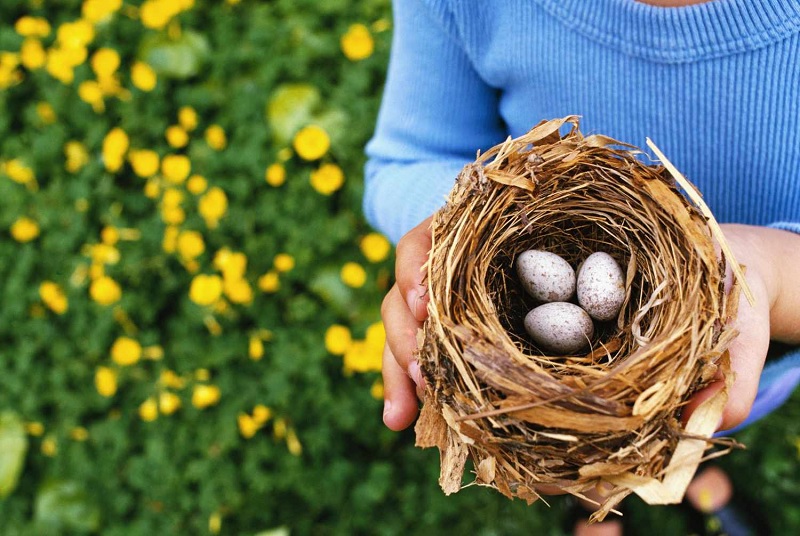
Routine inspection is key to preventing birds from settling in your wreath. Take a few moments every week to closely examine your wreath for any signs of bird activity. Look for feathers, droppings, or any loose twigs and materials that birds might be using to build nests.
Early detection allows you to act before birds become fully established. Checking your wreath from different angles can help spot hidden spots where birds might be sneaking in. If you notice any damage or changes, address them promptly to keep the wreath intact.
Additionally, frequent inspections help you assess whether your bird deterrents, such as netting or reflective objects, are still working effectively or need adjustments.
Removing Nests or Debris Early
If you find nests or bird debris in your wreath, it’s important to remove them as soon as possible. Birds tend to return to the same safe nesting sites, so eliminating these early discourages them from coming back.
Use gloves and carefully clear away any twigs, leaves, or feathers without damaging the wreath’s structure. Avoid disturbing active nests with eggs or baby birds, as this can be harmful and is often illegal in many areas.
Regular removal of debris not only keeps your wreath looking fresh but also minimizes the chance of attracting other pests like insects or rodents that might be drawn to leftover nesting material.
Seasonal Wreath Care Tips
Caring for your wreath through the seasons can also reduce bird problems. For outdoor wreaths, consider taking them down during peak nesting seasons in spring and summer and storing them indoors or in a sheltered area.
If your wreath is made from natural materials, refresh it by replacing worn or damaged parts. For artificial wreaths, a gentle cleaning with water and mild soap can remove dust, dirt, and bird residue that may have accumulated.
Applying a light coat of bird-safe deterrent spray seasonally can also help keep birds at bay throughout the year. Be sure to store your wreath properly during off-seasons to protect it from weather damage and reduce bird interest.
Alternative Decoration Ideas to Avoid Bird Problems
If keeping birds away from your front door wreath feels like a constant challenge, switching up your decorating approach might be the best solution. There are several alternative ideas that allow you to enjoy beautiful décor while minimizing bird-related issues. These options focus on using materials and decorations that don’t attract or accommodate birds, helping keep your entryway neat and hassle-free.
Using Artificial or Indoor Wreaths
One simple way to avoid bird problems is to opt for artificial wreaths instead of natural ones. Artificial wreaths are often made from materials like plastic, foam, or fabric that don’t provide the same cozy environment birds seek for nesting. They are usually less attractive to birds because they lack the soft foliage and scent of natural greenery.
Indoor wreaths are another great alternative, especially if you want to completely eliminate the risk of birds landing or nesting on your décor. Hanging a wreath inside your front door or in a foyer creates a festive, welcoming vibe without any exposure to outdoor wildlife.
Artificial wreaths also offer the benefit of durability, lasting through multiple seasons without the wear and tear natural wreaths experience. Plus, they’re easier to clean and maintain, so you spend less time worrying about bird damage or debris.
Decorating With Bird-Safe Items
If you prefer natural decorations but want to reduce bird interest, consider using bird-safe items that are less inviting for nesting or perching. For example, instead of lush greenery, try wreaths made with dried flowers, grasses, or minimalist designs featuring pinecones, cinnamon sticks, or berries that are less appealing as shelter.
You can also decorate with items that discourage birds while still looking beautiful. Adding ornamental metal accents, wired ribbons, or lightweight decorative balls can make the wreath less cozy and harder to settle on.
Another creative option is to focus on non-wreath décor around your front door. Hanging planters with fragrant herbs like lavender or rosemary can provide lovely color and scent without attracting birds. Using outdoor wall art or seasonal banners can also bring festive cheer without the nesting risks.
When to Seek Professional Help
Sometimes, despite your best efforts, bird-related issues around your front door wreath can become more serious or difficult to manage on your own. Knowing when to call in professional help is important for protecting your home, ensuring safety, and addressing the problem effectively and humanely. Here’s how to recognize when professional intervention is needed and how to find the right experts.
Identifying Bird-Related Damage
Birds nesting or frequently perching on your wreath may cause more than just minor inconveniences. It’s important to watch for signs that indicate the problem has escalated. These signs can include torn or shredded wreath materials, bird droppings staining your door, wreath, or surrounding areas, and nests built directly on or near your wreath that might block your front entrance.
You might also notice accumulated debris such as feathers, twigs, and nesting materials creating a mess, damage to paint or wood caused by persistent bird activity, or loud, constant bird noise and aggressive bird behavior that disturbs your household. If you observe any of these issues, the problem likely goes beyond a simple deterrent fix. Prolonged bird presence can sometimes lead to health risks due to bacteria or parasites carried by droppings and nests, making professional assistance necessary.
Contacting Wildlife Control Experts
When bird problems become unmanageable, reaching out to wildlife control professionals is a smart step. These experts have the knowledge, experience, and tools to safely and humanely handle bird removal and prevention. Professional wildlife control services can assess the extent of bird infestation or damage, safely remove nests and birds—especially during sensitive nesting periods—and install effective exclusion devices or barriers to prevent future bird access.
They also provide advice on long-term solutions tailored to your specific situation and ensure compliance with local wildlife protection laws, as many bird species are legally protected. Before hiring, make sure the company specializes in bird control and uses humane, environmentally responsible methods. A reputable service will clearly explain their approach and avoid harming the birds unnecessarily. Seeking professional help can save you time, reduce stress, and protect your home and family while resolving bird-related issues effectively.
Frequently Asked Questions
How Can I Prevent Birds From Nesting In My Front Door Wreath?
To prevent birds from nesting in your front door wreath, start by choosing materials that are less inviting, such as artificial wreaths made from plastic or metal rather than natural greenery. Position your wreath away from trees, shrubs, or bird feeders that attract birds nearby. You can also use physical deterrents like bird netting or mesh around the wreath to block access.
Reflective objects like hanging CDs or shiny ribbons near the wreath create flashes of light that scare birds away. Regularly inspect your wreath and remove any nesting materials early before birds settle in. Using safe bird repellent sprays around the area can further discourage birds without harming them.
What Are The Best Materials For Bird-Resistant Wreaths?
The best materials for bird-resistant wreaths include synthetic and smooth materials such as plastic, metal, or tightly woven fabrics. These materials don’t offer the soft, dense cover birds seek for nesting or shelter. Artificial wreaths made from these materials are also more durable and easier to maintain. Avoid wreaths with loose foliage, soft pine needles, or bright berries, as they tend to attract birds. If you prefer natural wreaths, look for designs with minimal depth and fewer crevices, making it harder for birds to perch or build nests.
Are There Safe Bird Repellents I Can Use On My Wreath?
Yes, there are several safe bird repellents you can use on your wreath. Many commercial bird repellent sprays contain natural ingredients like essential oils (peppermint, citronella) that birds find unpleasant but are safe for humans, pets, and plants. You can also create homemade repellents by mixing water with a few drops of these oils and lightly spraying around your wreath and nearby areas.
Reapply the repellent after rain or every couple of weeks for best results. Avoid harsh chemicals that might damage your wreath or harm wildlife. Repellents work best combined with physical deterrents and proper wreath placement.
How Often Should I Check My Front Door Wreath For Bird Activity?
It’s a good idea to check your front door wreath for bird activity at least once a week, especially during spring and summer when birds are actively nesting. Frequent inspections allow you to spot early signs of bird presence, such as feathers, droppings, or loose nesting materials, before birds become established. Regular checks help you maintain the wreath’s appearance and effectiveness of deterrents. If you notice signs of nesting, remove debris promptly, but avoid disturbing active nests with eggs or chicks due to legal protections.
When Should I Consider Hiring A Professional To Remove Birds From My Wreath?
You should consider hiring a professional wildlife control expert if bird-related problems around your wreath become persistent or severe. Signs that you need professional help include extensive damage to your wreath or property, large nests blocking your doorway, aggressive bird behavior, or repeated nesting despite your own deterrent efforts.
Professionals can safely and humanely remove nests and birds, install exclusion devices, and provide long-term solutions while complying with wildlife protection laws. If you’re unsure how to handle the situation or want to avoid legal issues, contacting experts ensures the problem is resolved effectively and responsibly.
Final Words
Keeping birds out of your front door wreath is all about combining smart prevention, regular maintenance, and gentle deterrents. By choosing bird-resistant materials, placing your wreath thoughtfully, and using physical barriers like netting or reflective objects, you can protect your wreath from becoming a nesting spot. Regular inspections and prompt removal of nests or debris help maintain its appearance and prevent problems before they grow.
If the issue persists or causes damage, seeking professional help ensures safe and effective resolution. With these steps, you can enjoy a beautiful, bird-free wreath that welcomes guests without unwanted feathered visitors. Taking proactive care makes all the difference in preserving your wreath’s charm and keeping your entryway inviting year-round.