
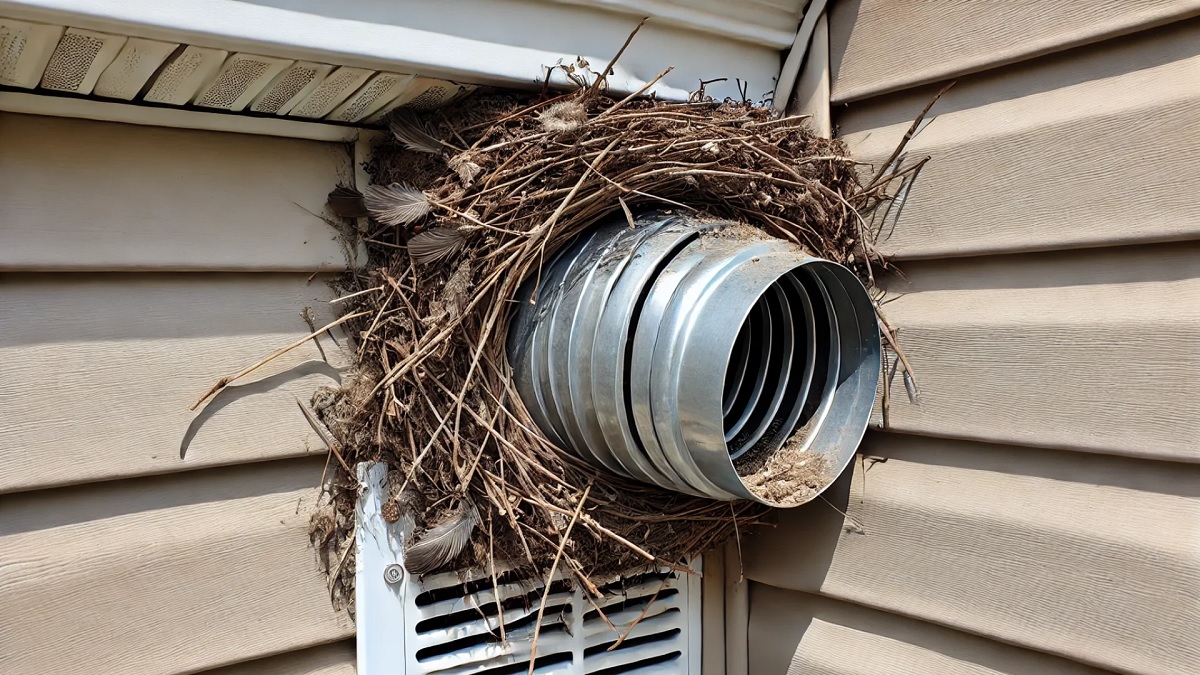
Keeping birds out of your furnace exhaust is more important than many homeowners realize. Birds can cause serious problems when they nest or roost near your furnace vents, leading to blockages that reduce efficiency, create fire hazards, or even cause carbon monoxide buildup inside your home. If you’re wondering how to keep birds out of furnace exhaust, you’re not alone—this is a common concern, especially in areas where birds are active year-round.
In this guide, we’ll walk you through practical and effective steps to prevent birds from making your furnace vent their new home. From installing protective covers to regular maintenance tips, these solutions will help keep your furnace running safely and smoothly. Addressing this issue early can save you from costly repairs and ensure your home remains safe and comfortable. So, let’s dive into the best ways to keep birds out of furnace exhaust and protect your heating system.
Why Birds Nest in Furnace Exhausts
Birds are naturally drawn to safe, sheltered spots to build their nests, especially during breeding seasons. Furnace exhausts often provide an attractive location for these birds because they offer protection from predators, harsh weather, and disturbances. The vent pipes or exhaust outlets are usually small, enclosed spaces that feel secure to birds looking for a quiet place to lay their eggs and raise their young. Additionally, the warmth generated by furnace exhausts can create a cozy environment, particularly during colder months, making these spots even more appealing.
Common Bird Species That Nest in Exhausts
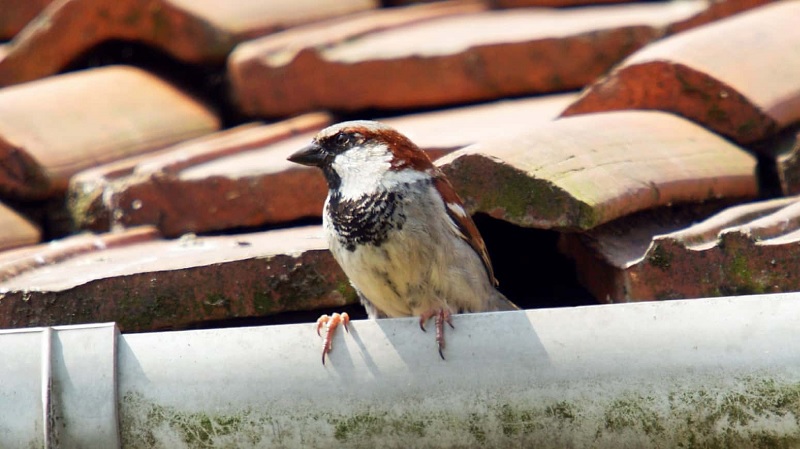
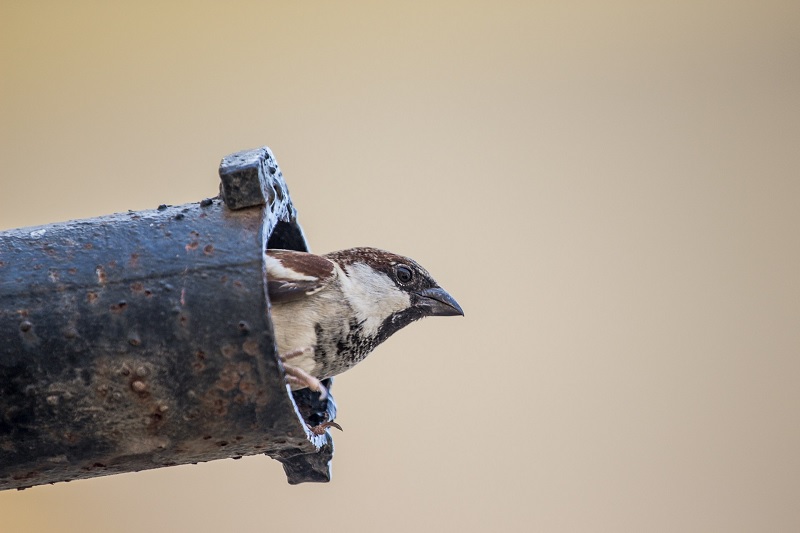
Certain bird species are more prone to nesting in furnace exhausts due to their size and nesting habits. For example, house sparrows are small, adaptable birds notorious for nesting in man-made structures, including vents and exhaust pipes. They can squeeze into tight spaces and quickly build nests with twigs, grass, and other debris. Starlings are also common offenders; known for their aggressive nesting behavior, they often take over vents and exhaust pipes.
Their nests can become quite large and dense, causing serious blockages. Pigeons, being larger than sparrows and starlings, may use wider exhaust openings. They prefer sheltered ledges or cavities and may build nests near or inside exhaust vents if accessible. These birds find furnace exhausts ideal because they offer shelter and a relatively predator-free environment, which can be hard to find in urban and suburban settings.
Risks of Birds Nesting in Furnace Exhausts
While birds nesting near your furnace exhaust might seem harmless, the consequences can be quite serious. Nests and debris can clog the exhaust vent, preventing proper airflow. This blockage forces your furnace to work harder, increasing energy costs and reducing the unit’s lifespan. Another major concern is fire hazards; the materials birds use to build nests—such as twigs, leaves, and feathers—are highly flammable. When combined with the heat from the exhaust, this significantly raises the risk of fire.
Perhaps the most dangerous risk is carbon monoxide buildup. If exhaust gases cannot escape properly due to blockages, carbon monoxide can back up into your home, posing a serious health threat to occupants. Additionally, nesting materials can cause corrosion or damage to the exhaust system, leading to costly repairs or replacements. Understanding these risks highlights why it’s important to address bird nesting around furnace exhausts promptly to protect both your heating system and home safety.
Signs Birds Are Nesting in Your Furnace Exhaust
Signs that birds are nesting in your furnace exhaust include unusual noises like chirping or fluttering sounds near the vent, especially during spring and summer. You might also notice debris, such as twigs or feathers, around the exhaust opening. Reduced furnace efficiency or strange odors could indicate a blockage caused by a nest. Additionally, sudden drafts or changes in airflow near the vent may suggest that birds have taken up residence inside the exhaust pipe.
Preventative Measures to Keep Birds Out
Keeping birds out of your furnace exhaust is essential to prevent blockages, damage, and safety risks. Fortunately, there are several effective preventative measures you can take to discourage birds from nesting in or around your exhaust vents. Below, we explore some practical solutions that help protect your furnace and keep your home safe.
Install Bird Guards or Screens
One of the simplest and most effective ways to prevent birds from accessing your furnace exhaust is by installing bird guards or screens. These guards are designed to cover the exhaust openings while still allowing proper airflow. Made from durable materials like metal or heavy-duty plastic, bird guards create a physical barrier that stops birds from entering. They are easy to install and come in various sizes to fit different vent types. By blocking entry points, these guards help ensure that birds cannot build nests inside the exhaust system.
Use Mesh or Wire Covers
Similar to bird guards, mesh or wire covers act as a protective shield for your furnace exhaust. Fine mesh screens made of galvanized steel or aluminum allow air to flow freely but prevent even small birds from squeezing through. Wire covers can also be customized to fit securely around vents, ensuring there are no gaps for birds to exploit. These covers are weather-resistant and provide long-lasting protection, making them a popular choice for many homeowners aiming to keep birds out of their exhaust vents.
Apply Bird Repellent Devices
Bird repellent devices come in various forms, including gels, sprays, and spikes that discourage birds from landing or nesting near vents. These repellents are designed to be safe for birds but make the area uncomfortable or uninviting. Applying non-toxic bird repellent gels around the exhaust opening or on nearby surfaces can help keep birds at bay. Spikes can be installed on ledges or flat surfaces close to the vent to prevent birds from perching and scouting for nesting spots.
Visual Deterrents
Visual deterrents can be a highly effective way to scare birds away from your furnace exhaust. Reflective tape, for example, flashes in the sunlight and creates unpredictable light patterns that birds find unsettling. Hanging strips of reflective tape near vents can discourage birds from approaching. Decoys, such as fake owls or hawks, can also be strategically placed to mimic predators, making birds think the area is unsafe. Regularly moving these decoys enhances their effectiveness, as birds quickly learn to ignore stationary ones.
Sound Deterrents
Sound deterrents use noises to keep birds away from specific areas. Devices that emit predator calls, distress signals, or ultrasonic sounds can discourage birds from nesting near your furnace exhaust. While some birds may eventually get used to these sounds, combining sound deterrents with physical barriers like guards or mesh screens improves overall results. These devices are best used as part of a multi-layered approach to bird control.
Regular Maintenance and Inspection
Ensuring your furnace exhaust remains free from bird nests and debris requires regular maintenance and inspection. Routine care not only helps prevent blockages but also ensures your heating system runs efficiently and safely. By staying proactive, you can avoid costly repairs and minimize risks associated with bird nesting in exhaust vents.
Cleaning the Exhaust Vent
One of the most important maintenance tasks is cleaning the exhaust vent regularly. Over time, nests, twigs, leaves, feathers, and other debris can accumulate around or inside the vent, restricting airflow. This buildup can cause your furnace to work harder, leading to higher energy bills and potential damage to the system.
Cleaning the vent involves carefully removing any visible nests or debris from the exterior opening and, if possible, inside the vent pipe itself. Use a flashlight to inspect the interior and a long brush or flexible rod to clear blockages. It’s important to perform this cleaning at least once or twice a year, especially before the heating season begins. Additionally, make sure the vent cover or screen is intact and free from damage to keep birds and other animals from entering again.
Scheduling Professional Inspections
While regular homeowner maintenance is valuable, scheduling professional inspections is equally important. HVAC professionals have the tools and expertise to conduct thorough examinations of your furnace exhaust system. During an inspection, they will check for any signs of bird nesting, blockages, corrosion, or damage that might not be visible from the outside.
Professionals can also test for proper ventilation and ensure that exhaust gases, including carbon monoxide, are safely venting outside your home. Annual or bi-annual inspections are recommended to keep your furnace in optimal condition and to catch potential problems early. If nesting is found, professionals can safely remove it and advise you on additional preventative measures.
Alternative Solutions
If traditional methods of keeping birds out of your furnace exhaust aren’t quite enough or if you’re looking for additional ways to protect your home, there are alternative solutions worth considering. Redirecting exhaust vents and using exhaust caps can offer effective long-term protection by minimizing bird access and improving your system’s safety.
Redirecting Exhaust Vents
One of the most effective alternative solutions is redirecting your furnace exhaust vents to less accessible locations. Birds are often attracted to vents that are easily reachable or tucked away in quiet corners. By relocating the exhaust outlet to a higher position or an area that is difficult for birds to access, you can significantly reduce the chances of birds nesting there. For example, vents installed higher on walls or roofs are less likely to become bird habitats.
Additionally, positioning the vent away from nearby trees, ledges, or structures that birds use for perching can discourage them from approaching. Redirecting exhaust vents might require professional assistance to ensure proper airflow and compliance with building codes, but the investment often pays off by providing a safer, bird-free venting system.
Using Exhaust Caps
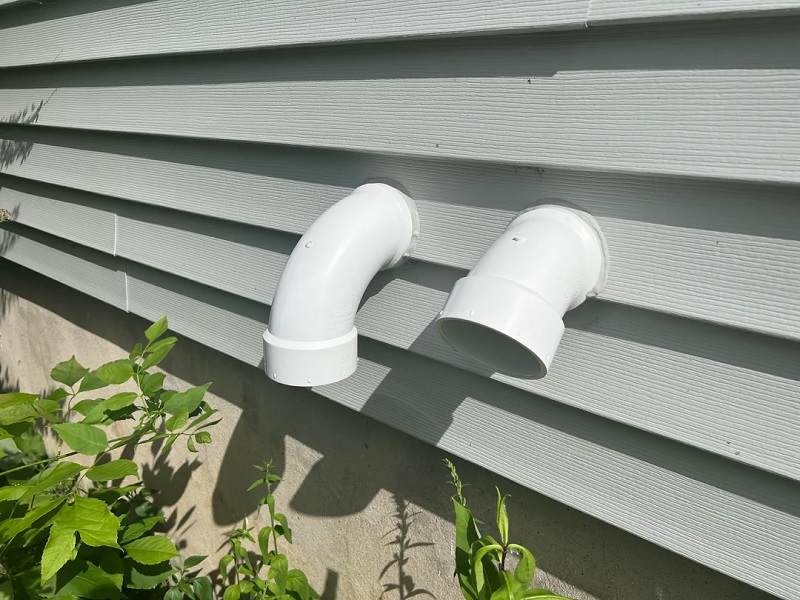
Exhaust caps are specially designed covers that fit over the end of your furnace’s exhaust pipe. These caps allow exhaust gases to exit freely while blocking birds, rodents, and other pests from entering. Many exhaust caps come with built-in mesh screens or protective flaps that act as physical barriers without impeding ventilation.
Some designs also include rain guards, which prevent water from entering the vent—a common issue that can lead to rust and damage over time. Installing an exhaust cap is a straightforward and cost-effective way to enhance your furnace exhaust’s protection. They are available in various materials such as stainless steel, aluminum, and durable plastic, ensuring long-lasting performance. Properly fitted exhaust caps not only keep birds out but also help maintain the integrity and efficiency of your heating system.
What to Do If Birds Are Already Nesting
Discovering that birds have already made a nest in your furnace exhaust can be concerning, but handling the situation carefully is crucial for both your safety and the birds’ well-being. Removing nests improperly can damage your heating system or harm the birds, so it’s important to approach this task thoughtfully and follow legal guidelines.
Safe Removal of Nests
If you find an active bird nest inside your furnace exhaust, it’s best to avoid disturbing it immediately, especially during breeding season. Birds and their eggs are often protected, and sudden removal could harm the birds or cause them to return repeatedly. Once the nesting season is over and the birds have naturally left, you can proceed with removal.
Start by turning off your furnace to prevent any accidents or exposure to harmful exhaust gases. Wearing gloves and a mask for protection, carefully remove the nest and any debris blocking the vent. Use a flashlight and long tools, such as a flexible brush or rod, to reach deep inside the exhaust pipe. After clearing the area, clean the vent thoroughly to ensure no remaining materials could cause blockages or odors. If the nest is large or difficult to access, consider hiring a professional pest control or HVAC technician who has experience with safe bird nest removal.
Legal Considerations and Permits
Before removing any bird nests, it’s important to be aware of local laws protecting birds and their habitats. In many regions, species such as migratory birds are protected under laws like the Migratory Bird Treaty Act, which prohibits disturbing or destroying active nests without proper permits. Violating these laws can result in fines or legal penalties.
If birds are nesting during a protected period, you may need to wait until the young have fledged and the nest is inactive before removal. In some cases, you might require a permit from wildlife authorities to remove nests legally. Consulting with local wildlife agencies or professional wildlife removal experts can help ensure you follow the appropriate regulations and handle the situation responsibly.
Frequently Asked Questions
How Can I Prevent Birds From Nesting In My Furnace Exhaust?
You can prevent birds from nesting in your furnace exhaust by installing physical barriers such as bird guards, mesh screens, or exhaust caps that block access while allowing airflow. Regularly inspect and clean the vent area to remove any debris or early signs of nesting. Visual deterrents like reflective tape or decoys and sound deterrents can also discourage birds from approaching. Positioning vents away from trees or ledges that birds use for perching can reduce the likelihood they’ll nest nearby.
What Are The Risks Of Having Birds Nest In Furnace Exhaust?
When birds nest in your furnace exhaust, it can cause serious problems like blockages that reduce airflow and furnace efficiency. This makes your heating system work harder, increasing energy costs and potentially causing damage. Nest materials are flammable, which creates a fire hazard, especially with the heat generated by the furnace. Most dangerously, blocked exhaust vents can lead to carbon monoxide buildup inside your home, putting you and your family at risk of poisoning.
How Do I Know If Birds Are Nesting In My Furnace Exhaust?
Signs that birds may be nesting in your furnace exhaust include hearing chirping or fluttering noises near the vent, especially during breeding seasons. You might notice feathers, twigs, or other nesting materials around the exhaust opening. If your furnace is less efficient or you smell unusual odors, these could also indicate a blockage caused by a nest. Additionally, drafts or changes in airflow near the vent could suggest birds have taken up residence inside the pipe.
Can I Remove Bird Nests From My Furnace Exhaust Myself?
If the nest is inactive and the birds have left, you can remove it yourself by turning off your furnace and carefully clearing the debris using gloves and proper tools. However, if the nest is active, it’s best to wait until the birds have fledged to avoid harming them. In some cases, removing nests requires permits due to wildlife protection laws. For large or hard-to-reach nests, or if you’re unsure how to proceed, hiring a professional is the safest option to avoid damage or legal issues.
Are There Legal Restrictions On Removing Bird Nests From Furnace Exhausts?
Yes, there are often legal restrictions protecting birds and their nests, especially for migratory or protected species. Laws such as the Migratory Bird Treaty Act prohibit disturbing active nests without appropriate permits. You must ensure the nest is inactive before removal or obtain permission from local wildlife authorities. It’s important to check local regulations or consult with wildlife professionals to comply with laws and avoid penalties.
What Maintenance Steps Should I Take To Keep My Furnace Exhaust Bird-Free?
Regular maintenance is key to keeping your furnace exhaust bird-free. Clean the exhaust vent at least once or twice a year to remove any debris or signs of nesting. Inspect the vent and surrounding area frequently, especially during nesting season, for any signs of bird activity. Repair or replace damaged screens, guards, or caps promptly. Scheduling annual professional inspections can help detect hidden blockages or damage early and ensure your exhaust system remains safe and efficient.
Conclusion
Keeping birds out of your furnace exhaust is essential for maintaining a safe and efficient heating system. Birds nesting in exhaust vents can cause blockages, fire hazards, and dangerous carbon monoxide buildup, putting your home and family at risk. By taking proactive steps—such as installing bird guards or mesh screens, using visual and sound deterrents, and performing regular maintenance—you can effectively prevent birds from making your furnace vent their home.
If birds are already nesting, it’s important to handle removal carefully and legally, often with professional help. Staying vigilant with inspections and preventative measures ensures your furnace operates smoothly and safely throughout the year, giving you peace of mind and protecting your investment.