

If you’ve ever set up rat traps around your home or garden, you might have noticed an unexpected problem: birds getting caught or scared away by the traps. It’s frustrating because while you’re trying to control the rat population, you don’t want to harm or disturb local wildlife. That’s where knowing how to keep birds out of rat traps becomes really important. Birds are naturally curious, and many traps—especially those placed outdoors—can unintentionally attract them.
By taking some simple but effective precautions, you can protect birds from harm and still keep your rat problem under control. This guide will walk you through practical, easy-to-follow steps to ensure your traps are rat-focused and bird-safe, making your pest control efforts both humane and effective. Whether you’re dealing with a rat issue at home or in a garden, learning how to keep birds out of rat traps is key to balancing safety for all animals involved.
Understanding the Problem
When dealing with rat infestations, traps are a common and effective solution. However, an often-overlooked issue is the unintended impact these traps can have on local bird populations. Understanding why birds are attracted to rat traps and the risks these traps pose to them is crucial for anyone looking to manage pests responsibly.
Why Birds Are Attracted to Rat Traps
Birds are naturally curious creatures, and many species are opportunistic feeders. Rat traps, especially those baited with food, can easily attract birds searching for an easy meal. The scent of bait—whether it’s peanut butter, cheese, or nuts—can draw birds in from quite a distance. For example, songbirds and even some larger birds like crows or pigeons may investigate the traps, mistaking the bait for a potential food source.
Additionally, traps placed in accessible outdoor areas such as gardens, patios, or garages often intersect with birds’ natural foraging paths. Birds might land nearby or peck at the bait, unintentionally triggering the trap or becoming trapped themselves. This attraction is intensified in seasons when natural food sources are scarce, such as late fall or winter, making traps an even more tempting target.
Risks to Birds from Rat Traps
The consequences of birds interacting with rat traps can be serious. Snap traps, glue boards, and other common types of rat traps are designed to quickly catch or immobilize rats, but they are not selective. Birds caught in these traps can suffer injuries ranging from broken limbs to fatal wounds. Even if the bird escapes, the experience can cause severe stress and harm.
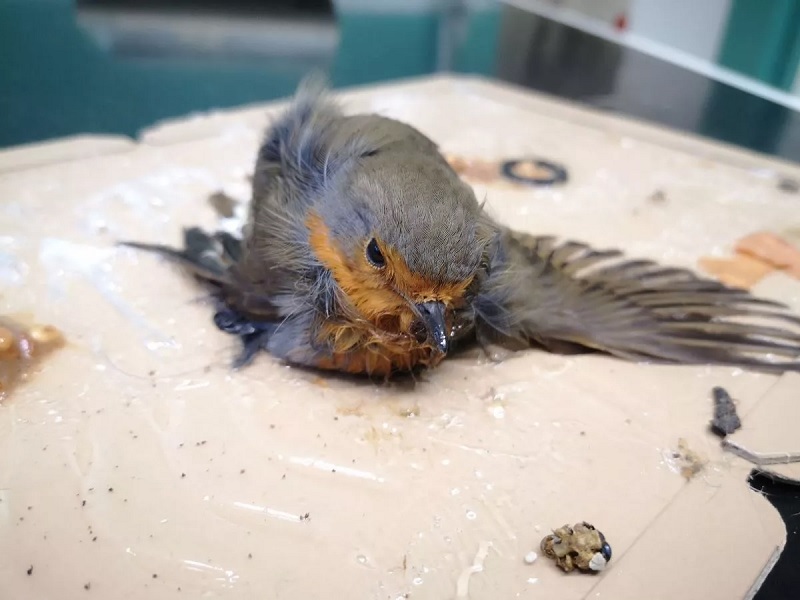
Glue traps, in particular, pose a significant threat as birds can become stuck for hours or days, struggling to free themselves and often sustaining feather damage or exhaustion. Birds trapped in such a manner may also become vulnerable to predators.
Beyond physical harm, these traps can disrupt local bird populations, especially in areas where certain bird species are already struggling due to habitat loss or other environmental pressures. For those who care about wildlife conservation, understanding these risks highlights the importance of finding ways to keep birds safe while managing rodent problems.
Choosing the Right Rat Trap
When it comes to managing a rat problem, selecting the right type of trap plays a crucial role—not only in effectively catching rats but also in protecting unintended victims like birds. Understanding which traps are less likely to harm birds and how using covered or enclosed traps can make a difference helps create a safer environment for wildlife while keeping your rodent issue under control.
Types of Rat Traps Less Likely to Catch Birds
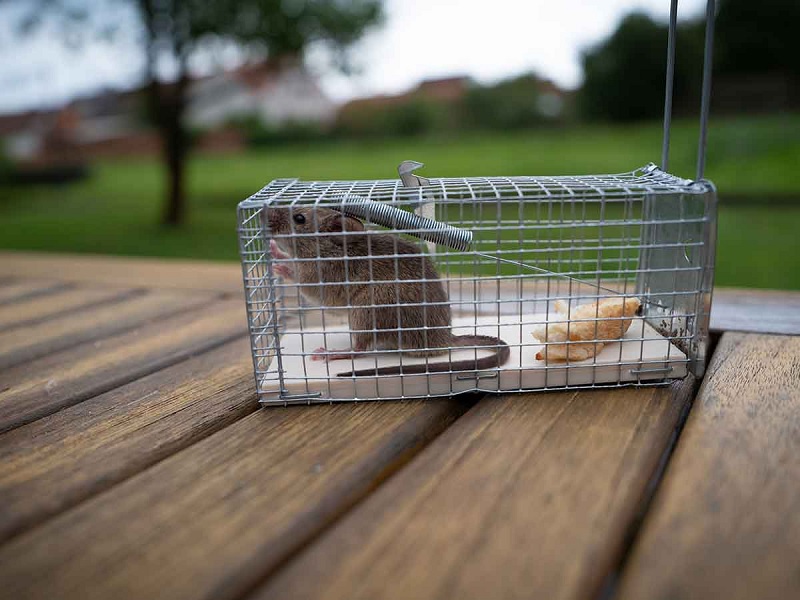
Not all rat traps are created equal when it comes to minimizing risks to birds. Some traps are more selective and safer options that reduce the chances of accidentally catching birds. For example, live catch traps are designed to capture rats without harming them, allowing you to release the rodents far from your property. These traps are generally enclosed boxes with a bait inside and a door that closes once the rat enters. Because birds can’t easily fit inside or trigger these traps, the risk to them is significantly lower.
Another option is the electronic rat trap, which uses sensors to detect a rat’s size and movement. These traps typically deliver a quick, humane shock to the rodent and reset automatically. Since the sensor is designed to respond to the size of rats specifically, birds are less likely to trigger the trap accidentally.
Conversely, glue boards and open snap traps pose greater risks. Glue boards can trap any small animal that comes into contact with the sticky surface, including birds, while open snap traps can easily be triggered by curious birds investigating the bait.
Using Covered or Enclosed Traps
One of the most effective ways to keep birds safe while trapping rats is to use covered or enclosed traps. These traps typically have a protective housing that limits access to the bait and trigger mechanism. The design prevents larger non-target animals, such as birds, from reaching the bait or being accidentally caught.
Covered traps also reduce exposure to the elements, helping keep bait fresh longer and making the trap more effective overall. They can be placed in areas where birds are active without the worry of accidental capture.
If you’re using snap traps, consider placing them inside small boxes or under cages that allow rats to enter but keep birds out. You can cut an entrance just large enough for rats to fit through, ensuring that curious birds or other wildlife cannot reach the trap mechanism.
Placement Strategies
Setting rat traps correctly is just as important as choosing the right type of trap when it comes to protecting birds. Thoughtful placement can greatly reduce the chances of birds encountering traps, helping ensure that your pest control efforts target rats only and keep other wildlife safe.
Ideal Locations to Avoid Bird Activity
The key to minimizing bird interference is placing traps where birds are least likely to frequent. Birds tend to gather in open spaces, on rooftops, near feeders, or in trees and bushes. Avoid setting traps in these areas if possible.
Instead, focus on placing traps along rat runways—narrow paths rats use regularly—such as along walls, behind appliances, or near garbage bins. These locations are typically less attractive or accessible to birds. Rats prefer to travel close to walls or under objects, so traps placed in these spots are more effective and less likely to attract birds.
Additionally, avoid placing traps near bird feeders, water sources, or garden areas where birds forage. These spots naturally draw birds and increase the risk they’ll encounter traps. By concentrating traps in discreet, rat-focused locations, you reduce unintended bird contact.
How Height and Position Affect Bird Access
The height and position of your traps also play a critical role in keeping birds away. Birds are more comfortable landing and exploring at eye level or above, such as on tree branches, ledges, or the tops of fences. Setting traps closer to the ground can limit bird access, especially for larger birds that are less inclined to forage low.
However, some smaller birds can forage near the ground, so simply placing traps on the floor isn’t always enough. Elevating traps just a few inches and positioning them against walls or inside corners can make it harder for birds to reach the bait or trigger.
If you use covered or enclosed traps, placing them in narrow, confined spaces like under cabinets, inside crawl spaces, or beneath decks can further prevent birds from accessing the traps while still allowing rats to enter freely.
Protective Measures and Modifications
To effectively control rats while keeping birds safe, it’s important to take extra steps beyond just selecting and placing traps. Protective measures and simple modifications can greatly reduce the chances of birds being harmed or attracted to rat traps. Here’s how you can enhance your trapping setup to be more bird-friendly.
Using Bird Guards or Shields
One practical way to protect birds is by installing bird guards or shields around your traps. These are physical barriers designed to prevent birds from accessing the bait or trap mechanism while still allowing rats to enter. Bird guards can be commercially purchased or custom-made from materials like wire mesh or plastic.
The guard acts like a cage or fence around the trap, limiting the size and angle of entry so only small animals like rats can reach the bait. Birds, being larger or less able to maneuver in tight spaces, won’t be able to land on or trigger the traps. Bird shields are especially useful for snap traps and live catch traps placed in outdoor areas where birds are abundant.
DIY Trap Covers and Barriers
If commercial guards aren’t an option, you can create your own DIY trap covers and barriers using simple household materials. For example, you can use a small wooden or plastic box with holes cut just large enough for rats to enter. Place the trap inside this enclosure to block birds from landing or pecking at the bait.
Another idea is to use wire mesh or hardware cloth to build a cage-like structure around the trap. Make sure the openings are big enough for rats but too small or awkward for birds to squeeze through. You can also use old containers or flower pots turned upside down with openings cut on the sides as protective covers.
These DIY solutions are cost-effective and can be tailored to fit any trap type, providing an added layer of safety for birds without compromising trap effectiveness.
Securing Bait to Minimize Bird Attraction
Birds are often drawn to the scent and visibility of bait, so securing the bait properly is key to reducing their interest. Use bait holders or containers that keep the bait firmly in place, preventing birds from easily reaching or scattering it.
For example, peanut butter can be pressed deep into a small container or onto a bait holder that only allows rats to nibble at it. Avoid loose bait like seeds or nuts that birds can easily spot and grab. Minimizing bait spillage also reduces the overall smell and mess, which can attract birds from a distance.
Keeping bait less accessible and contained helps ensure that the traps stay focused on rats and don’t become a bird magnet.
Alternative Pest Control Methods
While traditional rat traps are common for pest control, they sometimes pose risks to non-target animals like birds. Luckily, there are alternative methods designed to control rodents more safely and humanely. Exploring these options can help you manage rat problems effectively without putting local wildlife in danger.
Using Bait Stations Instead of Open Traps
One effective alternative to open rat traps is the use of bait stations. These are enclosed boxes that contain rodenticide bait or sometimes live traps inside a secure housing. Bait stations are designed to allow only rodents to enter, keeping birds, pets, and children away from harmful substances or trap mechanisms.
Because bait stations are enclosed and often anchored to the ground, they significantly reduce the chances of accidental bird contact. The station’s entry holes are sized specifically for rats and mice, preventing birds from reaching the bait inside. This containment also helps control the spread of bait, minimizing environmental contamination.
Bait stations provide a discreet and safer way to manage rodent populations, especially in outdoor or public areas where non-target animals might otherwise be attracted to open traps.
Humane and Bird-Safe Rodent Control Options
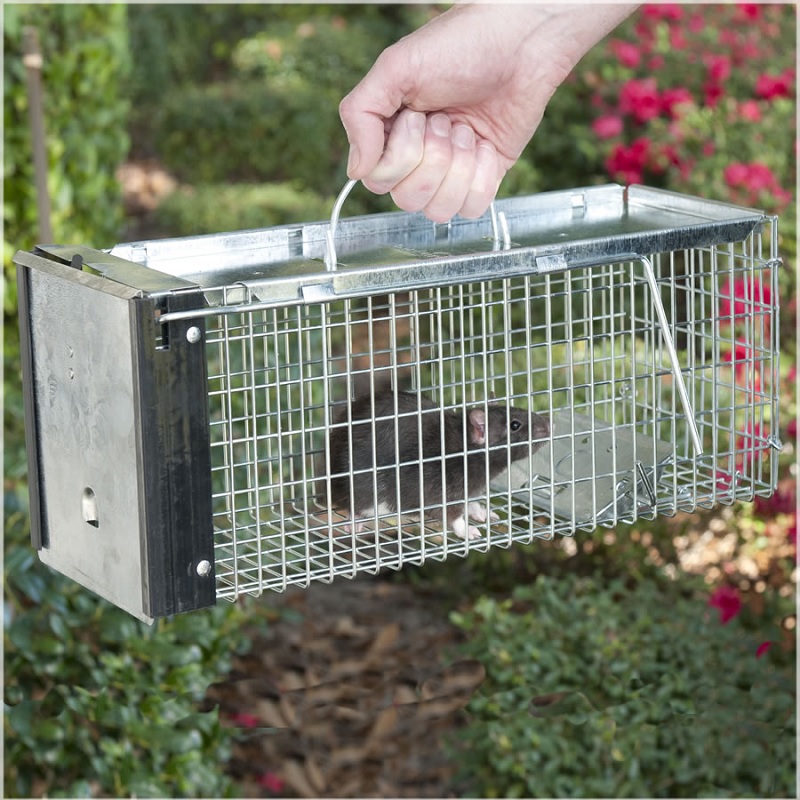
Beyond bait stations, several humane and bird-safe rodent control methods are gaining popularity. Live catch traps are a good example. These traps capture rats without harming them, allowing for safe release away from your property. Because they often come enclosed, live traps reduce accidental capture of birds and other wildlife.
Another option is ultrasonic pest repellents. These devices emit high-frequency sounds that are unpleasant for rodents but typically undetectable to humans and birds. While their effectiveness can vary, ultrasonic repellents offer a non-invasive, chemical-free approach to deterring rats without risking harm to birds.
Natural deterrents, like planting certain herbs (peppermint, lavender) or using predator scents, can also discourage rodents while leaving birds unaffected. Encouraging natural predators like owls through nest boxes or perches can help keep rat populations down in a balanced ecosystem-friendly way.
Monitoring and Maintenance
Setting up rat traps with bird safety in mind is just the beginning. Regular monitoring and maintenance are essential to ensure traps remain effective at catching rats while minimizing risks to birds. Keeping a close eye on your traps and responding quickly to any signs of bird interference will help you maintain a balanced and humane pest control system.
Regularly Checking and Adjusting Traps
Consistent inspection of your rat traps is crucial for several reasons. First, traps that are left unchecked can become less effective over time due to bait spoilage, weather damage, or wear and tear. Checking traps frequently—ideally daily or every few days—helps ensure bait remains fresh and traps are functioning properly.
During these checks, adjust the placement of traps if you notice signs that rats aren’t frequenting the area as much as before. Rats are intelligent creatures and can sometimes avoid traps if they sense danger or if bait is no longer appealing. Moving traps along known rat paths or trying different bait can increase success.
Importantly, regular checks allow you to spot any non-target animals caught or disturbed by the traps early. Prompt removal of trapped rodents and resetting traps reduces unnecessary harm and keeps the area clean, further discouraging birds or other animals from investigating.
Signs of Bird Interference and How to Respond
Recognizing signs of bird interference is key to preventing harm and improving your trap setup. Common indicators include disturbed bait, feathers near traps, partially triggered mechanisms, or even finding a bird accidentally caught.
If you notice birds have been interacting with your traps, take immediate action. Remove any bait remnants that might be attracting them, and consider switching to more secure bait holders or enclosed traps. Adding bird guards or DIY barriers can also prevent future interference.
In cases where birds have been trapped or injured, check local wildlife rehabilitation centers for advice or assistance. To prevent repeat issues, reassess trap placement—avoiding open or elevated locations popular with birds—and use covered traps or bait stations instead.
Frequently Asked Questions
How Can I Prevent Birds From Getting Caught In Rat Traps?
To prevent birds from getting caught in rat traps, focus on using enclosed or covered traps that restrict access to only rodents. Place traps along rat runways or in tight spaces where birds are less likely to venture. Adding bird guards or barriers around traps can also physically block birds while allowing rats to enter. Securing bait inside bait holders or containers minimizes scent and visibility that might attract birds. Regularly monitoring traps ensures you can quickly respond if a bird does get too close.
What Types Of Rat Traps Are Less Likely To Harm Birds?
Live catch traps and electronic rat traps are generally safer for birds. Live catch traps enclose the rat, preventing birds from triggering them, while electronic traps often have sensors designed specifically for rodent size and movement. Avoid open snap traps and glue boards, as they can easily trap or injure birds accidentally. Choosing traps that allow for enclosed or selective access is key to protecting local wildlife.
Where Should I Place Rat Traps To Keep Birds Away?
Place traps in locations where rats naturally travel, such as along walls, under appliances, or near garbage bins—areas birds rarely explore. Avoid placing traps near bird feeders, open gardens, or water sources that attract birds. Also, setting traps closer to the ground and inside covered or enclosed spaces can reduce bird access. Adjust the height and position to make it difficult for birds to land or investigate the traps.
How Do Bird Guards Or Shields Work Around Rat Traps?
Bird guards or shields act as physical barriers around traps, limiting entry points to sizes suitable only for rodents. They prevent birds from landing on or reaching the bait and trigger mechanisms by restricting access or blocking visibility. These guards can be purchased commercially or made DIY using wire mesh or plastic containers. Using guards is an effective way to protect birds while maintaining trap effectiveness.
Can Securing Bait Help Reduce Bird Attraction To Rat Traps?
Yes, securing bait is crucial to reducing bird attraction. Using bait holders or containers that keep bait firmly in place prevents birds from pecking at or scattering the bait. Choose baits that are less appealing or less visible to birds, like peanut butter pressed deep into holders. Avoid loose seeds or nuts that birds easily spot. Proper bait management helps keep traps focused on rats and reduces unintended bird visits.
What Should I Do If I Find A Bird Caught In A Rat Trap?
If you find a bird caught in a rat trap, approach carefully and calmly to avoid causing more stress or injury. Gently free the bird if possible, or contact a local wildlife rehabilitation center for assistance. Afterward, inspect your traps and adjust them to prevent further incidents—consider using bird guards, changing trap placement, or switching to enclosed traps. Monitoring traps frequently helps catch and resolve such issues early.
Conclusion
Keeping birds out of rat traps is not only possible—it’s essential for responsible and humane pest control. By choosing the right types of traps, placing them in strategic locations, and using protective barriers or enclosures, you can effectively manage rodent problems without harming local wildlife. Regular monitoring, secure baiting, and alternative methods like bait stations or live traps further enhance safety for birds.
Taking these simple yet thoughtful steps ensures that your rodent control efforts are both effective and ethical. Whether you’re dealing with a home infestation or outdoor rat activity, understanding how to keep birds out of rat traps helps protect the environment while solving the problem at hand.