
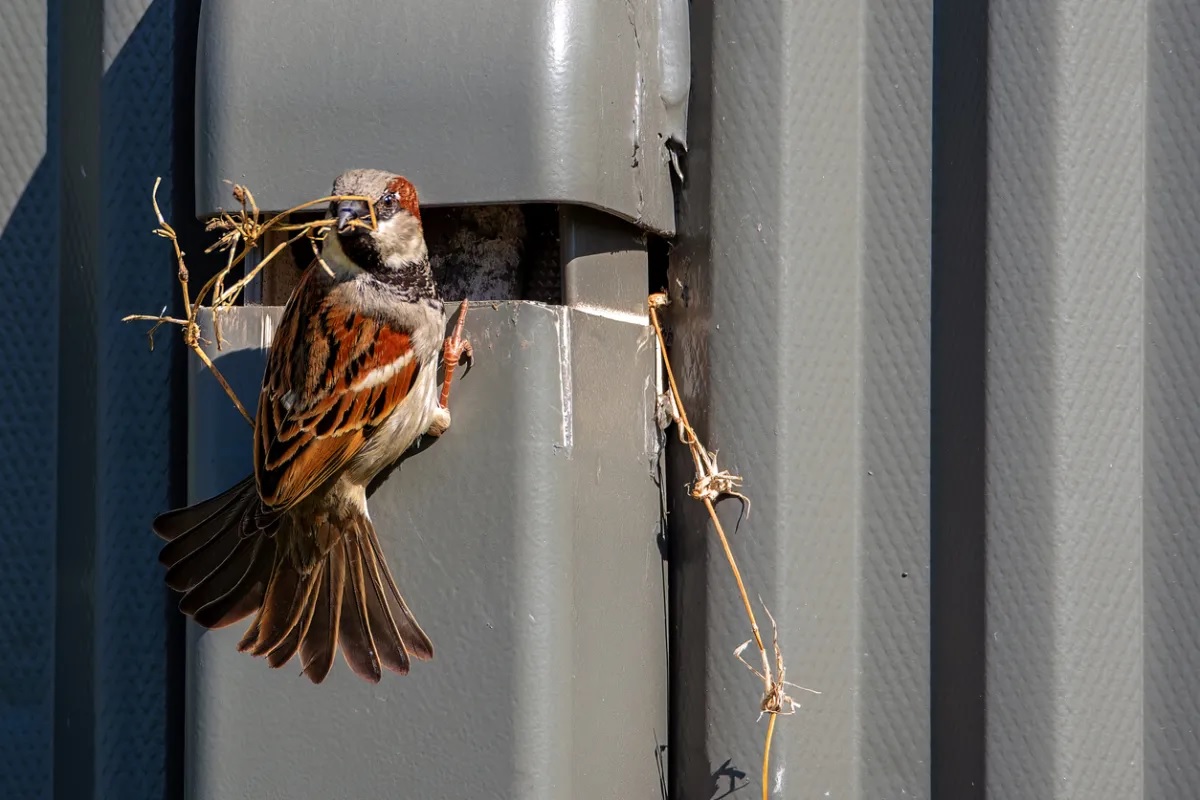
Birds nesting or roosting in vents can be a frustrating and potentially harmful problem for homeowners. Not only can they block airflow, but their droppings and nests may cause damage or create health risks. If you’ve ever wondered how to keep birds out of vents, you’re not alone. Many people face this issue, especially during certain seasons when birds are looking for safe places to settle.
The good news is that with some simple preventive measures and a bit of maintenance, you can effectively keep these feathered intruders away from your home’s ventilation system. In this guide, we’ll walk you through practical, easy-to-follow steps to protect your vents from birds, ensuring your home stays safe, clean, and free of unwanted guests. Whether it’s installing physical barriers or using natural deterrents, understanding how to keep birds out of vents can save you time, money, and headaches down the line.
Understanding Why Birds Enter Vents
Birds are naturally drawn to safe, warm, and sheltered spaces to build their nests and raise their young. Unfortunately, vents on residential homes—such as bathroom, kitchen, or dryer vents—offer the perfect environment for them. These vents provide protection from predators, weather elements, and even easy access for smaller birds. While their intentions are simply to survive, their presence in your home’s ventilation system can lead to a range of issues.

Common Types of Birds That Nest in Vents
Not all birds seek out vents, but a few common types are particularly known for this behavior. House sparrows, European starlings, and pigeons are among the most frequent culprits. These species are highly adaptable and often thrive in urban and suburban areas where vents are accessible. Sparrows and starlings are small enough to easily enter most residential vent openings, making them the primary species to watch out for. Occasionally, swallows may also find vents appealing, especially if other nesting spots are limited.
Risks and Problems Caused by Birds in Vents
While birds nesting in vents may seem like a minor nuisance, the consequences can be far more serious than most homeowners realize. The nests can block airflow, reducing the efficiency of your HVAC or dryer systems and even creating fire hazards—especially in dryer vents, where lint buildup combined with nesting material becomes a combustible mix.
There’s also the issue of noise and odor. Birds trapped or nesting in vents can cause constant chirping sounds and unpleasant smells as droppings and nesting materials accumulate. Over time, the buildup can also attract insects or parasites, posing additional health risks. Furthermore, their droppings can spread diseases like histoplasmosis or salmonella, especially if the vent is connected to areas where air circulates through your home.
Beyond the health and fire hazards, repairing vent damage caused by birds can be expensive. Nests may clog internal components or lead to corrosion and moisture issues. Once a bird has nested in a vent, it may also try to return year after year unless proper preventive measures are taken.
Understanding why birds are attracted to vents—and the risks involved—underscores the importance of proactive action. Whether you’re dealing with a current problem or want to avoid one in the future, being informed is the first step to protecting your home.
Identifying Vent Vulnerabilities
One of the most important steps in keeping birds out of your vents is identifying where and how they might be getting in. Many homeowners don’t realize their vents are exposed until a bird has already made a nest. Taking the time to inspect and understand your home’s vent system can save you from serious issues later on. Knowing what to look for helps you spot problems early and address them before birds take advantage of the opening.

Inspecting Vents for Bird Access Points
Start by examining all exterior vents around your home—these include dryer vents, bathroom exhaust vents, kitchen range vents, and attic vents. Pay close attention to whether each vent has a proper cover or screen in place. If the cover is missing, damaged, or loosely fitted, birds can easily slip through.
Look for gaps, cracks, or holes around the vent housing. Even a small opening can be enough for smaller birds like sparrows or starlings. Also, check for aging materials such as brittle plastic vent covers, which can crack over time and become easier for birds to break into or remove entirely. Vents positioned near trees or roof edges are especially vulnerable since birds can perch nearby and investigate more easily.
It’s also a good idea to inspect these vents from the inside if possible—look into attics, laundry rooms, or crawl spaces to check for light coming through where there shouldn’t be, or drafty spots that indicate a breach.
Signs of Bird Activity in Vents
Even if you don’t see birds flying in and out, several signs can indicate they’ve already found a way into your vents. One of the most obvious signs is chirping or fluttering sounds coming from inside the walls or ceilings, especially during early morning hours when birds are most active.
Other signs include feathers, droppings, or nesting material (like twigs or dried grass) near the vent opening. You might also notice that airflow from the vent is weaker than usual, which could suggest a blockage caused by nesting debris.
In some cases, you may even smell a musty or foul odor—this could come from droppings or a dead bird trapped in the ductwork. If left unchecked, these issues can lead to more serious health and fire hazards.
Identifying these vulnerabilities and signs of bird activity early can make a big difference. Once you know where your home is at risk, you can take the necessary steps to secure your vents and prevent unwanted feathered visitors.
Preventive Measures to Keep Birds Out
Once you’ve identified where birds are getting into your vents, the next step is to take action to stop them. Preventing birds from entering your home’s ventilation system isn’t just about blocking access—it’s about doing it in a way that’s safe, effective, and long-lasting. The good news is that several proven methods can help you keep birds out for good, all while maintaining proper airflow and functionality of your vents.

Installing Vent Covers and Screens
One of the simplest and most effective solutions is installing vent covers or screens. These are specially designed to fit over your exterior vent openings and prevent birds from flying or crawling in. Choose a cover made of durable materials like metal or heavy-duty plastic that can withstand weather and resist tampering by birds.
Make sure the cover is properly secured to the siding or wall so that there are no loose edges birds can pry open. For vents that release hot air, such as dryer vents, opt for covers designed specifically to allow airflow without trapping lint or becoming a fire hazard. Regularly inspect and clean these covers to ensure they remain functional and free from blockages.
Using Bird Spikes and Deterrents
In areas where birds tend to perch near vents—such as ledges, eaves, or rooflines—installing bird spikes can be a highly effective deterrent. These spikes don’t harm birds but make it uncomfortable for them to land and stay in the area. They’re especially useful if your vents are located in higher, more exposed parts of the home.
Other deterrents, like reflective tape, predator decoys (such as fake owls), or ultrasonic bird repellents, can also help. While these methods are generally more useful as a supplementary measure, they can reduce overall bird activity around your home and make it less likely that birds will focus on your vents.
Sealing Gaps and Openings Properly
Along with covering your vents, it’s important to seal any cracks, holes, or gaps in your exterior siding or soffits that could give birds an alternate entry point. Use caulk, weatherproof sealant, or wire mesh to block these areas, depending on the size of the opening and the material of your home’s exterior.
Don’t forget to check around chimneys, attic vents, and roof joints as well. Birds are persistent and will explore any opportunity for shelter. Proper sealing not only helps prevent birds from entering but also improves your home’s energy efficiency and reduces the risk of pests in general.
Humane Bird Deterrent Techniques
Keeping birds away from your home’s vents doesn’t have to involve harmful traps or chemicals. There are many humane methods that effectively discourage birds from nesting or loitering without causing them harm. These deterrents work by making your vents and surrounding areas less appealing or more intimidating to birds. Whether you’re dealing with persistent sparrows, starlings, or pigeons, these bird-friendly techniques offer safe, ethical ways to protect your property.
Visual Deterrents (Scare Tactics)
Birds are highly visual creatures, which makes scare tactics using visual deterrents a popular and humane option. One of the most effective tools is reflective tape or objects—these move with the wind and flash in the sunlight, which startles and confuses birds. Hanging old CDs, aluminum foil strips, or commercial bird scare tape near vent openings can disrupt their sense of safety.
Predator decoys, such as fake owls or hawks, can also deter birds. These decoys work best when moved around periodically so the birds don’t become used to them. Some homeowners even use balloon deterrents with large, reflective “eyes” that mimic predators. The key is to create an environment that feels uncertain or threatening—without actually posing a danger to the birds.
Sound Deterrents
Sound deterrents work by creating an unpleasant or alarming auditory environment for birds. Some devices emit predator calls, distress signals, or high-frequency sounds that are uncomfortable for birds but inaudible or non-disruptive to humans. These are especially helpful if you have frequent bird visitors or live near wooded areas.
While sound deterrents can be highly effective, they work best when used in combination with other methods, like visual deterrents or physical barriers. Keep in mind that birds can become accustomed to repetitive sounds over time, so rotating or varying the audio patterns will help maintain effectiveness.
Natural Repellents
Natural repellents offer a chemical-free, environmentally safe way to discourage birds from nesting. Some essential oils—such as peppermint, eucalyptus, or citronella—are unpleasant to birds and can be applied around vent openings or nearby surfaces. Soaking cotton balls in these oils and placing them near problem areas is an easy, non-toxic method.
Another option is using commercially available bird repellents made from natural ingredients. These typically come in gel or spray form and can be applied where birds tend to gather. Just be sure to choose a product labeled as safe for both birds and pets.
Maintenance and Regular Checks
Preventing birds from entering your vents isn’t just a one-time task—it requires ongoing maintenance and regular monitoring to ensure your efforts remain effective. Over time, even the best-installed vent covers can loosen, and deterrents may become less effective if not maintained. Regular checks help you spot early signs of bird activity before it turns into a larger problem, saving you time, money, and hassle in the long run.
Cleaning Vents and Removing Debris
One of the most important parts of vent maintenance is keeping them clean and clear of debris. Nesting materials, feathers, and droppings can build up inside vents if birds have previously gained access, leading to airflow blockages and potential fire hazards—particularly in dryer vents. Even if birds are no longer present, leftover debris can attract insects or mold and reduce the efficiency of your home’s ventilation.
Clean your vents at least once or twice a year, or more often if you notice reduced airflow. For dryer vents, you may need to clean both the internal duct and the exterior vent cap. Use a vent brush or vacuum attachment to remove lint and debris. If the buildup is significant or difficult to reach, consider hiring a professional for thorough duct cleaning.
Be sure to also clean around the exterior vent openings. Remove leaves, twigs, and other materials that might attract birds looking for nesting spots.
Routine Inspections for New Bird Activity
Even with proper covers and deterrents in place, it’s important to conduct routine inspections to ensure birds haven’t found a new way in. Do a quick check of all exterior vents every few months—look for signs like feathers, nesting material, or droppings around the vent area. Listen for chirping or scratching sounds, especially in the early morning, which can indicate a bird is inside or nearby.
Also check that all vent covers and screens are securely fastened and undamaged. Weather, animals, or age can weaken these barriers, creating new opportunities for birds to enter. If you spot any cracks or openings, repair or replace them immediately.
Seasonal inspections are especially helpful—spring is a key time for birds to nest, so checking your vents before and during nesting season can help you stay ahead of potential problems.
By incorporating regular cleaning and inspections into your home maintenance routine, you can ensure your vents remain protected and your living space stays safe, efficient, and bird-free.
When to Call a Professional
While many homeowners can handle basic bird prevention methods on their own, some situations call for expert help. If birds have already entered your vents, built nests, or caused damage, it’s often safer and more effective to call a professional. Knowing when to involve a wildlife or pest control specialist can save you from further complications, ensure proper removal, and keep you in compliance with local laws.
Dealing with Bird Infestations
If you hear persistent chirping, scratching, or fluttering noises coming from your vents, chances are birds are already inside. In cases where a full nest is present—especially with eggs or hatchlings—it’s best not to attempt removal yourself. Birds can become aggressive if they feel threatened, and improper handling may cause injury to both the animals and yourself.
Professional wildlife removal experts are trained to assess the situation, remove the birds humanely, and safely dispose of any nesting materials or droppings. They also inspect for damage and sanitize the area to prevent disease or insect infestations. In addition, many professionals can install vent covers, screens, or deterrents to help ensure the problem doesn’t return.
Bird infestations can be especially hazardous in dryer vents, where nesting material can cause overheating and even fire. If airflow seems restricted or your dryer is taking longer than usual to dry clothes, a blocked vent may be to blame—another reason to seek professional help promptly.
Legal Considerations and Wildlife Protection
Many bird species, including common ones like house sparrows and starlings, may fall under local, state, or federal wildlife protection laws. In the U.S., for example, the Migratory Bird Treaty Act makes it illegal to remove or disturb active nests of protected species without proper authorization.
Attempting to remove birds or destroy nests on your own could result in fines or legal trouble if protected birds are involved. Professionals are familiar with these regulations and can handle the situation legally and ethically. They know which species are protected, when nests can be moved, and how to handle young birds or eggs safely and in accordance with the law.
If you’re unsure whether the birds in your vent are protected or how to proceed, it’s always wise to consult a licensed wildlife control expert. They can assess the situation, provide guidance, and ensure that any action taken is both humane and compliant with wildlife regulations.
Calling a professional isn’t just about convenience—it’s often the most responsible and effective way to handle bird-related vent problems.
People Also Ask
How Do You Keep Birds From Nesting In Vents?
To keep birds from nesting in vents, start by installing properly fitting vent covers made from durable metal or heavy-duty plastic. These covers act as a physical barrier, preventing birds from getting inside. You can also add mesh screens to provide extra protection without restricting airflow. It’s essential to regularly inspect and clean the vent area to remove any debris that might attract birds. Using visual deterrents like reflective tape or predator decoys can also help discourage birds from approaching the area.
What Are The Signs That Birds Are In Your Vents?
Common signs that birds are in your vents include persistent chirping, fluttering, or scratching noises, especially early in the morning. You might also notice feathers, nesting material like twigs or straw around the vent opening, or droppings on the exterior of the home. A musty smell or reduced airflow from vents can also indicate that a nest is blocking the duct. These signs should be addressed promptly to avoid fire hazards and health risks.
Can Birds In Vents Cause Health Or Safety Issues?
Yes, birds in vents can pose serious health and safety concerns. Their nesting materials can block airflow, reduce ventilation efficiency, and in some cases, create fire hazards—particularly in dryer vents. Additionally, bird droppings can spread diseases like histoplasmosis or salmonella. Bird mites and other parasites can also enter the home through the vents. Prompt removal and proper cleaning are essential to maintaining a safe and healthy indoor environment.
What Types Of Vents Are Most Vulnerable To Birds?
Dryer vents, bathroom exhaust vents, kitchen range hood vents, and attic vents are among the most vulnerable types. These vents provide warmth, shelter, and are often located in quiet or hard-to-see areas—ideal conditions for birds to nest. Vents without covers, with broken flaps, or those surrounded by nearby trees or roof overhangs are especially at risk. Securing all exterior vents is the best way to protect your home.
Is It Safe To Remove A Bird Nest From A Vent On Your Own?
It’s not recommended to remove a bird nest from a vent on your own, especially if the nest is active (containing eggs or chicks). Many bird species are protected by law, and disturbing their nests can result in legal penalties. Additionally, handling nests without proper precautions can expose you to harmful bacteria or parasites. If you suspect a nest in your vent, it’s best to call a licensed wildlife removal professional to handle the situation safely and legally.
How Often Should You Check Vents To Prevent Bird Infestations?
You should inspect your vents at least once every season, with extra attention during spring and early summer—peak nesting times for birds. Check for signs of damage, loosened covers, or any material buildup around the vent openings. Regular cleaning, especially of dryer vents, is also important to maintain airflow and reduce the risk of birds finding a cozy nesting spot. Making this part of your routine home maintenance will go a long way in keeping birds out for good.
Conclusion
Keeping birds out of vents is essential for protecting your home’s safety, efficiency, and cleanliness. By understanding why birds are attracted to vents, identifying vulnerabilities, and using effective prevention methods—like vent covers, deterrents, and regular maintenance—you can stop problems before they start. If birds have already nested, or if you’re unsure how to handle the situation, don’t hesitate to call a professional for safe, legal removal.
With a proactive approach and consistent upkeep, you can keep your vents bird-free all year long. Taking these simple steps not only prevents damage and health risks but also ensures your home remains a secure and comfortable environment for you and your family—not for uninvited feathered guests.