
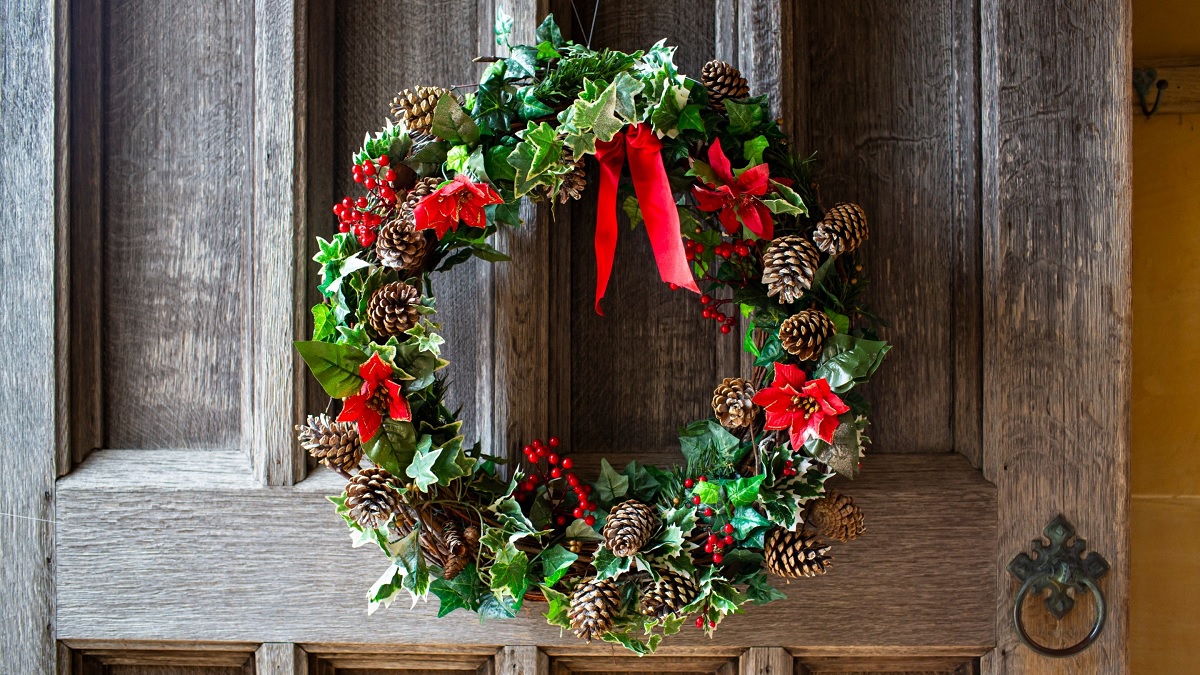
Nothing’s more frustrating than finding twigs, feathers, or even a full nest tucked into your carefully decorated front door wreath. While birds are beautiful and beneficial to the environment, they can turn your welcoming decor into a messy, unusable space. If you’ve been wondering how to keep birds out of your door wreath, you’re not alone. Many homeowners face this problem, especially during nesting season when birds are looking for cozy, sheltered spots to build.
Unfortunately, your wreath might look like the perfect home to them. But the good news is—there are simple and effective ways to discourage birds from turning your wreath into their own nesting zone. From natural deterrents to smart placement and design choices, it’s possible to keep your wreath looking great and bird-free. This guide will walk you through practical steps to protect both your decor and the birds, so you can enjoy a clean and welcoming front door all year long.
Why Birds Are Attracted to Door Wreaths
Door wreaths are a charming touch to any home, but to birds, they can look like the perfect place to call home. Understanding why birds are attracted to these decorations can help you take steps to keep them away without harming them. Here are the main reasons birds find door wreaths so appealing:

Nesting Opportunities
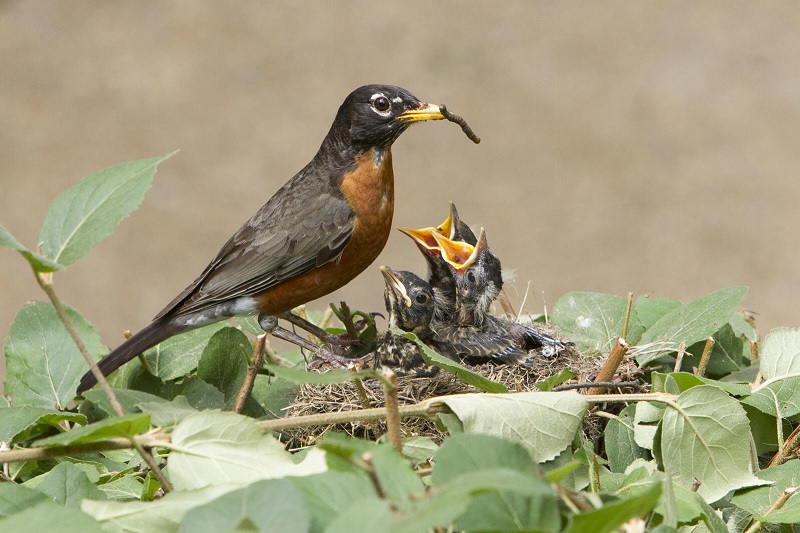
Birds are always on the lookout for safe and secure spots to build their nests, especially during the spring and summer seasons. Door wreaths, especially ones that are full, bushy, and positioned in quiet entryways, resemble tree branches or natural shrubs. The circular shape and dense structure give birds a stable base where they can tuck in twigs and create a cozy nest. Wreaths that hang undisturbed for long periods become even more attractive, giving birds time to assess and move in without interruption.
Shelter and Safety
Your front door wreath can also provide a sense of shelter for small birds. Being tucked up against a wall or doorframe gives them extra protection from wind, rain, and even predators. A wreath positioned under a porch or awning offers shade and cover, making it an ideal hideaway. Unlike open tree branches, door wreaths tend to be in low-traffic areas where birds feel more secure. This perceived safety often draws them in, especially when the location stays quiet and undisturbed for hours at a time.
Natural Materials and Colors
Many wreaths are made from twigs, vines, dried flowers, moss, and other materials that mimic nature. These familiar textures and colors blend seamlessly with a bird’s natural environment, which can lead them to mistake your wreath for a small shrub or bush. Even artificial wreaths, if they’re designed to look natural or include feathers, berries, or earthy tones, can fool birds into thinking they’ve found a suitable nesting site. Bright red berries and green foliage often mimic the look of food sources as well, adding another layer of attraction.
Effective Ways to Keep Birds Away
Once birds take interest in your door wreath, it can be hard to convince them to leave. But with the right tactics, you can protect your wreath and maintain a clean, welcoming entryway. Whether it’s about changing your wreath’s appearance or using clever deterrents, there are several practical steps you can take. Here’s how to keep birds from turning your beautiful wreath into a nesting zone.
Use Bird Deterrents
Deterrents work best when you catch the problem early, before birds begin nesting. They make your wreath area less inviting and encourage birds to move on to more natural nesting locations.
Reflective Objects
Birds are naturally wary of sudden movement and bright flashes of light. Hanging small reflective items near your wreath—like metallic ribbons, old CDs, mirror pieces, or foil strips—can deter them effectively. These reflections create the illusion of movement, which makes birds uneasy. Wind chimes with reflective surfaces can add sound as well, offering a dual deterrent effect. Be sure to position these elements so they move freely in the breeze, adding unpredictability that birds want to avoid.
Motion-Activated Devices
For more persistent visitors, motion-activated devices can work wonders. Compact ultrasonic bird repellents or motion-sensor sprinklers placed near the door can scare birds away without harming them. Some devices emit a high-frequency sound that’s uncomfortable for birds but inaudible to humans. Others feature flashing lights or mild noise. Just be sure any device used is safe for residential use and doesn’t disrupt neighbors or pets.
Modify the Wreath Design
Changing how your wreath looks and feels can make a big difference. Birds are less likely to nest in something that doesn’t resemble a natural, secure spot.
Avoid Natural Elements
Wreaths made with real twigs, moss, dried flowers, or pinecones can attract birds because they mimic their natural environment. Switching to artificial materials with smooth, unnatural textures can discourage interest. Wreaths made from plastic or synthetic fabric look less like a nest site and won’t offer the grip or texture birds prefer for building.
Add Unpleasant Textures
Consider integrating textures birds find uncomfortable. Lightweight mesh, spiky plastic picks, or fishing line can be subtly added to your wreath design. These materials won’t hurt the birds, but they will make it difficult for them to land or nest comfortably. You can even spray a light mist of vinegar or citrus-scented spray (non-toxic) on the wreath, as many birds dislike strong smells.
Apply Safe Bird Repellents
There are commercially available bird repellents that are safe for both birds and your decor. Look for gel-based repellents made with natural ingredients like peppermint oil or garlic. These can be applied around the wreath or on the doorframe without causing damage. Birds dislike the scent and will typically avoid areas treated with these substances. Make sure to reapply as needed, especially after rain or heavy wind.
You can also make a homemade spray using water mixed with a few drops of essential oils such as peppermint, citrus, or clove. Lightly spritz the surrounding door area—not the wreath directly—to create a scent barrier. Always test a small patch first to ensure the spray doesn’t stain or discolor your decorations.
Relocate or Temporarily Remove the Wreath
If the birds are persistent or have already started nesting, it may be best to temporarily remove the wreath. This gives them time to find a more natural and suitable location. Removing the wreath for a week or two often convinces birds to move elsewhere permanently. Once you’re sure they’ve gone, you can rehang the wreath—ideally with some deterrents or design changes in place.
You might also consider relocating the wreath to an indoor-facing door, side window, or a wall space that doesn’t offer the same shelter and appeal. Even hanging it slightly higher or more exposed can reduce bird interest. Avoid placing the wreath near ledges, beams, or mailboxes that could make the area feel more secure to birds.
Tips for Maintaining a Bird-Free Wreath
Keeping birds away from your door wreath isn’t just about initial prevention—it also requires a bit of ongoing effort. Once you’ve taken the steps to deter birds, maintaining those results is key to keeping your front door clean, peaceful, and nest-free. Here are some practical tips that can help you protect your wreath all year long.
Regularly Check for Nests
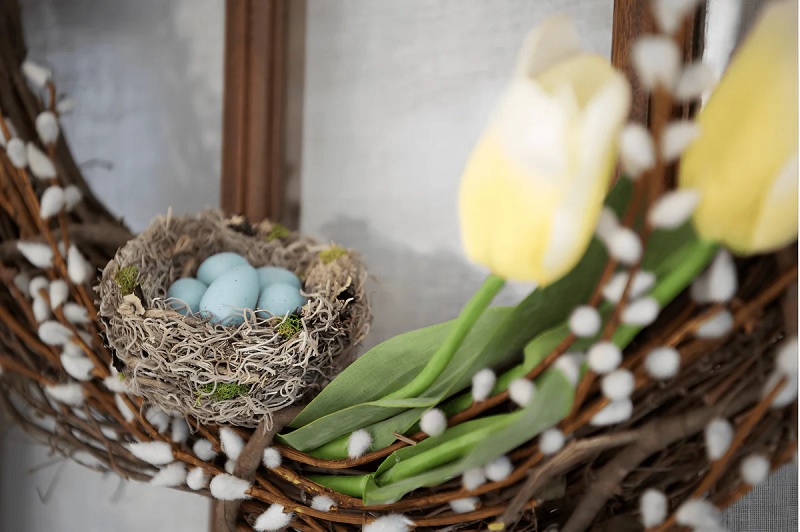
A quick visual inspection a few times a week can go a long way in preventing birds from settling in. Early signs like twigs, feathers, or droppings should be addressed immediately before a full nest is built. Once birds lay eggs, it becomes illegal in many areas to remove the nest due to wildlife protection laws. That’s why early intervention is so important. Gently shake the wreath or knock on the door to encourage any curious birds to move along before they make it a permanent home.
Change Wreaths Seasonally
Switching out your wreath every couple of months can reduce the likelihood of birds getting too comfortable. Birds tend to be attracted to wreaths that have hung in place for long periods without disturbance. Changing the size, shape, or materials of your wreath—especially replacing natural-looking ones with more artificial options—can disrupt nesting behavior. Plus, seasonal updates keep your decor fresh and more interesting for guests.
Keep the Area Around the Door Clear
Birds don’t just look at the wreath itself—they also evaluate the space around it. Overhangs, potted plants, mailboxes, and nearby ledges can all add to a feeling of shelter and security. Try to keep the area around your door as open and tidy as possible. Trim back any nearby bushes or vines and avoid stacking furniture or items near the doorway. The more exposed the entryway feels, the less likely birds are to see it as a safe nesting spot.
What to Do If a Bird Has Already Nested
Sometimes, despite your best efforts, a bird may still choose your wreath as a nesting spot. While it might be tempting to remove the nest right away, it’s important to handle the situation carefully and responsibly. Here’s what to do if you discover a bird has already made your wreath its home.
Check Legal Protections
Before taking any action, find out if the nesting bird is protected by law. In many countries, including the United States, birds and their nests are protected under acts like the Migratory Bird Treaty Act. This means it’s illegal to move or destroy the nest once eggs have been laid or babies have hatched. Always research your local wildlife regulations or contact a local animal control or bird rescue organization for guidance. Disturbing a nest without proper knowledge can lead to hefty fines or harm to the birds.
Wait Until Nesting Season Is Over
If a nest is already in place and protected, the best course of action is to wait it out. Most songbirds only take a few weeks to lay eggs, hatch them, and raise their young until they’re ready to fly. It may be inconvenient, but leaving the nest undisturbed during this time helps ensure the baby birds survive. You can still use nearby deterrents, like reflective tape or sound devices, to discourage other birds from nesting, but avoid any action that may scare the nesting bird away from its young.
Clean and Disinfect the Wreath
Once you’re sure the birds have left for good—usually when you no longer see activity around the nest—it’s time to remove it and clean the area thoroughly. Wear gloves when handling the old nest to avoid exposure to mites, droppings, or bacteria. Dispose of the nest safely in a sealed bag and disinfect the wreath and surrounding area using a mild bleach solution or bird-safe cleaner. This helps eliminate lingering scents or parasites that might attract other birds in the future.
Frequently Asked Questions
Why Do Birds Keep Nesting In My Door Wreath?
Birds are attracted to door wreaths because they resemble natural nesting spots. Wreaths made of twigs, vines, or dried flowers provide the perfect structure for building a nest. The wreath’s location—usually high up, quiet, and under a covered porch—offers protection from predators and harsh weather. Birds also look for places with minimal disturbance, and a rarely used front door or quiet entryway can seem ideal. If the wreath stays up year-round, birds may consider it a reliable, stable home, especially during nesting seasons in spring and early summer.
What Materials Should I Avoid When Choosing A Bird-Free Wreath?
To discourage birds from nesting in your wreath, avoid using natural-looking materials like sticks, moss, straw, feathers, or dried flowers. These elements mimic the materials birds use to build nests, making the wreath more appealing. Instead, go for synthetic or artificial wreaths with smooth, glossy finishes, bright colors, or metallic accents. Plastic flowers or materials that don’t resemble nature are less inviting. The less your wreath looks and feels like a natural nesting area, the more likely birds are to skip it in favor of nearby shrubs or trees.
How Can I Use Reflective Objects To Keep Birds Away?
Reflective objects work by scaring birds with flashes of light and unpredictable movement. You can tie shiny ribbon, metallic streamers, or small mirrors near or directly on your wreath. When sunlight hits these surfaces, it creates flashes that birds find alarming. Even old CDs or foil strips can work well if hung loosely so they move in the breeze. These reflections create an unstable visual environment, signaling danger to birds. Be sure to adjust the placement occasionally, as birds can become accustomed to static objects if they remain unchanged over time.
Can I Use Bird Repellent Spray On My Wreath?
Yes, bird repellent spray is an effective and safe option if used correctly. Choose a non-toxic spray made from natural oils like peppermint, garlic, or citrus—scents that birds dislike. Lightly mist the wreath or the area around it, being careful not to damage or stain delicate decorations. You may need to reapply the spray after rain or every few days for continued protection. Always test a small section of your wreath before spraying the whole thing. These sprays don’t harm birds; they simply make the area uninviting and encourage them to go elsewhere.
Is It Okay To Remove A Nest From My Wreath?
Removing a bird’s nest depends on its status and local laws. If the nest is inactive—meaning no eggs or chicks—you can usually remove it safely. However, once a bird has laid eggs or begun nesting, most regions prohibit disturbing or removing it under wildlife protection laws. It’s best to wait until the birds have left, which typically takes a few weeks. If you’re unsure, contact a local wildlife agency for guidance. After the birds are gone, clean and disinfect the wreath and add deterrents to help prevent future nesting.
How Often Should I Check My Wreath For Bird Activity?
Check your wreath regularly—at least once or twice a week—especially during nesting season in spring and early summer. Look for early signs like scattered twigs, feathers, or bird droppings. A quick inspection can help you spot nest-building activity before it becomes a bigger issue. Lightly tapping or gently shaking the wreath can also discourage birds from settling. Being consistent with your checks allows you to take early action and avoid dealing with a fully established nest, which may be legally protected and require you to wait until the birds have left.
Will Changing My Wreath Seasonally Help Keep Birds Away?
Yes, changing your wreath every few months can reduce the chances of birds nesting in it. Birds often seek out places that appear stable and undisturbed. A wreath that stays up year-round may be seen as a permanent, safe spot. Seasonal changes not only refresh your home’s appearance but also signal movement and disruption, which birds dislike. Try switching up colors, materials, and positioning. Artificial or less natural-looking wreaths are also less attractive to nesting birds. By keeping things unpredictable, you make your wreath less desirable for birds looking to settle.
What Should I Do If Birds Already Nested In My Wreath?
If a bird has already nested in your wreath, the best option is to leave it undisturbed until the nesting period ends. Most birds will stay for a few weeks until the eggs hatch and the chicks are ready to fly. Removing an active nest may be illegal and harmful to the birds. Monitor the nest from a distance without interfering. Once the birds leave, you can safely remove the nest, clean the wreath thoroughly, and apply deterrents like reflective objects or scent sprays. Taking this approach protects both the birds and your home.
Conclusion
Keeping birds out of your door wreath requires a mix of prevention, regular maintenance, and understanding bird behavior. By choosing wreaths made of synthetic materials, using reflective deterrents, and applying safe repellents, you can make your wreath less attractive to nesting birds. Regularly checking your wreath and changing it seasonally also helps discourage birds from settling in.
If a bird has already nested, patience and respect for wildlife laws are essential until the nesting period ends. With consistent care and thoughtful strategies, you can protect your wreath from becoming a bird’s home while still enjoying beautiful, inviting decor at your doorstep year-round.