
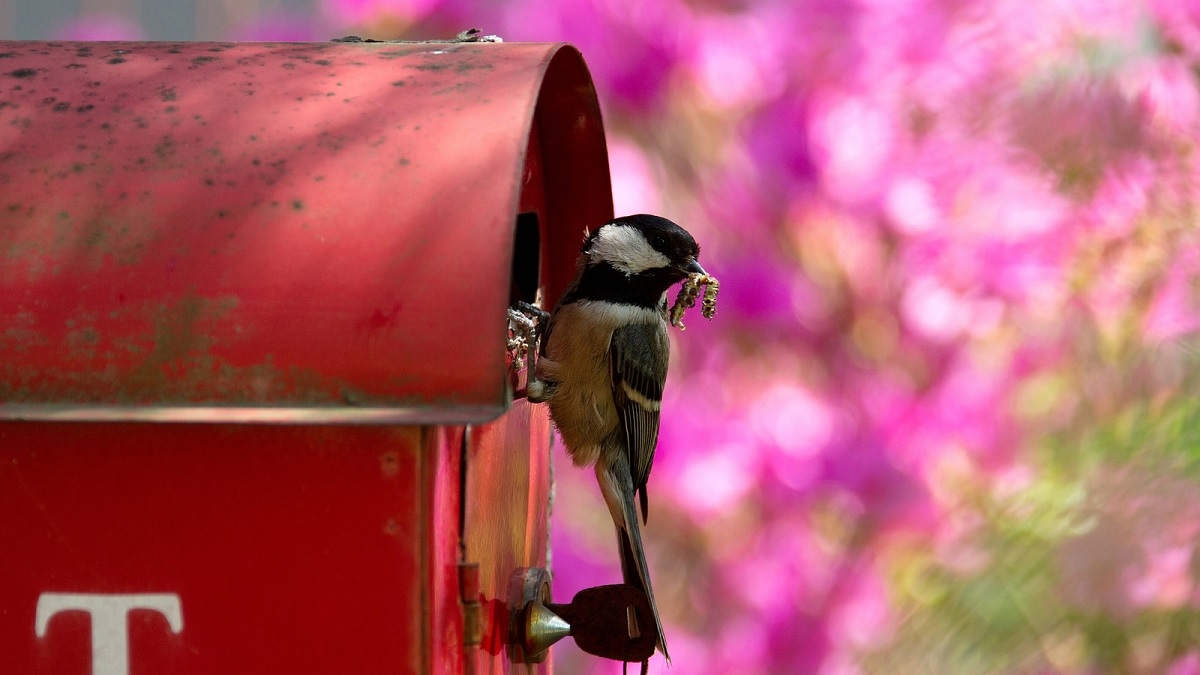
Keeping birds out of your mailbox can become an unexpected challenge, especially during nesting season or when birds find it a cozy spot to rest. The keyword for solving this common problem lies in understanding bird behavior and taking practical steps to discourage them without causing harm. Birds can create nests, leave droppings, or cause damage inside mailboxes, which can be frustrating for homeowners and disrupt mail delivery.
Simple measures like installing deterrents, using physical barriers, or choosing certain mailbox designs can make a significant difference. Recognizing why birds are attracted to your mailbox helps in addressing the root cause rather than just the symptoms. With the right approach, it’s possible to keep your mailbox bird-free, maintaining cleanliness and protecting your mail while respecting local wildlife. This guide covers effective and humane strategies to help you achieve just that.
Understanding Bird Behavior Around Mailboxes
Birds are naturally curious creatures and often explore their surroundings in search of shelter, food, or nesting sites. Mailboxes can unintentionally attract birds due to their sheltered design, quiet location, and sometimes the warmth they provide. Understanding why birds are drawn to mailboxes is the first step toward managing their presence effectively.
Reasons Birds Are Attracted to Mailboxes
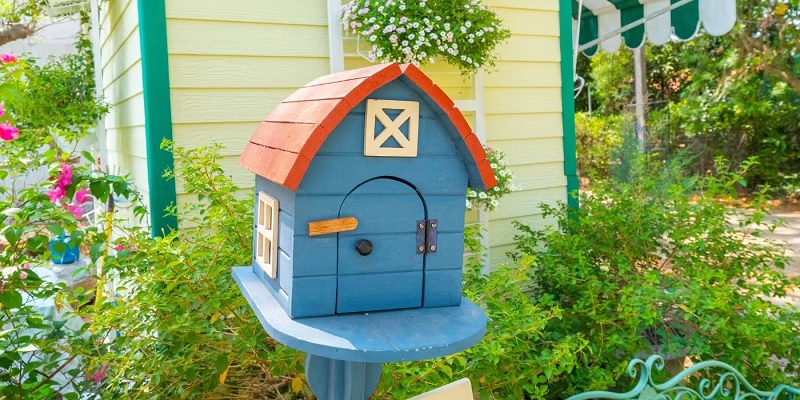
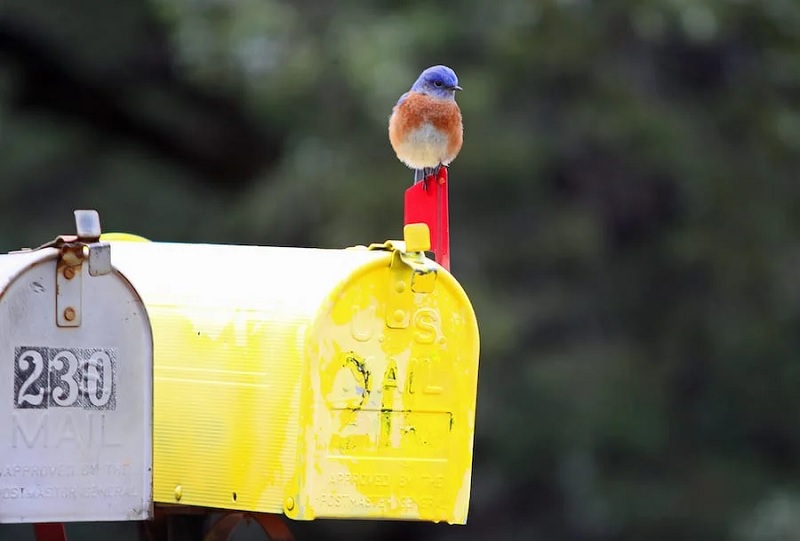
Mailboxes offer birds a safe, enclosed space protected from predators and harsh weather. During breeding season, some species see mailboxes as ideal nesting sites because they are elevated, relatively hidden, and provide good shelter. Additionally, birds may be attracted to mailboxes because of nearby food sources, such as insects or seeds that accumulate around the area. The mailbox can also serve as a convenient perch for resting or scouting the environment.
Common Bird Species Around Mailboxes
Several bird species are known to frequent mailboxes, including pigeons, sparrows, starlings, and occasionally smaller birds like wrens or finches. These birds can cause damage by nesting inside or leaving droppings, which not only creates a mess but can also block mail delivery. Recognizing the species and understanding their behavior helps in choosing the most effective deterrent methods tailored to specific birds’ habits and preferences.
Practical Steps to Prevent Birds from Entering Your Mailbox
Keeping birds out of your mailbox requires a combination of simple and effective strategies. These practical steps focus on making the mailbox less attractive and physically blocking birds from entering, all while ensuring the mailbox remains functional for mail delivery.
Install Physical Barriers
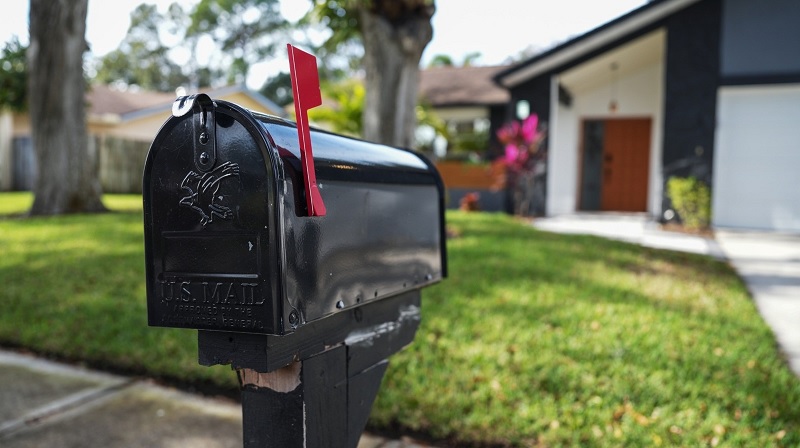
One of the most effective ways to prevent birds from accessing your mailbox is to use physical barriers. Mesh screens or fine wire netting can be attached inside the mailbox opening to block entry while still allowing mail to be delivered. Another option is to install a mailbox cover or flap that closes securely, preventing birds from entering but still allowing easy access for postal workers.
Use Deterrents and Visual Scare Devices
Bird deterrents such as reflective tape, shiny objects, or predator decoys (like plastic owls or snakes) placed near the mailbox can discourage birds from approaching. These items create movement or reflections that birds find unsettling. Moving these deterrents occasionally prevents birds from getting used to them.
Maintain Cleanliness and Remove Food Sources
Keeping the area around your mailbox clean and free of food scraps or spilled birdseed reduces the chances of attracting birds. Regularly clearing away debris, nests, or droppings ensures the mailbox does not become a tempting resting or nesting spot. Combining cleanliness with physical barriers and deterrents creates a comprehensive approach to keeping your mailbox bird-free.
Safe and Humane Bird Deterrent Methods
Using safe and humane methods to deter birds from your mailbox ensures that wildlife is protected while solving the problem effectively. These approaches focus on discouraging birds without causing harm or distress, promoting coexistence between humans and local bird populations.
Visual Deterrents
Visual deterrents are an excellent non-invasive way to keep birds away. Reflective tape, moving pinwheels, or shiny objects catch the light and create unpredictable movements that birds find unsettling. Predator decoys, such as plastic owls or hawks, can also be placed near the mailbox to mimic natural threats. Rotating these items regularly keeps birds from becoming accustomed to them.
Sound-Based Deterrents
Sound deterrents emit noises that are unpleasant or alarming to birds, such as predator calls or ultrasonic sounds. These devices are designed to discourage birds without causing harm or disturbing humans. It’s important to choose sound deterrents that do not negatively impact pets or neighbors.
Physical Barriers with Care
Installing mesh screens or netting inside the mailbox opening blocks birds from entering while allowing mail delivery. These barriers must be securely installed to avoid trapping birds or other small animals accidentally. Ensuring any physical deterrent does not pose a risk is essential for humane bird management.
Maintenance Tips for Long-Term Bird Prevention
Preventing birds from entering your mailbox requires ongoing care and attention. Regular maintenance ensures that deterrent measures remain effective and that your mailbox stays clean and functional over time.
Regular Inspection and Cleaning
Frequently check your mailbox and the surrounding area for signs of bird activity, such as nests, droppings, or damage. Removing any nests promptly discourages birds from settling in. Cleaning the mailbox regularly with mild soap and water helps prevent buildup of dirt and bird droppings, which can attract other wildlife or create unpleasant odors.
Repair and Reinforce Barriers
Physical barriers like mesh screens, netting, or covers should be inspected periodically for wear and tear. Replace or repair any damaged sections to maintain a secure barrier against birds. Reinforcing these deterrents ensures birds cannot find new ways to access the mailbox.
Rotate and Update Deterrents
Birds can become accustomed to stationary deterrents over time. To keep deterrents effective, rotate visual devices like reflective tape, decoys, or pinwheels regularly. Introducing new types of deterrents occasionally helps maintain an environment that birds find uncomfortable.
Keep Surroundings Tidy
Maintaining a clean area around the mailbox, free from food scraps, fallen seeds, or debris, reduces attraction. Trim nearby vegetation to limit perching spots and keep the area visible, discouraging birds from approaching.
When to Contact Wildlife Professionals
There are times when dealing with birds around your mailbox requires expert assistance. Knowing when to call wildlife professionals ensures that any bird-related issues are handled safely, legally, and effectively without causing harm to the animals or violating local regulations.
Signs That Professional Help Is Needed
If birds have built a nest inside your mailbox, especially during the breeding season, removing it without professional guidance can be illegal and harmful to the birds. Birds protected under laws such as the Migratory Bird Treaty Act require careful handling. Also, if bird activity leads to significant damage to your mailbox or property, or if attempts at deterrence have failed repeatedly, a wildlife expert’s advice can provide solutions tailored to your situation.
Benefits of Professional Assistance
Wildlife professionals have the knowledge and tools to safely relocate nests or discourage birds using humane methods. They understand local wildlife laws and can ensure that actions comply with regulations. Professionals can also assess the area for additional factors attracting birds and recommend long-term prevention strategies.
How to Find the Right Expert
Look for licensed wildlife control services or local wildlife rehabilitation centers with experience in bird management. Many offer consultations and humane removal services. Contacting professionals early can prevent escalating problems and protect both your mailbox and the birds.
Frequently Question Answers
How Can I Prevent Birds from Nesting in My Mailbox?
Prevent birds from nesting by installing physical barriers like mesh screens or mailbox covers that block entry while allowing mail delivery. Regularly check and remove any early signs of nesting before it becomes established.
What Are Some Humane Ways to Keep Birds Away from My Mailbox?
Use visual deterrents such as reflective tape, shiny objects, or predator decoys like plastic owls. Sound deterrents that emit bird-unfriendly noises can also help without harming the birds.
Why Are Birds Attracted to Mailboxes?
Birds are attracted to mailboxes because they provide sheltered, elevated spaces that protect them from predators and weather. Mailboxes near food sources or with nearby perches also draw birds for resting or nesting.
How Do I Clean and Maintain My Mailbox to Keep Birds Away?
Regularly clean your mailbox to remove droppings, nests, and debris. Keeping the area tidy and free from food scraps discourages birds from lingering or nesting nearby.
When Should I Call a Wildlife Professional About Birds in My Mailbox?
Contact a wildlife professional if birds have built a nest during breeding season, if removal attempts fail, or if local laws protect the bird species involved. Professionals ensure safe, legal, and humane handling.
Conclusion
Protecting your mailbox from birds doesn’t have to be complicated—it just takes a smart and respectful approach. Birds are drawn to quiet, sheltered spaces, but with a few adjustments, your mailbox can become far less inviting. Whether it’s installing barriers, using reflective materials, or simply keeping the area clean, small changes can make a big difference.
Every mailbox and location is different, so finding the right combination of solutions may take a little trial and error. For persistent issues or protected species, don’t hesitate to bring in wildlife professionals. With a balance of prevention and care, you can keep your mailbox bird-free and your mail safe—all while allowing birds to thrive in more suitable spaces.