
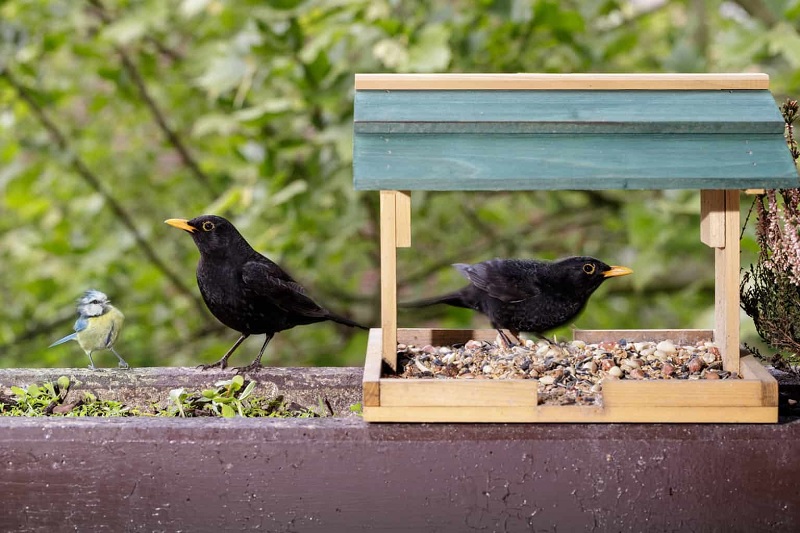
Bird watching can be a peaceful and rewarding hobby, especially when your backyard feeders attract a variety of colorful songbirds. However, the experience can quickly sour when large, aggressive black birds—like grackles, starlings, or crows—take over the feeders. These birds tend to dominate feeding stations, scare off smaller birds, and devour seed quickly, making it hard for other species to get their share.
If you’re struggling with this issue, you’re not alone—and you’re probably wondering how to keep black birds away from feeders without harming them or discouraging the birds you do want to see. Fortunately, there are several safe and effective strategies to help manage the problem. From choosing the right feeder style to selecting specific types of seed, small changes can make a big difference. In this guide, we’ll walk you through practical tips and methods for how to keep black birds away from feeders, so you can enjoy a more balanced and bird-friendly backyard.
Why Blackbirds Are a Problem at Bird Feeders
If you’ve noticed large flocks of blackbirds taking over your bird feeders, you’re not alone. While these birds are fascinating in their own right, they can cause quite a headache for backyard bird enthusiasts. Understanding why blackbirds become a problem at feeders is the first step toward managing them effectively.
Common Types of Blackbirds at Feeders
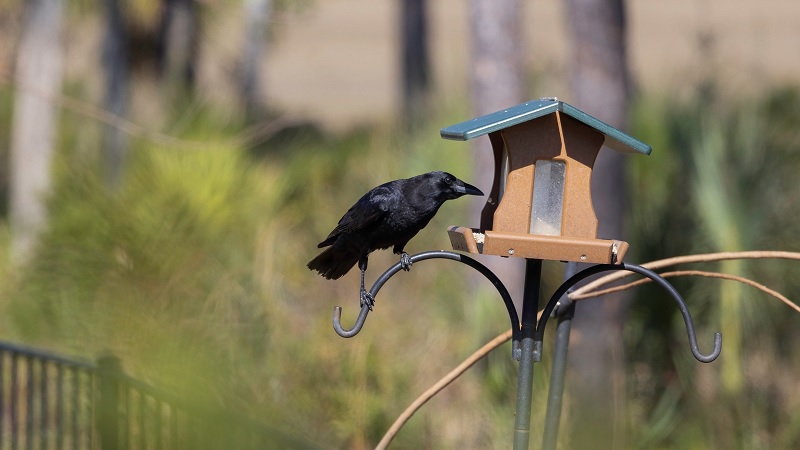
When it comes to blackbirds invading feeders, several species tend to dominate, each with unique behaviors that can create challenges for backyard bird lovers. European Starlings are among the most common offenders. Known for their aggressive nature and tendency to flock in large numbers, starlings often monopolize feeders with their strong appetite, leaving little food for other bird species. Their sheer numbers and assertiveness make it difficult for smaller birds to get a chance at the seed.
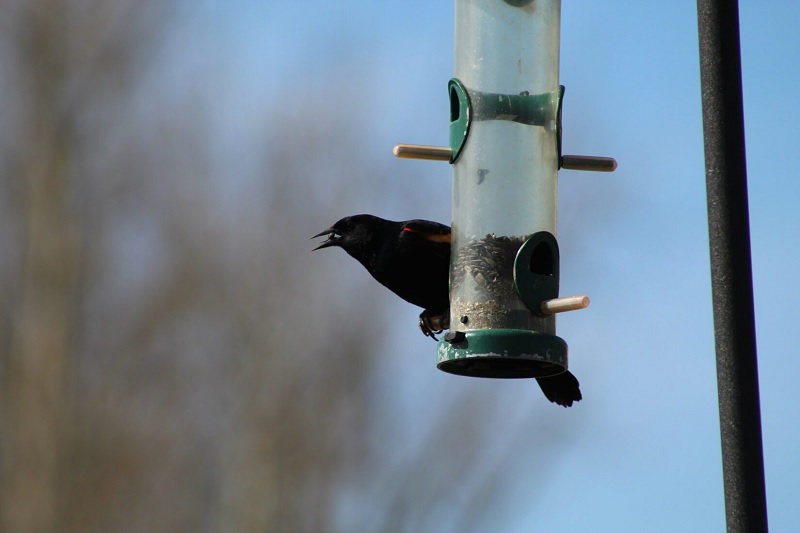
Red-winged Blackbirds are another frequent visitor to feeders. Easily identified by the bright red and yellow patches on their wings, these birds often gather in large groups near wetlands but will come to feeders especially during certain seasons. While less aggressive than starlings, their numbers and persistence can still overwhelm feeder stations, making them a challenge to manage.
Common Grackles are large blackbirds with iridescent feathers and a loud, harsh call that often alerts people to their presence. Grackles are particularly aggressive and are known to intimidate smaller birds away from feeders, sometimes even damaging feeders due to their size and forceful behavior.
Lastly, Brown-headed Cowbirds, though smaller than the others, also contribute to feeder competition. They tend to join the feeding frenzy and add to the crowd, further increasing the pressure on food resources.
Each of these blackbird species shares traits like size, aggressive feeding habits, and a tendency to gather in flocks, which together contribute to the problems they cause at backyard feeders.
Impact on Other Birds and Feeders
Blackbirds can have a significant negative impact on backyard birding in several ways. First and foremost, their aggressive behavior tends to chase away smaller, more timid birds. Species like finches, chickadees, and sparrows often avoid feeders where blackbirds dominate, which defeats the purpose of having a diverse feeding station.
Additionally, blackbirds are voracious eaters. Their large groups can quickly consume the seed supply, leaving feeders empty and requiring frequent refills. This not only increases maintenance but also the cost of feeding.
Another issue is the damage blackbirds can cause. Their size and numbers can strain or damage feeder structures not designed to support such heavy use. Plus, their droppings can create messes that discourage birdwatching and may even pose health risks if not cleaned regularly.
Identifying Blackbird Behavior
Understanding blackbird behavior is key to managing their presence at your feeders. These birds have distinct habits and patterns that can help you recognize when they are becoming a problem and why. By identifying how and when blackbirds feed, as well as their seasonal activity, you can better tailor your strategies to keep them under control.
Feeding Habits
Blackbirds are known for their aggressive and often dominant feeding habits. Unlike smaller songbirds that nibble gently or feed quietly, blackbirds tend to be loud and bold at feeders. They often arrive in large groups, quickly overwhelming the feeder and consuming vast amounts of seed in a short time. This aggressive feeding behavior can frighten away smaller birds, such as finches and chickadees, who avoid confrontation.
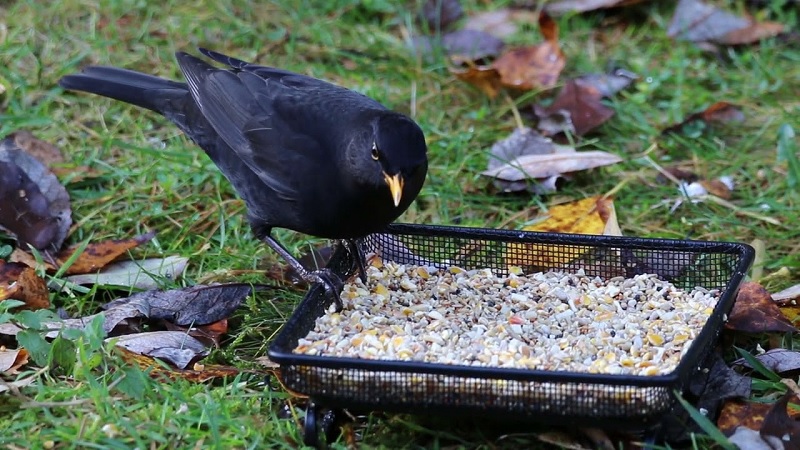
Most blackbirds prefer feeding on the ground or at platform feeders, where they can easily access scattered seed. They are opportunistic feeders, meaning they will take advantage of whatever food source is available, whether it’s sunflower seeds, cracked corn, or even suet. Their ability to eat a wide range of foods makes them particularly persistent visitors to feeders.
Another notable behavior is their tendency to monopolize feeding areas. Once a flock of blackbirds settles in, they will aggressively defend the space, chasing off other bird species and sometimes even each other. This territorial behavior is one reason why blackbirds can quickly turn a peaceful bird feeder into a chaotic scene.
Seasonal Activity
Blackbird behavior also varies with the seasons. During the spring and summer months, many blackbird species focus more on breeding and nesting activities. While they still visit feeders, their numbers tend to be lower, and their feeding activity is less intense. During this period, you may notice more territorial calls and displays as males compete for mates and nesting sites.
In the fall and winter, blackbirds often form large flocks to roost and feed together. This seasonal flocking behavior is when they become most problematic at feeders. As natural food sources dwindle with colder weather, blackbirds turn to backyard feeders as a reliable food supply. Their large groups can overwhelm feeders quickly, increasing competition and making it difficult for other birds to feed.
Additionally, migration patterns influence blackbird activity. Some species may only be present during certain times of the year, so understanding when these birds are most active in your area can help you anticipate and manage their presence.
By recognizing these feeding habits and seasonal behaviors, you’ll be better equipped to identify when blackbirds are starting to dominate your feeders and take steps to minimize their impact.
Strategies to Deter Blackbirds
Blackbirds, such as grackles, starlings, and red-winged blackbirds, can be persistent visitors to your bird feeders, often dominating feeding spots and crowding out smaller songbirds. While these birds are part of the natural ecosystem, their aggressive behavior and large flock sizes can make backyard bird feeding frustrating.
The good news is that there are many practical strategies you can use to deter blackbirds and protect your feeders for the smaller birds you want to attract. Below, we explore a variety of effective methods—from feeder choice and placement to physical deterrents and feeding schedules—that can help you regain control of your backyard bird feeding.
Use Selective Bird Feeders
One of the most effective ways to keep blackbirds away from your feeders is by using feeders designed to exclude larger birds. Selective bird feeders are built to accommodate smaller species while making it difficult or uncomfortable for blackbirds to feed.
Weight-Activated Feeders
Weight-activated feeders are equipped with mechanisms that close feeding ports when heavier birds land on them. Since blackbirds tend to be larger and heavier than finches or chickadees, these feeders will close off access to seed, preventing blackbirds from feeding. These feeders are especially useful for smaller seeds like nyjer or sunflower chips and work well for attracting finches, titmice, and other small songbirds.
Caged or Domed Feeders
Another option is caged or domed feeders. These feeders have metal cages or wire cages surrounding the seed ports, with openings sized only large enough for smaller birds to slip through. The cage prevents larger blackbirds from reaching the seed inside, making it a physical barrier that discourages them from feeding. Domed feeders with guards or small openings work similarly, reducing access to larger, aggressive birds.
Choose Bird Seed Wisely
The type of seed you offer plays a major role in attracting or deterring blackbirds. Since these birds have strong preferences, choosing the right seed can significantly reduce their visits.
Avoid Mixed Seed Blends
Mixed seed blends often contain cheap fillers such as millet, cracked corn, and other seeds that blackbirds love. These blends attract not only blackbirds but also squirrels and other pests. To avoid attracting blackbirds, it’s best to stay away from mixed seed blends, which invite competition and crowding at your feeders.
Use Safflower or Nyjer Seed
Safflower seed is one of the best options to deter blackbirds. While many small songbirds enjoy safflower, blackbirds typically avoid it due to its bitter taste and tough shell. Nyjer seed is another great choice, favored by finches but generally ignored by blackbirds. Using these seeds in selective feeders encourages desirable birds while discouraging blackbirds from dominating your feeding stations.
Placement of Feeders
Where you place your feeders can impact how likely blackbirds are to visit and dominate them. Strategic placement helps minimize blackbird access and gives smaller birds safer feeding opportunities.
Hang Feeders in Strategic Locations
Position feeders away from open spaces where blackbirds like to congregate. Hanging feeders near shrubs, trees, or dense foliage provides smaller birds with nearby cover and quick escape routes from predators and larger birds. Blackbirds prefer open, exposed feeders where they can easily spot threats and dominate the area. By contrast, placing feeders closer to natural cover discourages blackbirds and attracts smaller, more cautious species.
Use Feeder Baffles and Guards
Installing baffles—dome-shaped or cone-shaped barriers—above or below feeders can help prevent blackbirds from perching and accessing food. Baffles mounted above feeders stop larger birds from landing on the feeder roof, while those below prevent them from climbing up poles or hanging onto perches. Guards fitted to feeder poles or hanging hardware create additional barriers that deter blackbirds without disturbing smaller birds.
Limit Feeding Times
Adjusting when you provide food can help reduce blackbird visits by disrupting their feeding patterns and giving smaller birds a chance to eat.
Scheduled Feeding
Instead of leaving feeders full all day, try filling them only during specific times, such as early morning or late afternoon. Blackbirds tend to feed throughout the day in large groups, so limiting seed availability can discourage them from relying on your feeders.
Remove Feeders Overnight
Taking feeders down overnight can also reduce blackbird presence. Many blackbirds roost elsewhere at night, and by removing feeders after dark, you limit the chances they’ll return early in the morning and scare off smaller birds. This practice also helps reduce seed spoilage and limits access by nocturnal pests.
Distraction Feeding
Sometimes it helps to provide blackbirds with a separate food source away from your main feeders to keep them occupied and away from the smaller birds.
Set Up Separate Feeding Areas
Create a separate feeding station specifically for blackbirds, stocked with seeds they prefer like cracked corn or millet. Position this feeder several yards away from your main feeders, ideally in an open area where blackbirds feel comfortable. This distraction feeding can reduce pressure on your main feeders, allowing smaller birds to feed peacefully.
Physical and Visual Deterrents
In addition to feeder choice and placement, physical and visual deterrents can be effective in discouraging blackbirds from settling in your feeding areas.
Reflective Objects
Blackbirds dislike sudden flashes of light and movement. Hanging reflective objects such as old CDs, shiny tape, aluminum foil strips, or specially designed reflective bird deterrents can create flashes and movements that scare blackbirds away. Move these objects regularly to prevent birds from becoming accustomed to them.
Predator Decoys
Placing decoys of natural blackbird predators like owls, hawks, or snakes near feeders can discourage blackbirds from approaching. For best results, move the decoys around every few days to keep blackbirds wary, as they can quickly learn when a decoy is stationary and no real threat.
Noise Makers
Occasional noise can startle blackbirds and discourage them from lingering. Devices like wind chimes, motion-activated alarms, or even recorded predator calls can be effective. However, use noise deterrents judiciously to avoid disturbing neighbors or other wildlife.
Maintenance Tips to Prevent Blackbird Infestations
Keeping blackbirds from taking over your feeders isn’t just about using the right feeders or seeds — ongoing maintenance and attention to your feeding area play a crucial role in preventing infestations. By maintaining a clean environment, rotating feeding spots, and regularly monitoring bird activity, you can create a more balanced and welcoming space for all bird species.
Keep Area Clean
One of the most important maintenance steps is to keep your feeding area clean. Blackbirds are attracted not only by the seed but also by leftover debris, spilled seed, and bird droppings that accumulate under feeders. Regularly cleaning the ground beneath feeders by sweeping up spilled seeds and removing waste helps reduce the attraction for blackbirds and other unwanted pests.
Additionally, clean your feeders frequently. Moldy or spoiled seed can deter desirable birds but may not discourage blackbirds, who tend to be less picky. Washing feeders with warm, soapy water every couple of weeks prevents disease spread and keeps the seed fresh. A clean feeder signals a healthy feeding environment that supports a variety of bird species.
Rotate Feeding Locations
Another effective maintenance tip is to rotate your feeders’ locations periodically. Leaving feeders in the same spot for long periods can encourage blackbirds to establish a territory and dominate the area. Moving feeders a few feet or to a different part of your yard disrupts established blackbird habits and reduces their ability to claim your feeders.
Rotating feeding locations also helps prevent seed buildup in one area, which can create a feeding hotspot that blackbirds love. It allows you to keep your yard fresh and gives smaller birds safer, less crowded places to feed.
Monitor Bird Activity
Regularly observing the types of birds visiting your feeders is key to preventing blackbird infestations before they become overwhelming. Keep a simple log or take notes on when blackbirds start to appear and how large their groups are. Early detection means you can implement deterrent strategies quickly, minimizing their impact on other birds.
Monitoring also helps you evaluate the effectiveness of the methods you use. If blackbirds continue to dominate despite changes, it may be time to adjust your feeding strategy or try new deterrents. By staying proactive and attentive, you can maintain a healthy balance that encourages diverse bird populations in your backyard.
Frequently Asked Questions
How Can I Keep Black Birds From Taking Over My Bird Feeders?
You can keep black birds from dominating your feeders by using selective feeders designed to exclude larger birds. Weight-activated feeders close feeding ports when heavier birds land, allowing only smaller birds to feed. Choosing seeds that blackbirds dislike, such as safflower or nyjer, can also help. Additionally, placing feeders near shrubs or trees offers smaller birds cover and discourages blackbirds, who prefer open spaces. Combining these strategies gives you the best chance to keep blackbirds at bay while supporting a variety of songbirds.
What Types Of Bird Seed Should I Use To Deter Blackbirds?
To deter blackbirds, avoid mixed seed blends that often contain millet and cracked corn, which blackbirds love. Instead, opt for safflower seed or nyjer seed. Safflower has a bitter taste and tough shell that most blackbirds reject, while nyjer seed is favored by finches and generally ignored by blackbirds. Offering these seeds in feeders designed for smaller birds ensures blackbirds won’t get easy access, helping reduce their visits.
Does Feeder Placement Affect Blackbird Visits?
Yes, feeder placement can significantly influence blackbird activity. Blackbirds prefer open, exposed feeders where they can easily spot threats and gather in flocks. By placing feeders closer to dense shrubs or trees, you provide smaller birds with quick escape routes and cover, making blackbirds less likely to visit. You can also use feeder baffles or guards to limit where blackbirds can perch or access the seed, further discouraging them from hanging around.
Can Changing Feeding Times Help Reduce Blackbird Problems?
Changing feeding times can be an effective tactic. Instead of keeping feeders stocked all day, try scheduled feeding—filling feeders only during early morning or late afternoon. Blackbirds feed in large groups throughout the day, so limiting access reduces their opportunity to dominate the feeder. Removing feeders overnight also helps by cutting off food supply when blackbirds are less active, encouraging them to move on and giving smaller birds a chance to feed without competition.
Are There Visual Or Physical Deterrents That Work Against Blackbirds?
Yes, visual and physical deterrents can help keep blackbirds away. Reflective objects like old CDs, shiny tape, or aluminum foil strips create flashes of light that scare blackbirds. Predator decoys such as owls or hawks placed near feeders can also intimidate them—just remember to move the decoys regularly so blackbirds don’t get used to them. Noise makers like wind chimes or motion-activated alarms can be helpful too but use them sparingly to avoid disturbing other wildlife or neighbors. These deterrents work best when combined with other strategies for long-term success.
Conclusion
Keeping black birds away from your feeders takes a combination of smart strategies and ongoing care. By choosing selective feeders, offering seeds like safflower or nyjer, and placing feeders near natural cover, you can discourage blackbirds and create a safer space for smaller songbirds. Incorporating feeder baffles, scheduled feeding, and visual deterrents adds extra layers of protection.
Remember, regular maintenance—such as cleaning feeders and rotating their locations—is just as important to prevent blackbird infestations. With patience and persistence, you’ll enjoy a backyard filled with a diverse and peaceful bird population. Taking these steps not only improves your birdwatching experience but also helps maintain a healthy, balanced ecosystem right outside your window.