
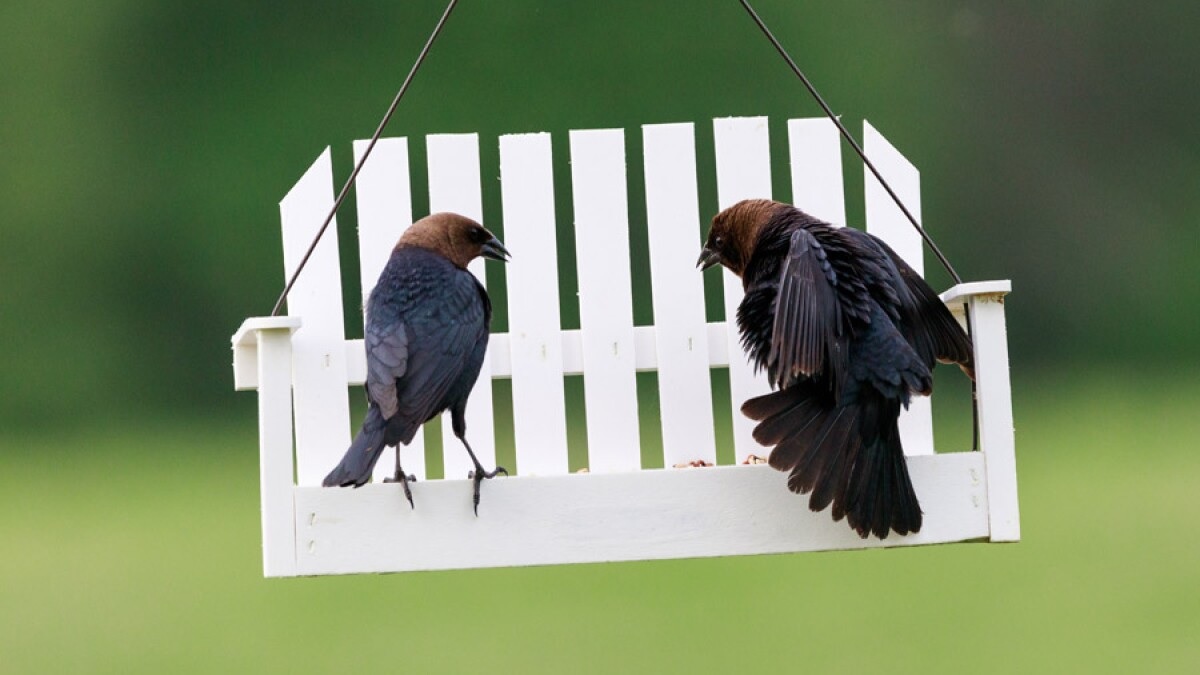
If you enjoy watching birds visit your feeders, you might have noticed cowbirds can quickly take over and chase away other songbirds. Cowbirds are notorious for their aggressive behavior and tendency to dominate feeding spots, which can be frustrating for anyone wanting to attract a variety of bird species. So, if you’re wondering how to keep cowbirds away from bird feeders, you’re not alone.
Many bird enthusiasts seek effective, humane ways to discourage cowbirds without harming them. The good news is, with a few thoughtful strategies, you can create a more welcoming environment for smaller birds and limit cowbird visits. In this guide, we’ll explore practical tips and techniques to help you maintain a balanced and peaceful backyard bird scene, ensuring your feeders attract a diverse mix of feathered friends without the unwelcome takeover of cowbirds.
Understanding Cowbirds
Cowbirds are medium-sized birds known for their unique behavior of laying eggs in other birds’ nests, a practice called brood parasitism. They visit bird feeders because these provide easy access to seeds, especially in areas where natural food is limited. However, their aggressive nature often drives away smaller songbirds. This dominance, combined with their reproductive habits, can negatively impact other bird populations, making it important to understand cowbirds when learning how to keep them away from bird feeders.
What Are Cowbirds?
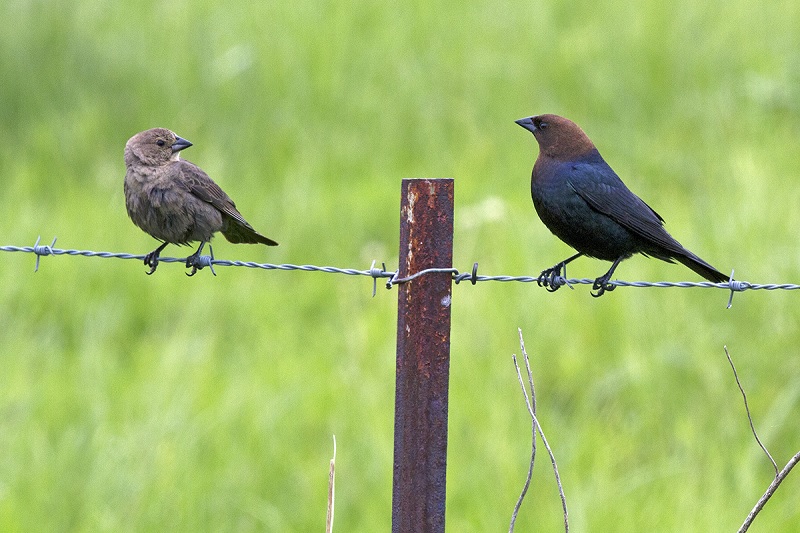
Cowbirds are a fascinating yet often misunderstood group of birds native to North America. Belonging to the blackbird family, they are medium-sized birds with glossy black feathers and striking eyes—though females tend to have a duller brownish color. Unlike many other songbirds, cowbirds are known for their unique reproductive strategy called brood parasitism. This means instead of building their own nests and raising their chicks, female cowbirds lay their eggs in the nests of other bird species. This behavior allows them to save energy but often places stress on the host birds who end up raising cowbird chicks alongside their own.
Why Do Cowbirds Visit Bird Feeders?
Cowbirds are opportunistic feeders, and bird feeders provide a reliable food source, especially during colder months or in urban areas where natural food might be scarce. They are attracted to feeders that offer seeds, especially millet and sunflower seeds, and they tend to prefer feeders that allow easy access. Cowbirds are social and bold birds; they often visit feeders in groups and can become quite dominant, crowding out smaller songbirds. Because they aren’t shy about sticking around and competing for food, cowbirds can quickly become a common sight — and sometimes an unwelcome one — at backyard feeders.
Impact of Cowbirds on Other Birds
The presence of cowbirds at feeders can have several effects on other birds. Their dominant and sometimes aggressive behavior means they often outcompete smaller, more timid birds for food. This can reduce the number and diversity of songbirds visiting your feeder. More importantly, cowbirds’ brood parasitism affects bird populations on a larger scale.
When cowbird chicks hatch in a host’s nest, they often grow faster and demand more food, sometimes at the expense of the host’s own chicks. This can lead to decreased survival rates for the host species’ young, particularly for already vulnerable or endangered birds. While cowbirds play a natural role in the ecosystem, their impact on other birds — both at feeders and in the wild — is a key reason many bird lovers want to learn how to keep cowbirds away from bird feeders.
Strategies to Keep Cowbirds Away from Bird Feeders
Cowbirds can be persistent visitors at backyard feeders, often outcompeting smaller, more desirable songbirds. If you’re looking to maintain a peaceful, diverse birdwatching environment, learning effective strategies to keep cowbirds away from bird feeders is essential. Below are proven methods that combine feeder choice, food selection, physical deterrents, habitat management, and regular maintenance to help create a bird-friendly space less appealing to cowbirds.
Choosing the Right Bird Feeder
Types of Feeders Less Attractive to Cowbirds
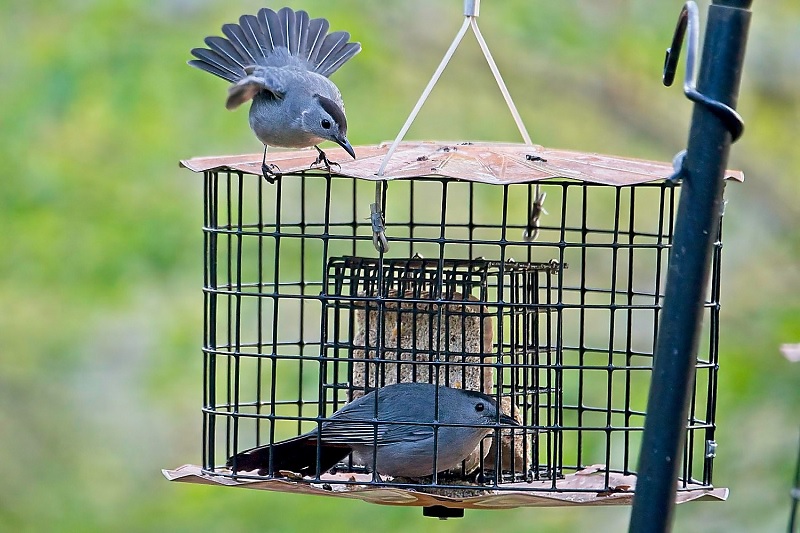
Not all bird feeders are equally inviting to cowbirds. These birds prefer feeders that offer easy access and plenty of space to land, such as platform or tray feeders. To discourage cowbirds, consider using tube feeders or feeders with small perches designed for smaller songbirds like finches or chickadees. Feeders with weight-sensitive perches that close under heavier birds’ weight can effectively exclude cowbirds, which are typically larger than many feeder visitors. Additionally, feeders with cages or wire guards surrounding them can physically block cowbirds from reaching the food.
Feeder Placement Tips
Where you place your feeders also influences cowbird visits. Cowbirds tend to feel more comfortable feeding in open spaces where they can easily spot predators. Placing feeders closer to dense shrubs, trees, or cover preferred by smaller birds can discourage cowbirds, which favor open ground and wider visibility. Position feeders at varying heights, ideally near natural shelter but with nearby escape routes for small birds. Avoid placing feeders in open, exposed areas where cowbirds can dominate without threat.
Selecting Bird Food That Discourages Cowbirds
Seeds and Mixes Cowbirds Avoid
Cowbirds have specific food preferences and tend to avoid some seeds that smaller songbirds favor. While cowbirds readily eat millet and cracked corn, they are less interested in nyjer (thistle seed) and safflower seeds. Offering seed mixes rich in safflower or nyjer can help attract finches, cardinals, and chickadees, while making your feeder less appealing to cowbirds.
Alternative Food Options for Desired Birds
Supplementing feeders with suet, peanuts, or fruit can attract a wider variety of songbirds and help divert attention away from cowbirds. Cowbirds generally avoid suet feeders, which are popular among woodpeckers and nuthatches. You can also provide a separate feeding station with these alternative foods placed in more sheltered areas, encouraging smaller birds to visit safer spots and reducing cowbird dominance.
Using Physical Deterrents
Bird Spikes and Guards
Installing bird spikes or guards around feeders and perches can be an effective physical barrier. These devices prevent cowbirds from comfortably landing or resting near your feeders. While spikes are usually designed to deter pigeons or larger birds, they can be adapted to discourage cowbirds without harming any birds.
Reflective Objects and Noise Makers
Reflective objects such as old CDs, aluminum foil strips, or specially designed scare tape can confuse and scare away cowbirds. These reflective materials move in the breeze and catch sunlight, creating flashes that birds find unsettling. Noise deterrents like wind chimes or motion-activated sound devices can also help, although their effectiveness varies and they may disturb all birds if overused. Use noise makers sparingly and in combination with other deterrents for the best results.
Creating a Cowbird-Unfriendly Environment
Planting Native Shrubs and Trees
A well-planted backyard can discourage cowbirds by providing cover and food sources preferred by smaller birds. Native shrubs and trees offer safe perches, nesting spots, and natural shelter that cowbirds find less appealing. Dense vegetation near feeders helps smaller birds feed without feeling exposed to cowbird aggression.
Managing Nearby Habitats
Cowbirds thrive in open, disturbed habitats like pastures and lawns. Reducing open grassy areas around your feeder by adding natural landscaping features or creating buffer zones can limit cowbird presence. Avoid attracting cowbirds inadvertently by keeping pet food and compost piles secure and away from bird feeding areas.
Regular Maintenance and Monitoring
Cleaning Feeders
Regularly cleaning your feeders not only promotes bird health but can also discourage cowbirds. Old, moldy seeds and spilled food on the ground attract cowbirds and other less desirable visitors. Keeping feeders tidy reduces food waste and the scent that lures cowbirds.
Rotating Feeder Locations
Changing your feeder locations periodically can help disrupt cowbirds’ feeding habits. Moving feeders to different spots in your yard, especially closer to shrubs or trees, may confuse cowbirds and give smaller birds more opportunities to feed peacefully. Combined with other deterrents, this tactic can reduce cowbird dominance over time.
Additional Tips and Tricks
When it comes to keeping cowbirds away from your bird feeders, sometimes a single method isn’t enough. Combining multiple strategies can be far more effective in creating a feeder environment that favors smaller songbirds while discouraging cowbirds. In addition, timing your feeder usage thoughtfully can also play a crucial role. Here are some additional tips and tricks to enhance your success in managing cowbird visits.
Timing Feeder Usage
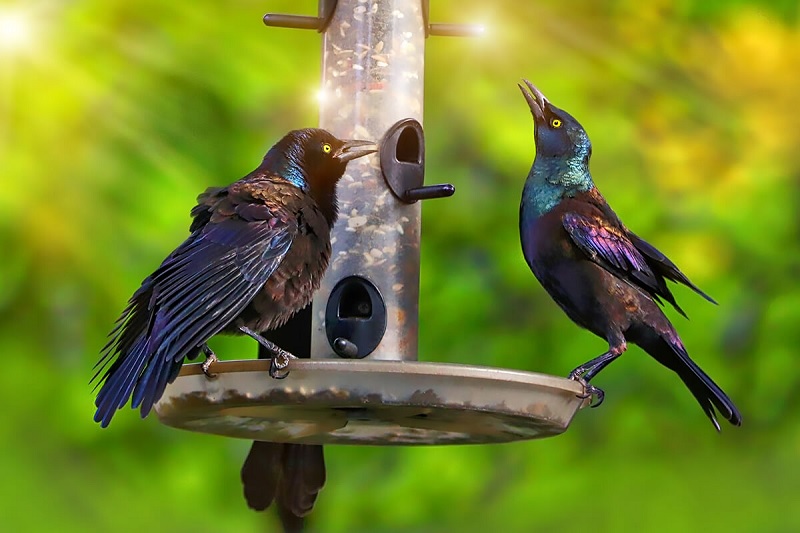
Cowbirds tend to be more active at certain times of the day, especially in the early morning and late afternoon when they forage most intensively. One helpful strategy is to adjust the hours when your feeders are accessible. For example, you can put feeders out during peak feeding times for smaller birds and cover or close them during periods when cowbirds are most likely to dominate.
Another effective approach is seasonal feeder management. Cowbirds are more likely to visit feeders in late spring and summer, which coincides with their breeding season. Temporarily reducing feeding during this time or switching to types of food less attractive to cowbirds can help minimize their presence. This seasonal adjustment helps balance the needs of native birds without supporting cowbird populations.
Combining Multiple Deterrent Methods
Relying on just one deterrent often gives cowbirds time to adapt and return. Instead, combining physical barriers, strategic feeder placement, and food selection creates a multi-layered defense that is harder for cowbirds to overcome.
For instance, you might use tube feeders with weight-sensitive perches to exclude heavier birds like cowbirds while planting dense native shrubs nearby to provide cover for smaller birds. Adding reflective objects like scare tape near feeders and keeping feeders clean and well-maintained further strengthens your setup.
Using noise deterrents in combination with visual scare tactics can also be effective, but it’s important to avoid overdoing noise devices so as not to disturb all visiting birds. Rotating feeders’ locations every few weeks along with these methods can prevent cowbirds from becoming too comfortable and monopolizing your feeding stations.
When to Seek Professional Help
If cowbirds continue to dominate your feeders despite trying various strategies, it might be time to seek professional help. Wildlife experts or bird control specialists can assess your situation and recommend tailored solutions that are safe and effective. They can also help ensure that deterrent methods comply with local wildlife regulations. Seeking professional advice is especially important if cowbirds are impacting endangered or protected bird species in your area.
Frequently Asked Questions
How Can I Prevent Cowbirds From Taking Over My Bird Feeders?
You can prevent cowbirds from dominating your feeders by choosing the right feeder type and food. Use tube feeders or feeders with small perches designed for smaller birds, which make it harder for larger cowbirds to access the seeds. Offering safflower or nyjer seeds instead of millet or cracked corn also helps since cowbirds tend to avoid these. Placing feeders near dense shrubs provides cover for smaller birds and discourages cowbirds that prefer open spaces.
What Are The Best Bird Foods To Discourage Cowbirds?
To discourage cowbirds, offer seeds and foods they generally avoid. Nyjer (thistle seed) and safflower seeds are excellent choices because cowbirds usually find them unappealing. You can also provide suet or peanut feeders, which attract woodpeckers and nuthatches but not cowbirds. Avoid seed mixes heavy in millet or cracked corn, as these are cowbird favorites. By carefully selecting food, you attract your desired birds while minimizing cowbird visits.
How Does Feeder Placement Affect Cowbird Visits?
Feeder placement plays a big role in controlling cowbird activity. Cowbirds prefer feeding in open, exposed areas where they can watch for predators. By placing your feeders closer to dense shrubs or trees, you create a safer environment for smaller birds and make cowbirds feel less comfortable. Additionally, varying feeder heights and locations can disrupt cowbirds’ routines, giving smaller songbirds better access to food without interference.
Are Physical Deterrents Effective Against Cowbirds?
Yes, physical deterrents like bird spikes, cages, and weight-sensitive perches can be very effective in keeping cowbirds away. Bird spikes and guards prevent cowbirds from landing comfortably near feeders, while weight-sensitive perches close access when heavier birds like cowbirds try to feed. Reflective objects such as scare tape or old CDs can also discourage cowbirds by startling them. For best results, combine these deterrents with other methods.
When Should I Consider Getting Professional Help For Cowbird Problems?
If cowbirds persist despite your best efforts using feeders, food selection, and deterrents, it may be time to seek professional help. Wildlife experts or bird control specialists can provide tailored advice and humane solutions to manage cowbird populations effectively. This is especially important if cowbirds are impacting vulnerable or protected bird species in your area. Professionals ensure that your control methods comply with local wildlife laws and help maintain a healthy backyard bird community.
Conclusion
Keeping cowbirds away from your bird feeders can be challenging, but with the right approach, it’s definitely achievable. By choosing feeders designed to exclude larger birds, offering seeds and foods that cowbirds tend to avoid, and placing feeders strategically near natural cover, you can create a welcoming environment for smaller songbirds. Adding physical deterrents like bird spikes or reflective objects further discourages cowbirds from taking over.
Regular maintenance, such as cleaning feeders and rotating their locations, also plays a key role in managing cowbird presence. Remember, combining multiple strategies and being patient will help you enjoy a more diverse and peaceful backyard birdwatching experience. With consistent effort, you’ll protect your feeders from cowbirds and support a thriving community of songbirds.