
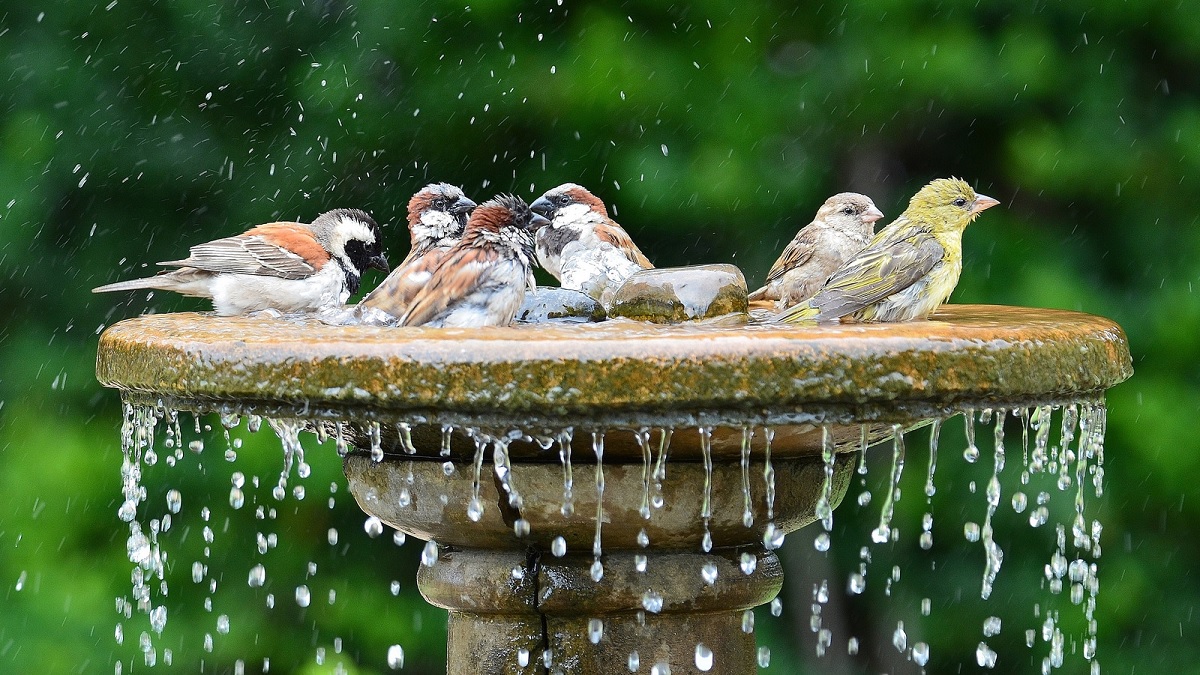
Keeping a backyard fountain is a beautiful way to attract birds and enjoy the soothing sound of flowing water, but it comes with responsibility. Birds rely on these water sources not just to drink but also to bathe, especially during warmer months. That’s why it’s important to understand how to keep fountain water clean and safe for birds. Without proper maintenance, algae, bacteria, and harmful chemicals can quickly turn your peaceful bird oasis into a health hazard for your feathered visitors.
This guide will walk you through simple, natural methods to maintain clean water, discourage mosquitoes, and protect birds from common contaminants. Whether you’re using a solar-powered fountain or a traditional stone basin, keeping the water fresh and inviting doesn’t require expensive tools or toxic cleaners. With just a few regular habits and smart choices, you can create a safe, sparkling spot that birds will love and return to every day.
Choosing the Right Fountain
Selecting the right fountain is key to creating a healthy and inviting environment for birds. The materials, size, design, and placement of your fountain can all impact how safe and attractive it is for your feathered visitors. Here’s what to consider when choosing a bird-friendly fountain.
Bird-Safe Materials
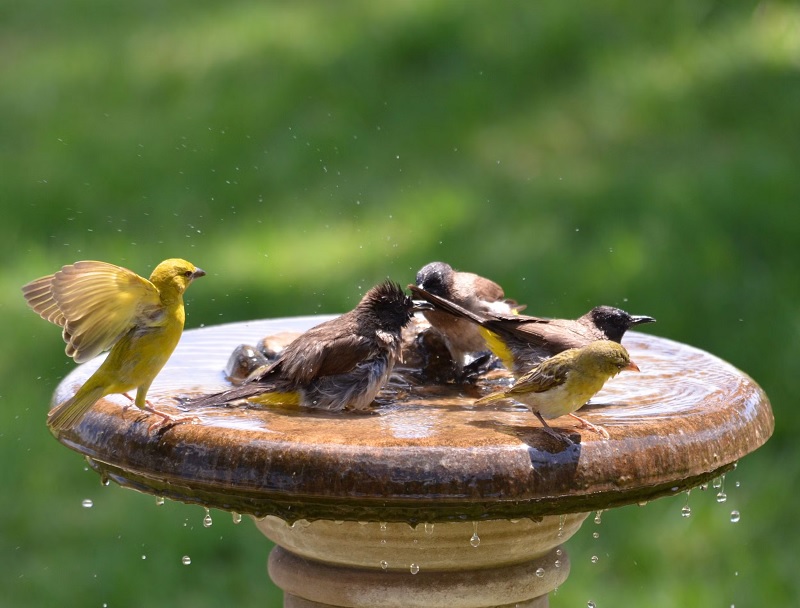
The materials used in your fountain should be non-toxic and durable. Avoid fountains made with treated wood, certain metals, or painted finishes that could flake or leach harmful substances into the water. Instead, look for fountains made from natural stone, ceramic, or high-quality resin. These materials are safer for birds and are easier to clean. Smooth surfaces are ideal because they prevent algae buildup and don’t harm birds’ feet or feathers. Also, make sure the basin is sealed properly to prevent any contaminants from seeping into the water over time.
Proper Fountain Size and Design
When choosing a fountain, opt for a design that allows easy access to water. Shallow basins are best because they enable small birds to drink and bathe without risk of drowning. Ideally, the water depth should be no more than 2–3 inches in the bathing area. If the fountain has multiple levels, ensure there’s at least one tier with a shallow ledge where birds can perch comfortably.
Avoid fountains with strong jets or fast-moving streams, as they can deter birds from approaching. A gentle flow or bubbling effect is more appealing and less intimidating. Some fountains even come with attachments to adjust the water pressure, which can help customize it for bird safety and comfort.
Location Considerations
Where you place your fountain matters just as much as the fountain itself. Choose a quiet, shaded spot in your yard that’s safe from predators like cats or hawks. Birds prefer areas with some nearby cover—like shrubs or trees—so they can hide quickly if threatened, but avoid placing the fountain directly under branches where falling leaves or droppings could dirty the water.
The location should also allow for easy access to clean and refill the fountain regularly. Positioning your fountain near a hose or water source makes maintenance less of a chore. If you’re in a colder climate, consider a spot that gets some sunlight to help prevent freezing in winter, or plan to use a heater during colder months.
Regular Cleaning and Maintenance
Keeping your fountain clean and well-maintained is crucial to ensure that the water remains safe and healthy for birds. Regular cleaning prevents the buildup of algae, bacteria, and debris that can harm your feathered visitors. In this section, we’ll cover how often you should clean your fountain, the tools you’ll need, and a detailed step-by-step cleaning process to keep your fountain sparkling and bird-friendly.
How Often to Clean Your Fountain
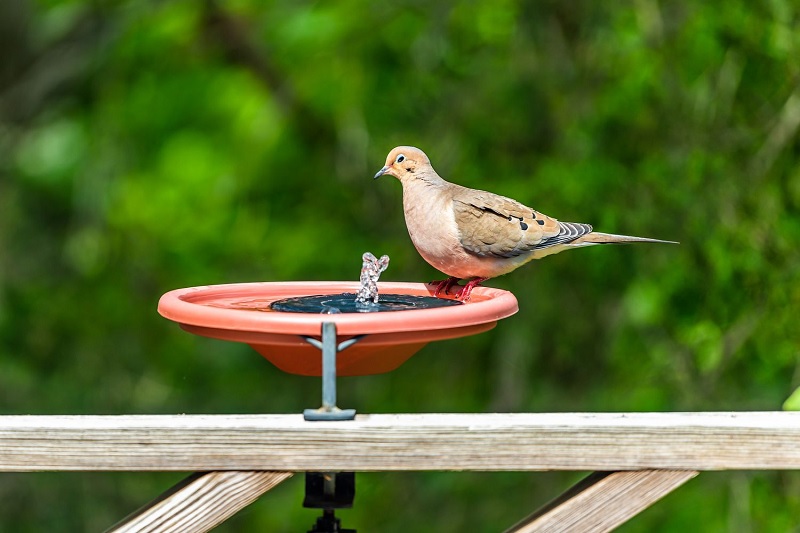
The frequency of cleaning depends on several factors such as the size of your fountain, the climate, and how many birds visit. As a general rule, aim to clean your fountain at least once a week during warm months when algae and bacteria growth accelerates. In cooler seasons, you might reduce cleaning to every two weeks or as needed. However, if you notice murky water, unpleasant odors, or excessive debris, clean the fountain immediately to avoid any risk to the birds.
Additionally, it’s a good idea to change the water every two to three days, even if it looks clean. Fresh water discourages mosquito breeding and keeps the environment healthy. Regular maintenance not only benefits birds but also prolongs the life of your fountain.
Tools and Supplies Needed
To clean your fountain effectively, you’ll need a few simple tools and supplies prepared in advance. A soft-bristle brush or sponge is ideal for scrubbing the surfaces without causing damage, while a small scrub brush or toothbrush helps reach tight areas that are harder to clean. You’ll also need a bucket or hose to drain and rinse the fountain thoroughly.
For cleaning agents, mild dish soap or a bird-safe cleaning solution works best—avoid harsh chemicals or bleach, as they can be harmful to birds. White vinegar can be used optionally for natural algae removal. Don’t forget to wear gloves to protect your hands during the cleaning process. Finally, have fresh water ready for refilling once the fountain is clean. Having all these supplies on hand before you start will make the cleaning process smoother and more efficient.
Step-by-Step Cleaning Process
Cleaning your fountain doesn’t have to be complicated. Follow these steps to keep your fountain water clean and safe for birds.
Draining the Fountain
Begin by turning off the fountain’s pump or power source. If your fountain has a drain plug, open it to empty the water. If not, use a bucket or cup to scoop out the water carefully. Make sure to remove all water to prevent residue buildup. Once drained, remove any leaves, feathers, or debris from the basin.
Scrubbing and Rinsing
Next, use a soft brush or sponge with warm water and a small amount of mild dish soap or bird-safe cleaner to scrub all surfaces of the fountain. Pay special attention to areas where algae tend to grow, such as edges, corners, and underneath any decorative elements. For stubborn algae or mineral deposits, soak a cloth in white vinegar and let it sit on the spots for a few minutes before scrubbing gently.
Use a toothbrush or small brush to clean tight spots like nozzles or grooves. Avoid using harsh chemicals or bleach, as these can leave harmful residues. After scrubbing, thoroughly rinse the entire fountain multiple times with clean water to ensure no soap or cleaning agents remain.
Refilling with Fresh Water
Once your fountain is clean and rinsed, it’s time to refill it with fresh water. Use filtered or tap water that’s free from chemicals like chlorine or chloramine if possible, as these can be harmful to birds. Fill the basin to the appropriate level, usually just below the edge to prevent splashing. Turn the pump or fountain back on and observe the water flow to make sure everything is working properly.
After refilling, continue to monitor the fountain regularly, changing the water every few days and cleaning the basin as needed. During hot weather, you may need to clean more frequently to prevent rapid algae growth.
Preventing Algae and Bacteria Growth
Keeping your fountain water clear and safe for birds means actively preventing algae and bacteria growth. These unwanted guests can quickly turn your fountain into a breeding ground for harmful microorganisms, making it unsafe for birds and unsightly for your garden. Fortunately, there are several effective and safe ways to control algae and bacteria without harming your feathered visitors.
Natural Methods
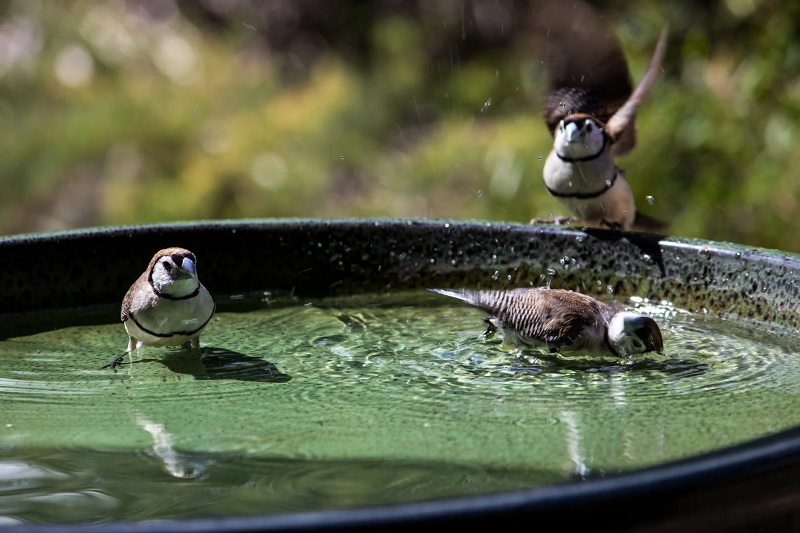
Using natural methods to prevent algae and bacteria is a great choice because they are gentle and eco-friendly.
Using Vinegar
White vinegar is a powerful, natural cleaner that can help control algae buildup in your fountain. Adding a small amount of vinegar to the water (usually about one cup per gallon) can lower the water’s pH slightly, discouraging algae growth. You can also use vinegar when cleaning the fountain basin to remove stubborn algae stains. Just make sure to rinse the fountain thoroughly afterward to avoid any strong vinegar smell that might deter birds.
Adding Barley Straw
Barley straw is a natural, proven way to reduce algae growth in water features. When barley straw decomposes in water, it releases compounds that inhibit algae formation. Simply place a small bundle of barley straw in a mesh bag and float it in your fountain basin. Replace the straw every few weeks to maintain effectiveness. This method is safe for birds and other wildlife, making it an excellent choice for natural algae control.
Safe Commercial Cleaners
If natural options aren’t enough, there are bird-safe commercial cleaners designed specifically for outdoor fountains and birdbaths. Look for products labeled as non-toxic and safe for wildlife. These cleaners usually contain ingredients that target algae and bacteria without harmful chemicals like bleach or ammonia. Always follow the manufacturer’s instructions carefully and rinse the fountain well before refilling to ensure no residue remains that could harm birds.
UV Filters and Water Circulation
Technology can also help keep your fountain water clean. UV filters are effective in controlling algae and bacteria by exposing water to ultraviolet light, which kills microorganisms without adding chemicals. Many modern fountains come with built-in UV sterilizers, or you can install an external UV filter if your fountain has a pump system. This method is safe for birds and highly efficient in maintaining water clarity.
Proper water circulation is another key factor. Stagnant water is a breeding ground for algae and bacteria, so ensure your fountain has a steady flow. A well-maintained pump that keeps water moving helps oxygenate the water and prevents the conditions algae love to thrive in. Regularly check and clean your pump to keep it running smoothly.
Keeping Debris Out
Maintaining clean fountain water is easier when you take steps to keep debris out in the first place. Leaves, twigs, bird droppings, and other debris can quickly dirty the water, promoting algae growth and bacteria buildup. By minimizing the amount of debris that falls into your fountain, you reduce the need for frequent cleaning and keep the water safer for birds. Here are some practical tips for keeping your fountain debris-free.
Installing a Cover or Net
One of the most effective ways to keep debris out of your fountain is by using a cover or net when the fountain is not in use. Mesh nets designed specifically for birdbaths and fountains allow water and small birds to pass through while blocking larger leaves and twigs. Covers also prevent unwanted visitors, like squirrels or cats, from disturbing the water.
When using a net or cover, make sure it’s securely fastened to prevent it from blowing away in the wind, but easy to remove for cleaning and refilling. This simple solution can significantly cut down on the amount of debris that accumulates, keeping your fountain cleaner for longer.
Placing the Fountain Away from Trees
Location plays a big role in how much debris ends up in your fountain. Placing the fountain directly under or near trees can lead to a constant shower of leaves, seeds, and sap, especially during autumn or windy days. To minimize this, position your fountain in an open area, away from overhanging branches.
This not only reduces debris but also makes it easier to clean and monitor the water quality. If moving the fountain isn’t possible, consider trimming nearby branches to reduce the amount of falling material. A well-chosen spot will keep the water clearer and create a more pleasant environment for visiting birds.
Checking for Fallen Leaves and Droppings
Even with preventive measures, some debris will inevitably find its way into the fountain. Regularly checking the water for fallen leaves, feathers, or bird droppings is essential. Removing these promptly prevents them from decomposing and contaminating the water.
Use a small net or scoop to fish out debris daily or as often as needed, especially during peak seasons. Keeping an eye on droppings is important too, as bird feces can introduce harmful bacteria into the water. Regular surface cleaning and timely removal of debris help maintain fresh, clean water that birds can safely enjoy.
Avoiding Chemical Contamination
Ensuring your fountain water is free from harmful chemicals is essential to protect the health of visiting birds. Many common substances found in household water or garden care products can pose serious risks when they enter your bird’s water source. Understanding how to avoid chemical contamination helps keep your fountain a safe and welcoming spot for wildlife.
Risks of Using Tap Water
While tap water is convenient, it often contains chlorine, chloramine, or other chemicals used to disinfect it for human consumption. These chemicals can be harmful to birds, causing irritation or even poisoning if ingested in large amounts. To minimize risks, consider letting tap water sit uncovered for 24 hours before adding it to your fountain, allowing chlorine to evaporate naturally.
However, chloramine—a more stable disinfectant—does not dissipate easily, so using a water conditioner designed to neutralize these chemicals can be a safer option. Alternatively, using filtered or rainwater is ideal, as these sources are free from harmful additives and better mimic natural conditions.
Avoiding Pesticides and Fertilizers Nearby
Pesticides, herbicides, and fertilizers used in gardens and lawns can easily wash into your fountain during rain or watering, contaminating the water with toxic substances. These chemicals pose severe health risks to birds, including poisoning and disruption of their natural behaviors.
To prevent contamination, avoid placing your fountain near flower beds or grassy areas that are regularly treated with chemicals. If you must have the fountain nearby, opt for organic gardening practices that eliminate the use of synthetic pesticides and fertilizers. Maintaining a chemical-free zone around your fountain helps create a safer environment for birds and other wildlife.
Using Bird-Safe Water Treatments
If you need to treat the water in your fountain to control algae or bacteria, always choose products labeled as bird-safe or non-toxic to wildlife. Many commercial water treatments designed specifically for birdbaths and outdoor water features use natural ingredients that won’t harm birds when used as directed.
Avoid household chemicals, bleach, or strong algaecides that can leave residues dangerous to animals. When applying any treatment, follow the instructions carefully and rinse the fountain thoroughly before refilling it with fresh water. This cautious approach ensures that the water remains both clean and safe for your feathered visitors.
Seasonal Considerations
Taking seasonal changes into account is essential for keeping your fountain water clean and safe for birds throughout the year. Each season presents unique challenges, from scorching heat in the summer to freezing temperatures in the winter. Understanding how to adjust your fountain care routine accordingly ensures your feathered visitors always have access to fresh, safe water.
Summer Tips
During summer, warm temperatures can accelerate algae growth and bacteria buildup, making regular maintenance even more important. To keep your fountain clean, change the water every two to three days and clean the basin weekly. Positioning the fountain in a shaded area helps slow down algae growth and keeps the water cooler for birds.
Adding natural remedies like barley straw or a small amount of white vinegar can also reduce algae buildup without harming wildlife. Additionally, check the water level daily, as evaporation rates increase in hot weather, and top up the fountain as needed to keep it inviting for thirsty birds.
Winter Maintenance
Winter brings a different set of challenges, especially in regions with freezing temperatures that can damage your fountain and limit water availability for birds.
Preventing Freezing
To prevent your fountain from freezing, consider placing it in a sunny location where natural warmth can help keep the water liquid. If moving the fountain isn’t an option, you can add floating objects like wooden balls or ping-pong balls that help reduce surface freezing by breaking up ice formation. Regularly check the water to ensure it hasn’t frozen completely, as birds need access to liquid water year-round.
Using Heated Fountains
For areas with harsh winters, heated fountains are a practical solution. These fountains come with built-in heaters or heating pads designed to keep the water from freezing even in sub-zero temperatures. Heated fountains provide a continuous source of freshwater, which is critical for birds when natural water sources are covered in ice or snow. If you opt for a heated fountain, ensure it’s specifically designed for outdoor use and follow the manufacturer’s safety guidelines to protect both the birds and your equipment.
Monitoring Bird Health and Behavior
Keeping an eye on the health and behavior of birds visiting your fountain is an important part of ensuring their safety. Dirty or contaminated water can quickly affect birds, sometimes in ways that aren’t immediately obvious. By learning to recognize the signs of trouble and knowing when to act, you can protect your feathered visitors and maintain a safe water source.
Signs of Dirty Water Impacting Birds
Birds are sensitive to water quality, and changes in their behavior can signal problems with your fountain water. If you notice birds avoiding the fountain or only drinking briefly before flying away, it could indicate that the water is dirty or contaminated. Birds may also appear lethargic, have ruffled feathers, or show signs of distress such as excessive scratching or unusual vocalizations. In some cases, dirty water can lead to illness, which might manifest as difficulty flying or feeding, drooping wings, or visible lesions around the beak and eyes. Observing these symptoms early is crucial because it allows you to take prompt action before more serious harm occurs.
When to Replace the Water Immediately
It’s essential to replace the fountain water immediately whenever you notice visible signs of contamination or if birds show signs of discomfort. Water that appears cloudy, has a strong odor, or is covered with algae or debris should be emptied and cleaned right away. After heavy rain, wind, or storms, check your fountain for dirt, leaves, or droppings that could have contaminated the water.
If several birds are showing symptoms like those mentioned above, changing the water and cleaning the fountain can often help improve their condition. In addition, during hot weather, water can deteriorate quickly, so more frequent changes may be necessary. As a rule of thumb, changing the water every two to three days during warmer months, and immediately if any concerns arise, ensures a consistently safe drinking and bathing environment for birds.
FAQs
How Often Should I Clean My Bird Fountain To Keep The Water Safe?
You should clean your bird fountain at least once a week during warm months to prevent algae, bacteria, and debris buildup. In hotter weather, cleaning may be needed more frequently—every 3 to 4 days—to maintain water quality. Regular cleaning ensures the water stays clear and reduces the risk of disease. Also, changing the water every couple of days helps keep it fresh and inviting for birds.
What Are The Best Materials For A Bird-Safe Fountain?
Look for fountains made from non-toxic, durable materials like natural stone, ceramic, or high-quality resin. Avoid treated wood, painted surfaces, or metals that can leach harmful chemicals into the water. Smooth surfaces are ideal because they prevent algae buildup and are gentle on birds’ feet. Choosing the right material helps keep the water safe and makes cleaning easier.
Can I Use Tap Water In My Bird Fountain?
You can use tap water, but be aware that it often contains chlorine or chloramine, which can be harmful to birds. To make tap water safer, let it sit uncovered for 24 hours to allow chlorine to evaporate. However, chloramine doesn’t dissipate easily, so using a water conditioner designed to neutralize these chemicals or switching to filtered or rainwater is better for bird health.
How Can I Prevent Algae Growth In My Fountain Naturally?
Natural methods like adding barley straw or a small amount of white vinegar can help prevent algae growth safely. Barley straw releases compounds that inhibit algae as it decomposes, and vinegar lowers the water’s pH to discourage algae. These methods are safe for birds and reduce the need for harsh chemicals. Additionally, placing your fountain in a shaded spot and ensuring good water circulation also help keep algae at bay.
What Is The Best Way To Keep Debris Out Of My Bird Fountain?
To keep debris like leaves and droppings out, consider installing a mesh cover or net over your fountain when it’s not in use. Position your fountain away from overhanging trees to reduce falling leaves and twigs. Regularly check the water and remove any visible debris with a small net or scoop. These steps reduce contamination and make maintenance easier, ensuring clean, safe water for your birds.
Conclusion
Keeping your fountain water clean and safe for birds requires consistent care and attention, but the rewards are well worth the effort. By choosing the right fountain materials, maintaining regular cleaning routines, preventing algae and debris buildup, and avoiding harmful chemicals, you create a healthy environment where birds can drink and bathe safely.
Paying attention to seasonal changes and monitoring bird behavior will help you respond quickly to any issues. With these simple yet effective steps, you’ll not only enjoy watching vibrant, healthy birds visit your garden but also contribute positively to local wildlife. Remember, clean water is essential for birds’ health, so making your fountain a safe oasis ensures a thriving and beautiful outdoor space for both you and your feathered friends.