
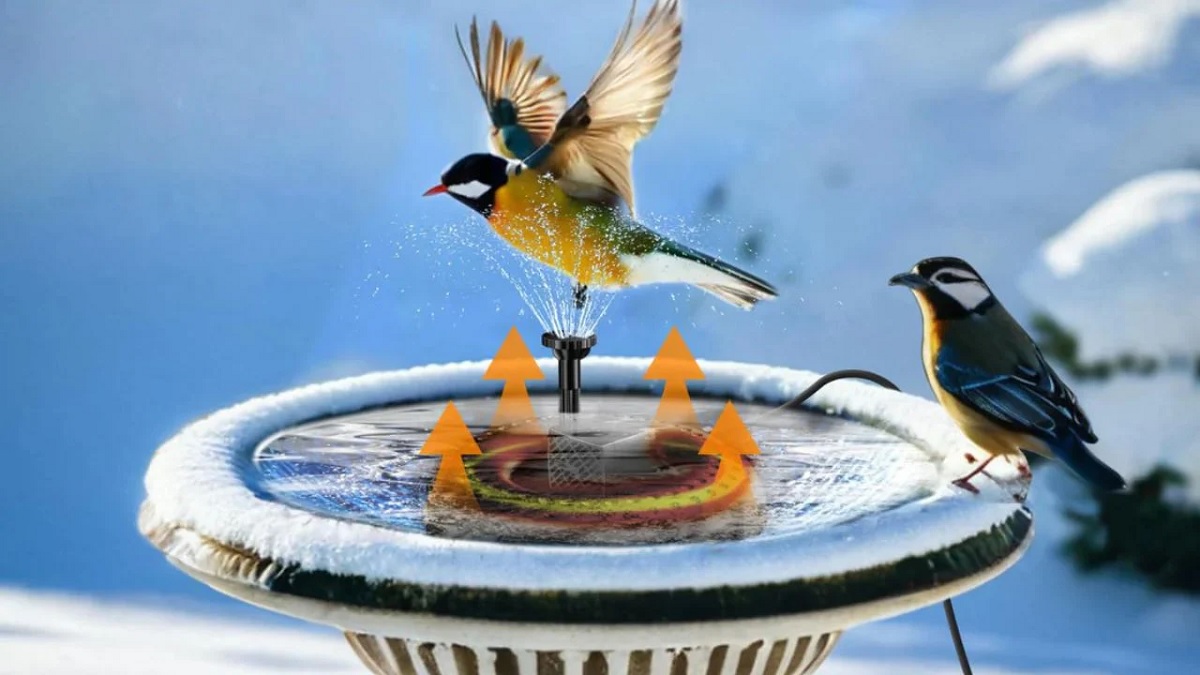
If you’re a backyard bird lover, there’s nothing more rewarding than watching birds splash around in a clean, inviting bird bath. But if you’ve ever found your bird bath turning slimy, green, or black, you’re not alone. Mold and algae can quickly take over, turning a peaceful bird oasis into a dirty mess that’s both unsightly and potentially harmful to your feathered visitors. That’s why knowing how to keep mold out of bird bath setups is essential for any bird-friendly yard.
Keeping mold at bay isn’t just about aesthetics—it’s also about protecting the health of the birds who rely on your water source. The good news? With a few simple habits and natural solutions, you can maintain a cleaner bird bath for longer stretches of time. In this guide, we’ll break down practical tips and easy steps you can follow to prevent mold from taking hold and ensure your bird bath stays fresh, safe, and welcoming.
Why Mold in Bird Baths Is a Problem
Mold in bird baths is more than just an eyesore—it can pose serious problems for both birds and humans who enjoy backyard birdwatching. When left unchecked, mold not only degrades the look of your bird bath but also compromises the health and safety of the birds that depend on it. Here’s a closer look at why keeping mold out of your bird bath is so important.

Health Risks for Birds
Birds rely on clean water sources for drinking and bathing. When mold forms in a bird bath, it creates a breeding ground for harmful bacteria, fungi, and parasites. Birds exposed to moldy water can develop respiratory issues, skin infections, or gastrointestinal illnesses. For smaller or younger birds, these health risks can be especially dangerous and potentially fatal. Mold can also attract mosquitoes and other pests that carry diseases like West Nile Virus, putting birds—and even humans—at risk.
Impact on Water Quality
Mold significantly lowers the overall quality of the water in your bird bath. It creates a slimy film on the surface and along the basin, making the water unsafe for birds to consume. As mold spreads, it can also encourage algae growth, which further depletes oxygen in the water and creates an unbalanced environment. Poor water quality not only discourages birds from using the bath but may also contaminate nearby soil and plants if the water overflows or splashes out.
Unpleasant Odor and Appearance
A moldy bird bath doesn’t just affect wildlife—it impacts your outdoor space as well. Mold growth is often accompanied by a foul, musty odor that can make your yard less enjoyable to be in. Visually, it creates a murky, greenish or blackish tint to the water and leaves an uninviting film on the basin. Instead of being a charming feature in your garden or patio, the bird bath becomes a neglected eyesore.
Common Causes of Mold in Bird Baths
Understanding the common causes of mold in bird baths is the first step toward keeping your bird-friendly space clean and safe. Mold thrives in environments that are moist, stagnant, and rich in organic matter—all of which can easily occur in an unattended bird bath. Here’s a breakdown of the most common factors that contribute to mold growth.
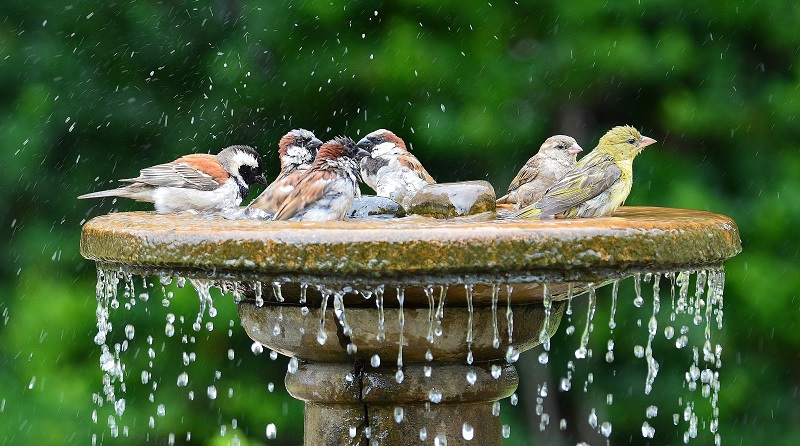
Standing Water
One of the biggest contributors to mold in bird baths is standing water. When water isn’t changed regularly, it becomes stagnant, creating the perfect environment for mold, algae, and bacteria to flourish. Even if the water looks relatively clear, microorganisms can quickly begin forming on the surface and around the basin edges. Without movement or circulation, the water can go bad in just a couple of days, especially in warm weather.
Debris and Organic Material
Leaves, twigs, bird droppings, and even uneaten food can collect in a bird bath, providing a feast for mold spores. As these organic materials break down, they release nutrients into the water, encouraging the growth of mold and algae. The more debris your bird bath collects, the faster mold will take hold. This is particularly common during the fall or after storms, when trees and plants shed more material.
Lack of Sunlight
While a shaded spot might seem like a good place for your bird bath, too much shade can actually promote mold growth. Mold and algae tend to thrive in dark, damp environments. Sunlight helps naturally inhibit the growth of these organisms by drying out the basin and warming the water, which slows down the formation of mold. A bird bath that stays in constant shade may stay wet longer, giving mold more time to develop.
Improper Materials or Design
The material and design of your bird bath also play a significant role in mold development. Porous materials like concrete or unglazed ceramic can retain moisture and are harder to clean, giving mold spores plenty of places to hide and grow. Bird baths with deep basins or poor drainage are more likely to collect stagnant water. Similarly, overly ornate designs with lots of nooks and crevices make it difficult to scrub away mold during regular cleanings.
How to Prevent Mold in Bird Baths
Keeping your bird bath mold-free isn’t just about appearances—it’s essential for the health of your backyard birds and the overall enjoyment of your outdoor space. Mold can grow quickly in warm, wet environments, especially when water remains stagnant and full of organic debris. The good news? With a few simple habits and the right setup, you can prevent mold from ever becoming an issue. Here’s a detailed guide on how to prevent mold in bird baths effectively and naturally.
Choose the Right Bird Bath
Your first defense against mold starts with selecting the right bird bath. Not all bird baths are created equal, and the materials, shape, and design you choose can either discourage or encourage mold growth.
Material Considerations
Opt for bird baths made from non-porous materials like glazed ceramic, glass, or metal. These materials are less likely to absorb water and are easier to clean. Concrete and unglazed ceramic, while popular, are porous and tend to trap moisture and organic matter, creating ideal conditions for mold to thrive.
Proper Depth and Design
Shallow bird baths (1–2 inches deep) are generally better. They not only attract more birds but also reduce the volume of standing water, which helps prevent mold. Bird baths with smooth, simple shapes are easier to clean and maintain than ornate ones with lots of crevices where mold can hide and grow.
Position the Bird Bath Correctly
Where you place your bird bath has a big impact on its cleanliness. Location affects how quickly water evaporates, how much debris falls into it, and how easy it is to access for regular maintenance.
Sunlight Exposure
Place your bird bath in a spot that receives at least a few hours of direct sunlight each day. Sunlight naturally helps inhibit mold and algae growth by warming the water and drying the basin between uses. While some shade can prevent overheating, too much shade encourages mold to grow.
Distance from Trees and Plants
Keep your bird bath away from overhanging trees and shrubs, which drop leaves, pollen, and seeds into the water. These organic materials feed mold and make cleanup more difficult. A more open area reduces debris while still providing birds a nearby perch or shelter.
Clean the Bird Bath Regularly
Routine cleaning is one of the most effective ways to prevent mold in bird baths. Even if the water looks clear, biofilm and microscopic mold spores can build up quickly.
How Often to Clean
Ideally, clean your bird bath every 2–3 days, especially in warmer months when mold and algae grow faster. If you notice any slime, discoloration, or odor, clean it immediately. During colder months, you can stretch the time between cleanings, but once a week is still a good rule of thumb.
Recommended Cleaning Tools and Supplies
To effectively clean your bird bath and prevent mold, gather a few essential tools and supplies. A scrub brush with stiff bristles will help remove stubborn mold and grime from the basin. Wearing rubber gloves protects your hands during cleaning. For natural cleaning agents, white vinegar or apple cider vinegar work well as mold inhibitors, and baking soda serves as a gentle abrasive for tough stains. If deeper cleaning is needed occasionally, bleach can be used sparingly. Additionally, having a garden hose or a bucket of clean water is necessary for rinsing, and a small net or scoop is handy for removing debris like leaves and seeds from the water.
Cleaning Methods (With and Without Bleach)
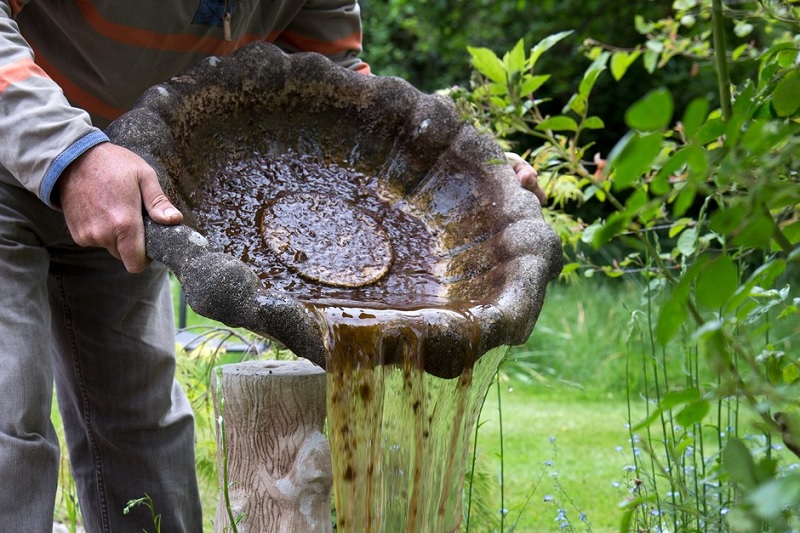
When cleaning without bleach, start by dumping out the old water. Next, scrub the basin using a solution made of one part white vinegar to four parts water. For particularly tough stains or mold spots, sprinkle baking soda directly onto the affected areas before scrubbing. After cleaning, rinse the bird bath thoroughly with clean water to remove any residue before refilling it.
If you opt to use bleach for a deep clean, mix one part bleach with nine parts water. Soak the basin in this solution for 10 to 15 minutes, then scrub with a brush if necessary. It’s important to rinse the bird bath thoroughly several times and let it air out completely before refilling. Keep in mind that bleach should only be used occasionally and with caution to avoid harming birds, pets, or nearby plants.
Use Natural Mold Inhibitors
In addition to regular cleaning, you can use natural substances that help deter mold growth without harming birds.
Vinegar
White vinegar is a powerful, bird-safe mold inhibitor. A quick rinse with vinegar once or twice a week helps kill mold spores and slows their return. Make sure to rinse thoroughly with clean water afterward.
Baking Soda
Baking soda is mildly abrasive and works well as a spot treatment on mold or slime buildup. It also neutralizes odors and is completely safe for birds when rinsed off properly.
Apple Cider Vinegar
Like white vinegar, apple cider vinegar has antifungal properties. It can be used the same way in cleaning solutions, but its stronger scent may linger longer. Always rinse thoroughly after use.
Keep the Water Moving
Mold loves stagnant water. Keeping water circulating not only discourages mold but also attracts more birds by simulating natural flowing water sources.
Use of Solar Fountains
Solar-powered bird bath fountains are a great addition. They keep the water moving during sunny days and don’t require wiring or batteries. Moving water also helps deter mosquitoes and other pests that prefer still environments.
Manual Water Changes
Even if you don’t have a fountain, changing the water by hand every day or two can dramatically reduce mold growth. Just dump and refill the bath with fresh, clean water. Doing this regularly is one of the simplest mold prevention methods available.
Remove Debris Daily
Organic debris like leaves, seeds, feathers, and droppings provide nutrients for mold and should be removed regularly to keep your bird bath clean.
Leaves, Seeds, and Droppings
Wind, birds, and surrounding trees all contribute to debris buildup. Even small amounts can start mold growth if left too long. It’s best to do a quick check and cleanup at least once a day.
Using a Net or Scoop
Keep a small mesh net, slotted spoon, or scoop nearby for easy debris removal. This makes daily maintenance fast and simple, taking less than a minute each day.
By combining smart placement, regular maintenance, and natural cleaning methods, you can keep your bird bath fresh, mold-free, and welcoming for your feathered visitors. The key to success is consistency: a few minutes of upkeep every couple of days will go a long way in ensuring your bird bath stays safe and healthy. And remember, a clean bird bath not only benefits the birds—it also enhances the beauty and tranquility of your entire yard.
Seasonal Maintenance Tips
Maintaining your bird bath throughout the year requires a bit of seasonal attention to keep it clean, safe, and inviting for birds no matter the weather. Different seasons bring unique challenges and care routines that help prevent mold and protect your bird bath from damage. Here’s what to keep in mind for summer and winter maintenance.
Summer Considerations
Summer is when bird baths see the most use, but it’s also when mold and algae growth can skyrocket due to warmer temperatures and increased sunlight. During this season, regular cleaning becomes even more crucial. Change the water every day or at least every couple of days to prevent stagnation. Warm water is a perfect breeding ground for mold, so don’t let water sit too long.
Since summer heat can cause water to evaporate quickly, make sure to keep your bird bath filled with fresh water. If you live in a particularly hot or dry climate, consider placing the bird bath in a partially shaded area to help slow evaporation while still getting some sunlight to inhibit mold growth. Adding a solar fountain or dripper can also keep water moving, which discourages mold and attracts more birds.
Remove debris like fallen leaves, seeds, and droppings daily, since summer storms or high winds can bring a lot of organic material into your bird bath. Using a net or scoop can make this quick and easy. Pay attention to any signs of algae or slime, and clean the basin promptly if you notice buildup.
Winterizing the Bird Bath
In colder climates, winter brings a different set of challenges. Freezing temperatures can crack or damage bird baths made from materials like ceramic or concrete. To protect your bird bath, consider emptying and storing it indoors during freezing months, or use a heated bird bath designed to keep water from freezing.
If you prefer to keep your bird bath outside year-round, check it frequently to remove ice and refresh the water to keep birds hydrated safely. Avoid using salt or chemicals to melt ice, as these can harm birds.
Winter cleaning might be less frequent than in summer, but it’s still important to remove debris regularly to prevent buildup. When spring arrives, give your bird bath a thorough cleaning before refilling it to prepare for the busy bird season ahead.
When to Replace Your Bird Bath
Even with the best care and maintenance, there comes a time when replacing your bird bath is the smartest choice. Knowing when to retire an old bird bath can save you from ongoing mold problems and help provide a healthier environment for your feathered visitors. Here are key signs that it might be time to replace your bird bath and tips on upgrading to a mold-resistant model.
Signs of Irreparable Mold
One of the main reasons to replace a bird bath is when mold has taken hold so deeply that cleaning no longer restores the basin to a safe, mold-free state. Porous materials like concrete or unglazed ceramic can absorb moisture and harbor mold spores in tiny cracks and crevices, making complete removal nearly impossible. If you notice persistent black, green, or fuzzy patches that return shortly after cleaning—especially if accompanied by a musty smell—it’s a strong indication the bird bath’s material has been compromised.
Cracks, chips, and rough surfaces can also trap dirt and mold, providing breeding grounds that are difficult to sanitize. Over time, damage from weather and mold can weaken the structure of the bird bath, posing a risk of breaking or crumbling. When these signs appear, continued use not only becomes ineffective but could potentially harm the birds by exposing them to harmful spores.
Upgrading to a Mold-Resistant Model
When it’s time for a new bird bath, consider investing in a mold-resistant model designed to minimize maintenance and improve bird safety. Look for baths made from non-porous materials such as glazed ceramic, glass, stainless steel, or heavy-duty plastic. These surfaces don’t absorb moisture, making them much easier to clean and less likely to harbor mold.
Additionally, choosing a bird bath with a shallow basin and simple design will reduce water stagnation and prevent mold from hiding in hard-to-reach areas. Some modern bird baths even come with built-in water circulation features like solar fountains that keep water moving and fresh.
Upgrading your bird bath not only solves persistent mold problems but also enhances your backyard’s aesthetic appeal and creates a safer, more inviting space for birds. When shopping for a replacement, prioritize durability and ease of cleaning, so you can enjoy the benefits of a mold-free bird bath for years to come.
People Also Ask
How Often Should You Clean Your Bird Bath To Prevent Mold?
To keep mold out of your bird bath, you should clean it regularly—ideally every 2 to 3 days during warm weather when mold grows faster. Daily water changes are best in hot climates to prevent water from becoming stagnant. Even if the water looks clear, microscopic mold spores and biofilm can build up quickly, so routine cleaning is essential. During cooler months, cleaning once a week is usually sufficient. Consistent maintenance prevents mold growth and ensures a safe water source for birds.
What Are The Best Cleaning Methods To Remove Mold From A Bird Bath?
The safest and most effective cleaning method is using a natural solution of white vinegar diluted with water (1 part vinegar to 4 parts water). Scrub the bird bath with this mixture to remove mold and rinse thoroughly before refilling. For tougher mold stains, sprinkle baking soda on the affected areas and scrub gently. Bleach can be used sparingly for deep cleaning—mix 1 part bleach with 9 parts water, soak the basin for 10–15 minutes, then rinse thoroughly. Always avoid harsh chemicals that could harm birds, and rinse the bird bath well after cleaning.
How Can You Position Your Bird Bath To Minimize Mold Growth?
Place your bird bath in an area that gets at least a few hours of direct sunlight daily, as sunlight naturally inhibits mold and algae growth by drying out the water and warming the basin. Avoid locations under dense tree canopies where leaves, seeds, and debris can fall into the water and encourage mold. Positioning your bird bath away from plants and trees helps reduce organic material buildup, making it easier to keep clean and mold-free.
What Are Natural Mold Inhibitors You Can Use In Your Bird Bath?
Natural mold inhibitors include white vinegar, apple cider vinegar, and baking soda. These substances are safe for birds and help prevent mold growth. You can rinse the bird bath with diluted vinegar weekly to kill mold spores. Baking soda can be applied as a gentle abrasive on moldy spots to scrub away buildup. These natural options are safer alternatives to chemical cleaners and help maintain a healthy environment for your feathered visitors.
Does Moving Water Help Prevent Mold In Bird Baths?
Yes, keeping water moving significantly helps prevent mold because stagnant water encourages mold and algae growth. Using solar-powered fountains or drippers keeps water circulating without extra electricity. If you don’t have a fountain, manually changing the water every day or two also discourages mold buildup. Moving water not only inhibits mold but also attracts more birds, creating a lively and healthy backyard environment.
When Should You Consider Replacing Your Bird Bath Due To Mold?
If mold keeps returning despite regular cleaning, or if you notice persistent black or green patches that don’t fully come off, it may be time to replace your bird bath. Porous materials like unglazed ceramic or concrete can absorb moisture and harbor mold in cracks, making it impossible to fully sanitize. Also, cracks, chips, or rough surfaces that trap debris encourage mold growth. Switching to a non-porous, mold-resistant bird bath made of glazed ceramic, glass, or metal can provide a safer, easier-to-maintain water source for birds.
Final Words
Keeping mold out of your bird bath is essential for providing a safe, healthy environment for your feathered visitors. By choosing the right bird bath materials, positioning it in a sunny, debris-free spot, and maintaining a consistent cleaning routine, you can effectively prevent mold growth. Incorporating natural mold inhibitors like vinegar and baking soda, keeping the water fresh and moving, and removing debris daily all work together to keep your bird bath inviting and mold-free.
Remember, regular care is the key to success—simple habits practiced throughout the seasons will ensure your bird bath remains a clean, attractive water source. With these steps, you’ll enjoy watching happy, healthy birds while maintaining a beautiful outdoor space free from mold and unpleasant odors.