
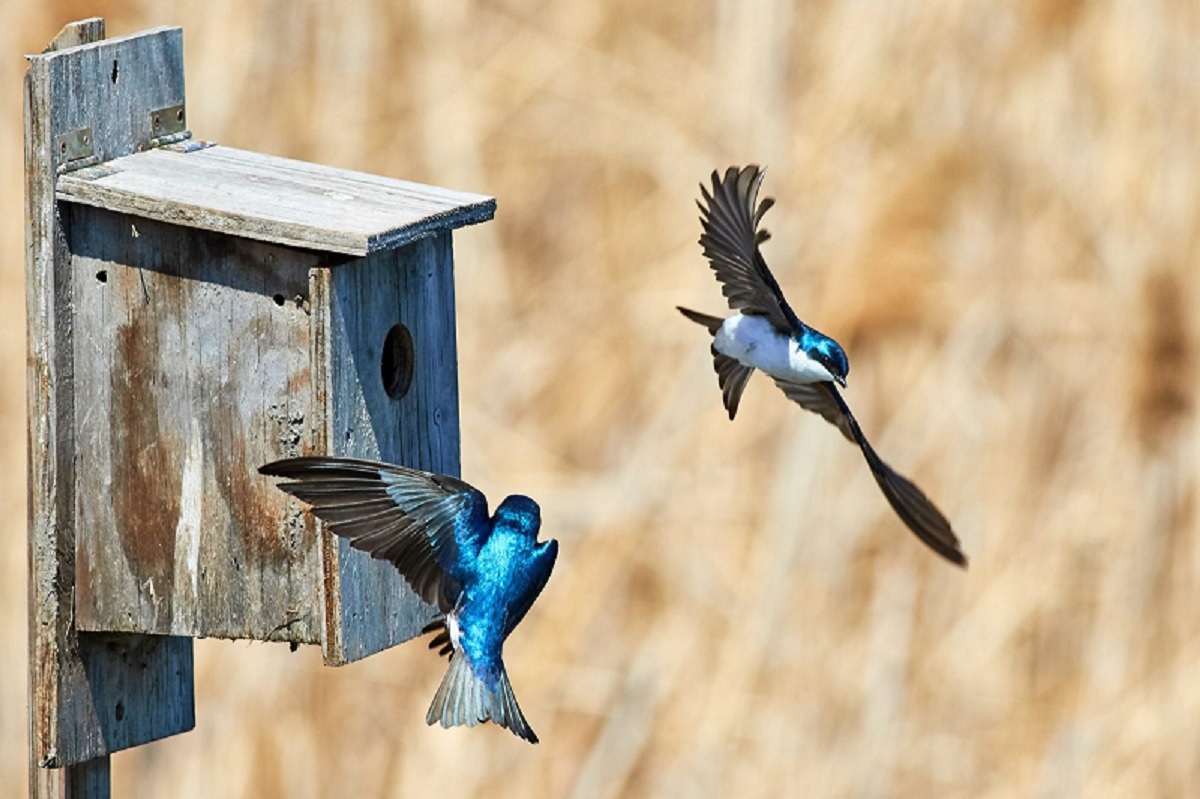
If you’re a bluebird enthusiast, you’ve probably faced the challenge of keeping other birds out of your bluebird house. Knowing how to keep other birds out of bluebird house is essential for providing a safe and welcoming environment for these beautiful birds. Bluebirds are cavity nesters and often compete with more aggressive species like house sparrows or starlings for prime nesting spots. This competition can be frustrating, especially when you want to support bluebird populations in your area.
In this guide, we’ll explore practical and effective strategies to help ensure your bluebird house remains a peaceful sanctuary exclusively for bluebirds. From choosing the right house design to proper placement and maintenance, understanding how to keep other birds out of bluebird house can make a big difference in your backyard birdwatching experience. Let’s dive into the best tips to protect your bluebird house and keep those unwanted visitors at bay.
Understanding the Need to Protect Bluebird Houses
Creating and maintaining bluebird houses is a rewarding way to support these charming birds, but it also comes with the responsibility of protecting their nesting sites. Understanding why bluebirds need protection and recognizing the common bird species that invade their houses is key to providing a safe habitat. Here’s what you need to know to help your bluebird friends thrive.
Why Bluebirds Need Protection
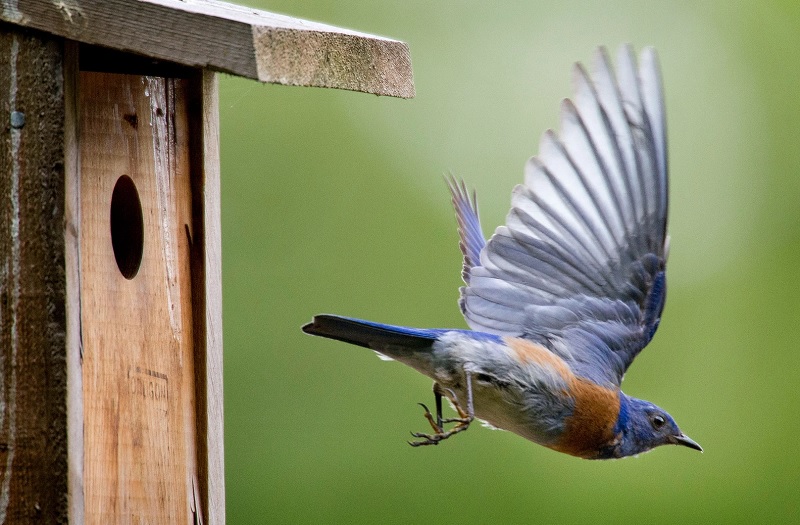
Bluebirds have faced significant population declines over the past century, mainly due to habitat loss and increased competition for nesting sites. These beautiful birds prefer open spaces with scattered trees and rely on natural cavities or birdhouses to raise their young. Unfortunately, suitable nesting locations are often limited, which puts bluebirds at a disadvantage compared to more aggressive and adaptable species.
Additionally, changes in land use, urban development, and pesticide use have contributed to their decreasing numbers. By putting up bluebird houses, bird lovers can provide much-needed shelter and breeding spots. However, simply placing a house isn’t enough — bluebirds need protection from competing birds and predators to successfully raise their chicks.
Common Bird Species That Invade Bluebird Houses
One of the biggest challenges in keeping bluebird houses safe is dealing with invasive or aggressive bird species that try to take over the nesting sites. These invaders can outcompete bluebirds, destroy eggs, or even kill nestlings, severely impacting bluebird populations.
House sparrows are perhaps the most notorious competitors for bluebird houses. As a non-native and highly aggressive species, they often take over bluebird houses by evicting the rightful occupants. Beyond just displacing bluebirds, house sparrows can cause damage to the interior of the house and may even remove bluebird eggs, posing a serious threat to their breeding success.
European starlings are another invasive species that cause significant problems for bluebirds. Larger and even more aggressive than house sparrows, starlings can easily force bluebirds out of their nesting sites. These birds frequently destroy eggs and chicks, further reducing bluebird populations. Their strong and assertive behavior makes them a particularly tough species to keep away from bluebird houses.
Wrens, while native and generally less aggressive than sparrows or starlings, sometimes choose to nest in bluebird houses. Although wrens are less likely to harm bluebirds directly, their presence can discourage bluebirds from using a site, which reduces the availability of safe nesting options.
Smaller birds like house finches and chickadees may also compete for nesting cavities. However, compared to sparrows and starlings, they tend to pose less of a threat to bluebirds. Still, their occasional competition can affect the overall success rate of bluebird nesting.
Protecting bluebird houses from these invasive and competing species is essential to ensuring that bluebirds can safely nest and raise their young. Understanding the behavior of these birds and taking proactive steps to deter unwanted visitors will help maintain a peaceful and secure environment for bluebirds in your backyard.
Choosing the Right Bluebird House Design
Selecting the right design for a bluebird house is crucial to attracting these lovely birds and ensuring they feel safe to nest and raise their young. The design affects not only which birds will use the house but also how well it withstands weather and predators. Here are key factors to consider when choosing or building a bluebird house.
Proper Entrance Hole Size
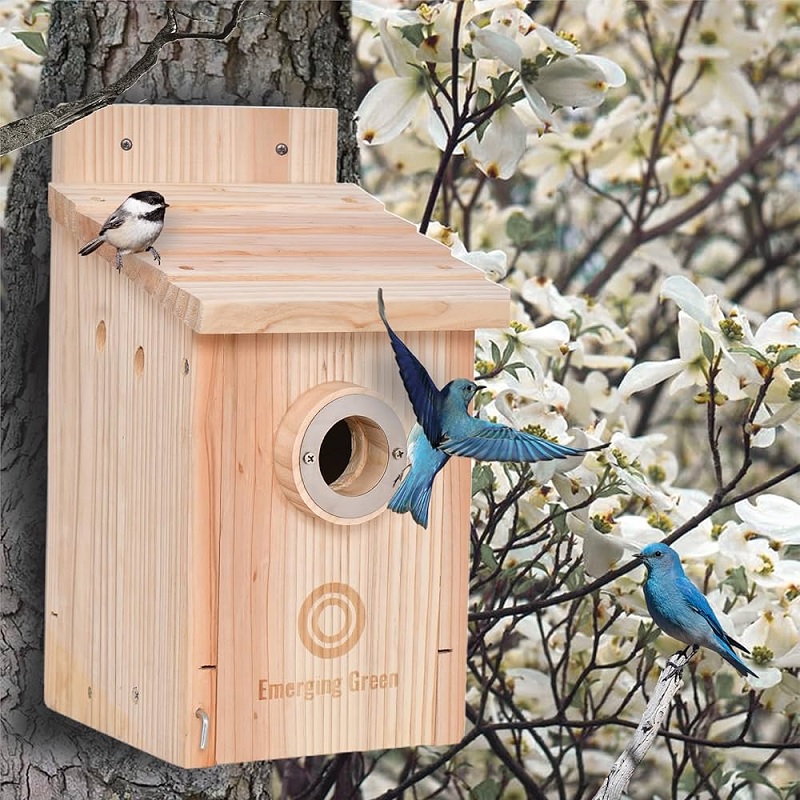
One of the most important features of a bluebird house is the entrance hole size. Bluebirds require an entrance that’s just large enough for them to enter but small enough to keep out larger, more aggressive birds like starlings and house sparrows. The ideal diameter for a bluebird house entrance is about 1.5 inches. This size allows bluebirds to come and go freely while discouraging unwanted species from moving in.
If the hole is too big, invasive birds can easily enter and take over, while a hole that’s too small may discourage bluebirds from using the house altogether. It’s also important that the hole is smooth and round, without sharp edges that could harm the birds.
Materials and Construction Tips
Choosing the right materials and construction methods can greatly impact the durability and safety of your bluebird house. Natural, untreated wood such as cedar, pine, or redwood is ideal because it provides good insulation and breathability, helping to regulate temperature inside the house.
Avoid using treated wood, paint, or varnish on the interior, as these can be harmful to nesting birds. Instead, keep the finish natural or only apply non-toxic, water-based paint to the exterior for added weather resistance. Make sure the house is sturdy and well-ventilated, with small holes near the top for air circulation.
Also, design the house with a hinged side or roof for easy cleaning after each nesting season. This helps prevent parasite buildup and keeps the house inviting for future bluebird families.
Placement of the Bluebird House
Where you place your bluebird house can make all the difference in whether it gets used or ignored. Bluebirds prefer open spaces such as fields, parks, or large yards with scattered trees and low shrubs. Place the house at least 4 to 6 feet above the ground on a sturdy post or pole.
Make sure the location has a clear flight path free of dense branches or other obstacles. Avoid placing the house too close to busy roads, areas with heavy foot traffic, or dense woods where predators might lurk. Also, position the entrance hole away from prevailing winds and direct strong sunlight to keep the nest comfortable.
Installing Predator Guards and Deterrents
Keeping bluebird houses safe from predators is crucial to helping bluebirds successfully raise their young. Predators such as raccoons, snakes, cats, and squirrels can easily access nests if proper protections aren’t in place. Installing predator guards and deterrents is one of the most effective ways to protect bluebird houses from these threats. Here’s what you need to know about different types of guards, how to install them, and additional deterrent options.
Types of Predator Guards
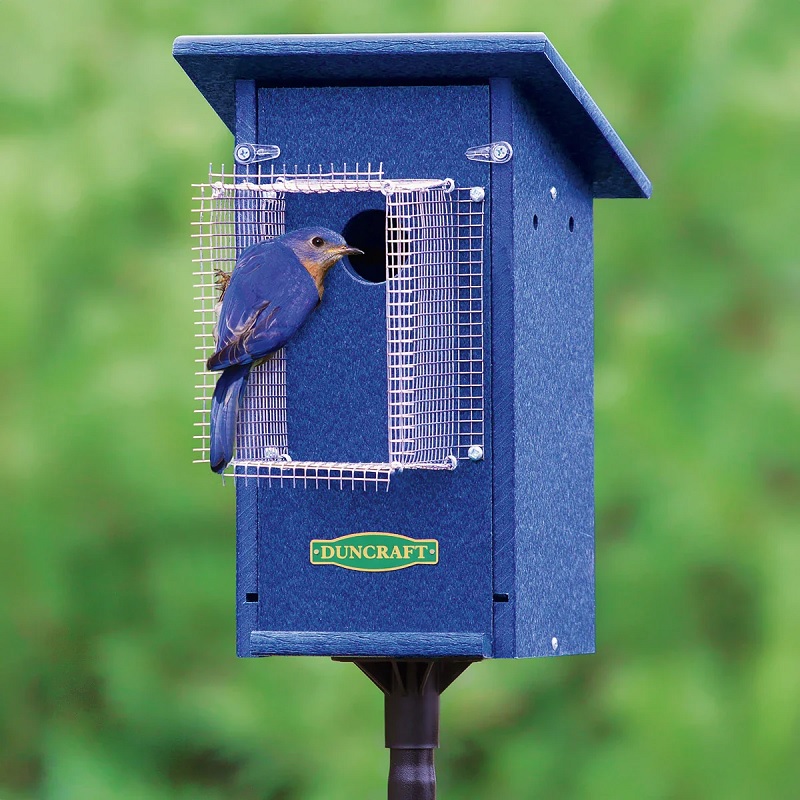
There are several types of predator guards designed specifically to keep unwanted visitors away from birdhouses. One common type is the metal predator guard, which is typically a cone-shaped or cylindrical piece of metal placed around the pole or mounting post. These guards prevent climbing animals like raccoons and squirrels from reaching the nest.
Another option is the plastic or metal baffle, which acts as a physical barrier on the pole and makes it difficult for predators to climb. Some birdhouses also come with built-in predator guards or mounting brackets designed to deter predators.
Spikes can be installed on nearby branches or flat surfaces where climbing predators might approach, discouraging them from getting too close to the house.
How to Install a Predator Guard
Installing a predator guard is usually straightforward but requires attention to detail to ensure it’s effective. For pole-mounted bluebird houses, slide the metal or plastic cone guard around the post so that it sits a few feet below the house. The guard should be wide enough to prevent animals from getting around it, but snug enough that it won’t slide down easily.
Secure the guard firmly using screws or clamps, making sure it doesn’t wobble or shift in the wind. For houses mounted on trees or other structures, attach guards or baffles directly to the mounting surface, again ensuring predators cannot bypass them.
It’s important to check predator guards regularly to make sure they remain in place and undamaged throughout the nesting season.
Using Baffles and Spikes
Baffles are an excellent addition to predator guards because they create a slippery or unstable surface that climbing predators can’t navigate. They are typically installed below the birdhouse, either on poles or trees, and come in dome, cone, or cylindrical shapes.
Spikes, while less common, can be placed strategically on nearby branches or flat surfaces that predators might use to gain access to the house. These spikes are usually blunt and safe for birds but uncomfortable for climbing mammals.
Combining predator guards with baffles and spikes creates multiple layers of defense, significantly increasing the safety of your bluebird house. This approach helps ensure that bluebirds can nest peacefully without the constant threat of predators invading their home.
Managing Surrounding Habitat
Creating a safe and inviting environment for bluebirds goes beyond just installing the perfect house and predator guards. Managing the habitat around your bluebird house plays a crucial role in encouraging bluebirds to nest and thrive. By removing nearby attractants that draw unwanted species and planting bluebird-friendly vegetation, you can help create an ideal setting that supports these beautiful birds throughout the breeding season.
Removing Nearby Attractants
One important step in managing the surrounding habitat is to minimize factors that attract predators or competing bird species near the bluebird house. For example, avoid placing bird feeders too close to the house, as feeders often attract aggressive or invasive birds like house sparrows and starlings, which can threaten bluebird nests.
Additionally, keep the area free of food scraps, pet food, or garbage that might lure raccoons, cats, or other predators. Remove dense brush or piles of wood near the nesting site that could serve as hiding spots or launch points for snakes and small mammals.
By clearing away these attractants, you reduce the risk of predation and competition, making your bluebird house a safer place for the birds to raise their young.
Planting Bluebird-Friendly Vegetation
The right plants around your bluebird house can provide food, shelter, and perching spots that bluebirds need for foraging and nesting. Bluebirds mainly eat insects, so planting native flowering plants and shrubs that attract insects will create a natural buffet for them.
Grasses, wildflowers, and low shrubs are especially helpful because they support insect populations while providing cover from predators. Plants like milkweed, coneflowers, and goldenrod are excellent choices to attract beneficial insects.
Also, include a few small trees or tall shrubs nearby to offer perching and lookout spots for bluebirds. These vantage points help bluebirds keep an eye out for predators and communicate with their mates.
Avoid dense, thorny bushes that can harbor predators or block flight paths. Instead, focus on maintaining open spaces with scattered vegetation to mimic the bluebirds’ preferred natural habitat.
By thoughtfully managing the habitat around your bluebird house—removing attractants and planting bluebird-friendly vegetation—you create a welcoming and supportive environment that helps bluebirds flourish. This holistic approach not only benefits bluebirds but also encourages biodiversity and a healthy ecosystem in your yard.
Monitoring and Maintenance
To ensure your bluebird house remains a safe and welcoming home for bluebirds season after season, regular monitoring and maintenance are essential. Keeping a close eye on the house’s condition, cleaning it properly, and managing invasive birds responsibly will help promote successful nesting and protect the bluebird population in your area.
Regular Inspection Tips
Regularly inspecting your bluebird house allows you to catch problems early and make necessary adjustments. Aim to check the house at least once every week during the nesting season, which typically runs from early spring through late summer. Look for signs of damage, such as cracks or loose panels, that could compromise the house’s safety or allow predators to enter.
Also, monitor activity around the entrance hole. If you notice aggressive birds like house sparrows or starlings trying to take over, early detection can help you act before they become a problem. Keep an eye out for parasites or wasp nests, which can discourage bluebirds from using the house.
Cleaning the Bluebird House
Cleaning the bluebird house after each nesting season is crucial to prevent the buildup of parasites, mold, and old nesting material that can harm future occupants. The best time to clean is in late summer or early fall, once the young birds have fledged and left the nest.
To clean, open the house’s side panel or roof—most bluebird houses have a hinged section for easy access. Remove all old nesting material and debris, then scrub the interior with a solution of one part bleach to nine parts water. Rinse thoroughly and allow the house to dry completely before closing it up for the off-season.
Regular cleaning helps reduce the risk of disease and makes the house more attractive to bluebirds returning in the spring.
Handling Invasive Birds Safely
Invasive birds like house sparrows and starlings can pose a serious threat to bluebirds, but it’s important to handle these situations safely and humanely. If you find invasive birds occupying your bluebird house, try gently removing nests or eggs when permitted by local wildlife regulations.
Avoid using harmful chemicals or traps, as these can affect other wildlife or cause unintended harm. Instead, focus on prevention by maintaining the proper entrance hole size, installing predator guards, and using deterrents to discourage invasive birds.
If invasive bird problems persist, consider consulting local birding organizations or wildlife experts for advice on humane control methods.
By consistently monitoring and maintaining your bluebird house, you create a healthier environment that supports bluebirds’ nesting success year after year.
Additional Tips and Tricks
While proper bluebird house design, predator guards, and habitat management form the foundation for attracting bluebirds, sometimes you need a few extra strategies to keep your feathered friends safe and happy. Using decoys or sound deterrents and tapping into community and expert support can make a significant difference in your bluebird-watching success.
Using Decoys or Sound Deterrents
Decoys and sound deterrents can be surprisingly effective tools for discouraging invasive or aggressive birds from invading bluebird houses. For example, placing a realistic owl or hawk decoy near the nesting area can create the illusion of a predator’s presence, which often deters unwanted birds like house sparrows and starlings. Be sure to move the decoy regularly to prevent birds from becoming accustomed to it.
Sound deterrents, such as recorded distress calls of bluebirds or predator sounds, can also be helpful in keeping invasive species at bay. These sounds signal danger and may encourage problem birds to seek safer locations. However, it’s important to use sound deterrents thoughtfully, as excessive noise can stress bluebirds or disrupt other wildlife.
When using decoys or sound deterrents, combine them with other protective measures like predator guards and proper house placement to maximize their effectiveness.
Community and Expert Support
One of the best resources for bluebird enthusiasts is the broader community of bird watchers, conservationists, and experts who share a passion for protecting bluebirds. Joining local birding clubs, online forums, or bluebird monitoring groups can provide valuable advice, support, and encouragement.
Experts from wildlife organizations or extension services can offer guidance tailored to your region, such as recommended house designs, predator control methods, and habitat improvement tips. They may also have up-to-date information on bluebird population trends and threats.
Participating in citizen science projects or bluebird monitoring programs can be a rewarding way to contribute to conservation efforts while learning more about bluebirds. Sharing your experiences and challenges with others can help you troubleshoot problems and celebrate successes together.
By combining these additional tips and tricks with solid foundational care, you’ll increase your chances of creating a thriving environment for bluebirds. Whether through creative deterrents or tapping into community knowledge, every step helps ensure these charming birds continue to grace your backyard for years to come.
Frequently Asked Questions
What Is The Ideal Entrance Hole Size To Prevent Other Birds From Entering?
The entrance hole size is critical in controlling which birds can enter your bluebird house. The recommended hole size for Eastern and Western bluebirds is 1.5 inches in diameter. This size allows bluebirds easy access but restricts larger, aggressive birds like house sparrows and European starlings from getting inside. If the hole is too large, unwanted birds can move in and take over the nest, but if it’s too small, bluebirds might avoid the house altogether. Always ensure the hole is smooth and round to keep the birds safe.
Are Predator Guards Effective In Keeping Other Birds Out?
Yes, predator guards are highly effective not only for protecting bluebirds from mammals like raccoons and squirrels but also for preventing invasive birds from taking over. Metal or plastic baffles placed on the mounting pole create a physical barrier that many predators and aggressive birds cannot climb. Installing these guards properly—securing them firmly and positioning them a few feet below the birdhouse—helps keep the nesting area safe and limits access to unwanted visitors. Combining predator guards with proper house design enhances overall protection.
How Often Should I Inspect And Clean My Bluebird House To Prevent Invasive Birds?
Regular inspection and cleaning are essential in managing invasive bird problems. You should inspect your bluebird house at least once a week during the nesting season to detect any signs of unwanted birds trying to occupy the space. After the nesting season ends, clean the house thoroughly by removing old nests and debris, and sanitize it using a mild bleach solution. Cleaning reduces parasites and discourages invasive birds from settling in the next season. A well-maintained house is much more attractive to bluebirds and less appealing to competitors.
Can Habitat Management Help Keep Other Birds Out Of The Bluebird House?
Absolutely. Managing the habitat around your bluebird house plays a big role in deterring invasive species. Avoid placing bird feeders or food sources near the house, as these attract aggressive birds like house sparrows and starlings. Also, clear away dense brush or piles of wood that can harbor predators or provide hiding spots for invasive birds. Planting native vegetation that supports insects and provides open foraging areas benefits bluebirds and reduces cover for competitors. A thoughtfully managed habitat promotes a safe and welcoming environment for bluebirds.
What Should I Do If I Find Invasive Birds Nesting In My Bluebird House?
If you discover invasive birds like house sparrows or starlings nesting in your bluebird house, it’s important to act quickly but humanely. Remove their nests and eggs carefully, following local wildlife regulations, ideally early in the breeding season before eggs hatch. Avoid using harmful chemicals or traps, as these can negatively impact other wildlife. Instead, focus on preventative measures such as maintaining the correct entrance hole size, installing predator guards, and monitoring the house regularly. If invasive bird issues persist, seek advice from local birding groups or wildlife experts for safe control methods.
Conclusion
Keeping other birds out of your bluebird house is essential to providing a safe and welcoming home for bluebirds to thrive. By focusing on proper house design—especially the right entrance hole size—installing effective predator guards, and managing the surrounding habitat, you create a strong defense against invasive and aggressive species like house sparrows and starlings.
Regular monitoring and timely maintenance further ensure that your bluebird house remains a healthy environment for raising young birds. Combining these strategies with patience and care will increase your chances of attracting bluebirds and protecting them from competition. With thoughtful attention, you’ll enjoy watching these beautiful birds flourish in your yard season after season.